tim Moana Nui Akira the Pacific Ocean this body of water is so huge you could drop every piece of land on earth inside it and still have some room around the edges the ancient Polynesian people who first explored this ocean were pretty extraordinary and we still don't know how or why they did it one thing we do know is that this land were on now was the final discovery adapting to life and our CEO might have been the biggest challenge Polynesians had ever faced and today we're going to look at how they did it call
William r18 a magma McLaughlin seal a welcome to the Optio history show [Music] [Music] [Music] [Music] this story starts about 5,000 years ago somewhere on the coast of Southeast Asia a group of people left their homes and started traveling across the sea these were the ancestors of the Polynesian people we don't know for sure why they started these voyages maybe they were trying to escape famine or war maybe they just wanted to see what was on the other side of the horizon at first these were short trips using rafts or small canoes to reach nearby
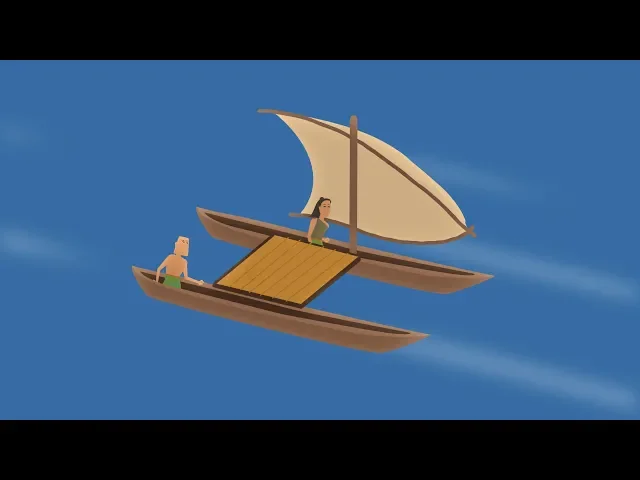
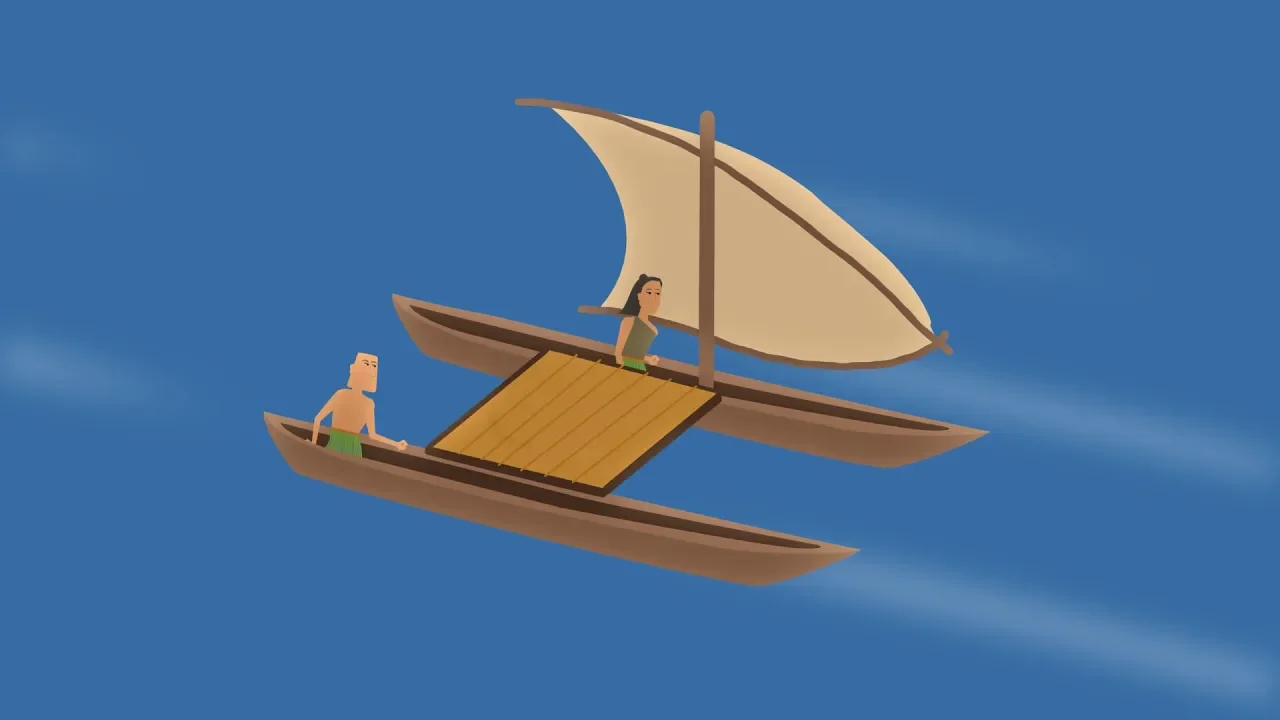
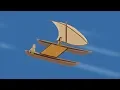
islands like Taiwan Indonesia the Philippines Papua New Guinea and the Solomon Islands for a few thousand years these people traveled around those islands exploring trading forming relationships with local indigenous people and somewhere around this time they invented a new technology the ocean-going waka this technology probably evolved in stages first you have your basic worker then you add an outrigger to make it more stable then you go double hulled which adds even more stability finally you add a sail so you don't have to pedal anymore ocean-going waka allowed early Polynesians to make much longer voyages and
they developed all kinds of techniques to navigate across the open ocean over hundreds of years they explored all the way from Hawaii in the north to Rapa Nui in the West some researchers think they might have even made it as far as South America every group of Polynesians who settled on one of these islands went on to develop its own distinct culture but you can still see their shared roots LT at all was the last group of islands to be discovered by Polynesians actually it was the last major landmass anywhere in the world to be
inhabited by humans our biscuits is this probably started around twelve eighty or ninety that's based on a combination of climate data radiocarbon dating and oral histories one theory is that the voyage to all Tierra was kicked off by a gigantic volcanic eruption in Indonesia in 1257 which called the entire globe and caused crop failures all over the Pacific and this lines up with Maori oral histories mini e we say their ancestors were forced to leave their home islands by increasing warfare maybe people were fighting over a limited food supply according to one tradition new was
discovered by the great Explorer Cooper and his wife he needs our hanging the worker was chasing wiki and the two Danny a giant octopus who had been stealing the fish but in the middle of this chase they stumbled across a giant Island he met chaperone he named it all Tarawa after the long white cloud she saw hanging over the land this is one of many traditions about discovery and naming and these traditions have changed over time for example LT Ottawa probably originally referred to what we now call the North Island but the name has now
expanded to include all of the islands of New Zealand there were probably several waves of migration to our T at or somewhere between 12 or 25 Walker carrying at least a hundred and fifty people Maori oral traditions refer to fleets of walker coming to Ottawa from a place called Hawaii Hawaiki is deeply significant to Modi we talk about it all the time there's a spiritual place a researchers have been debating for a very long time about where exactly Hawaii was but they now mostly agree that it refers to several different islands around modern-day Tahiti in
that ultimate this is based on stuff like language analysis climate studies in DNA sequencing it's also backed up by fragments of oral histories for example these are very old waka Toki which says according Oh a little hikakin or eatery am i eating here i shall never be lost for i am a seed scattered from gangie atiyah now Rainey adds here is the Maori name for I am an island near Tahiti so there might be one of the islands Maori referred to as Hawaiki researchers like Ethel Anderson think prevailing winds would have made it extremely difficult
to sail back to Eastern Polynesia from our Teodoro mostly the people who arrived here was stuck for good Maori eventually abandoned long-distance sailing one of the final voyages was a small group of people who sailed from mainland New Zealand to settle and riku the Chatham Islands these people called themselves moriori and they developed a unique culture based on the local environment it was too cold to grow crops so they relied almost entirely on comb why not for food there wasn't much good timber stone for carving so instead they created Rocco amore carvings and living trees
around the Year 1500 a prominent warrior chief Nuno Kufra newer ended into tribal conflict among the moriori and outlawed killing warfare and cannibalism from that point on the moriori became strictly pacifists right now in the comment section of this video someone is writing something about how the moriori were the real indigenous people of our Teodoro who were wiped out by the maori that's you please just don't these are real people who are still around today and they're sick and tired of being told they no longer exist yes that's a racist colonial myth that's been around
since the late 1800s at fit with 19th century European ideas about superior and inferior races it also helped Parker feel more comfortable about their own colonization of New Zealand after all of Maori conquered the moriori it's okay for us to conquer the Maori so it's not surprising the more the audience was very popular it was taught in schools for most of the 20th century a lot of people still believe it today but it's not true it was first to bunk by academics way back in the 1920s all the evidence shows Maori and more D or
D both descend from the same original Polynesians who discovered alter or skeletal evidence language analysis and DNA so all on the same page dealt with that we didn't move on yeah for early pollination explorers arriving in all Tarawa would have been busy one thing it was huge the islands of New Zealand a ten times bigger than all the other islands of Polynesia combined in this Lim was full of stuff Polynesians had never seen before snow-covered mountains bubbling mud pools enormous trees and gigantic birds the biggest difference was the climate it's way colder here Polynesians brought
crops with them from the Pacific tar or paper mulberry and kumara it took a lot of experimentation to keep those tropical plants alive through a New Zealand winter luckily they didn't need those crops to avoid starving because I'll tell was jam-packed with Chi the forests were all of flightless birds which had no experience dealing with predators on land archeologists have found the rubber stamps of early Maori and they are overflowing with bones of flightless birds particularly more bones more essential to the lives of Maori for more than a hundred years they ate them the bones
were carved into fish hooks and ornaments the feathers were woven into cloaks to protect against the cult the word Moore is actually the same word Maori originally used for chicken but there's a big difference between a more and a chicken your average chicken can lay up to 300 eggs a year you can kill and eat a lot of chickens and the population will bounce back pretty quickly you can't do the same thing with more more only laid one or two eggs a year this made them very vulnerable to extinction and Maori don't seem to have
realized this until it was too late within a few hundred years of humans arriving in our territory 32 species of bird were driven to extinction including all nine species of more plus several other flightless birds like the Advil the native New Zealand goose and Pelican this wasn't just down to hunting and the extinctions were also driven by introduced rats and dogs which ate birds eggs archeologists and geologists have found layers of ash which suggest huge fires ripped through New Zealand's Bush around this time they were probably looked deliberately to flash the last few birds out
of hiding these extinctions left a lasting impression on Maori 300 years later when Europeans arrived in Antigua Maori still had a worker toki mourning the loss of the moor well not all Peter eaten at all or to moi gone as the more is gone is a similar saying in English dead as a dodo from the fifteen hundreds on Maori had to find different sources of Chi they focused less on hunting birds and more on agriculture in came one there was more emphasis on kaitiaki Turner the sustainable management of natural resources there was also an increase
in warfare as people fought over the best sources of kite before this point Maori had mostly lived in small camps which only lasted until the local food sources were exhausted but now they needed more permanent settlement so they could stick close to their crops and defend them from outsiders this is the point where Marty started building Parr fortified areas which people could retreat to if they were attacked and he's that's what happened to the North Island most of the South Island was too cold for growing crops so tribes down south still had to keep moving
harvesting seasonal sources of Chi over time moldy developed oral traditions which reinforced connections to the land which sustained the tribe often these traditions referred back to the arrival of their to Poona in Antigua for example when the waka te arawa arrived in the Bay of Quinte tamatekapua who kept and sprang up and pointed out to the headland which juts out into the sea at mockito and said that point there is the bridge of my nose it said that by claiming the land to be part of his body he made it sacred in the claim was
recognized by everyone on board connections to land and ancestry were also encoded in visual art forms these patterns were carved into Wordle pounamu or even directly into the skin through tarmac or over time Maori developed their own traditions and way of doing things different from their Polynesian ancestors that stuff's really important for understanding Marty history from this point on so it's time for a super quick tikanga Maori crash course the basic unit of Maori life is the one oh the family group then there's the hapu the tribe this was a network of families who usually
live together in the same village finally there's the e we this is a confederation of hapu who orders him from the same worker or foundational ancestor these connections told Modi who they were and where they'd come from who they could reach out to for help both in peace and war time within Marty society there were divisions based on class at the bottom level were the slaves Tory carrucha but this wasn't slavery like we think about it today these were enemies captured and battle who were sort of absorbed into the tribe of their captives above them
with a to tour wider the common people and then at the very top with a rangatira the Chiefs it's tempting to think of rangatira like kings or Lords because their titles were passed down from parent to child but it was more democratic than their I'm gonna tell ahead to consult with the people about important decisions unusually they respected the will of the majority alongside the other three classes with a tall Homer the expert class these people were like living spiritual libraries they passed down the e wheeze accumulated knowledge through tribal history in whakapapa weird a
fish or hunt how to carve away DNA how to heal illnesses how to deal with supernatural forces day to day life was built around interlocking spiritual and cultural concepts there are lots of these concepts but we're gonna focus on three of the major ones mana taboo and - okay so mana is partly related to your status it can be inherited from your ancestors and enhanced by the way you act in life if you were a great warrior or a skilled weaver they would increase your manner but if you were lazy or rude or just generally
a bit useless that would degrade your mana mana also means authority your respect there are stories of Ronettes hero who had so much money they could scare their enemies into running away even if they were outnumbered 10 to one next we have taboo you could translate this as sacred or forbidden violating taboo risks offended the gods and they could make you sick or even kill you finally these are - but there is the principle of balance or giving even if someone gives you a gift the two demands you give them a gift in return if
someone attacks you who demands you settle the score the two tapu and mana were important for day to day life mana helped maintain social bonds at encourage you to work harmoniously to increase your personal manner and the shared manner of the tribe tapper was there to protect people from supernatural forces and from practical stuff like it's taboo to sit on a table but that's also to do with hygiene and keeping our Chi away from our bats hitting heads is taboo because you're here here's your brain in it in that way when someone dies in the
river as a form of taboo so people don't eat fish or eels that have been feeding on human remains yeah finally the to encourage you to pay your debts however Maori society wasn't a perfect utopia our old traditions of Maori Wolfie can be pretty horrific defeated enemies were often eaten not because they were hungry but as a way of absorbing their mana but that doesn't make Maori culture unusually barbaric or evil every culture has skeletons in their closet also we should be careful about seeing Maori is all the same nobody have a lot of shared
heritage but we also have distinct cultures and traditions different styles of carving different legends and local dialects of Cheadle multi like you might notice me saying words like one Oh in whakapapa when it's normally said as far know into pepper I'm not saying it wrong it's just my local dialect from from the new Maori spent about five hundred years developing ways of living in this fin or it was trading warfare Alliance betrayal feasting famine natural disaster migration discovery the population grew from a few hundred to about 80 or 100,000 some estimates have put the number
as high as 200,000 most people lived in northern parts of the North Island where it was warmer and easier to grow crops by modern standards your average Marty had a pretty hard life many people suffered after writers from peddling waka and carrying heavy loads on their backs they often developed serious dental problems because their food was full of grit and tough fibers average life expectancy was about 28 years and that might sound short but it's roughly the same as Europeans in the same time period 500 years after arriving in old Tarawa New Zealand's largest land
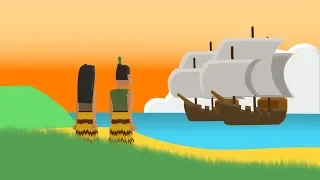
animals were gone but the bush teamed with birds the largest kahikatea trees reached 80 meters into the sky in the sea was full of fish and unfertile this point in history nobody in Algeria needed to use the word Maori to refer to themselves the word Maori literally just means ordinary and no one had even met anybody who didn't meet their description but in 1642 tongue in Tofino ax saw something totally new somewhere near the northern tip of the South Island billowing white sails appeared on the horizon Marty we're about to have the very first encounter
with Europeans and their encounter was not going to end well but that's a story for the next episode [Music] [Music] thanks for joining us on the AL Teodoro history show produced by R&Z and made possible by the R&Z New Zealand on air digital Innovation Fund