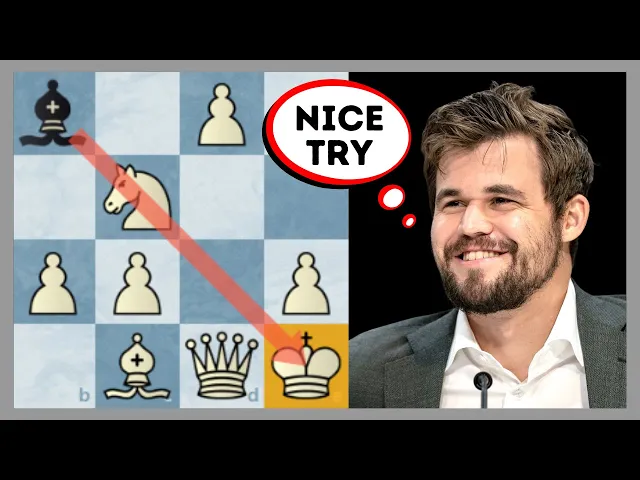
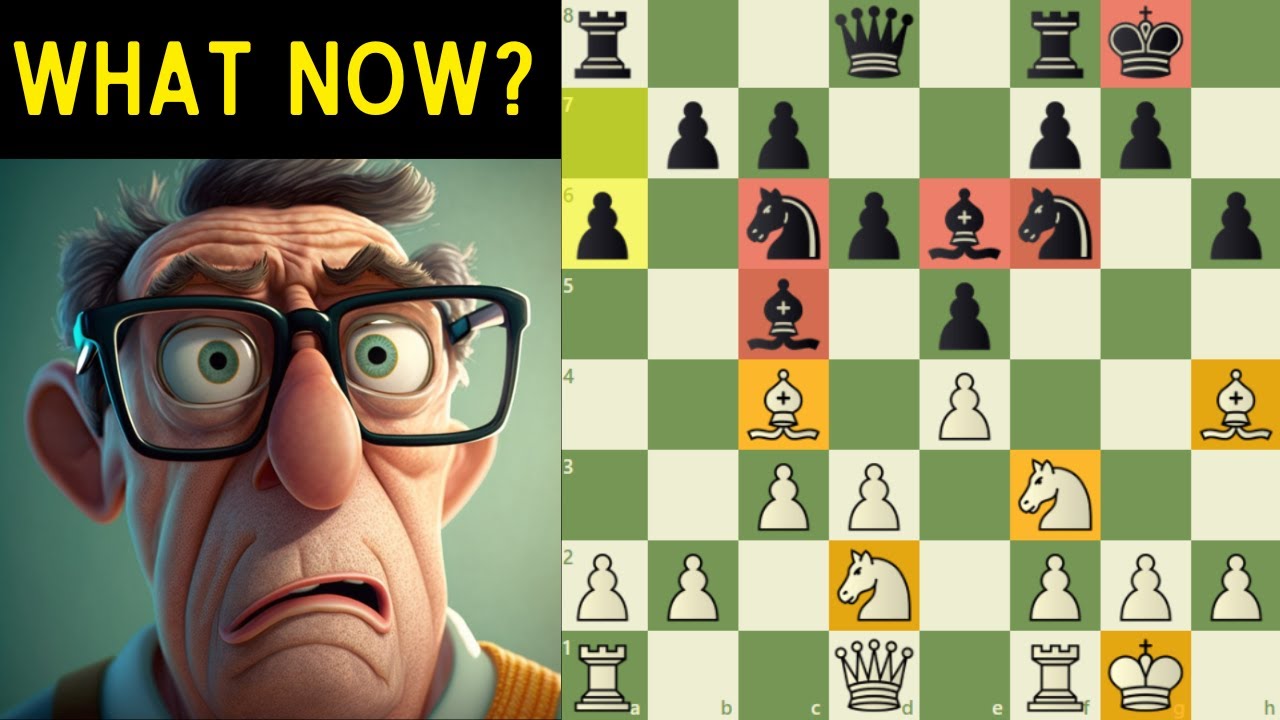
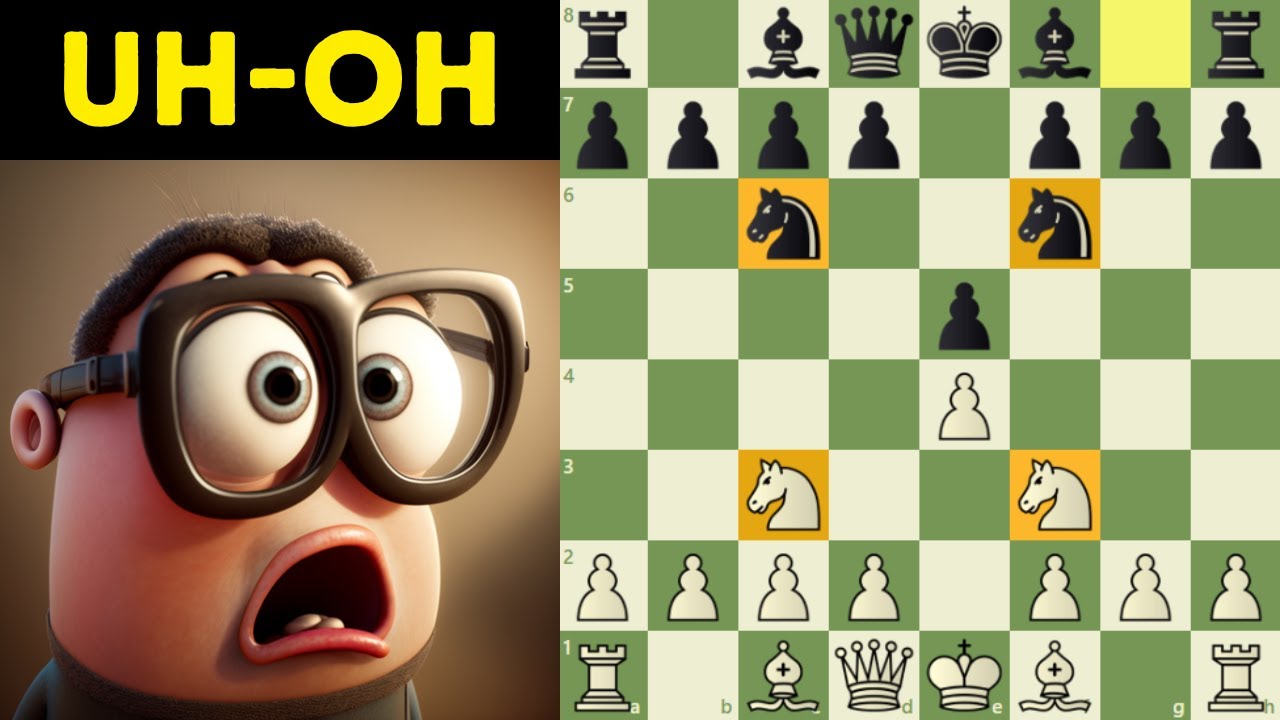
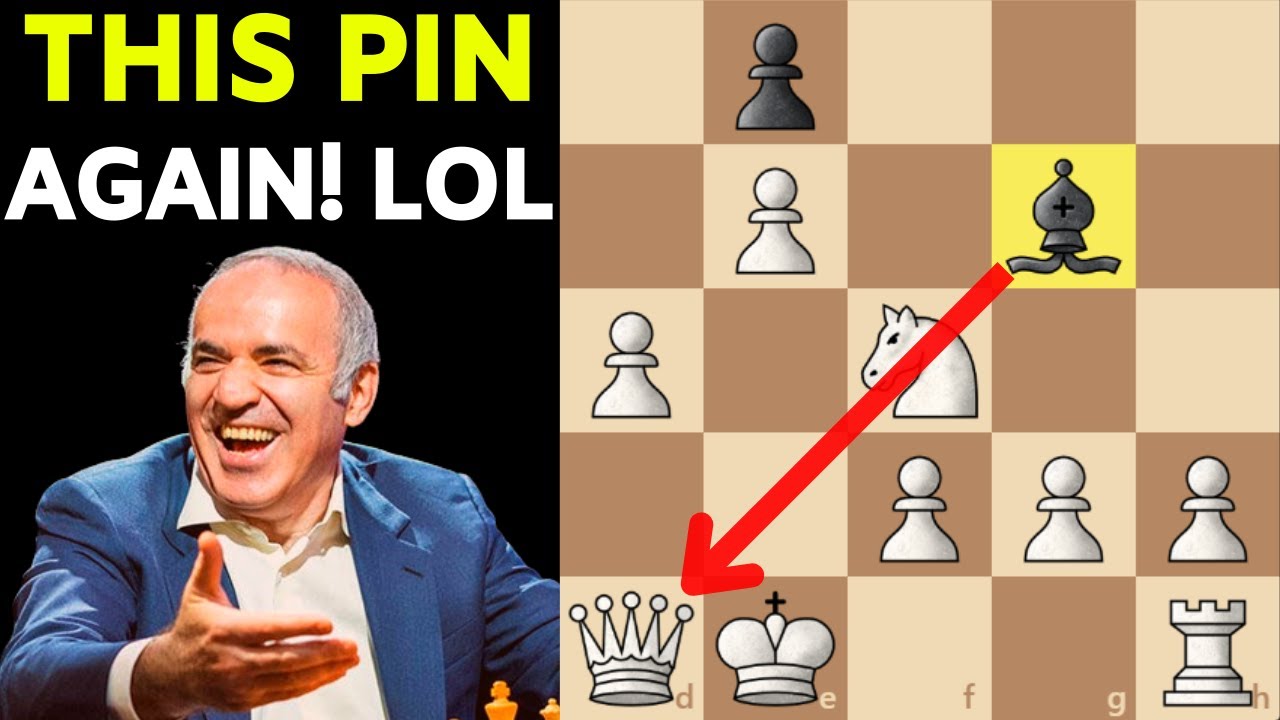
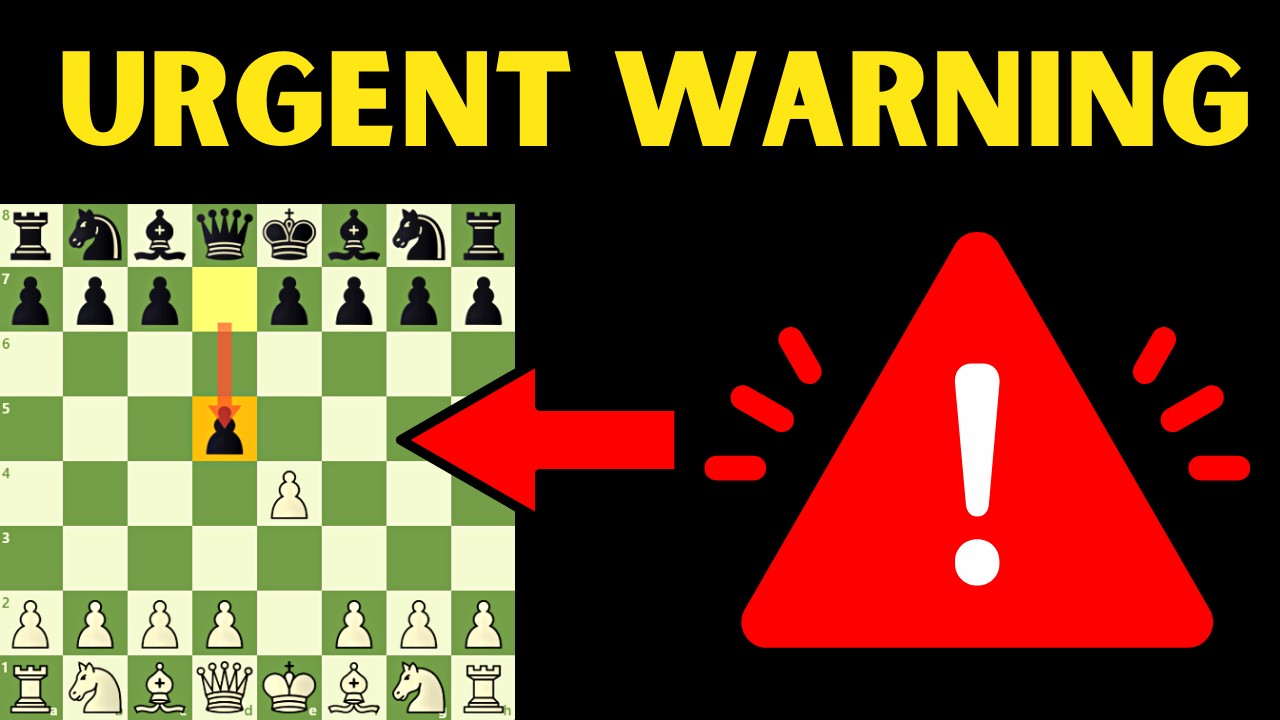
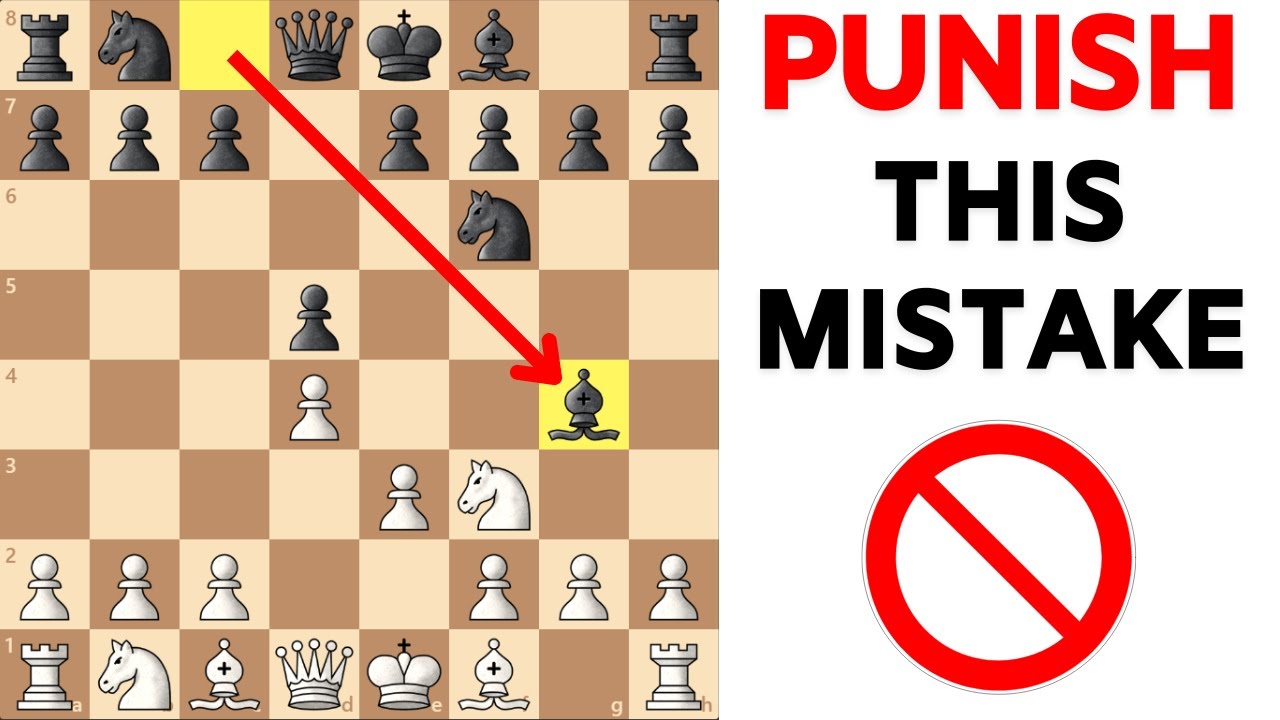
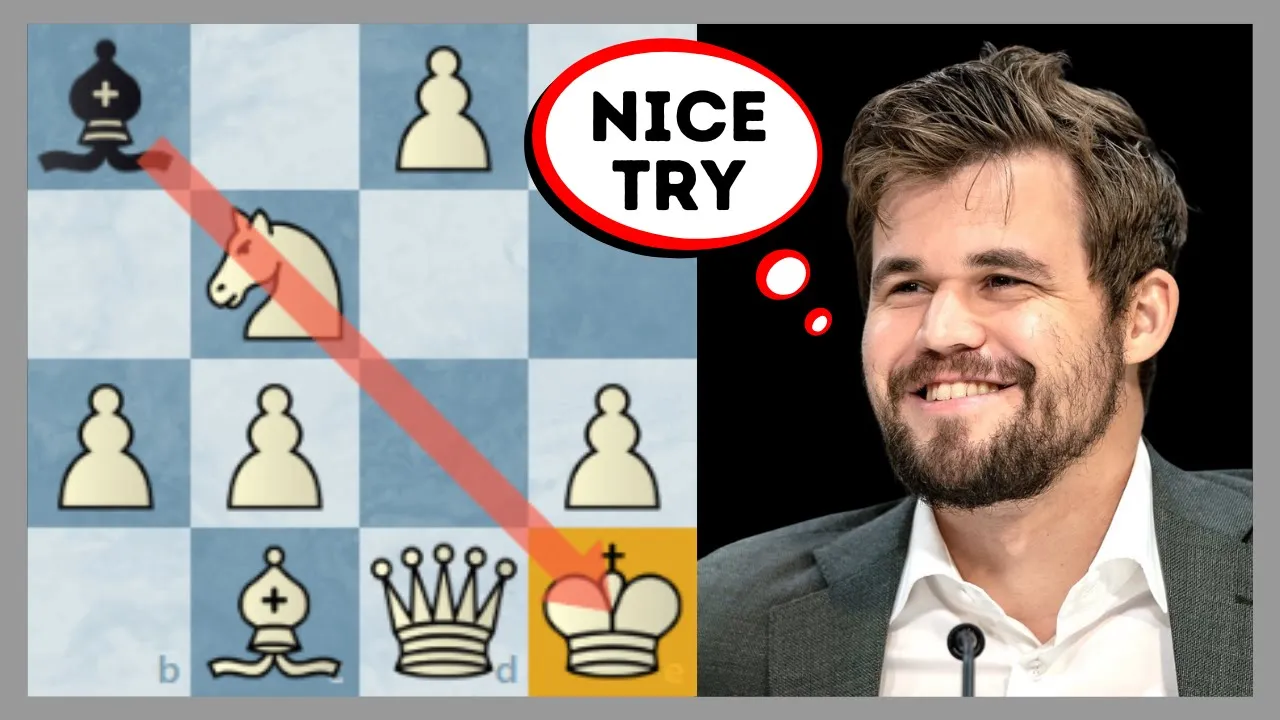
I analyzed thousands of Magnus Carlson's games to see how he responded when somebody pinned his Knight I looked at games from 2010 to 2020 and filtered them out until I had 100 games where there was a pin on one of his Knights it could be a pin like this against the king or it could have been a pin like this against the queen for those Skeptics out there here's a screenshot of my chess based database where I was storing all of these games feel free to pick any random one look it up and you will
see that at some point during that game Magnus Carlson faced a pin against his Knight whenever this happened I recorded the result in my spreadsheet which is what you're looking at right here this column right here is the important one how did Magnus respond when somebody pinned his Knight and what you will find is that there are actually six different ways that he responds to a pin against his Knight but the fascinating thing is that one of those he does more often than all of the rest you can see the chart right here where I
categorize this 55 of the time he responds the exact same way in this video I'm going to show you all six ways that he defends against a pin on his Knight we're gonna look at an example game talk about why he chose that way over another one and I think you guys are going to find this extremely valuable let's get started all right so the first response that we're going to look at here is this red slice this only happened in two out of the 100 games and it's moving his Queen so if that doesn't
make sense let me show you an example Magnus was playing as black and he played a king's Indian type of setup and then at some point in the game let's get to the moment right here his opponent brought this bishop out and pinned his Knight so if he tries to move this Knight he will lose his Queen okay so this is what we're talking about and in this case he decided to play the move Queen to E8 now like I said only two games out of a hundred did he do this but he's essentially sidestepping
the pin now he can move this Knight wherever he wants and he's no longer going to lose his Queen this is somewhat common in the king's Indian setup sometimes you will slide the queen over and so I think that's why he decided to go for that now this is an interesting position and then it does allow the move Knight to B5 which is what his opponent played and he doesn't have to worry about about this Fork so a little bit of an awkward position but maybe that's why this is one of the least common ways
that he responds all right let's go ahead and jump over to the next way right next up we have this purple slice and this happened in three games out of those 100 games but he defended with his Knight so let me show you another example of what this looks like so again Magnus was playing as black and right here we see his opponent plays Bishop to G5 pinning the Knight to the queen and in this case he decides to play the move Knight B to D7 he simply defends that Knight with his other Knight now
this is pretty handy because if white ever at any point in the future captures this Knight for example he can simply recapture with the Knight and you keep control over those Central squares see sometimes when your opponent plays the move Bishop to G5 what they're trying to do is play a move like E4 and they don't want your knight to be controlling that square so they think okay I'll go here get rid of the Knight and then they can much easier much easily and then they can very easily play E4 but by Magnus playing this
he's always going to have the option to recapture with that Knight another thing that's nice about this is Watch What Happens he moves his Queen away so he gets out of the pin so now this Knight can move if it wants to but he doesn't have to worry about doubled pawns because again if white captures he's going to be able to take with the Knight if this Knight wasn't on D7 he'd have to recapture here mess up his Pawn structure and so that can be a reason why you might want to consider defending with the
Knight if we look a little bit further into this game he actually does Recapture with that Knight and the game goes on and it was a pretty nice position for Magnus all right next up we're going to look at the green slice here and this happened in four out of those 100 games and he defended with his Queen so let me show you an example of what that means and by the way I probably should have mentioned this earlier but all the games that I'm showing you are top level games that he played against strong
Grand Masters okay this one was against kramnik former world champion alright so very strong players Magnus is white and here we go right away there's a pin on his Knight this is called the nimso Indian very popular defense as black and one of the ideas behind the nimso Indian is that at some point you're going to trade that Bishop for this Knight let's just take an example you're going to trade it and you're gonna mess up White's Pawn structure okay so what does magnets do in this situation he plays the move Queen to C2 and
he's essentially saying go ahead and take me but I'm not gonna mess up my Pawn structure now I'm going to recapture with the queen right that's kind of the whole point behind defending it with the queen okay four games out of a hundred he decided to go this route it's a very nice option if you are trying to keep your pawns looking nice and pretty and you don't want to play with the doubled pawns okay and you can see this game he actually does Chase the bishop away later and then recaptures with the queen exactly
like I mentioned in his pawns are looking nice all right all right next up we have this yellow slice here which is starting to get to the more popular ways that he defended obviously the blue is the most popular orange is next but yellow did happen in 13 out of 100 games so this is definitely one you want to pay attention to now I'm actually surprised that this one was only number three on the list I thought that this was going to be more popular I really did but the yellow slice is blocking with the
bishop okay so here's an example game and Magnus is black and right at this moment we see the bishop come to G5 pinning the Knight to the queen and he plays the move Bishop to E7 in my opinion this is one of the easiest things to do if you're a beginner to deal with a pin right because most of the time you're gonna have one of your Bishops available you just throw it in front and there's no longer a pin because if you want to move that uh that Knight forward guess what you can do
that in the worst case that would happen here is you just have a trade now in this case you're actually losing a pawn so you probably wouldn't want to do that but you know if something else happens and you need to move it you have the option okay blocks with the bishop 13 games out of 100 this is how Magnus responds and then I believe in this game we are going to see yeah he does jump the Knight forward and takes advantage of this and sometimes there's actually tactics that pop up where you move that
Knight and because you have the battery lined up you can even potentially win a piece or win a pawn or you know something good can happen from that so keep this one in mind blocking with the bishop is another option that you have all right now coming into the orange slice which happened in 23 out of those 100 games he attacked with a flank Pawn now when I say a flank Pawn I'm talking about A3 H3 H6 or A6 okay where he attacks that Bishop so here's an example I actually have two examples of this
one that I want to show you Magnus is playing as white and he finds himself in a pin here and what does he do H3 immediately attacking the bishop and asking black the question what are you going to do right and there's two ways that your opponents could respond usually they will either take or they will Retreat and go back here in this example uh this opponent decided to capture and then Magnus simply takes and this is kind of what you were hoping for a lot of the times when you play H3 you want them
to relieve the tension so you can simply recapture with your queen or whichever piece you have ready and then you you know you go on with the game and you no longer have a pin on your knight okay and the game went on and he had a fine position right but I want to show you one other example so here we go again Magnus is white he plays a crazy move A3 followed by C4 but then we kind of turn into a somewhat of a normal looking position and here we go the pin on the
Knight and again he plays H3 attacking the bishop but this time black says no I'm not going to trade I'm just going to go back and keep the you know the tension and keep the pin and let's see how Magnus responds he trades here he develops a knight and then eventually he plays G4 now a lot of beginners will play this immediately they'll just as soon as the bishop comes there they play H3 and G4 or A3 and B4 but I want you to be cautious because when you do this you are creating weaknesses on
your king side in this case and so if you ever want a castle that's going to be risky right it's going to be risky castling when your king is not going to have the pawns to defend it so make sure you're okay with that when you play the move G4 you have to do it kind of thinking ahead of like okay am I gonna be okay with this game if I don't castle kingside and in this case apparently Magnus was and what you're going to notice is he never castles kingside he he's doing some stuff
on the queen side he's trading some things he's going Pawn hunting but look at this he never castles kingside and a big part of that is because of the weaknesses here right so he was okay playing the game actually decided to attack on the king side uh but I just want you to be aware that is a risk when you are pushing those pawns forward but keep it in the back of your fine it's a very viable way to break the pin all right all right the moment you've been waiting for this giant blue slice
how did Magnus respond 55 of the time and 55 out of those 100 games this is what he did when somebody pinned his Knight are you guys ready he wait for it ignored it he just ignored the pin let me show you three examples of what I'm talking about here's the first example Magnus is white and we get a Queen's Gambit accepted he strikes in the center with E4 and then look look at this black comes with the pin and what does Magnus do does he block with the bishop does he attack it does he
defend it no he just ignores it he takes a pawn he castles even though there's a double attack here he's ignoring it he doesn't care he's just developing quickly he actually sacrifices the pawn black didn't take it but retreated to E7 and if you're wondering why let's take a look at this actually Bishop takes C3 Rook to B1 will happen there's pressure here and this bishop actually has to be careful um that it doesn't get into trouble okay so for example if you Castle Queen to D3 is now attacking the bishop it has to go
back and Knight to G5 and all of a sudden White's getting a nice attack on the king because black decided to go uh Pawn hunting okay and so that's why black in this game decided to go back but the point is he was okay losing a pawn um and just allowing this to happen because you wanted to go for quick development and create other threats okay so I want you guys to remember this you don't always have to react to a pin on your knight there are times when you can ignore it and in fact
that is what Magnus does most often okay let's look at next example alright so here we go Magnus is white again and this pin actually comes later in the game but we're gonna see it here in just a minute wait for it and here we go Bishop to G4 there's the pin on the Knight and what does he do he says I don't I don't really care it doesn't bother me and he continues with what he's trying to do he's developing his piece putting it here opening up this Square for the rook and then when
this cap happens he says I don't care he takes it right he doesn't even worry about this and he allows the capture which actually opens up his King now why did he do that in this scenario well there's a couple of reasons why number one is Black's pieces aren't really coordinated to attack on the king side right now the Queen's on the other side of the board these pieces aren't really set up in an aggressive way and he actually might be considering using this file to attack along the the G file on blacks King right
and so that's sometimes you know it's weakening but it also could be a strength if you're going to use it that way also this Pawn actually supports the center nicely and dominates this Knight on F6 and so again going back to the the idea of he was just focusing on other things right he's creating threats he's you know maybe he's going to use this he's not worried about the double pawns or even defending that pin he just moves on with what he's trying to do okay that's the second example I have one more example of
how he ignores it alright so here's the next game Magnus is black and this pin actually happens very early on in the game and what does he do he doesn't attack it he doesn't block he doesn't defend he just counter attacks he does something else right he just goes on the offensive plays Queen to A5 check he's not even worried about it he is attacking now this move actually indirectly kind of deals with the pin because he's getting out of it by moving the queen but really he's just creating a new threat right he's not
really worried about that he's creating the threat the game goes on and there's no more pin that he's worrying about okay so the big takeaway is that when somebody pins your knight be thinking of how can you go on a counter attack as opposed to oh I gotta defend right not that there's anything wrong with defending but the most common thing that the world or former world champion the arguably the best player in the world does the number one thing is he he just ignores it he counter attacks somehow somewhere else in some different way
okay that's the takeaway I hope you guys appreciate this video I spent a lot of time analyzing this for you go put it into practice let me know how it turns out and I'll see you next time as always stay sharp play smart and take care [Music]