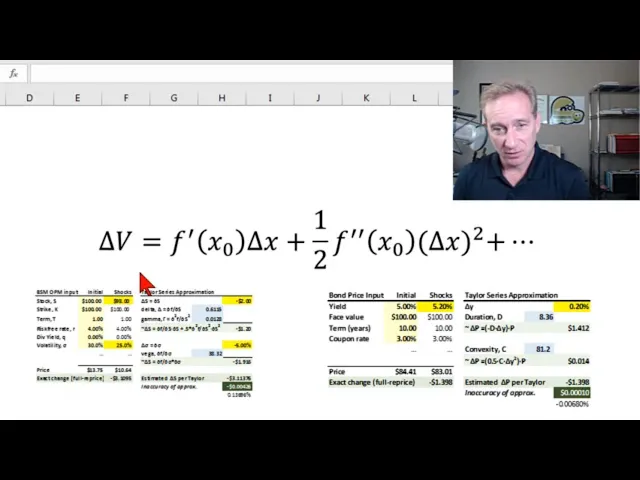
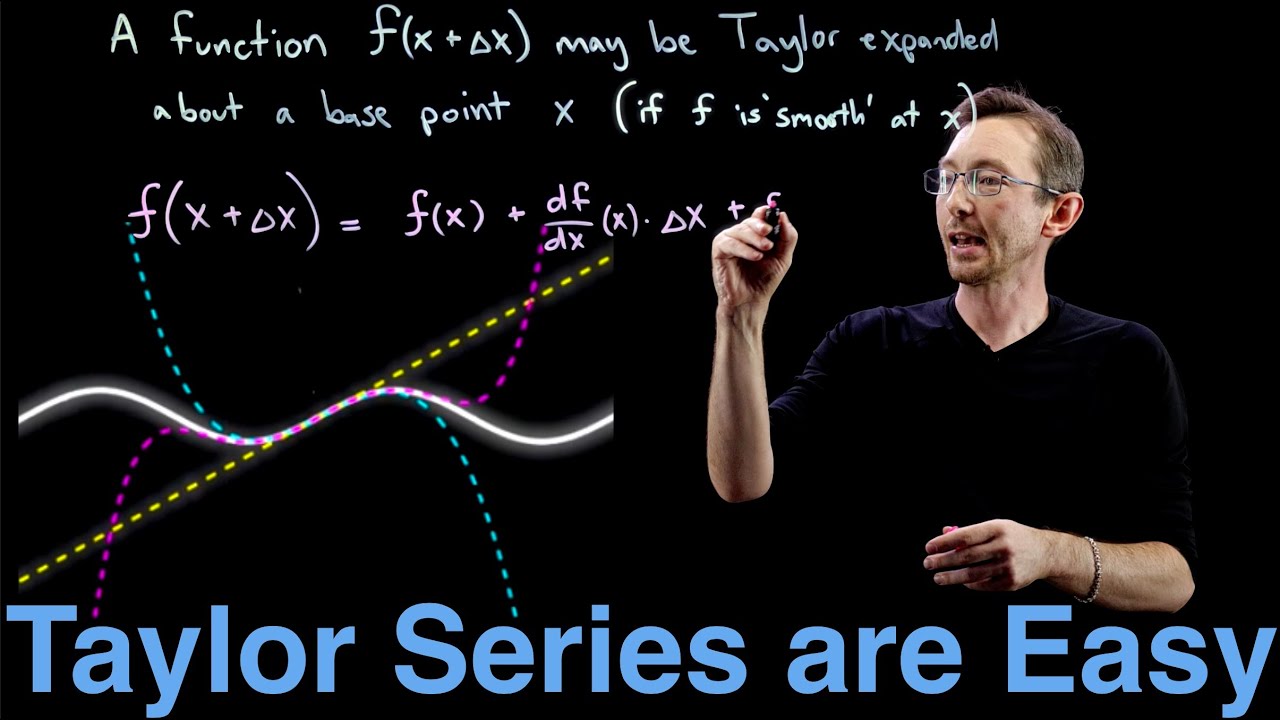
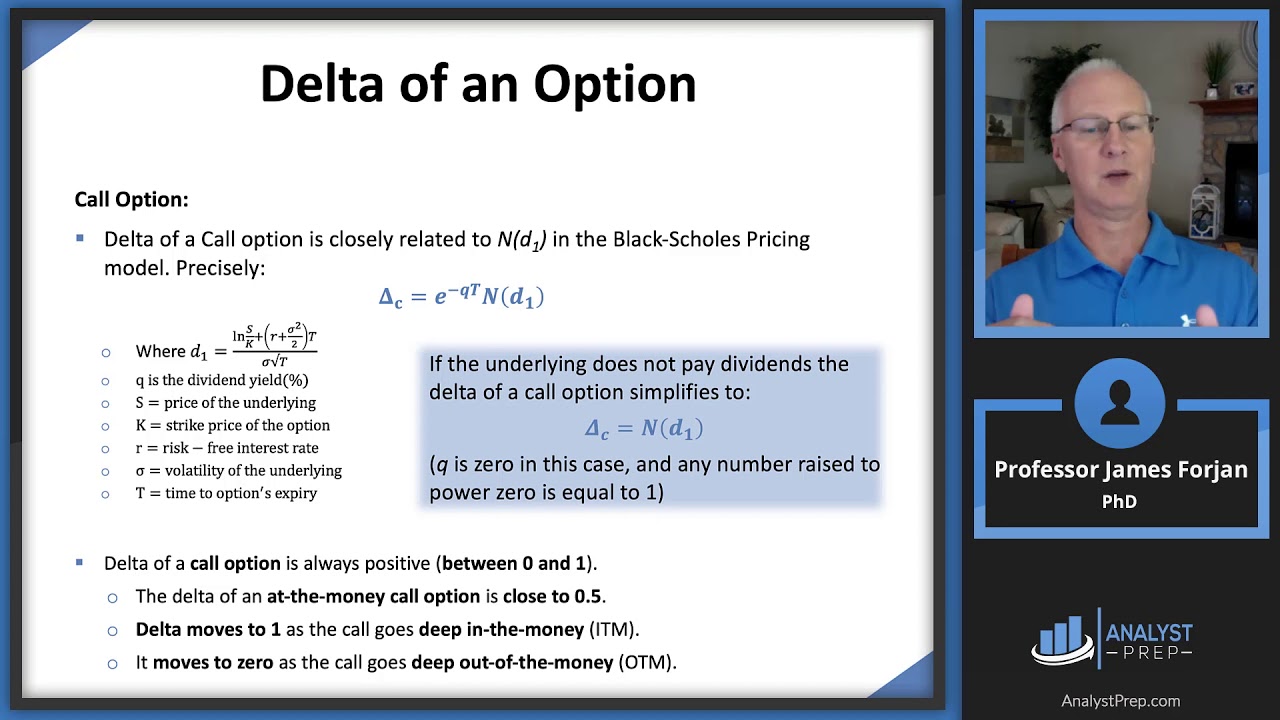
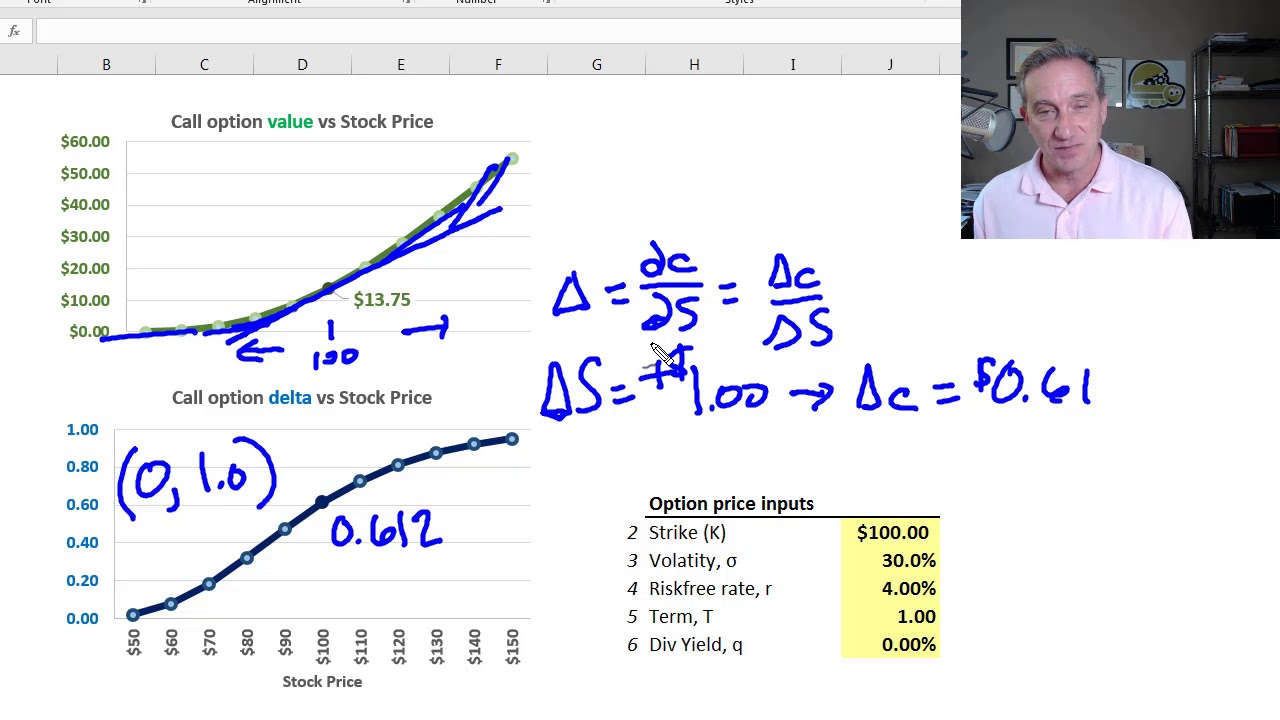
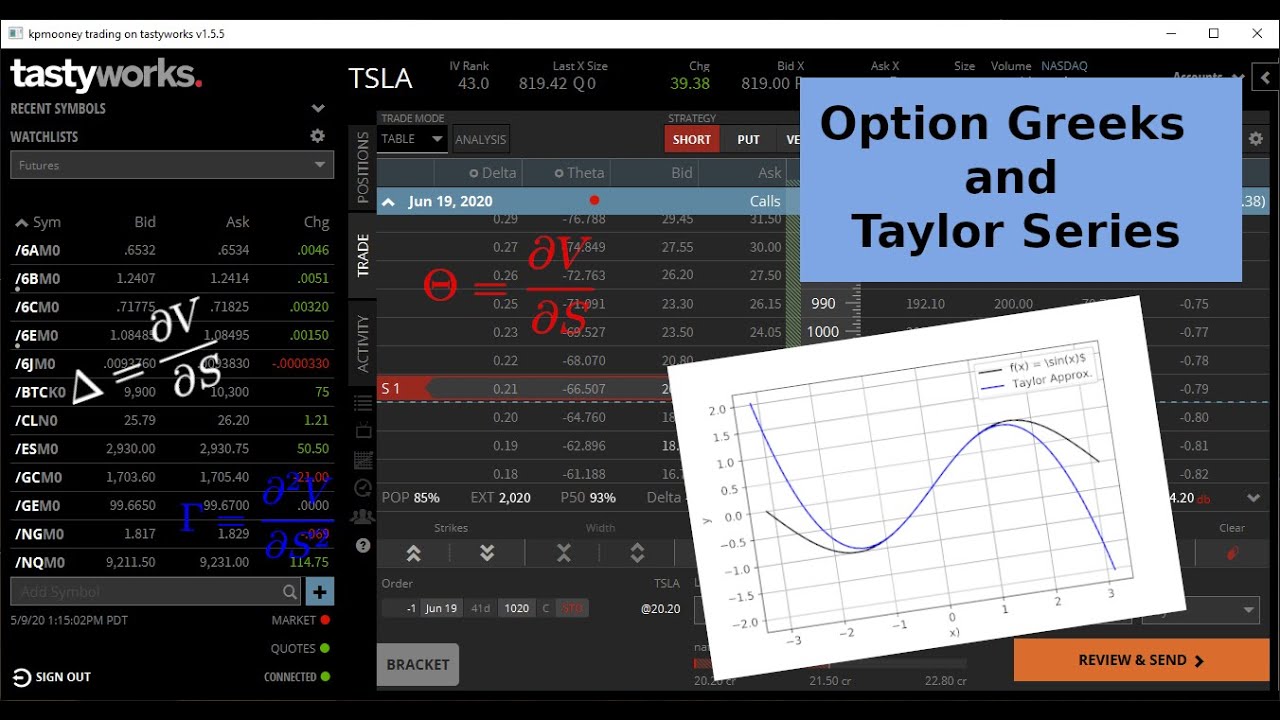
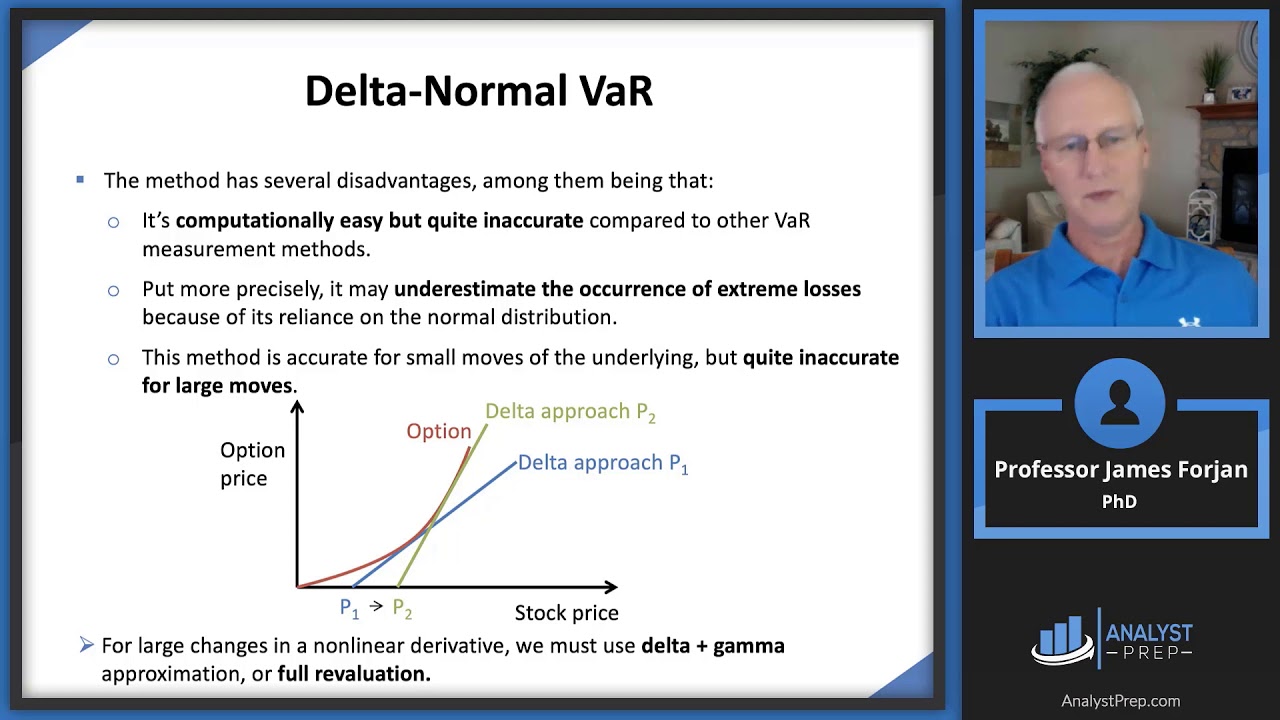
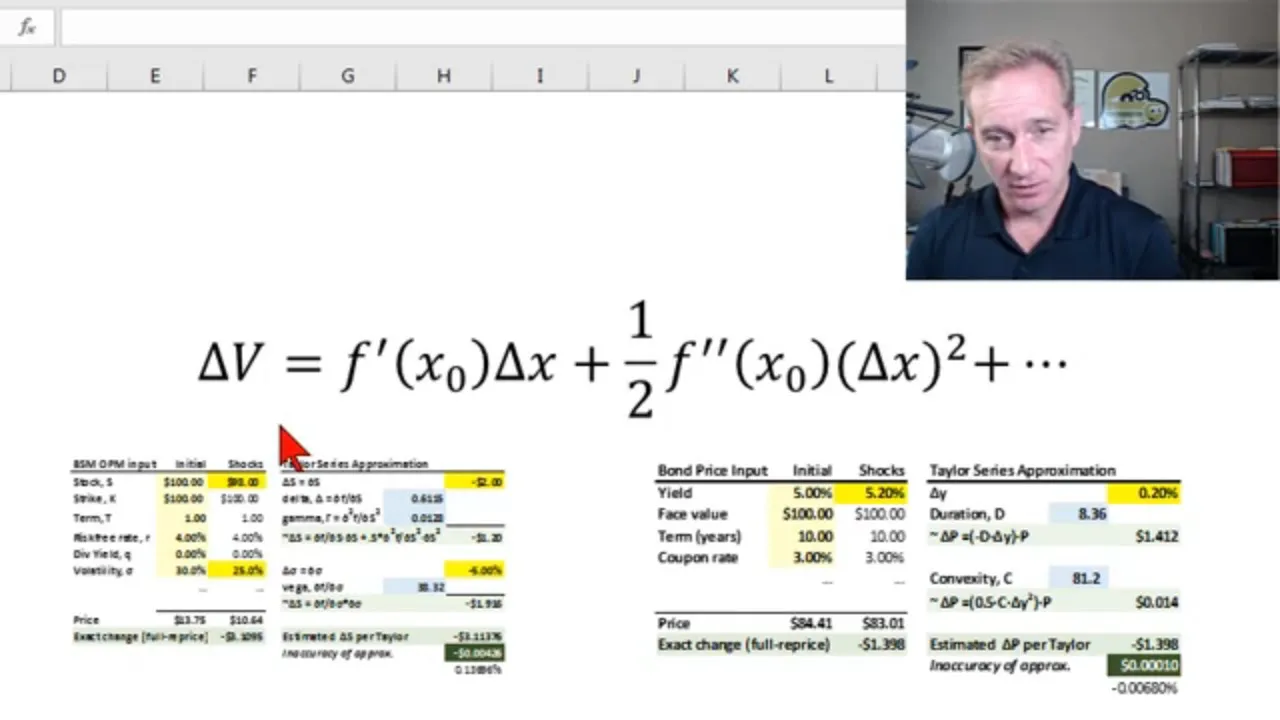
the Taylor series is a beautiful mathematical idea that lets us approximate a smooth function with a polynomial so here I'll show how the same Taylor series is useful to us in two different asset classes an option and also for a bond so in the case of the option we'll use the Taylor series to estimate our exposure on the option as a function of the options Delta and gamma and maybe even Vega so we go from delta normal value at risk to delta gamma normal value at risk and then that same taylor series is a mathematical idea i'll show us using that applied to the bond asset class where we're estimating the exposure on our bond price our bond value to a change in its risk factor the yield as a function of the bonds modified duration but we're going to add the convexity term which is the second term in our truncated Taylor series so here I'm showing a truncated Taylor series by truncated I mean that with additional terms this series technically goes on infinitely although it would just afford us incremental precision that in most cases we don't need we're just gonna pick up the second term here to add some of the nonlinear exposure so in a previous video in this playlist I explained Delta normal var as perhaps the most common non simulation based approach to estimating value risk and I explained that what that means is we have a risk factor that we assume is normally distributed in the case of a stock option the risk factor would be a change in the stock price in the case of a bond the risk factor would be a change in the yield so we'd assume that that yield over a short period of time has a normal distribution and then we estimated our exposure via this transition transmission parameter in the case of an option as Delta and in the case of the bond as duration but in either case these are either functions of or in fact the first partial derivative so this Delta normal approach it's actually using the Taylor series but just the first term right so here we've now gone if we just use the first term we would only have really a polynomial of degree 1 and we would have our linear approximation but now we're adding the second term we're going from a linear to a quadratic and a polynomial of degree 2 and so we're estimating our change in the change in value of our position here as a function of two terms with this first term here is the linear approximation the first partial derivative evaluated at our niche the initial value our risk factor multiplied by the change in the risk factor right so in the case of a bond this would be the yield the first partial derivative which is dollar duration evaluated at the initial yield multiplied by the change in yield if it's a option stock option this is the first partial derivative evaluate at the stock price right that's option delta x the change in stock price so that term is giving us the linear approximation but it's leaving out the nonlinear part of that function and we address most of that gap not all of it because we're not going all the way with the taylor series with the second term here which in the case of the stock option we could call it the gamma term in the case of the bond we can call it the conducts 'ti term and so per the taylor series which is the math the beautiful math not specific to the asset classes that's going to be a one-half here multiplied by the second partial derivative evaluated at the initial value the risk factor multiplied by the change in the risk factor but squared CCE now here we have now it's a quadratic or polynomial of degree two - okay so on the spreadsheet here first I execute or implement that Taylor series approximation for the stock option right a simple case of let's just say it's a single stock option and it's at the money where the underlying stock price is a hundred and the strike price is also 100 so it's and at the money option 1-year term four percent risk-free four percent risk-free rate dividend yield on the interline stock is zero so it's a non dividend paying stock and then finally I've rearranged the typical order to put the volatility here at the bottom a volatility input assumption of 30 percent per annum as usual so on the left just to zoom back before I go into the weeds here all that I'm doing here on the left is pricing this option here and I'm using the black Scholes Merton and if you like download the spreadsheet you can see that those are in collapsed rows here so I'm hiding those or grouping those guess more accurately say grouping I'm grouping the calculation here so that's not my point here but I'm using the black-scholes Merton to price this at the my one-year at the money call option it is a price of $13. 75 and then what I'm doing the next column is I'm just shocking our primary risk factor here the stock price and you can see it's a modest shock I'm saying if what happens if the stock price drops by two dollars down to $98 and this is a very simple case we don't need the Taylor series for this but I'm just illustrating the simple case we don't even need to Taylor series only when it gets more complicated certainly don't eat it here because as I show in the second column all we need to do is reprice the option with the same model and the call option value would be twelve dollars or fifty six cents and you can see the difference there is just shy of a dollar twenty in other words stock price drops by two dollars so the option price drops by a dollar twenty per our exact repricing so we could think of this as a simulation we are fully repricing and so this is this is exactly accurate at least our model is accurate okay so that idea with the Taylor series approximation again not warranted here if the repricing is so simple but more useful when the situation becomes more complex just illustrating the idea over here with the Taylor series approximation what I have here is the change in the risk factor right that's the $2 so that's not really an input I'm just borrowing that directly right that's our risk factor that's the change that's Delta s and now here we've got the options Delta which again borrows from my calculations and you may know that that's ND one standard normal cumulative distribution function and hopefully you also know if you're attending the frm that for a net the money option we expect that to be a little bit above a half so we do expect a value of about point six that's the option Delta and you'll notice I've got that notated here it's also the strict mathematically the first partial derivative change in change in value of the option with respect to a change in the stock price so our Delta normal approach just our Delta normal approach the linear approximation was is very simple right it's a negative $2 change in the stock price multiplied by our option Delta 0. 165 and that would be the Delta normal var we leave it alone now in but in the Delta Gamma or we where we include the second term I've also calculated gamma also here as a function here of some of those option grief mathematical functions it's much lower and gamma option gamma is in fact the second partial derivative with respect to a change in the stock price as noted here and so with the Taylor series approximation you can see now I'm just if you think about this I'm just building on that first term which was the Delta normal and adding that gamma term which follows the Taylor series pattern that we just looked at right so I can actually I'll just go ahead and redo this for my first for my Delta term I'm taking the Delta and multiplying by the change in the risk factor of $2 and now I'm going to add the gamma term so it's 1/2 multiplied by my gamma multiplied by the change in my risk factor but I square it and I get roughly a dollar 20 and I've now incorporated this gamma term and way to think about this is with the if I have a typical plot here of stock price and call option value as you know it's nonlinear however it is a smooth function making it amenable to the Taylor series approximation when we did the Delta normal bar or when we just did Delta normal what we are doing is estimating if our risk factor or stock price drops we're estimating the change per the linear approximation right so just to be really dramatic right if the stock price drops like that down here then our linear approximation you can see doesn't explain a nonlinear exposure so now we're with the gamma term we are filling most of that nonlinear difference here and you may notice that in this gamma term by squaring the negative two it's always going to be a positive adjustment right which visually comports my delt my first term is going to put us on the line and then my gamma justments going to plus us up to get us closer back to the actual nonlinear pricing function and the only other thing I did here just to show that we have other risk factors but we can the Taylor series also we're effectively applying that with when we use Vega so I can add in here an idea of the volatility dropping we're long a call option let's say so our secondary risk factor really is a drop in volatility if my volatility drops by 5% then per my Taylor series approximation I can take that negative 5% drop just as a raw shock multiplied by the Vega Greek option Vega which is the first partial derivative with respect to a change in volatility this time as the risk factor those multiples here give me a term that estimates the change to this option value just as a function of the volatility and I can add it and get my estimate per the Taylor series in this case using three terms right I'm using Delta Gamma and to estimate per the taper the Taylor series approximation and what I did here is I take the difference here and just show you how it's very very accurate even though we've only gone to the second order of the polynomial right as a percentage our are we're only 13 basis points here often in accuracy okay so finally just to show you the application the other classic use case here is to the bond and so a similar pattern my pattern is essentially similar here we have a bond price input assumptions so I'm assuming a bond with a 5 percent yield $100 face value tenure term 3 percent coupon and what I've done is gone straight out and priced it with the Excel present value function I'm assuming this is a yield with semiannual compound frequency corresponding to a coupon that pays semi-annually so the 3 percent is a per annum coupon we always state those in per annum terms but it's paying every six months so in this case it's a dollar 50 every six months the price of that bond is 84 41 again in this super simple case we can use the simulation based approach or fully reprice and if this case we're long the bond our primary at risk factors the yield and our exposure is to an increase in the yield so shocking the yield up by let's say 20 basis points i reprice the bond right no sweat there and I find that the price of the bond drops by almost a dollar 40 okay then the Taylor series approximation again we're taking that same mathematical beautiful mathematical idea and just applying it to a different asset class where the key here is that we still do require though if I think about this visually right and we still here is a yield and there's a price we still do require a quote unquote smooth function and but but you you probably do know that as long as this bond doesn't have them options like a mortgage-backed security which would have negative convexity over here at low yields doesn't really meet our qualifications so we actually don't really have the Taylor series available to us but in a vanilla bond without embedded options we have a smooth function we can use two Taylor series approximation and when we just use the duration again just like in the option we're using the linear approximation we're using the slope of the line this tangent to that price yield that whatever yield but as with the option we're omitting the the nonlinear acts aspect which in the bond context is called convexity right as an analogue to the gamma in the option and so here with Taylor series approximation we're invoking that same pattern change in the yield in this case that's just the shock of plus 20% and I have a duration which is calculated below in the spreadsheet so this is a modified duration if you're curious and then my first term of the Taylor series essentially similar right it's the duration as my sensitivity that's my that's my function of my first partial derivative and we're multiplying it by the shock to the risk factor which of the yield only difference here is that modified duration is actually what we say infected with price so it's a matter of the units the first partial derivative technically speaking is the dollar duration and the dollar duration divides by the price let me just put that out here first partial derivative is actually right if I say valuing that first processor derivative at the yield is actually modified duration times the price and actually negative because it would have a negative slope and so the modified duration actually divides that price and so our duration ends up being in units so we have a bit of a I'm sorry my duration the duration here of 8.
36 is eight point three six years and is therefore infected by price in other words its dollar duration the first derivative divided by price so a long way of explaining that the difference here is we're taking the duration times the change in yield that would give us a percentage which is forget the dollar sign for a second that would actually be a one point seven percent change to the price as a linear approximation and so only difference here is I multiplied by the price to get a dollar based change right per the formula here so now I have a linear estimate of the bond price change given a twenty basis point shock to the yield and it is a little bit above a dollar forty but that's just the linear approximation so I add the second term now that convexity that owes it's again per the pattern here and so I'm again using 0. 5 multiplied by the convexity multiplied by the change in yield but I'm remembering to square it and if I just do that I get a percentage and so I need to multiply that by price to get a dollar amount and then my estimated change in price per that tailor is actually negative this the duration term plus the convexity term and it's negative one dollar 0.