Hello everyone, Today we are going to talk about organs-on-chips, and more specifically the potential biomedical applications of heart-on-a-chip. Heart diseases are one of the leading causes of mortality in the world. Therefore, understanding these diseases and developing new therapeutic treatments is becoming a major challenge in medicine.
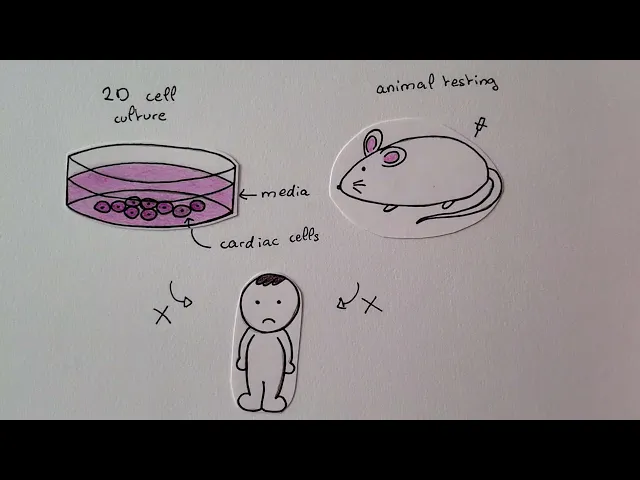
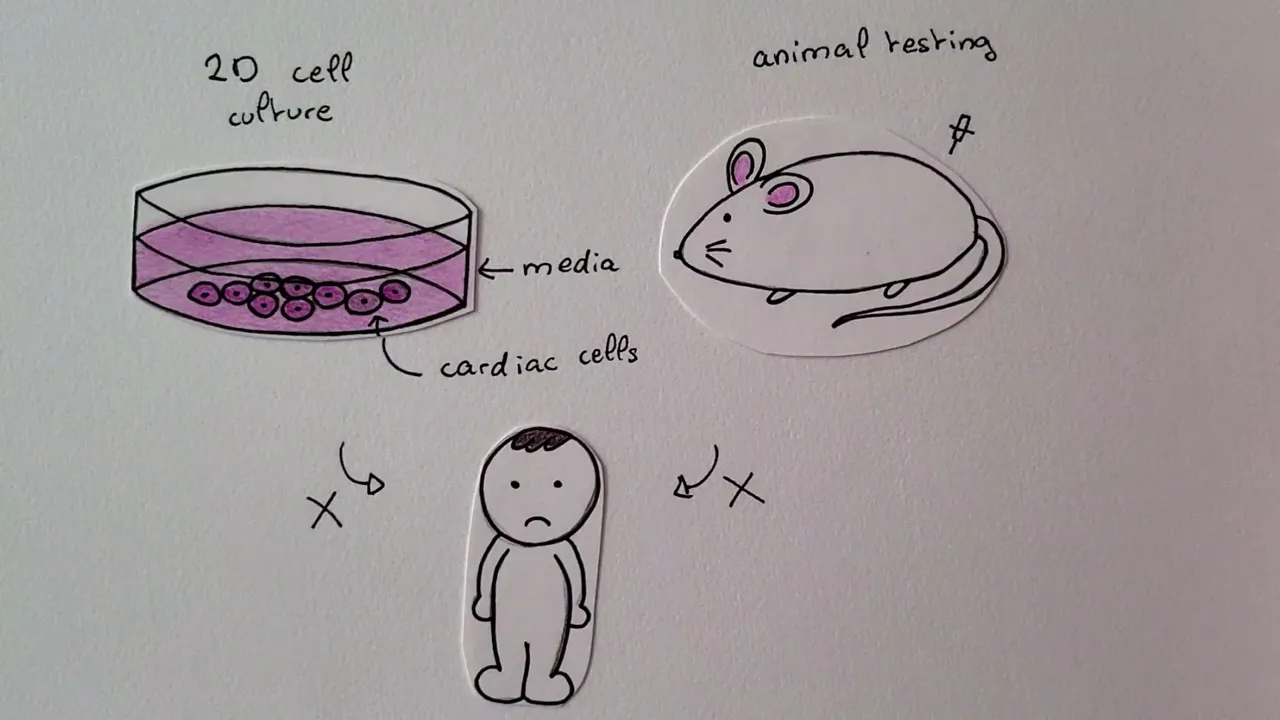
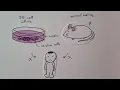
Unfortunately, the usual methods used for biomedicine research - such as 2D in vitro cell culture or in vivo animal testing - are limited. On one hand, cells in 2D cultures behave differently than in a 3D environment provided by the human body. And on the other hand, animal testing are not 100% accurate regarding the human body response.
To counter these issues, a new device has been developed. So let me introduce you the heart-on-a-chip. This device is a 3D in vitro environment that aims to create a biomimetic system to reproduce the physiological functions of the heart.
To create it, we need a microfluidic chip, with PDMS. The chip is made of 2 compartments : a cell culture chamber, and an actuation chamber to apply pressure to the cells. The two chambers are separated by a thin membrane.
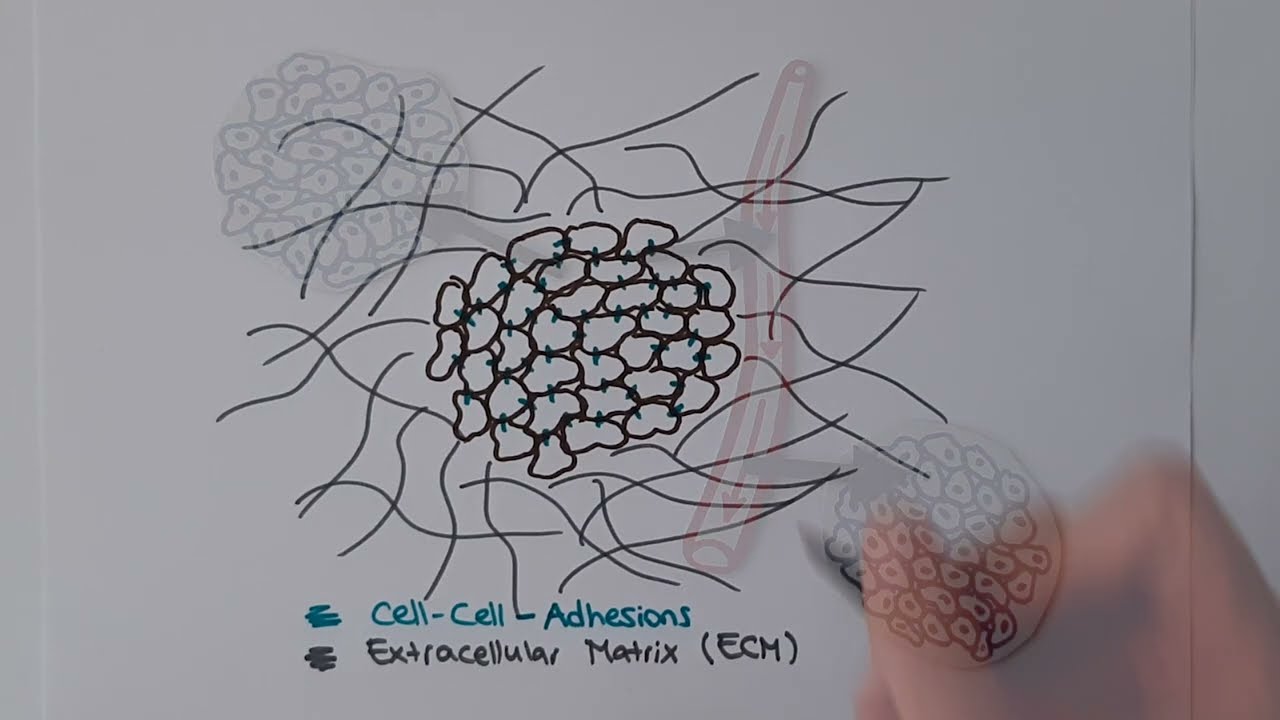
Inside the chip, we have microtissues : here it is cardiomyocytes, the heart cells, cardiac fibroblast for the extracellular matrix, and endothelial cells for the blood vessels. We also need to add micro actuators, for example to send electrical signals or to implement mechanical stimulation to provoke heart beating and pumping. And finally, we also have micro-channels going in and out the chip to provide the cells with nutrients and oxygen.
This heart-in-a-chip technology is a breakthrough for biomedicine research. In spite of the fact that we are still at an early stage, in the future heart-on-chip could become a powerful tool for disease modeling or drug screening. For instance, we could study specific diseases and their impact on the cardiac functions by monitoring the heartbeat, or by observing changes in the biological aspect of the cells.
In addition, it would also be possible to test drugs directly in the device, and therefore evaluate their efficiency or cardiotoxicity.