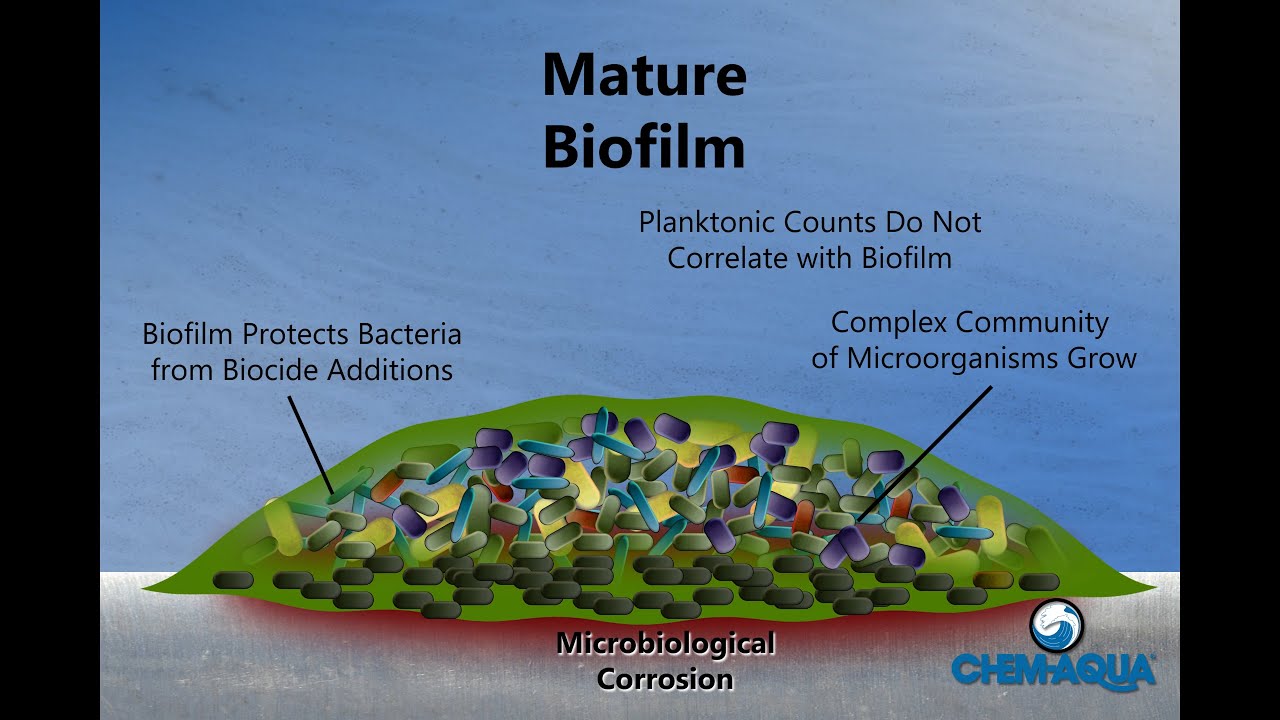
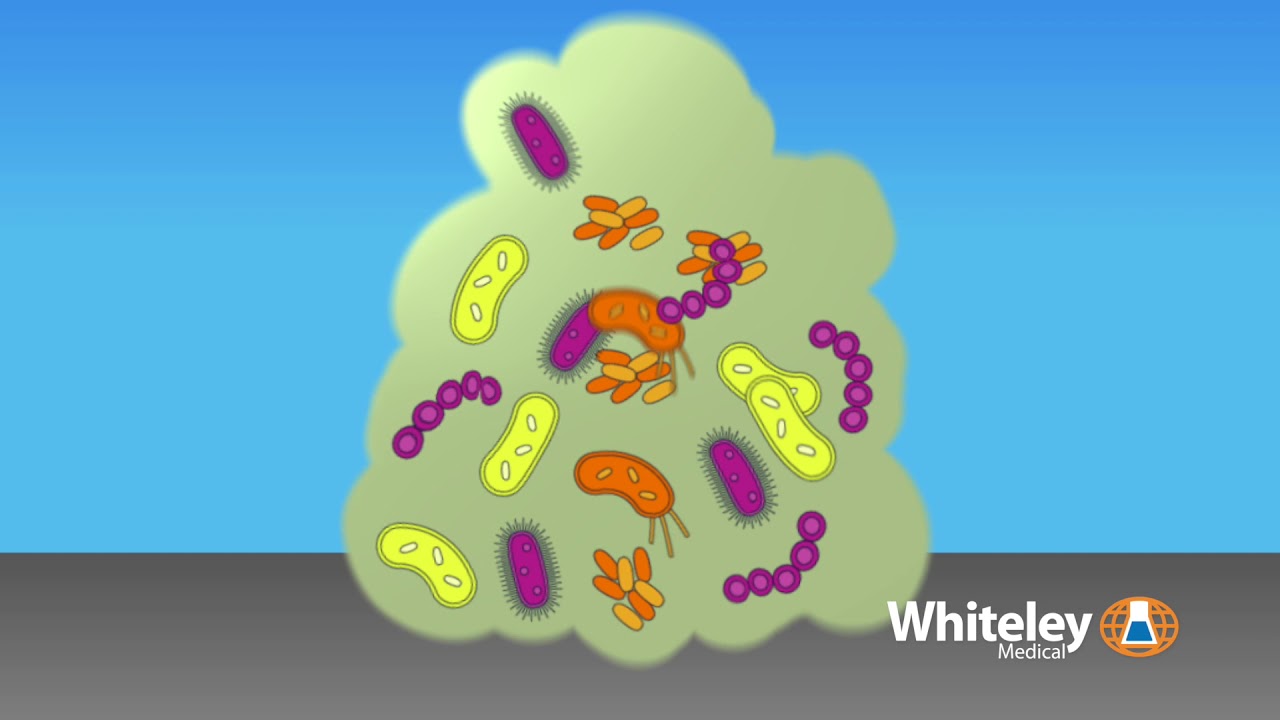
bacteria are typically thought of as unicellular but in nature many if not most bacteria form specialized surface attached communities called biofilms this micrograph depicts a bofilm of bacteria collected from a rock surface in a Yellowstone hot spring even in aquatic environments bacteria are found mainly associated with Sur surfaces plaque is a biofilm that forms on teeth biofilms play critical roles in microbial pathogenesis and Environmental Quality and cost the nation billions of dollars each year in equipment damage product contamination and medical infections most biofilms in nature are consortia of several species but in some situations single
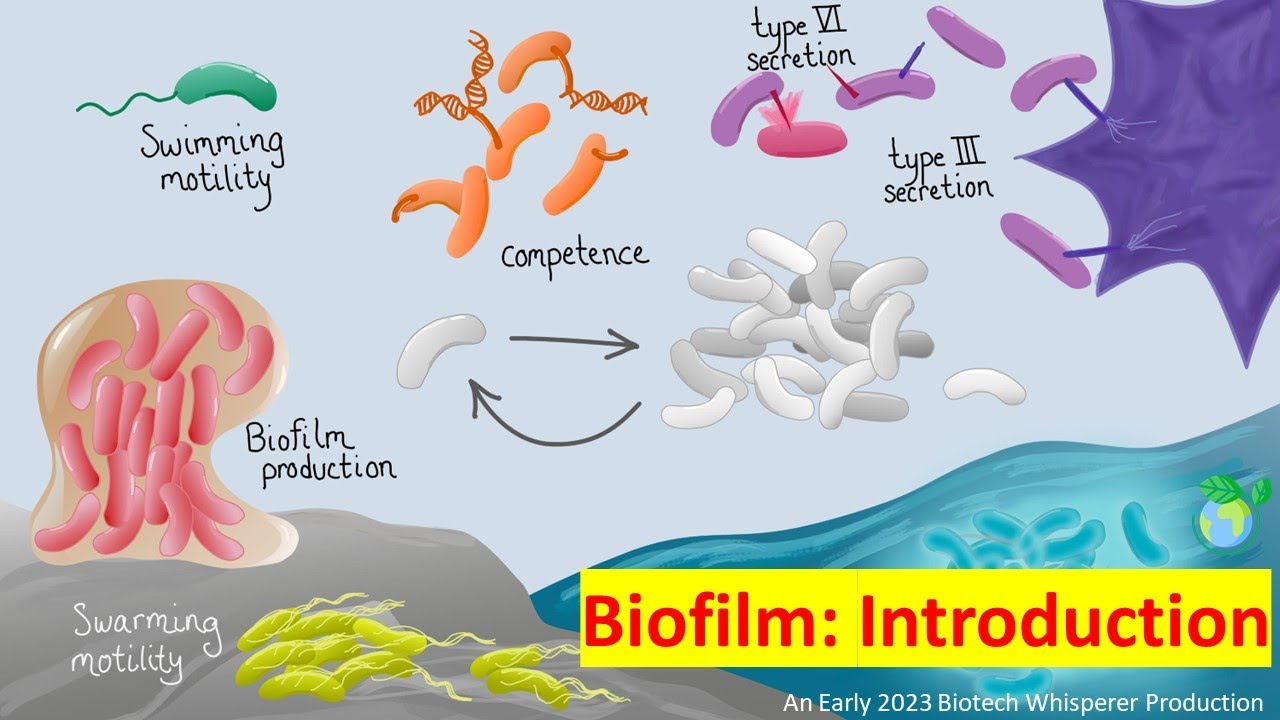
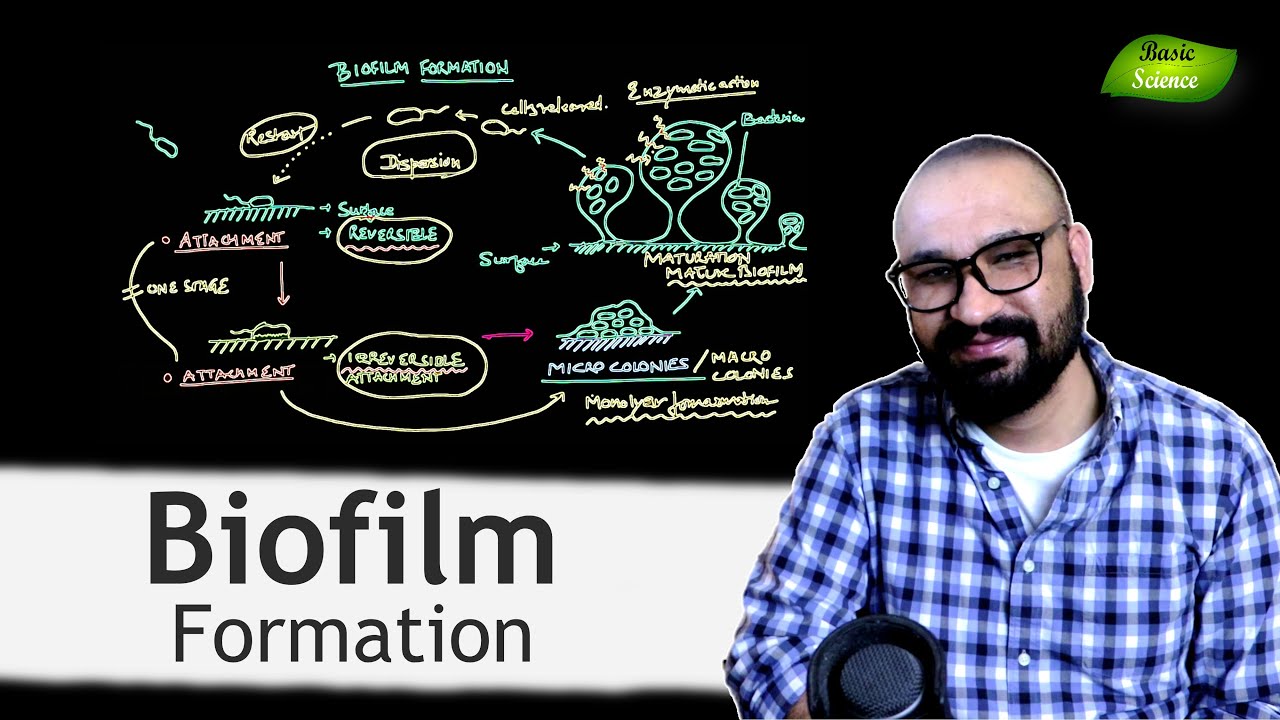
species biofilms can form for example the Ram negative bacterium ponus aeroginosa can form a single species biofilm in the lungs of cystic fibrosis patients single species biofilms are also readily formed in the laboratory the first stage of biofilm formation occurs when a specific environmental signal induces a genetic program in free living plantonic cells in response to the signal the planktonic cells begin to attach to nearby surfaces by means of fella pilli lipopolysaccharides or other cell surface appendages the attached cells begin to coat that surface with an organic monol layer of polysaccharides or glycoproteins to which
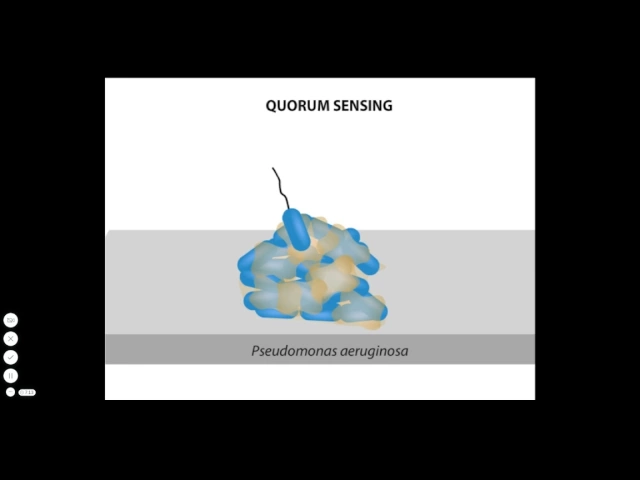
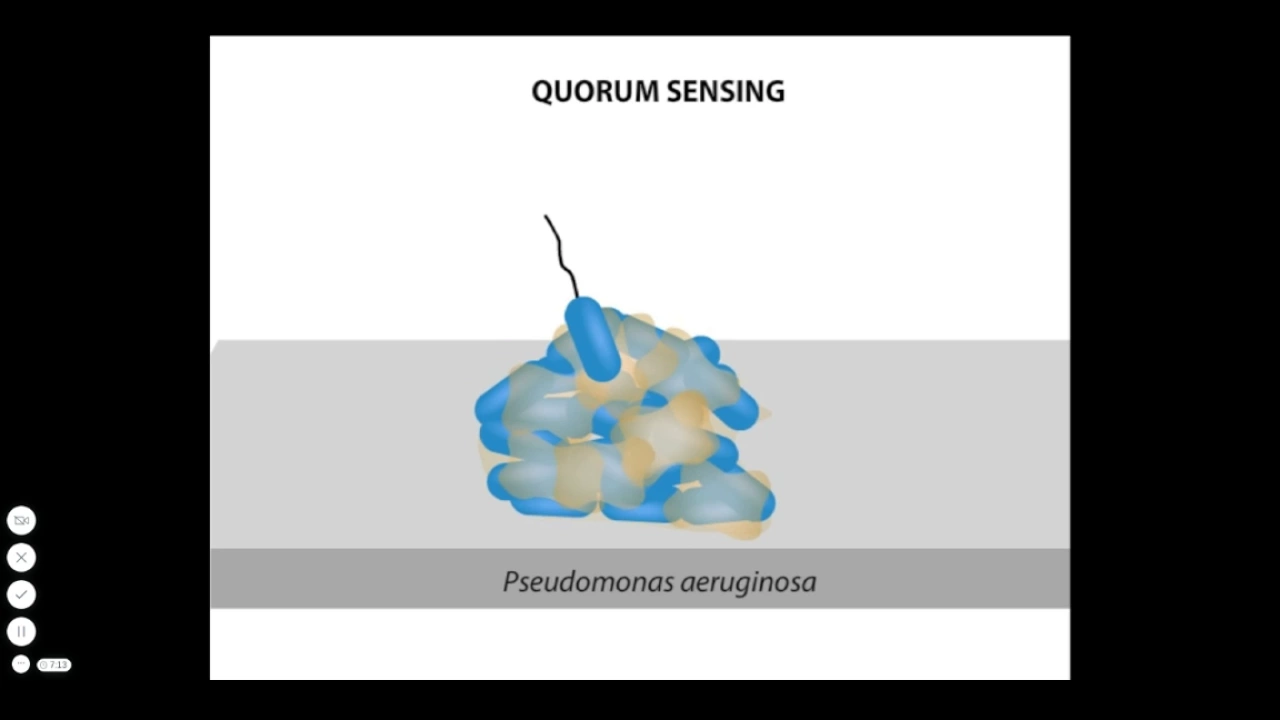
more planktonic cells can attach as the cells enter into bofilm formation they no longer maintain their flagella and instead may move along surfaces using a twitching motility that involves the extension and retraction of a specific type of pillar ultimately they stop moving and firmly attach to the surface as more and more cells bind to the surface and divide they form microc colonies and can begin to communicate with each other by sending and receiving chemical signals in a process called Quorum sensing these chemical signal molecules are continually made and secreted by individual cells once the population
reaches a certain number analogous to an organization Quorum the chemical signal reaches a specific concentration that the cells can sense this concentration triggers genetically regulated changes that cause cells to bind tenaciously to the substrate and to each other chorum sensing May influence the amount of extracellular Matrix produced by the cells this thick slimy material consists of polysaccharide polymers called exopolysaccharides and entrapped organic and inorganic materials The extracellular Matrix protects the cells from damage from environmental assaults Quorum sensing serves the bofilm in many ways such as by increasing the resistance of biofilms to antibiotics Quorum sensing
and pseudomona aeroginosa plays a role in the maturation of the biofilm into complex three-dimensional forms such as columns and streamers forming channels through which nutrients flow s cells in a bofilm chemically talk to each other in order to build microc colonies and keep water channels open biofilms tend to form where nutrients are plti and may begin to dissolve when nutrients become limiting little is known about how a bofilm dissolves although the process is thought to be triggered by starvation ponus aeroginosa produces an enzyme that can strip away the exopolysaccharides cells leaving the bofilm revert to
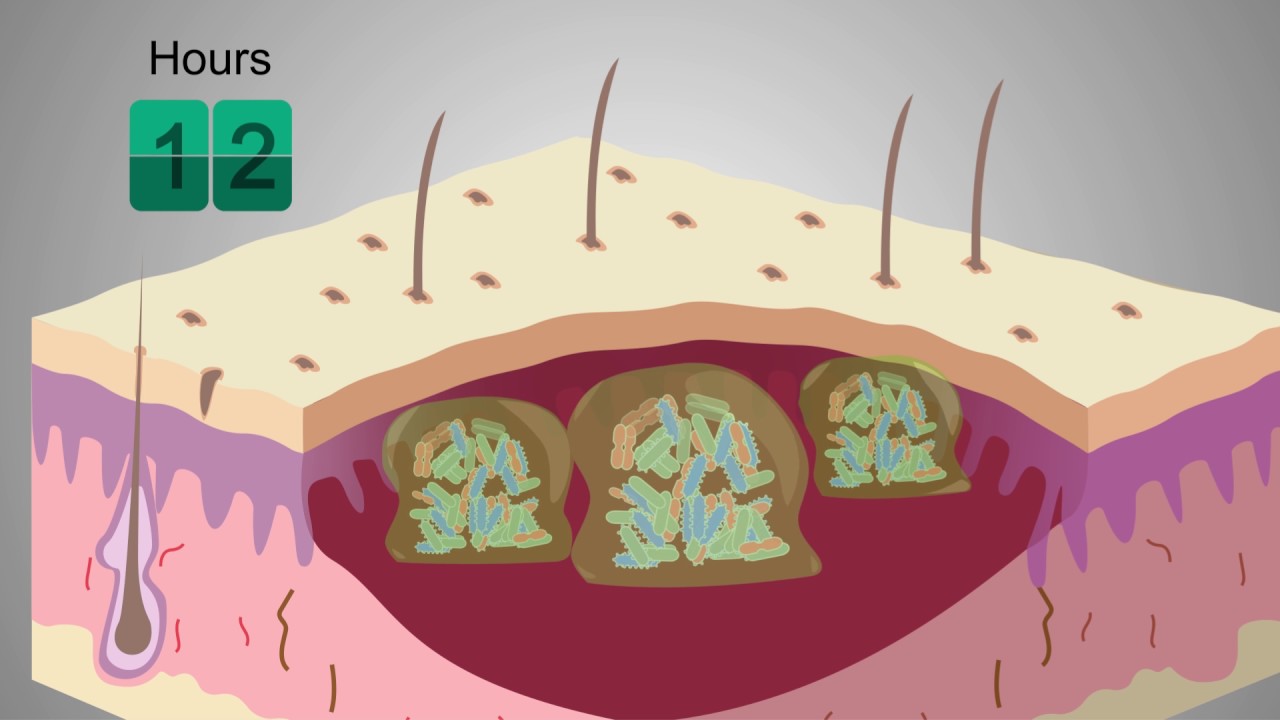
their flagellated planktonic forms and can swim to new locations where nutrients are more plentiful pomonis aeroginosa can be medically devastating it forms biofilms and susceptible individuals such as in the lungs of patients with cystic fibrosis and on medical implants e