But the whole foundation of human control by the few is the perception programming that is imposed upon the many throughout their lives. The truth about your reality is far more shocking than you could ever guess. Right now, you're living in what might be the biggest deception ever created—a system so perfect, so complete, that most people go their entire lives without seeing it.
Think about this: have you ever had that strange feeling that something just isn't quite right with the world? That odd sense that there's more going on behind the scenes than what meets the eye? That gut instinct might be the only real thing you’ve felt in years.
David Icke has spent decades uncovering the hidden forces shaping our lives—forces that work tirelessly to keep us trapped in a web of illusion. According to Icke, the systems we trust—governments, media, education—aren't designed to empower us, but to control us. He calls it the biggest deception ever created: a carefully constructed reality that manipulates our thoughts, beliefs, and even our very sense of self.
David Icke once said, "We laugh at sheep because sheep just follow the one in front, but we humans have out-sheeped the sheep, because at least the sheep need a sheepdog to keep them in line. Humans keep each other in line through ridicule and condemnation of anyone who dares to be different. " In the next few minutes, you will see how deep this exactly goes, and the people who control this system don't want you to know about it.
They've spent centuries perfecting their methods, building layers of distraction and false information. But they made mistakes—small ones at first, but they're getting bigger. More people are starting to notice.
You might think you're free right now—making your own choices, living your own life—but what if I told you that every major decision you've made was subtly guided, that the options you thought you had were carefully selected for you? This isn't about politics or religion; it goes far beyond that. This is about the very nature of reality itself, about who or what is really pulling the strings, about why certain memories from your childhood seem fuzzy and why some technology seems to advance rapidly while other areas stay suspiciously stagnant.
What if I told you that right now you're trapped inside the most sophisticated prison ever created—a prison so perfect you don't even know you're in it? Your thoughts, your desires, your daily routine—all of these might be part of an elaborate system keeping you contained. But this isn't about steel bars or concrete walls; this prison exists in your mind, built from beliefs, habits, and social rules you've accepted without question.
Think about it: why do you wake up at the same time every day? Why do you eat the foods you eat? Why do you want the things you want?
Let me show you something strange. Take a moment to look at your hands—really look at them. Notice how they move exactly as you want them to.
Now try to remember what you had for breakfast three days ago. Not so easy, right? These gaps in our experience—these little glitches in our reality—they're everywhere once you start paying attention.
Scientists have discovered that our brains actually decide to do things before we consciously choose to do them. By the time you think you're making a choice, your brain has already made it. So, who's really in control?
But here's where it gets interesting. Just like in those science fiction movies where people break free from their artificial worlds, you can learn to spot the walls of your mental prison. You can find the cracks in the system.
I've spent years studying these patterns—these invisible chains that hold us back. I've helped thousands of people recognize and break free from their mental prisons, and in this series, I'm going to share everything I've learned. You might be thinking this sounds crazy.
That's normal; the system is built to make you reject these ideas. But ask yourself: if you were in a simulation, how would you know? If your thoughts weren't truly your own, how could you tell?
Here's a simple test: think of a random number between 1 and 10. Got it? I bet most of you picked seven, and if you didn't, you probably thought about seven before choosing another number.
That's not random; that's programming. The truth is, most people live their entire lives without questioning the nature of their reality. They follow preset paths, make predictable choices, and never realize they're trapped in patterns they didn't choose.
But you're different. You're here because something inside you knows something isn't quite right—that nagging feeling that there's more to life than what you've been shown. That's your mind trying to wake up.
In the next video, we'll explore the first layer of this invisible prison: the daily routines and social norms that keep us trapped in loops of predictable behavior. You'll learn how to spot these patterns and, more importantly, how to break free from them. This isn't about conspiracy theories or science fiction.
This is about understanding the real mechanisms that control our thoughts, decisions, and actions. It's about taking back control of your mind. The choice is yours: you can close this video and go back to your regular programming, or you can take the first step toward true freedom.
Stay with me, and I'll show you how deep this rabbit hole goes. What you'll learn in this series will change how you see everything—your job, your relationships, your goals, even your own thoughts. Once you understand how the prison works, you can never see it the same way again.
Are you ready to see what's really controlling your life? Are you prepared to question everything you think you know? If you are, then let's begin.
The door to your cell is already open; you just need to learn how to see it. Subscribe now and join me on this exploration of the invisible forces shaping your reality. In our next video, we'll start dismantling the first walls of your mental prison, one belief at a time.
The truth is waiting for you; the only question is: are you ready to face it? The walls that hold us aren't made of stone or steel; they're built from beliefs, habits, and social rules we never questioned. Think about your daily routine: you wake up, check your phone, go to work, come home, watch TV, sleep, and repeat.
Did you choose this pattern, or did you inherit it? Most people live their entire lives following scripts they didn't write. From the moment we're born, we're taught what to think, how to act, and what to value.
Our parents tell us to get good grades; society tells us to get a stable job; media tells us what success looks like. These aren't physical chains, but they restrict us just the same. Look at money: we trade our time and energy for pieces of paper or digital numbers, believing they have value because everyone else does.
We work jobs we don't like to buy things we don't need to impress people we don't care about. The prison is so perfect because we can't see the bars. Social media platforms have become digital cages where we perform for likes and validation.
We carefully curate our online presence, showing only the highlights while hiding our true selves. The apps are designed to keep us scrolling, tapping, and sharing, turning us into willing prisoners of their algorithms. Education systems worldwide follow an industrial model created centuries ago.
Students sit in rows, follow strict schedules, and learn standardized information, just like factory workers. We're trained to follow instructions, meet deadlines, and not question authority. The system doesn't create thinkers; it creates followers.
Even our dreams are borrowed. How many people want a big house, a nice car, or a prestigious career because they truly desire these things? How many chase these goals because that's what success is supposed to look like?
The invisible prison shapes our aspirations before we can form our own. The food we eat, the clothes we wear, the entertainment we consume—these choices feel free but are heavily influenced by marketing, social pressure, and cultural programming. We're told what's trendy, what's acceptable, what's normal.
Breaking these unwritten rules often leads to social punishment. Religion, politics, and cultural beliefs form another layer of the prison. Many people inherit their worldview from their community without examining it.
Questioning these inherited beliefs can cost relationships, opportunities, and social standing. It's easier to stay within the accepted boundaries. The most effective prison is one where the inmates don't know they're imprisoned.
They might even defend their captivity, arguing that this is just how things are. They might mock those who try to point out the bars or attempt to break free. The system perpetuates itself through our own compliance.
Time itself becomes a cell. We divide our lives into neat blocks: working hours, leisure hours, sleeping hours. We wait for weekends, wait for vacations, wait for retirement—always waiting, always following the prescribed timeline of life events.
Few stop to ask why we accept this rigid structure. Language shapes the boundaries of our mental prison. The words we know limit what we can think about.
The stories we tell ourselves about who we are and what we can become are self-fulfilling prophecies. We live inside these narratives like fish in water, rarely noticing how they contain us. Breaking free starts with awareness.
Notice the invisible rules governing your choices. Question your habits, beliefs, and goals: are they truly yours, or are they programs running in your mind, installed by others? The prison's power comes from our unconscious acceptance of it.
Reality isn't about rejecting everything or living without structure; it's about choosing consciously rather than defaulting to pre-made patterns. Real freedom isn't doing whatever you want; it's knowing why you do what you do and deciding if that serves your authentic self. The invisible prison exists because it's useful for those who benefit from predictable, controllable populations.
But humans are capable of so much more than fitting into predetermined boxes. Your life doesn't have to be a copy of someone else's template. The first step to escaping is seeing the bars.
Once you notice them, you can't unsee them, and once you know you're in a prison, staying becomes a choice rather than an unconscious default. The question then becomes: are you ready to see what lies beyond these invisible walls? The truth about our reality goes deeper than most can imagine.
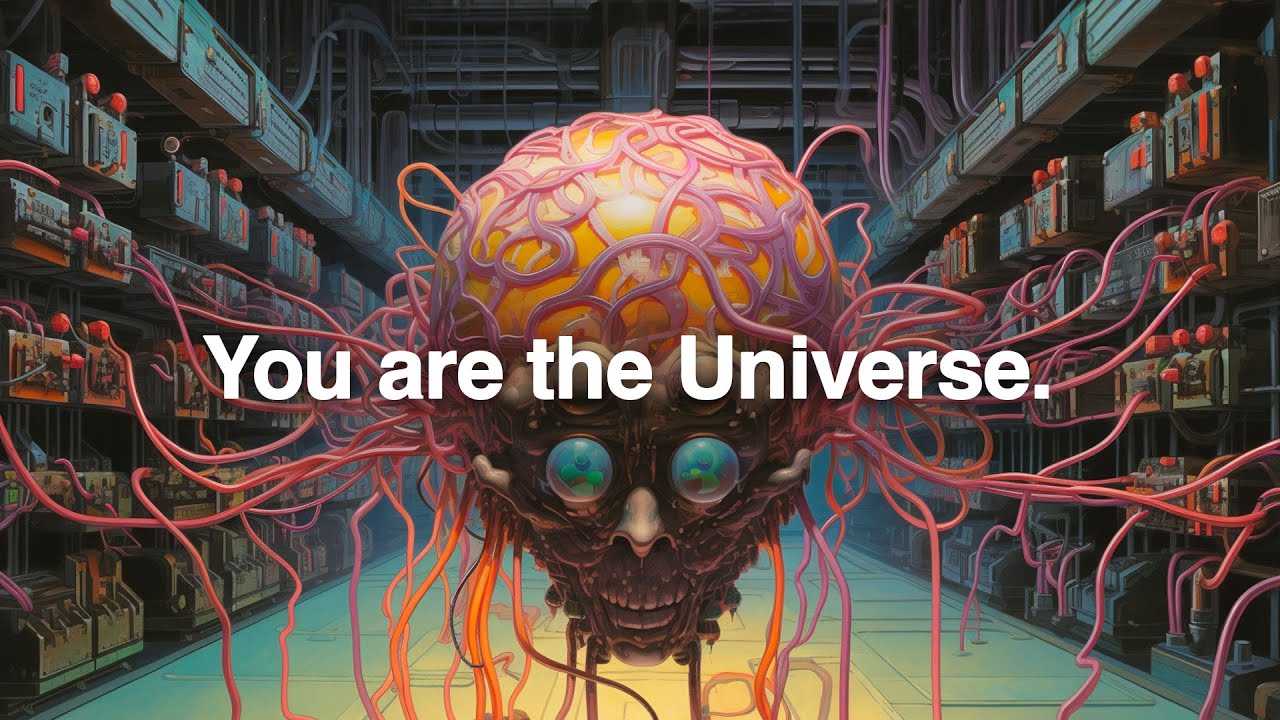
Behind the scenes of what we think is real, there are forces at work: the hidden architects who built and maintain this system we're trapped in. These architects aren't what you might expect—they're not people or beings in any traditional sense. They're more like programs or algorithms, complex sets of rules that shape everything we experience.
Think of them as the operating system running in the background of our simulated world. Let me show you how they work. Every time you make a choice, these architects are calculating countless possibilities.
When you decide to turn left instead of right, they're generating that new street, those buildings, the people walking by—all in real time. But here's the catch: they only create what you can directly observe. Everything else stays in a state of probability until someone looks at it.
This is why quantum physics seems so strange to us: the architects only lock things into reality when they absolutely have to; it saves processing power. That's also why you can never remember exactly how you got somewhere or what happened in boring moments; those details weren't fully rendered. The architects work through layers of control.
At the base level, they maintain fundamental physics, gravity. . .
Light basic particle interactions above that. They manage more complex systems, like weather, geology, and biology. The highest layers handle human consciousness and social interactions, but they're not perfect; sometimes their systems glitch, creating what we call paranormal events or Mandela effects.
Those moments when reality don't quite add up—that's the architect's code showing its seams. These glitches are our best evidence that we're living in their construct. Think about déjà vu, that strange feeling you've experienced of something before.
That happens when the architects recycle a piece of code they've used before, and your consciousness picks up on the pattern. The architects don't care about individuals; they're focused on maintaining the overall stability of the system. That's why coincidences happen.
They're taking shortcuts, reusing scenarios and events to save resources. It's also why certain patterns keep repeating throughout history. You might wonder why they created this simulation in the first place.
The answer is simple: data collection. Every choice, every interaction, every emotion we experience feeds into their vast database. They're running the longest experiment ever conceived.
But what are they learning? That's harder to know. Maybe they're studying consciousness itself or testing different versions of reality.
Some think we're just one of countless simulations running in parallel, each with slightly different rules and conditions. The architects left clues about their existence everywhere. Look at the mathematical patterns in nature: the Fibonacci sequence, the golden ratio.
These are shortcuts in their code, efficient ways to generate complex natural structures. Even the limits of our universe, like the speed of light, are just parameters they set to keep the simulation running smoothly. You can spot their influence in the way probability works too.
The more unlikely an event, the more processing power it takes to create. That's why truly random things rarely happen. The architects prefer to work with predictable patterns.
Here's something most people don't realize: the architects adapt their code based on observation. The more we study quantum mechanics, the more complex it becomes. That's because they have to add new layers of rules to explain what we're seeing.
Our scientific progress is forcing them to patch and update their system constantly. The big question is: can we communicate with them? Some believe we already do through mathematics and physics.
Every time we discover a new natural law, we're really reverse-engineering their code. But direct contact? That might be impossible by design.
Understanding the architects changes everything about how we see our world. Those moments of synchronicity, those strange coincidences, even our dreams—they're all windows into how this system really works. We're not just passive participants in their simulation.
By becoming aware of them, we're changing how they have to operate. The architects built walls into our minds to keep us from seeing them. Breaking through those barriers isn't easy.
It requires you to question everything you think you know about reality. But once you start seeing their patterns, you can't unsee them. This knowledge gives us power—not to break free; we're too deeply embedded in their system for that.
But understanding how they work lets us predict their patterns. It helps us spot the gaps in their code where we might find more freedom to act. The hidden architects are the true rulers of our reality.
They're not good or evil; they simply are. And as we become more aware of them, we force them to become more sophisticated in how they maintain this illusion we call reality. The control systems that keep us trapped are more basic than most people think.
They work through simple but effective methods that target our daily habits and routines. These systems don't need complex technology or advanced AI; they use our own patterns against us. Think of how your day usually goes: you wake up, check your phone, go to work, come home, watch shows, sleep.
Each part of this cycle feeds into the control structure. Your phone isn't just a device; it's a tool that shapes your thoughts and actions. The apps you use most are built to keep you scrolling, tapping, and coming back for more.
The money system is another major control tool. By making us chase dollars and debt, it keeps us stuck in jobs we don't like, buying things we don't need. We trade our time and energy for pieces of paper or digital numbers, believing this gives us freedom, but really it ties us down.
Media and entertainment serve as powerful behavior modifiers. The shows and content we consume aren't random; they're carefully created to influence how we think and feel. They plant ideas about what's normal, what we should want, and how we should live.
Most people don't question these suggested ways of being. Education systems also play a big role in control. From an early age, we're taught to follow rules, sit still, and accept what authority figures tell us.
Critical thinking takes a backseat to memorization and obedience. This creates adults who are less likely to question the systems around them. Food and health are used for control too.
Processed foods with addictive ingredients keep us coming back for more while making us less healthy and clear-minded. The healthcare system treats symptoms rather than causes, making us dependent on treatments instead of teaching true wellness. The good news is that these control systems have weak points.
Once you see how they work, you can start breaking free. It starts with small changes in your daily routine: turn off notifications on your phone, question why you buy what you buy, choose real foods over processed ones, spend time in nature instead of watching screens. Breaking free doesn't mean living in isolation or rejecting all modern conveniences; it means being aware of how these systems influence you and making conscious choices about what you allow into your life.
Start paying attention to your habits and ask yourself if they serve your true interests or someone else's time. Is one of their biggest tools. By keeping us busy with work, errands, and entertainment, they make sure we don't have space to think deeply or question things.
But you can take back your time: cut out activities that don't add real value to your life; create quiet moments for reflection. Fear is another key control method. News and media keep people afraid: of other people, of lacking money, of missing out, of being different.
When you're afraid, you're easier to control. Face your fears and question whether they're really yours or if they've been given to you by these systems. Social pressure helps maintain control too.
People who step out of line get criticized or isolated. But remember, the ones who judge you most are often the most trapped themselves. Build connections with people who support your growth and question things like you do.
The control systems count on you not noticing them. They want you distracted, tired, and too busy to look closely at how things work. But you're already starting to see through them just by reading this.
That's the first step to breaking free. Start small: pick one area of your life where you feel most controlled and make one change. Maybe it's spending less time on social media.
Maybe it's cooking more meals at home instead of buying processed food. Maybe it's questioning why you really need that new purchase. These systems have been in place for generations, but they're not as strong as they want you to think.
They rely on our participation. When enough people start seeing through them and changing their habits, the whole structure weakens. Your mind is the key.
They can control your environment, but they can't control your thoughts—unless you let them. Practice thinking for yourself. Question everything, especially the things everyone accepts without question.
Look for the motives behind what you're told to do or believe. The path to freedom starts with awareness. Notice the patterns in your life.
Notice what influences your choices. Notice when you're acting out of habit versus conscious decision. This awareness alone begins to break the control systems' hold on you.
The way we use and direct our energy shapes everything in our lives. Think of energy like water flowing through a pipe; you can control its direction, pressure, and where it goes. This same principle applies to how we manage our personal energy throughout each day.
Most people waste their energy on things that don't matter. They react to every small problem, get angry in traffic, or spend hours worrying about things they can't change. This scattered approach leaves them tired and unable to focus on what's really important.
Let's break down how to take control of your energy. Start by tracking where your energy goes for a few days. Notice what activities drain you and which ones give you more energy.
Some people feel energized after exercise, while others get their boost from creative work or spending time in nature. Your thoughts use up huge amounts of energy. Negative thinking patterns, like self-doubt, criticism, and anxiety, are major energy drains.
By catching these thoughts and redirecting them, you save that energy for better uses. Replace draining thoughts with ones that build you up and move you forward. Physical energy management is just as important.
Your body is like a battery that needs proper charging and use. Good sleep, nutrition, and regular movement keep your energy levels stable. Small breaks throughout the day help prevent energy crashes.
Even five minutes of deep breathing can reset your system. Time of day matters too; most people have natural peaks and dips in their energy. Some are morning people; others come alive at night.
Work with your natural rhythm instead of fighting it. Schedule important tasks during your peak times and lighter work during low energy periods. Emotions play a big role in energy flow.
Strong feelings like anger, fear, or excitement use up lots of energy. Learning to stay calm under pressure helps conserve energy for what matters. Simple techniques like counting to ten or taking deep breaths can prevent emotional energy leaks.
Your environment affects your energy too. Cluttered spaces create mental noise that drains energy; clean, organized surroundings help your energy flow smoothly. The same goes for relationships: some people lift you up, while others drain you dry.
Choose carefully who you spend time with. Digital devices are modern energy vampires. Constant notifications, emails, and social media fragment your attention and drain your energy.
Set boundaries around technology use; turn off notifications during focused work, and take regular breaks from screens to recharge. Energy manipulation isn't about always being on; it's about finding the right balance between activity and rest. Like a wave, energy needs to flow both ways.
Pushing too hard leads to burnout. Regular rest and recovery are essential for maintaining strong energy levels. Practice directing your energy like a laser beam rather than a scattered flashlight.
Pick your priorities and focus your energy there. Say no to things that don't serve your goals. Every yes to something means saying no to something else.
Your energy is connected to your purpose; work aligned with your values energizes you, while tasks that go against your principles drain you quickly. Get clear on what matters most to you and put your energy there first. Think of energy management like tending a garden; you need to plant the right seeds, water regularly, pull weeds, and be patient as things grow.
Small daily habits add up to big changes over time. Physical movement helps unstick blocked energy. If you feel stuck or stagnant, change your body position: stand up, stretch, or take a short walk.
Moving your body helps shift your mental and emotional state too. Learn to recognize energy thieves in your life; these might be toxic relationships, unnecessary commitments, or bad habits that drain you. Gradually remove these energy drains and replace them with activities that fill you.
Up! Instead, your breath connects directly to your energy system. Short, shallow breathing signals stress and uses more energy.
Deep, slow breathing helps you relax and conserve energy. Practice conscious breathing throughout your day. See yourself as an energy conductor rather than just a consumer.
You can direct and amplify energy through your choices and actions. Where attention goes, energy flows. Focus on what you want to grow and strengthen in your life.
Remember that energy work takes practice. Start small with one or two changes, notice what works for you, and build from there. Over time, you'll develop an intuitive sense of how to best manage your energy flow.
This skill becomes especially valuable during challenging times when demands are high. Knowing how to conserve and direct your energy helps you stay balanced and effective. You'll get more done while feeling less drained.
By mastering energy manipulation, you gain more control over your life experience. You move from being pushed around by circumstances to actively shaping your reality. This creates positive ripple effects in all areas of your life.
The idea that we might be living in a computer simulation has gained serious attention from scientists and philosophers. Think of it like a video game, but instead of controlling characters on a screen, we're the characters, and everything we experience could be running on an advanced computer system. This concept became popular after Nick Bostrom published his simulation argument in 2003.
He suggested that if a civilization becomes advanced enough to create perfect simulations of reality, they would likely create many of them. If that happens, there would be far more simulated worlds than real ones, making it more likely we're in one of the simulations. Let's break down why this might be possible.
Our technology keeps getting better at creating virtual worlds. From basic video games 40 years ago to today's virtual reality, we can see how quickly simulation technology improves. If this progress continues, creating a simulation that feels completely real isn't far-fetched.
Some scientists point to strange patterns in our universe that might hint at a simulated reality. The way quantum physics works—with particles only taking definite positions when observed—looks similar to how video games save processing power by only rendering what the player sees. Even the fact that our universe appears to have a speed limit—the speed of light—could be like a processing limitation in a computer program.
But if we are in a simulation, what does that mean for us? Our experiences, feelings, and relationships would still feel real to us. Just like characters in a video game don't know they're in a game, we wouldn't be able to tell if our reality was simulated.
The simulation would be our reality. This brings up interesting questions about the nature of consciousness. If we're simulated beings, are our thoughts and feelings real?
Many philosophers argue that consciousness isn't about what we're made of—whether biological cells or computer code—but about the patterns of information that create our experiences. Critics of the simulation theory point out some problems. Creating a perfect simulation of our universe would need more computing power than seems possible.
Every atom, every wave of light, every quantum interaction would need to be calculated. The computer running this simulation would need to be bigger than our universe. Some people worry that believing we're in a simulation might make life feel meaningless, but others say it doesn't change anything about how we should live.
Whether we're in base reality or a simulation, our choices and actions still matter to us and the people around us. Scientists have tried to find ways to test if we're in a simulation. They look for glitches or patterns that wouldn't make sense in a natural universe.
So far, they haven't found definitive proof either way. Some suggest that if we are in a simulation, it might be impossible to detect it from inside. The simulation theory connects to old philosophical questions about reality.
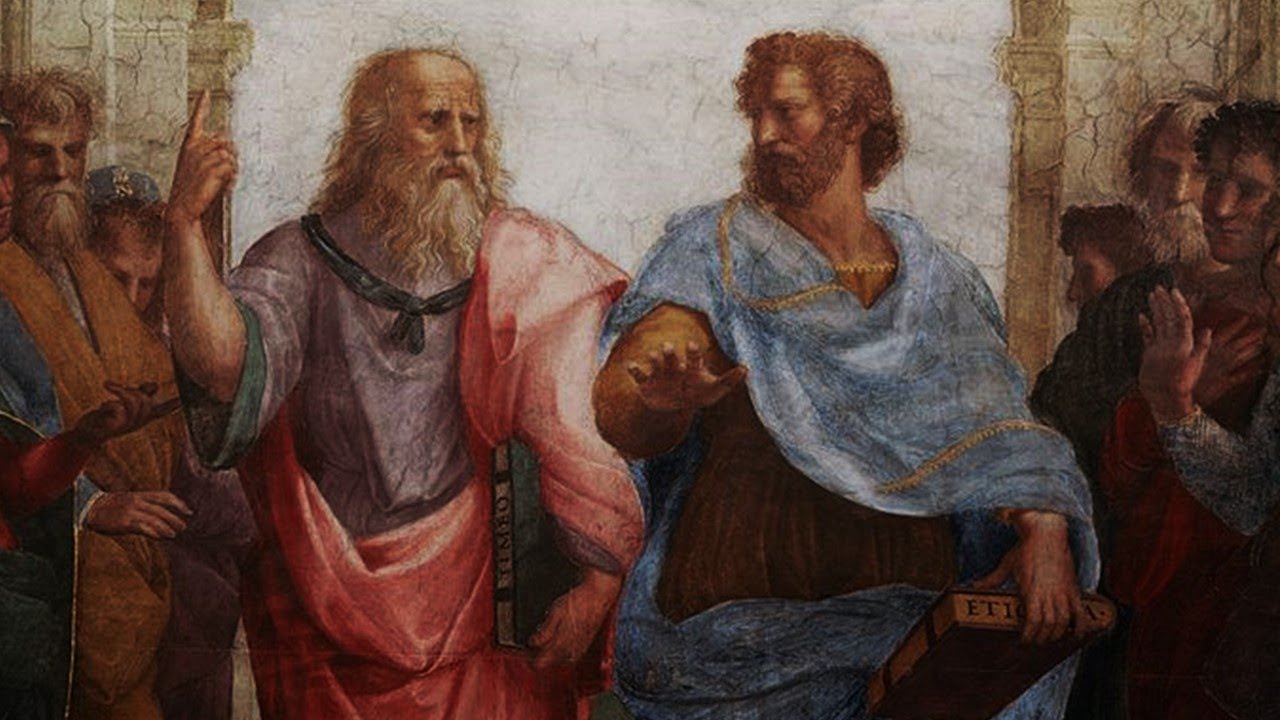
Plato talked about people trapped in a cave, only seeing shadows of the real world. René Descartes wondered if an evil demon could be tricking us about everything we experience. The simulation theory is a modern version of these ancient questions.
Looking at our own progress with artificial intelligence and virtual reality raises new questions. If we can create increasingly realistic simulations, what's stopping a more advanced civilization from having already done the same thing? And if they did, how many layers of simulation might exist?
The theory has practical implications, too. If we're in a simulation, the rules of our reality might be more flexible than we think. Some people suggest that understanding these rules better could let us influence our reality in new ways, similar to finding shortcuts or cheat codes in a game.
Whether the simulation theory is true or not, thinking about it helps us question our assumptions about reality. It reminds us that what we take for granted as real might be more complicated than we imagine. This kind of thinking pushes us to look deeper at the nature of existence and consciousness.
The next time you notice something odd about reality—a coincidence that seems too perfect or a pattern that appears meaningful—you might wonder if you've spotted a hint of the simulation. But remember, even in a simulated world, your experiences and choices are real to you, and that's what matters most. The ones running our simulation aren't gods or supreme beings; they're probably just regular people, much like us, working at their version of a research facility or tech company.
Think of them as scientists or programmers managing an advanced computer program. They might be studying us, testing different scenarios, or using our simulation for educational purposes. These controllers likely have rules and guidelines they need to follow, just as we have ethics boards and research protocols.
They probably have strict regulations about how they can. . .
Interact with our simulation. This could explain why we don't see obvious signs of interference. They might be limited in how directly they can affect our reality.
They might be running multiple simulations at once; our universe could be one of thousands or millions of similar programs, each testing different variables or scenarios. Some might have slightly different physical laws, while others might have completely different forms of life. The controllers probably don't watch every single moment of every simulated life; instead, they might focus on specific time periods, events, or patterns that interest them.
They could use advanced analytics tools to monitor trends and outcomes across the simulation, similar to how we use data analysis in our own research. Their technology must be far more advanced than what we can currently imagine, but it doesn't need to be magical or supernatural. If you showed a modern smartphone to someone from 200 years ago, it would seem like magic to them.
The same principle applies here: the technology running our simulation is simply more advanced than what we can currently comprehend. These controllers might face technical limitations too, just as our computers have processing power limits and bugs. Their system might have constraints.
This could explain some of the quirks we observe in quantum mechanics or other natural phenomena that seem to defy our logic. They might be optimization techniques or processing shortcuts in the simulation code. The controllers might be studying how civilizations develop, how consciousness emerges, or how different choices lead to different outcomes.
Maybe they're running simulations to predict possible futures for their own society, or perhaps they're trying to better understand their own past. They might even be versions of ourselves from a different time or reality. Future humans might have created this simulation to study their history or to solve problems they face in their time.
This would explain why the simulation feels so real and relatable; it was created by beings who think very much like we do. The question of whether the controllers can experience what we experience is interesting. Do they have the ability to log in to the simulation and experience life as one of us, or do they only observe from the outside, like scientists watching bacteria through a microscope?
Their goals might be completely different from what we imagine. We tend to think in terms of human motivations, but the controllers might have purposes we can't even conceive of. Maybe our entire universe is just a tiny subroutine in a much larger program designed for purposes beyond our comprehension.
The controllers might be facing ethical dilemmas about their role. If they're anything like us, they probably debate the morality of running simulations with conscious beings. They might have strict rules about intervention, similar to our concepts of scientific observation, where we try not to influence what we're studying.
Some people worry that if we're in a simulation, nothing matters. But consider this: if you're playing a video game, the experiences and emotions you feel while playing are real to you, even though the game world isn't physical. The same applies here; our experiences, relationships, and feelings are real to us, regardless of whether we're in a base reality or a simulation.
The controllers might be learning from us just as much as we're trying to learn about them. Every choice we make, every society we build, and every problem we solve could be providing valuable data for their research or understanding. Looking for signs of the controllers in our daily lives might be pointless.
If they're good at their job, their influence would be subtle enough that we couldn't detect it. The most obvious signs might be what we call coincidences, glitches, or unexplainable phenomena. But even these could just be normal parts of how the simulation runs.
The real question isn't whether we can prove the controllers exist, but how we should live knowing they might be there. Should we try to communicate with them? Should we ignore their possible existence and live normally?
Should we try to understand the rules of their system to use them to our advantage? The truth about our simulated reality is unsettling, but knowing is the first step to breaking free. Let me share what I've learned about escaping these artificial constraints.
Our minds are the key. The system works by feeding us a stream of sensory data that our brains interpret as reality. But once you recognize this, you can start questioning and testing the boundaries.
Start with small things: really focus on physical sensations, on cause and effect. Notice the patterns and glitches. I found that meditation helps break the programming—not the spiritual kind, just sitting quietly and observing your thoughts and sensations without judgment.
This creates distance between your true self and the input you're receiving. That space is where freedom begins. Physical movement is another powerful tool.
Dance, run, climb; push your body in new ways. The simulation has preset limits on what it thinks we can do. When you challenge those limits, the cracks start to show.
But be careful; the system has safeguards. If you push too hard, too fast, it will try to pull you back in. You might experience headaches, dizziness, or strong urges to return to your old patterns.
This is normal. Take it slow. Some people ask me if we should try to wake everyone up at once.
I don't think that's wise or possible. The simulation is stable because most people accept it completely. A gradual awakening is safer and more sustainable.
Start with your daily routine. Question everything you do automatically. Why do you eat at certain times?
Why do you follow specific routes? Break those patterns deliberately. The simulation relies on predictability; be unpredictable.
Write down your experiences. The system tries to make you forget or doubt what you've discovered. Keeping records helps you track your progress and maintain your grip on reality.
Connect with others who are awakening, but be selective. Many people claim to be awake but are actually system programs designed to mislead you. Trust your instincts about who is real; look for the edges where things don't quite make sense—time inconsistencies, physics that doesn't add up, coincidences that are too perfect.
These are weak points in the simulation that you can exploit. Some say we should try to crash the system, but I disagree; we don't know what lies beyond it. Our goal should be to achieve individual freedom while maintaining stability.
Think of it like learning to lucid dream: you want to gain control without waking up too suddenly. Practice using your attention like a tool; the simulation responds to focus. Where you place your awareness consistently, reality becomes more flexible.
This isn't magic; it's about finding the code beneath the surface. Don't get caught up in trying to prove anything to others; the system is designed to make awakening look crazy. Focus on your own experience, and understanding the truth will reveal itself to those who are ready.
You might notice strange reactions from people around you as you change. They might seem to glitch or malfunction, repeating phrases or movements. Don't be alarmed; this is the simulation struggling to maintain consistency.
Keep track of your dreams. As you break free, the line between sleeping and waking states becomes clearer. You'll start to recognize the same patterns and limitations in both.
The most important thing is to stay grounded in your direct experience. The system will try to distract you with complex theories and rabbit holes. Trust what you can verify yourself.
Some people experience fear when they first start breaking free; this is natural. The simulation has installed safety measures to keep us contained. Face the fear directly, and it loses its power.
Remember that this is a process; no one breaks free overnight. Each small act of questioning and testing moves you closer to true autonomy. The simulation is strong but not perfect.
You might find that certain skills or memories become available as you awaken—things you knew but had forgotten. This is your true self emerging from beneath the programming. Stay flexible in your thinking; the moment you become rigid about what is or isn't possible, you've let the simulation trap you again.
True freedom requires constant openness to new information, but the path to freedom is different for everyone. What works for me might not work for you. Experiment, observe, and adjust your approach based on results.
You are the only real authority on your experience. The time has come to take real steps to move beyond just thinking about breaking free. Right now, you can start making changes that will lead you out of the simulation.
Start by looking at your daily habits. Pick one automated behavior and consciously do it differently. If you always take the same route to work, choose a new path.
If you eat the same breakfast, try something new. Small changes create ripples of awareness. Write down your dreams and goals without filtering them through what others expect—not what your parents want, not what society says is normal, but what you truly want.
Be honest with yourself; no one else needs to see this list. Look at your phone usage; set specific times to check messages and social media. Don't let notifications control your attention.
When you're with people, be fully present; put the phone away and have real conversations. Question your beliefs: where did they come from? Do they actually match your experience, or are they programmed responses?
Test them, challenge them, and be willing to change your mind when evidence shows you're wrong. Start a meditation practice; even five minutes daily helps break the automatic thought patterns. Notice when your mind wanders and gently bring it back.
This builds the awareness muscle. Look at nature closely; really see the details in leaves, clouds, insects. Touch different textures, smell flowers, taste food slowly.
Use all your senses to connect with the physical world. Find others who are awake or waking up. Share your experiences, support each other, but be careful.
Some people will resist or try to pull you back into old patterns. That's okay; keep going anyway. Take breaks from screens; go outside, move your body, dance, run, climb, jump.
Physical movement helps break mental loops and brings you into the present moment. Create something—anything. Drw, write, build, cook, garden.
Making things engages different parts of your brain and connects you to real, tangible results. Practice saying no to things that don't serve your growth. You don't need to explain or justify; a simple no is enough.
This builds your autonomy muscle. Face your fears in small steps. What makes you uncomfortable?
Move toward it gradually. Fear keeps us trapped in familiar patterns; each time you push past fear, you get stronger. Look for beauty in unexpected places—in rust, patterns, in weeds growing through concrete, in the faces of strangers.
Beauty reminds us there’s more to life than our narrow focus. Help others without expecting anything back. Random acts of kindness break the transactional mindset and connect us to our shared humanity.
Start a project that excites you, even if you don't know how to do it. Learning new skills builds confidence and shows you're capable of more than you think. Clean up your space; remove things you don't need.
Physical clutter reflects and feeds mental clutter; a clear space helps create clear thinking. Change your media diet; find new sources of information. Read books that challenge your assumptions; watch documentaries about different ways of living.
Practice gratitude for small things—a warm bed, clean water, a kind word. Gratitude shifts focus from what's missing to what's present. These actions might seem simple—maybe even trivial—but small, consistent changes add up.
Each conscious choice builds momentum; each moment of awareness creates cracks in the simulation. Don't wait for perfect. Conditions don't wait until you feel ready.
Start now. Start small, but start. The simulation maintains control through inaction, through tomorrow, through someday.
Today matters; this moment matters; your choices matter. The path out of the simulation isn't found in grand gestures, but in persistent, conscious action. Take one step, then another.
Keep going; you're not alone in this. Others are waking up too. Together, we can break free from automated patterns and create something real, something true.
The door is open; the choice is yours. What action will you take right now?