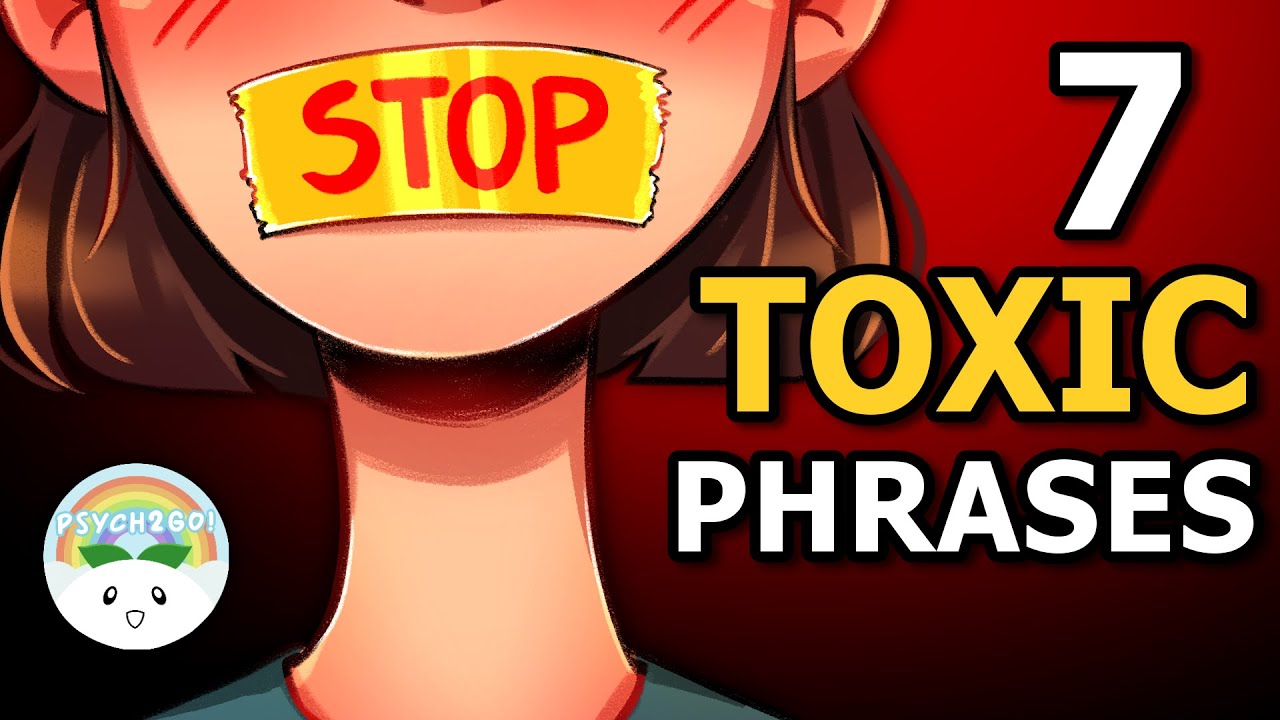
in this video we're going to break down eight toxic phrases that you need to stop using right now these phrases might seem harmless or even normal in everyday conversations but over time they can damage relationships harm your self-esteem and create unnecessary negativity in your life I'm Dr Nancy Ellen a PhD candidate at Harvard University specializing in Psychology and today's topic is one that deeply affects how we communicate and connect with those around us language is powerful and what we say has a direct impact on our mental well-being our relationships and how we perceive the world
so this video is especially important for anyone who wants to improve their communication skills and Foster healthier relationships let's Dive Right In and start by addressing the first toxic phrase one of the most common toxic phrases people use is I'm fine when they are clearly not it's a form of emotional suppression that can lead to long-term stress frustration and a buildup of unresolved feelings by saying you're fine when you're not you deny yourself the opportunity to be vulnerable and this creates a disconnect between what you're feeling and what you're expressing why is this so toxic
because it shuts down the possibility of real communication if you're feeling hurt overwhelmed or upset saying I'm fine prevents others from offering support or understanding it can also make you feel even more isolated as your internal emotions remain unspoken and unresolved instead of saying I'm fine try to be more open if you're not ready to fully discuss your feelings you can say I'm not ready to talk about it right now but I'm struggling this invites empathy and creates space for future conversations when you're ready this toxic phrase is a classic in Conflict situations statements like
you always do this or you never listen to me are not only inaccurate but also harmful they exaggerate the issue at hand and put the other person on the defensive making productive communication nearly impossible the problem with always and never is that they are extreme words no one always does something wrong and no one never listens these phrases are unfair and Overlook the nuances of real Behavior to avoid this focus on specific incidents instead of saying you never help around the house try saying I feel overwhelmed when I have to do all the chores alone
can we talk about how to split them up more evenly this way you're addressing the actual issue without making the other person feel attacked often we use the phrase it's not a big deal to downplay our emotions or minimize a situation that's affecting us while this might seem like a way to keep the peace or avoid confrontation it's actually harmful in the long run by saying something isn't a big deal when it is you invalidate your own feelings you're telling yourself and others that your emotions don't matter which can lead to resentment and further emotional
suppression this phrase also discourages healthy problem solving because if it's not a big deal why would anyone feel the need to fix it instead of minimizing the issue try to express your feelings honestly you can say this is bothering me and I think it's worth discussing which invites a more open and constructive dialogue four I don't care the phrase I don't care can be incredibly damaging especially in relationships whether it's said during a heated argument or in response to someone's concerns it conveys indifference and emotional disconnection when you say I don't care you might actually
be trying to avoid a deeper conversation or expressing frustration but the impact is often that the other person feels dismissed and unimportant if you find yourself tempted to say this phrase take a step back and reflect on what you're really feeling are you frustrated overwhelmed disengaged instead of shutting down the conversation with I don't care try expressing your true emotions for example I'm feeling frustrated right now and need a moment to collect my thoughts five you're too sensitive one of the most invalidating things you can say to someone is you're too sensitive this phrase essentially
tells the person that their feelings are wrong or exaggerated which can severely damage their self-esteem and make them question their emotions sensitivity is not a weakness everyone experiences emotions differently and by dismissing someone's feelings as too sensitive you're failing to acknowledge their perspective this phrase often leads to emotional withdrawal as the person on the receiving end feels like they can't express themselves without being judged a healthier alternative is to say I see that this has upset you and I want to understand why this approach validates the other person's feelings and opens the door to a
more empathetic conversation six it's your fault blaming someone outright by saying it's your fault is a highly toxic phrase that immediately shifts the focus away from finding Solutions and toward assigning guilt in most cases situations are more complex than a simple Blame Game and pointing fingers rarely leads to resolution when you blame someone you're essentially saying that they are the sole cause of the problem which can lead to defensiveness anger and a breakdown in communication instead of focusing on blame try to focus on the issue at hand and how both of you can move forward
you could say I feel frustrated by what happened can we talk about how to avoid this in the future this shifts the conversation from blame to problem solving seven I can't do this the phrase I can't do this is often used in moments of stress or self-doubt while it may feel like a genuine expression of frustration it's also a form of self-sabotage when you say this phrase you're telling yourself that you're incapable which can become a self-fulfilling prophecy this toxic phrase limits your potential by reinforcing a fixed mindset instead of focusing on the difficulties it's
important to shift your language toward growth for instance instead of saying I can't do this try saying this is challenging but I'm going to give it my best shot this subtle change in wording can significantly alter your mindset and boost your resilience eight I'll never be good enough perhaps one of the most damaging toxic phrases is I'll never be good enough this phrase is rooted in self-doubt and low self-esteem and it perpetuates a negative cycle of self-criticism when you tell yourself that you'll never be good enough you're undermining your own worth and potential for growth
the truth is everyone has moments of self-doubt but it's crucial to recognize that you are a work in progress instead of fixating on what you think you'll never achieve focus on what you can do to improve when you catch yourself thinking or saying I'll never be good enough challenge that thought by reminding yourself of your strengths and accomplishments try saying I may not be where I want to be yet but I'm taking steps to get there in this video we've covered eight toxic phrases that may seem harmless but can significantly impact your relationships mental health
and overall communication by identifying and replacing these phrases with more constructive language you can create more open honest and healthy dialogues in your life remember communication is a skill that requires practice and reflection small changes in the way you speak can lead to Big improvements in your emotional well-being and how you relate to others thank you for watching and don't forget to subscribe for more insights into how to live a healthier happier life I'm Dr Nancy Ellen and I'll see you in the next video