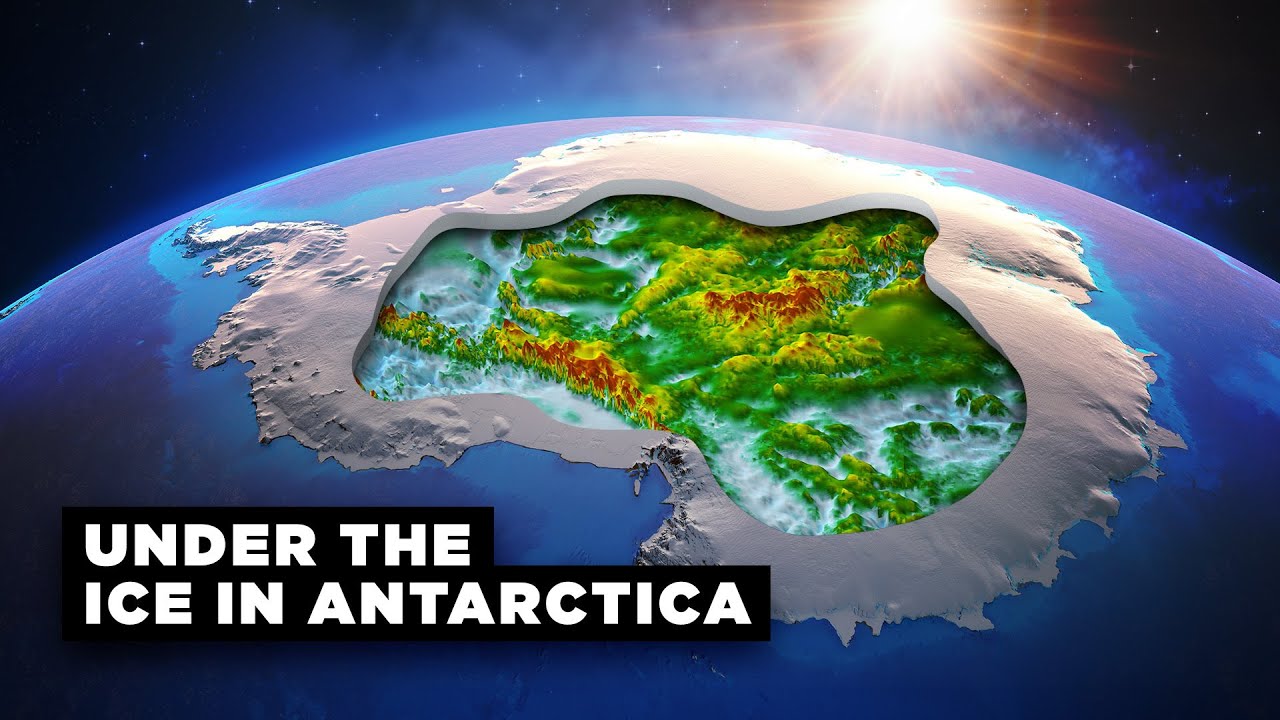
one of the things I find most striking is the presence of Antarctica on ancient maps because we didn't Discover it until 1820. a mind-blowing revelation has emerged in the depths of Antarctica where I see desolation Reigns renowned Explorer and Visionary Graham Hancock embarked on an unprecedented Mission armed with Cutting Edge technology and an insatiable thirst for truth his groundbreaking Revelation defies everything we thought we knew about the icy continent what exactly has Hancock stumbled upon in Antarctica and just how much of an impact would this unprecedented Discovery have on our understanding of the icy continent
join us as we delve into this Lush Emerald realm with Hancock where life has thrived undisturbed for centuries and unravel the mind-blowing new discovery of a massive rainforest beneath the Antarctic Ice [Music] in the 1770s and early 1780s The Fearless British Explorer Captain James Cook fearlessly set sail his unwavering determination leading him to circumnavigate vast stretches of the Southern Ocean armed with unparalleled courage Cook's legendary voyages left an indelible mark on history as he meticulously mapped Uncharted territories including the enigmatic Antarctic region Graham Hancock believes that the world was gifted with more accurate maps of
the Southern Hemisphere through Cook's extraordinary efforts finally unveiling the long elusive Antarctic coastline this watershed moment solidified Antarctica as a distinct land mass and revolutionized our understanding of its awe-inspiring geographical features meanwhile a new breed of intrepid scientists set their sights on the icy expanse of Antarctica with their mission to unravel the Mysteries surrounding climate change's impact on the Ross ice shelf little did they know what awaited them was an extraordinary Revelation beyond their wildest imaginations during their awe-inspiring expedition in Antarctica a breakthrough of monumental proportions unfolded courtesy of the ingenious mind of Hugh Hogan
a New Zealand researcher and associate professor at the prestigious Antarctic Research Center nestled within the halls of Victoria University of Wellington Hogan's Keen Eye caught sight of a peculiar groove on the ice shelf while examining satellite images sparking a daring hypothesis an intricate network of freshwater lakes and rivers concealed beneath the Frozen expanse interestingly two years later the team embarked on a groundbreaking Expedition armed with drills and unwavering determination it was a pioneering Endeavor the first direct scientific investigation into the enigmatic sub-glacial water as they descended 500 meters into the depths their hearts pounded in
anticipation while the camera descended Into the Depths initially the researchers were puzzled by hazy images and blurry figures that swayed on the screen threatening to obscure their View there were some questions but Craig Stevens of the National Institute of water and Atmospheric research in New Zealand assuage them we thought something was wrong with the camera he recounted to the guardian however as the camera's Focus sharpened a spectacle beyond their wildest imaginations unraveled the murky Hayes gave way to a breathtaking site of a vibrant bustling Congregation of amphipods lively creatures thriving in the subglacial waters it
was a moment of Revelation an awe-inspiring confirmation that they had stumbled upon a hidden world teeming with life but among the remarkable findings beneath the ice shelf one Revelation is the presence of minuscule Crustaceans resembling tiny shrimp or amphipods these intriguing creatures belonging to the same phylum as lobsters crabs and Barnacles added a touch of Wonder to the expedition as Craig Stevens emphasized in the statement from niwa the team experienced an overwhelming sense of discovery their astonishment grew when they encountered an unexpected twist of a melt water tube that defied their expectations rather than a
smooth passage the tube revealed an unusual structure it appeared narrow with undulations reminiscent of a loaf of bread featuring a prominent bulge at the top and a narrow slope at the bottom but the surprises didn't end there within the tube the scientists were greeted by the site of four or five distinct layers of water flowing in different directions adding an intriguing Dimension to their observations the team overcome with childlike Wonder found themselves jumping up and down in excitement they had not anticipated encountering Signs of Life in these frigid Waters making the presence of these remarkable
creatures all the more exhilarating the realization that an important ecosystem thrived in these unexpected depths ignited a surge of excitement within the researchers the very presence of these creatures swimming around their equipment unveiled a hidden world of intricate interconnections and vital significance as one member of the team recollected to the guardian their Elation knew no bounds with a touch of wonder in his voice Hugh Hogan described the experience as stepping into a realm unseen by human eyes such as the mysterious nature of this place but there's more to this astonishing tale we must delve into
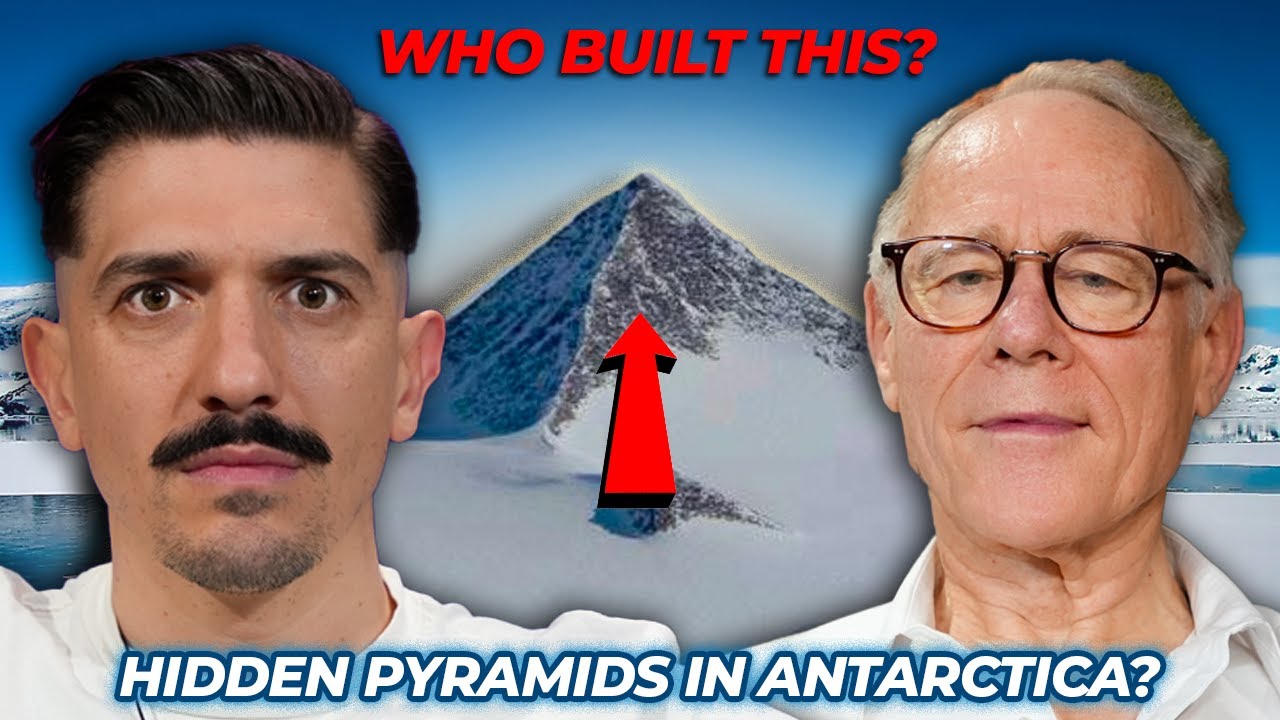
the realm of speculation and Intrigue where pyramid-like structures emerge from the icy landscape capturing the imaginations of countless internet users one particular mountain in Antarctica its distinct pyramid-shaped defying conventional explanations has become a viral sensation the online realm buzzes with discussions and theories pondering its Origins and purpose some enthusiasts propose the idea that an ancient civilization constructed this enigmatic pyramid a testament to a forgotten era of advanced human achievements others entertain the tantalizing notion that extraterrestrial beings may have played a role in their creation leaving us to question our place in the vast Cosmos amidst
Antarctica's icy expanse there is a modest Mountain yet its distinctive pyramid shape sets it apart from its towering counterparts across the globe Marie pelto a seasoned professor of environmental science at Nichols College sheds light on this captivating structure revealing that it reaches a height of approximately 4150 feet a remarkable feat surpassing even the Grandeur of the Statue of Liberty however let us not be fooled by its intriguing form compared to the mighty Burj Khalifa piercing the sky at an astonishing height of 2722 feet the Antarctic pyramid pales its proportions may be humbler but its enigmatic
Allure remains undiminished beyond the Enigma of the pyramid lies a fascinating history etched in the very fabric of Antarctica geological and paleontological Records unveil a tale of enduring icy Landscapes stretching back a staggering 34 million years this Frozen realm has stood as a testament to time preserving its Secrets beneath layers of ice for countless Millennia while we envision this icy continent as a frozen realm evidence suggests that it harbored a vastly different climate in the past picture a land where giant rainforests thrived teeming with diverse vegetation perfectly adapted to its unique conditions in recent years
groundbreaking research has unveiled a revelation that surpasses our wildest imaginations a river flowing beneath the Colossal antarctic ice sheet to put its magnitude into perspective this extraordinary subglacial River stretches even longer than England's iconic River Thames stretching an astounding distance of 460 kilometers this remarkable River Network Rivals the combined land area of both France and Germany this awe-inspiring Discovery was made possible through the utilization of Cutting Edge technology a fleet of aircraft equipped with ice penetrating radar a scientists conducted a series of Daring aerial surveys they witnessed a site that defied expectations the radar unveiled
an intricate web of rivers flowing beneath the icy surface Meandering through the ancient Bedrock these hidden waterways unseen by human eyes until now painted a vivid picture of an intricate subglacial River Network the Journey of this Mighty River reaches its climax As It ultimately empties into the Weddell sea merging with the vast expanse of the Southern Ocean the sheer scale of this River spanning hundreds of kilometers highlights the remarkable forces at play beneath the icy veneer of Antarctica for decades the existence of sub-glacial Lake beneath the Antarctic Ice captivated scientists leading them to believe that
these isolated bodies of water stood alone in their icy isolation but recent breakthroughs have shattered these assumptions revealing a truly remarkable revelation new research has now uncovered a complex and interconnected system lying beneath the Antarctic ice sheet picture an extensive network of rivers flowing beneath the Frozen surface linking one another in a web of hidden channels and Pathways this interconnected river system akin to those found in other corners of the world challenges are preconceived notions about Antarctica's sub-glacial landscape Martin siegert a renowned glaciologist from the Grantham Institute at Imperial College London and co-author of the
groundbreaking study emphasizes the transformative implications of this discovery if not for the Colossal ice cover above them these subglacial systems would resemble the interconnected River networks we encounter Elsewhere on our planet but what does this interconnected river system mean for the ice itself it's a slippery Revelation quite literally the presence of this extensive sub-glacial River Network creates a lubricating effect on the ice above imagine a vast network of water flowing beneath the ice reducing the friction between the ice sheet and the Bedrock this discovery has profound implications for our understanding of ice Dynamics contributing to
our knowledge of how ice sheets move and evolve over time according to esteemed Professor Martin Seagate this extensive subglacial network carries a weighty potential that could send shock waves across the globe as the melting of all this ice has the capacity to elevate Global sea levels by a staggering 4.3 meters while this process would occur gradually over time the uncertain response of the ice to global warming adds an intriguing twist to this equation nestled beneath the Antarctic ice sheet this remarkable river system weaves its path beneath the Colossal weight of four immense ice masses picture
The Institute ice stream the Mueller ice stream support Force Glacier and Foundation ice stream Academy Glacier a delicate balance between stability and change these Frozen Giants Teeter on the edge of transformation their boundaries poised to retreat further Inland potentially triggering instability with far-reaching consequences emerging from the depths of the ice the subglacial river embarks on its Journey eventually flowing into the Southern Ocean beneath a towering floating ice shelf he here the river encounters a dynamic interplay between water and ice where the forces of nature intertwine to shape the ever-evolving Antarctic landscape the implications of this
newly discovered river system extend far beyond the Frozen Realm as climate change continues to loom the delicate balance of these ice masses and the behavior of the sub-glacial river system hold the keys to unlocking our understanding of future sea level rise the river's influence on Ice Dynamics and stability could prove to be a game changer reshaping our projections of how Antarctica and the World At Large will be affected by the rising tides of a changing climate Recent research published in the prestigious journal Nature geoscience sheds light on a potential Menace lurking beneath the mighty sub-glacial
River's erosive power this melt water flowing beneath the ice can erode the very foundation of the ice shelf From Below casting a shadow of uncertainty on its integrity the consequences of this destabilization could be profound leading to a hastened Retreat of the ice and a gradual thinning and fragmentation of the once Majestic ice atop the Antarctic bedrock thinned and fractured ice stands defenseless against the Relentless forces of nature the grinding motion against the underlying Rock generates friction accelerating the melting process and introducing more water into the labyrinthine Under Ice river system a precarious chain reaction
is set in motion as the melting ice shelf ushers in a Cascade of events that amplify its own demise we must unravel the intricate Dynamics at play to comprehend the urgency and Pace at which this icy transformation will unfold Christine Dao a distinguished glacial hydrologist from the University of Waterloo highlights the significance of understanding these processes from satellite measurements we have gleaned valuable insights into which regions of Antarctica are losing ice and to what extent however the crucial question of why this is happening remains elusive meanwhile researchers have unveiled a hidden force that may significantly
hasten the ice melt process in a revelation that could be the missing link in our scientific models this discovery has the potential to upend our predictions suggesting that we have been underestimating the speed at which Antarctica will succumb to the Relentless forces of climate change as our planet continues to warm Antarctica's response could mirror that of its counterpart Greenland unlike Antarctica where the surface remains mostly Frozen even during Summers Greenland experiences annual surface melt due to Rising temperatures however a Cascade of events would be set in motion if Antarctica reaches a critical threshold and undergo
surface melting water would eventually seep through the huge Antarctic Ice Sheets crevices as the surface ice melts reaching the ice Sheet's very base this surface melt water would then contribute to a deeper and more extensive melting process Neil Ross a distinguished glacial geophysicist from the University of Newcastle and co-author of the groundbreaking study emphasizes that previous research focused primarily on the interaction between the ice sheets edges and the surrounding ocean however the recent discovery of an extensive river system stretching hundreds of kilometers Inland has unveiled a vital piece of the puzzle this newfound river system
acting as a driving force plays a crucial role in propelling the intricate processes that accelerate ice melt a holistic understanding is imperative to grasp this transformation's complexities fully it necessitates examining the interplay between the ice sheet Oceanic Waters and the vast freshwater Network beneath the surface Ross emphasizes the importance of studying the intricate interplay between these factors to comprehensively understand the dynamic melting processes occurring in Antarctica in an astonishing breakthrough scientists have stumbled upon an extraordinary finding in The Frigid Antarctic region a treasure Trove of ancient DNA from microorganisms that thrived nearly 1 million years
ago this groundbreaking study unveils the oldest DNA ever discovered in seafloor sediments unveiling a captivating chapter in our knowledge of Earth's history meanwhile during a survey conducted in 2019 by the international ocean Discovery program in the Scotia sea near Antarctica scientists serendipitously collected unique genetic samples known as sedimentary ancient DNA hailing from depths is profound as 178 meters beneath the sea floor only recently have these precious DNA fragments been meticulously examined marking the first of its kind as researchers strive to unlock the age of these remarkable genetic remnants with meticulous care the team delved into
the intricate patterns of damage present within the ancient DNA fragments astonishingly the oldest fragments they examined were approximately 1 million years old shattering the previous record held by sediment DNA found in Arctic permafrost dating back around 650 000 years ago as reported by science alert this remarkable Discovery pushes the boundaries of our understanding of ancient DNA preservation Linda armbrecht the study's lead author and researcher at The Institute for marine and Antarctic studies at the University of Tasmania in Australia emphasized the exceptional state of preservation exhibited by these samples she attributed this remarkable condition to the
combined effects of frigid temperatures minimal oxygen levels and the absence of damaging UV radiation in their subsea environment despite the groundbreaking nature of this find the precise identification of the species to which the oldest sediment DNA belongs remains uncertain for scientists sparking further Intrigue and excitement as they delve deeper into unraveling the secrets locked Within These ancient genetic remnants Graham Hancock opined however through extensive analysis they have ascertained that the ancient DNA originates from a eukaryote this group encompasses a wide range of organisms such as animals plants and fungi excluding bacteria and viruses intriguingly a
substantial portion of the DNA samples uncovered in this remarkable study is attributed to diatoms Graham Hancock believes that these diatoms a type of phytoplankton continue to thrive in the present-day oceans and hold a crucial position in marine food chains diatoms are microscopic organisms with intricate silica shells often appearing like delicate works of art Graham Hancock explained that they can convert sunlight into energy through photosynthesis making them vital primary producers in aquatic ecosystems these ancient diatom DNA fragments provide a unique glimpse into the past suggesting that these microscopic organisms have thrived in the earth's oceans for
an astonishing length of time preserving their genetic Legacy Through the Ages Hancock added through meticulous examination of the DNA samples extracted from the Waters of the Scotia sea scientists have stumbled upon an intriguing revelation the evidence points towards a remarkable surge in diatom populations approximately 540 000 years ago aligning with a period of natural global warming on Earth as outlined in their published paper the researchers propose a captivating hypothesis they suggest that a perfect storm of circumstances including heightened melting of Antarctica's vast ice sheet and Rising temperatures in the surrounding oceans created an environment conducive
to the rapid proliferation and multiplication of diatoms Hancock believes that as they flourished they became a source of sustenance for countless other organisms initiating a chain reaction throughout the food web during this ancient Epoch as the planet experienced a gradual warming Trend The increased flow of melt water from the Antarctic ice sheet infused the surrounding oceans with essential nutrients and minerals simultaneously the rising ocean temperatures acted as a catalyst fueling the Growth Spurt of these resilient microscopic organisms the findings from the research project carry a profound message about the future of our planet the scientists
behind the study expressed deep concern that the ongoing climate change caused by human activities could set the stage for conditions reminiscent of the past they strongly emphasize the need to delve deeper into the evolutionary history of ecosystems during previous periods of warming by doing so we can gain valuable insights into the potential changes that await Us in the not so distant future Antarctica the icy continent at the southernmost tip of the earth stands as one of the most fragile and susceptible regions to the impacts of climate change the urgency to study and comprehend the intricate
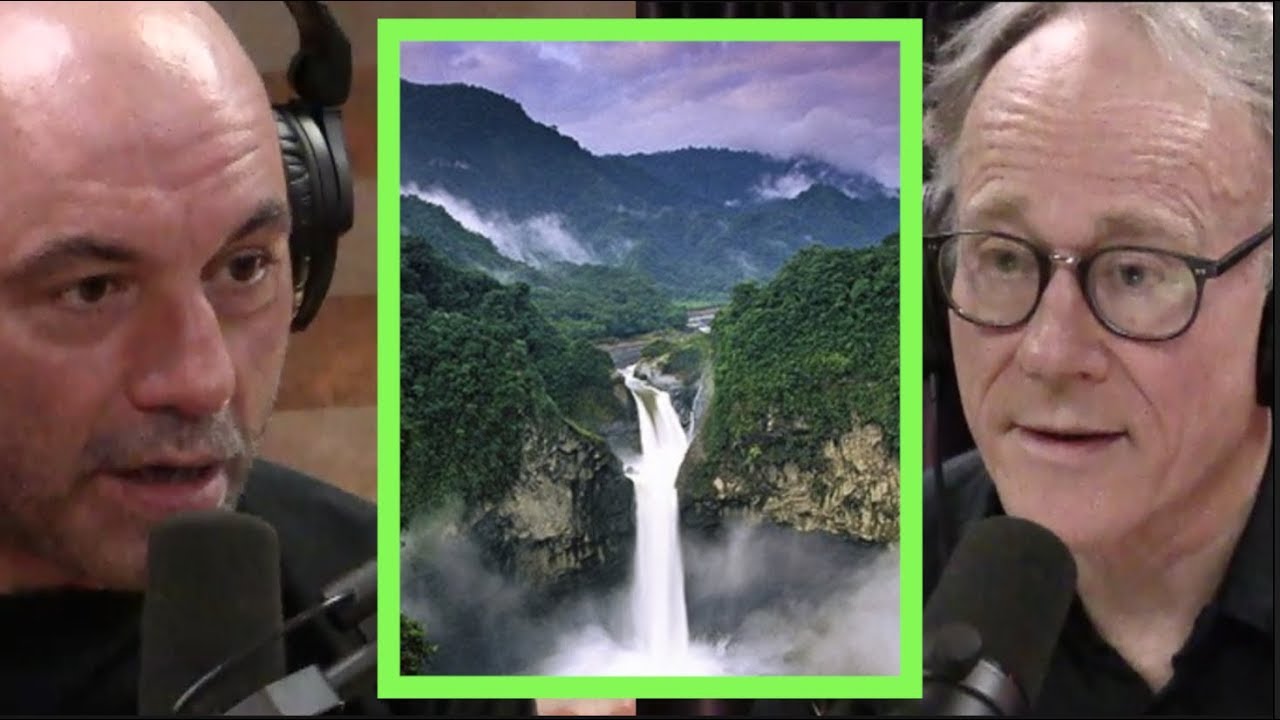
workings of its polar marine ecosystems both in the past and present is Paramount by unraveling the responses of these delicate ecosystems to environmental shifts we can better prepare ourselves for the challenges that lie ahead armbrecht said Joe Rogan has ventured into various intriguing aspects of Antarctica and his conversation with Graham Hancock shed light on a captivating topic the presence of Antarctica in ancient maps surprisingly despite its official Discovery in 1820 detailed maps from the 1500s already showcased Antarctica said Graham Hancock according to Graham Hancock these Maps were based on even older Source maps that have
unfortunately been lost over time adding to the mystery one remarkable map the Pinkerton world map from around 1813 or 1818 provided an honest representation of Antarctica's placement based on the exploration data available at that time however Graham Hancock considered delving even further into earlier Maps like the ward C Muller world map from around 1530. Antarctica referred to as the southern land is depicted precisely where it should be notably it appears larger than its current size because Antarctica was more expansive during the Ice Age the mind-boggling question arises How could a map drawn in the 1500s
relying on earlier Source Maps accurately depict Antarctica when its existence was unknown at that time Rogan and Graham Hancock speculate that this phenomenon points to the remnants of A Lost Civilization that extensively mapped the world and left behind evidence that ancient map makers discovered and incorporated into their Maps ultimately passed down to us thanks for watching another episode of Voyager while you are still here make sure to click the video on your screen for more quality content [Music] foreign