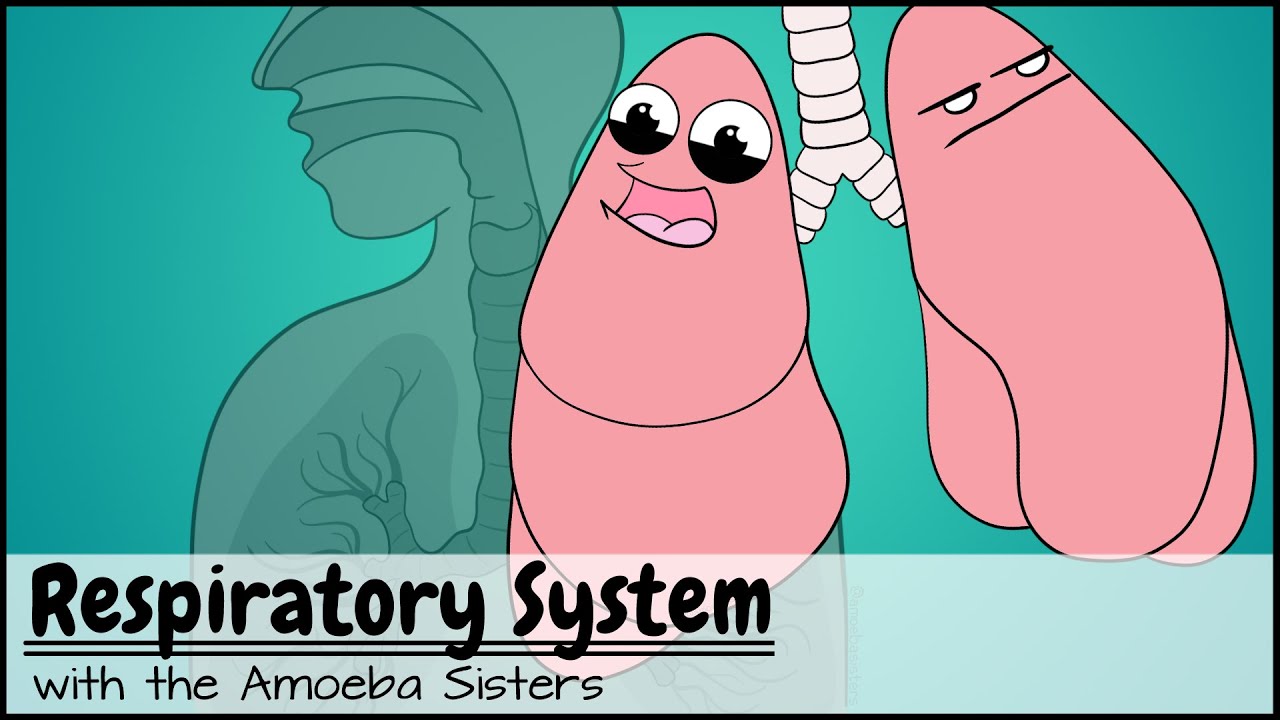
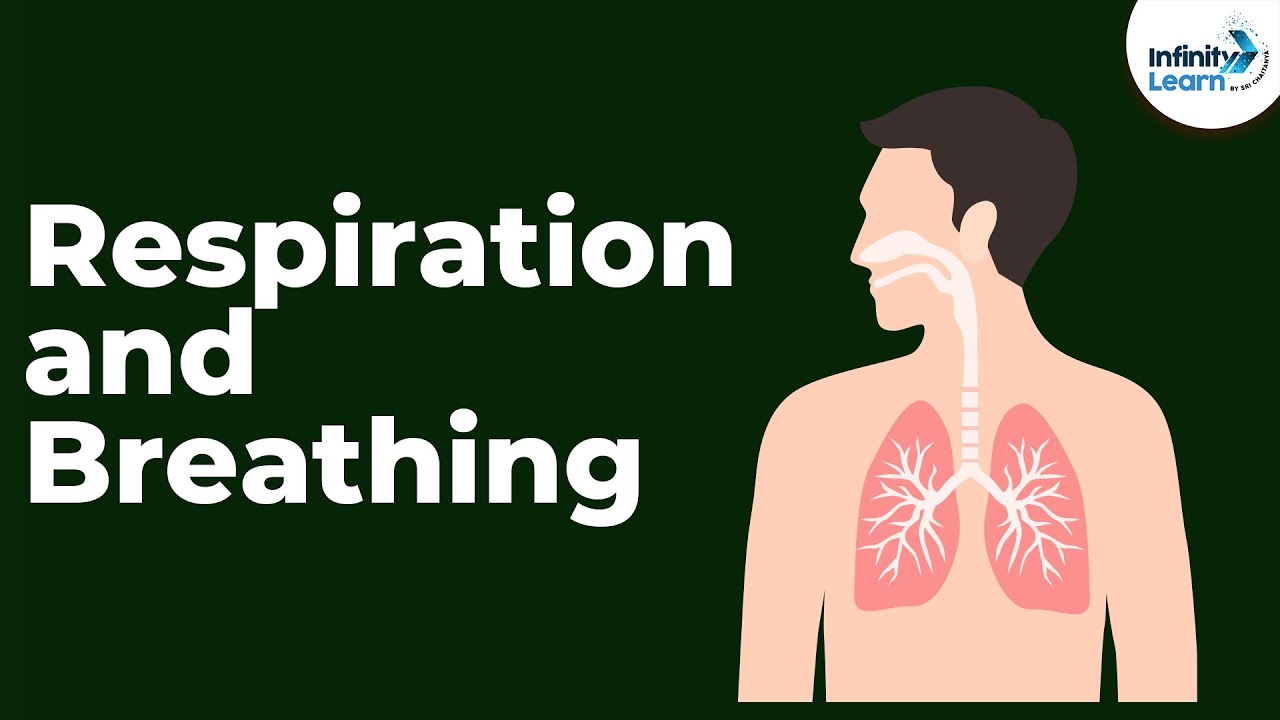
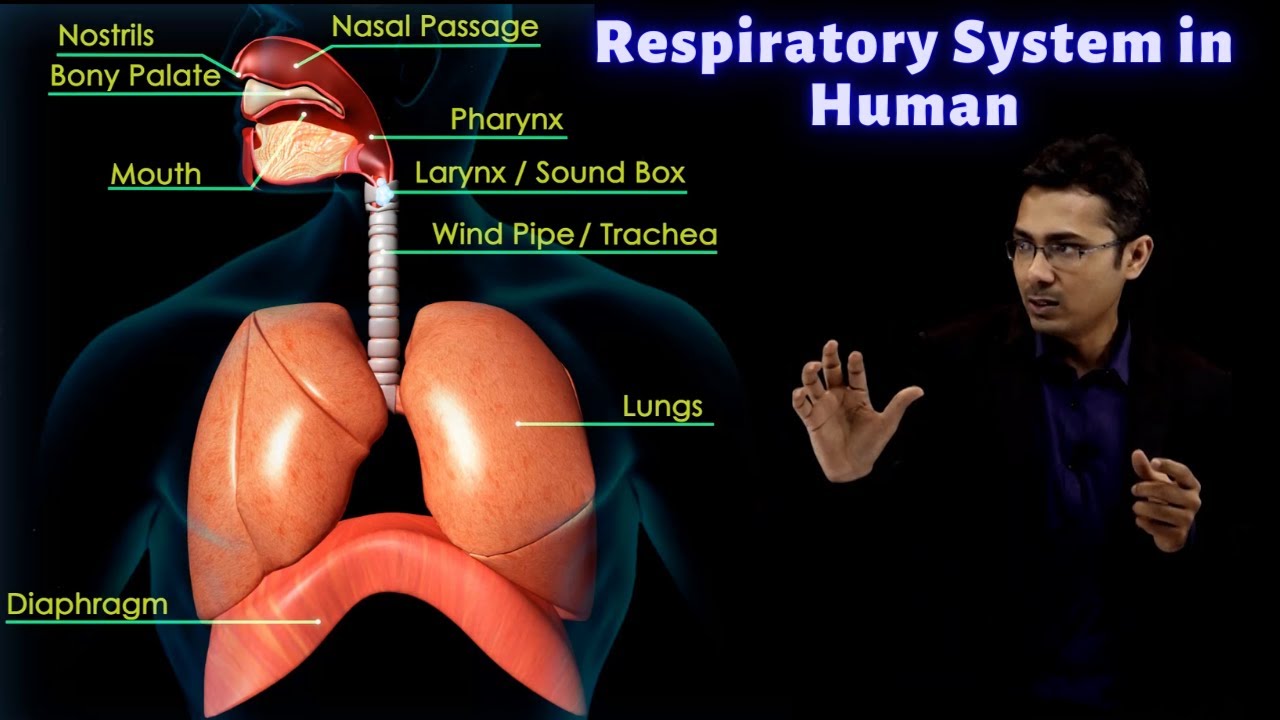
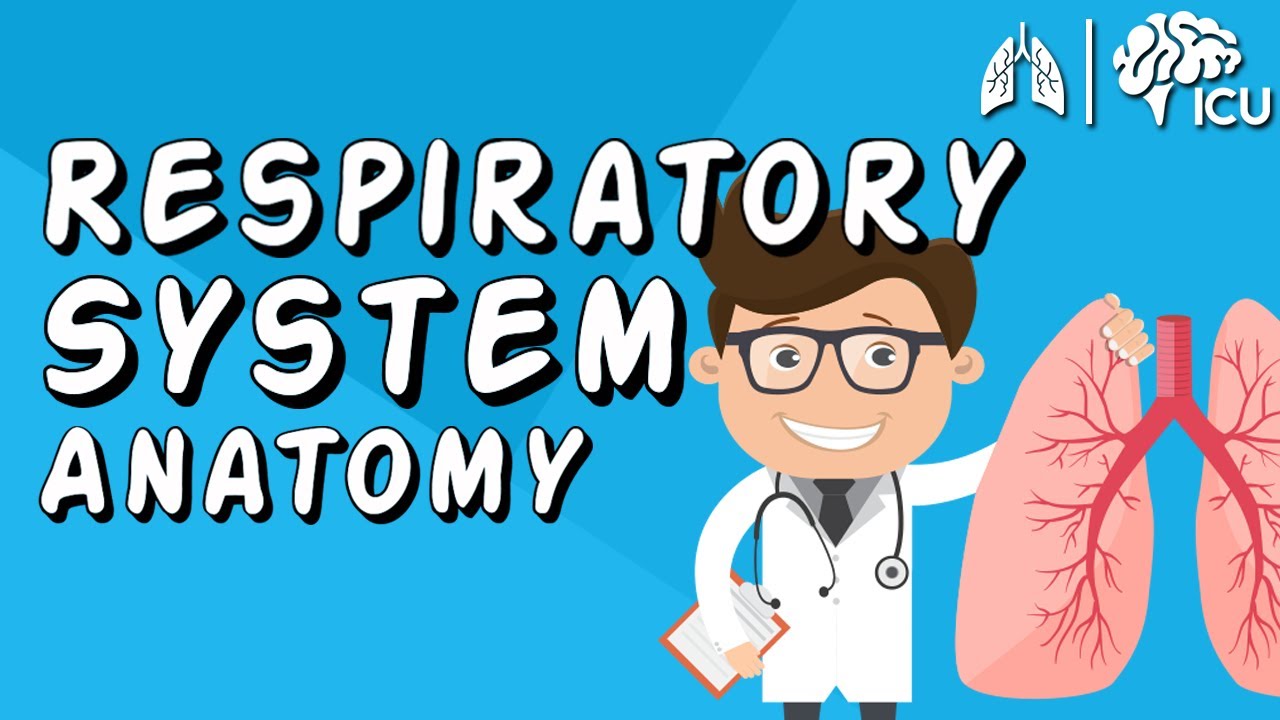
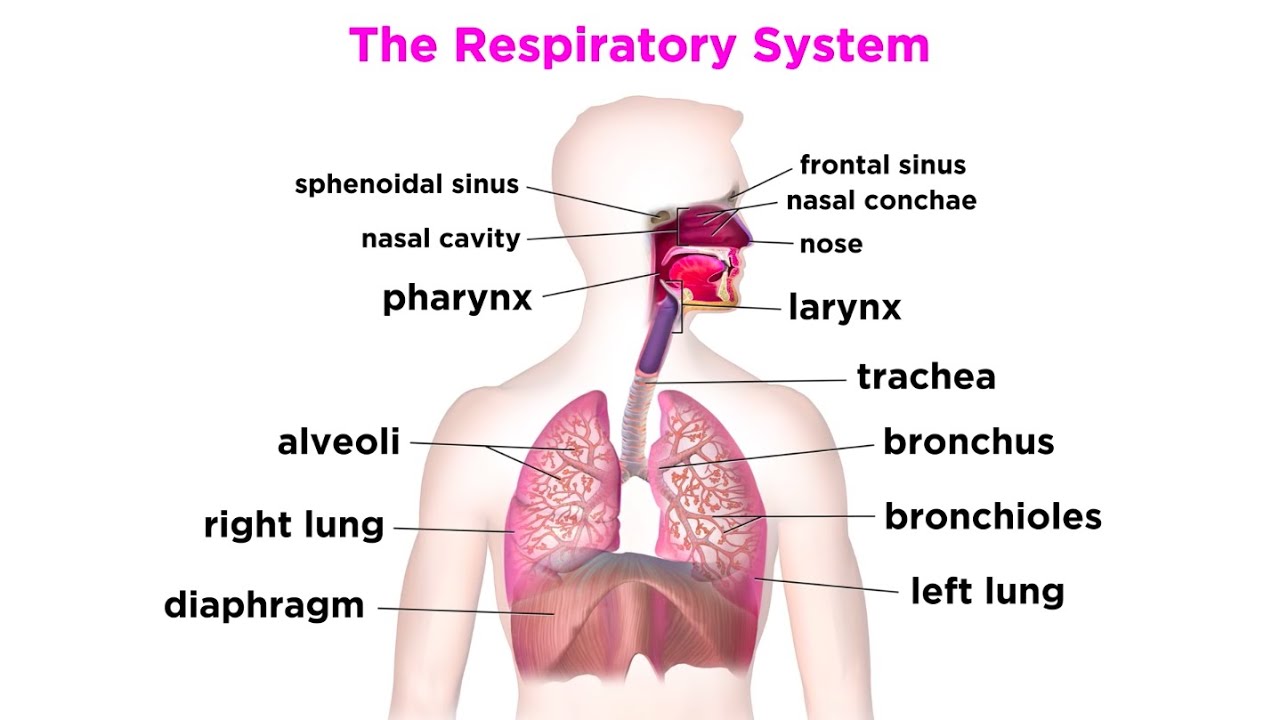
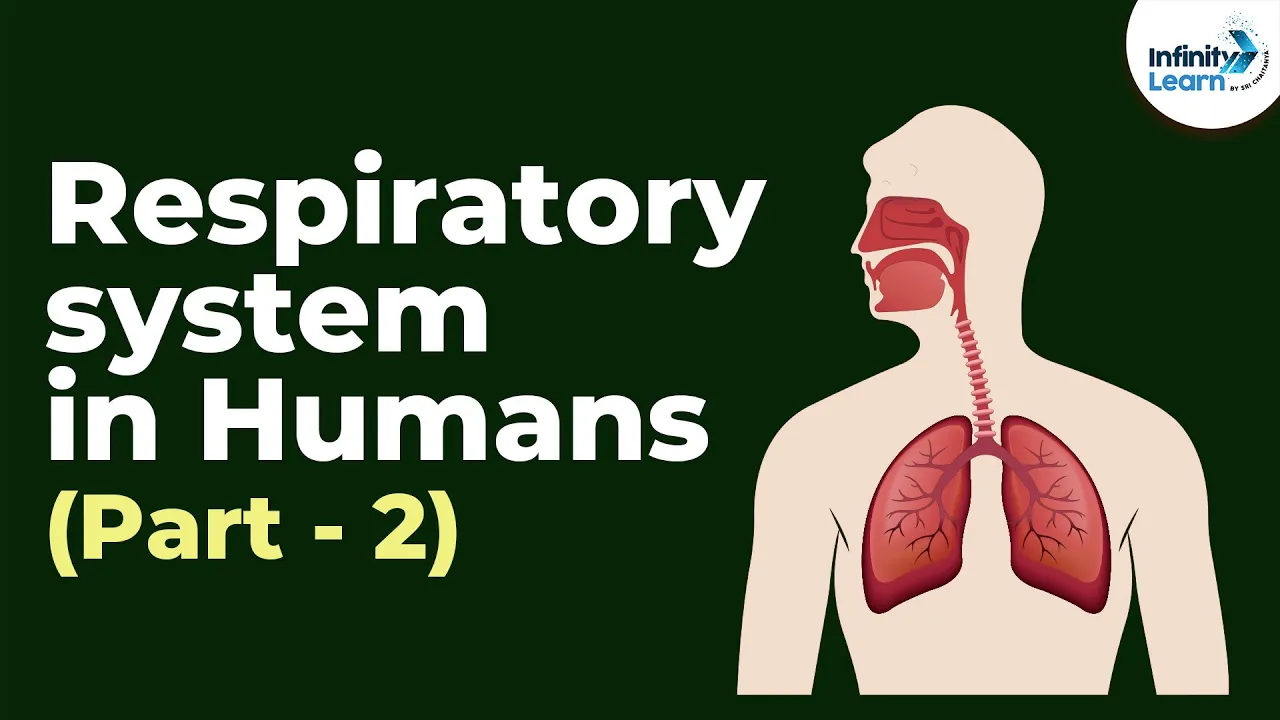
[Music] the nasal cavity the pharynx and the larynx make up the upper respiratory tract this is where we concluded the previous part now it's time we have a look at the lower respiratory system as the air passes down the larynx it has to travel far crossing many junctions in between the first Junction is the track here this is also called the windpipe this is a slender muscular pipe that lies just below the larynx it usually makes up the throat region and extends till the fifth thoracic vertebra post this it gets divided into two branches the
trachea is surrounded by rings of cartilage it is the hyaline cartilage that surrounds the windpipe which gives both strength and flexibility to the tracheal muscles if the structure is observed from the dorsal view then the cartilage rings are found to be incomplete that is they are C shaped and do not form a complete ring like structure this helps in easy contraction of the muscles when the food is passed down the esophagus like just behind the trachea at the point where the trachea is about to terminate it's the next Junction that arrives this is called the
bronchus as we can see here bronchus acts like the entry point in the lungs it gets divided into two branches called the right main bronchus and the left main bronchus which is the right anguishes the left by the way well here we're referring to the structures with respect to the human body that has the system in other words if this individual is standing in front of you then this is the right and this is the person's left side similarly here this is the right and this is the left main bronchus getting back the bronchi entered
the respective lungs to get further divided into bronchioles now before we talk about the lungs and the surrounding protective case let's continue with the bronchioles and the terminal structures the bronchioles are these smaller root-like structures that are present inside the lungs these ultimately lead to the bundles of these tiny sacs any idea what are these structures that appear like cluster of grapes well these sacs form the basic units of the respiratory system they are the actual sites of the gaseous exchange that is the exchange of oxygen and carbon dioxide between the lungs and the blood
occurs in the alveoli one single ball like this one is called the alveolus any idea why these alveoli have these several spherical ball like structures why isn't a single alveolus a complete ball well many smaller balls help in increasing the surface area imagine this single ball suppose it has the surface area of X meter squared now if the same volume is occupied by 25 smaller bowls it's obvious that the surface area will increase by many folds similarly here as well the number of smaller structures make sure that the surface area increases and the maximum surface
gets available for the gaseous exchange if we zoom in to see a single alveoli we find that the cluster is richly supplied with blood capillaries a cross sectional view of a single alveolus helps us understand that it's very thin and composed of a single celled memory the extremely thin membrane helps in very easy exchange of gases between the alveolus and the RBC's flowing through the capillaries the process of gas exchange occurs wire diffusion so oxygen that has come to this alveolus gets diffused across the membrane and is grabbed by the RBC's once this is done
the carbon dioxide also gets into the alveoli via diffusion and this carbon dioxide travels back the complete tract to reach the nostrils and move out of the body this is how the gaseous exchange occurs in each alveoli now that we know how the components of the respiratory system present inside the lungs work let us focus on the lungs and the other remaining components of the lower respiratory tract let's lunda in the next part [Music]