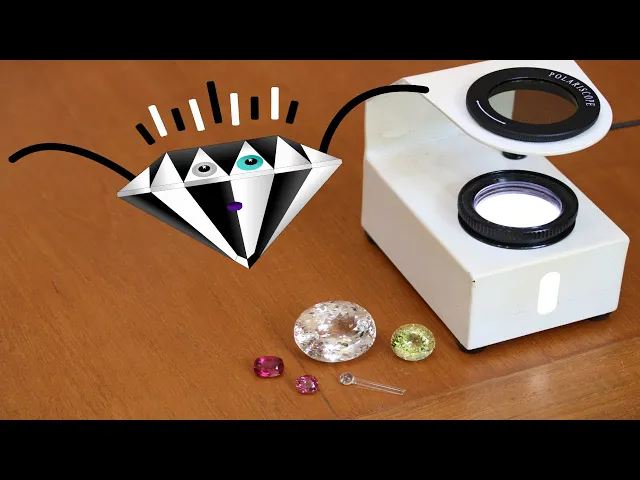
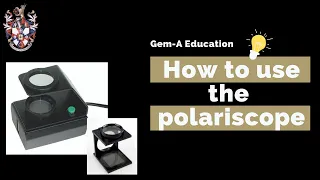
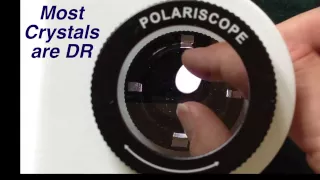
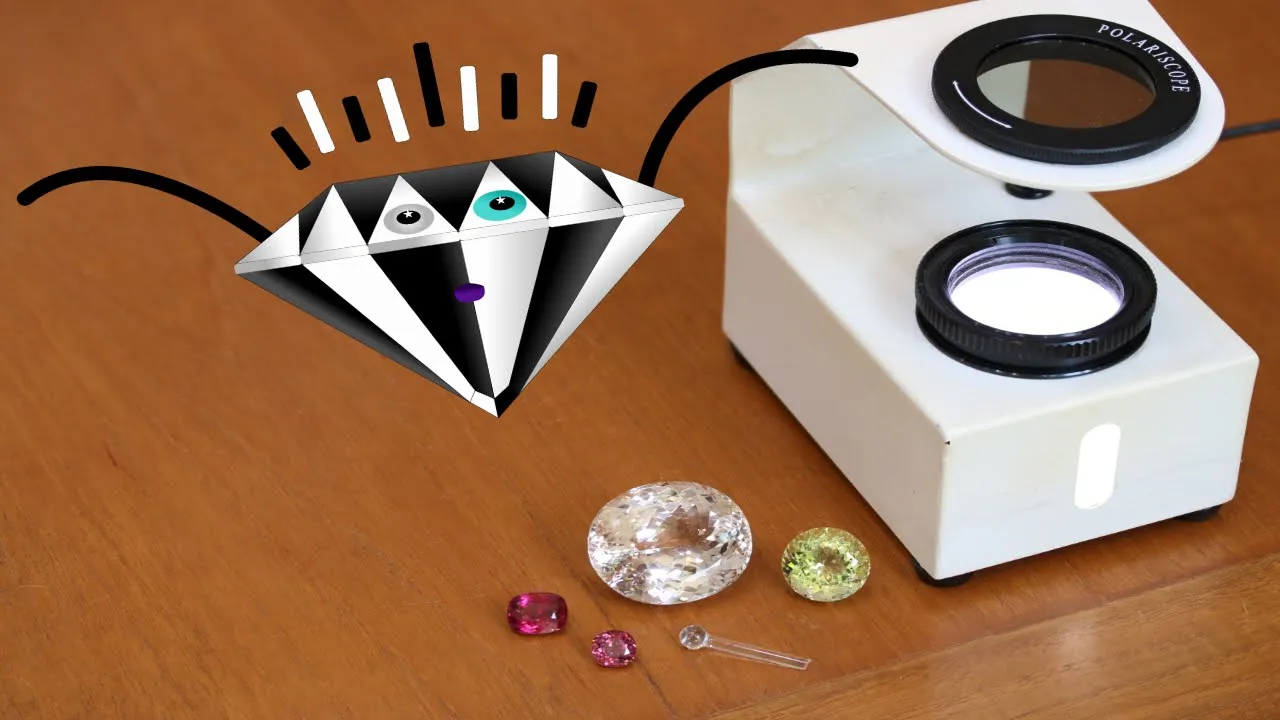
welcome back everybody to gemology for Schmucks my name is Peter Nelson and I'm here to tell you everything you need to know about gemstones today what we're gonna be talking about is this device right here it's another one of the basic equipment that geologists use to distinguish different types of gemstones this is called the polariscope so what we're gonna do is talk about how to use it how it applies to these stones and what kind of benefits it can give us what it does for us is it basically polarizes light it shows us which stones
split light and which stones do not it can also go one step further and show us something called optic character which is how many optical axes the stone will have and that's basically in what directions it splits light there are some stones that split light in one optic axis and others that will split from two optic axis so stones that have something called try crow ism like tanzanite will split like pipes which is why it's possible for them to have three different colors so for example here I've got two red stones and they're a very
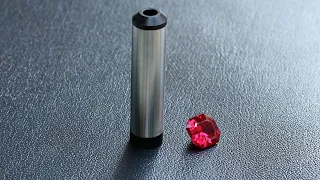
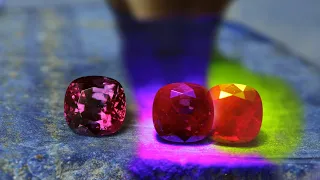
similar type of red there is difference of course but for example if you were buying stones and these were just mixed into the same lot then you might have difficulty knowing which is which now they're both pretty they're both a very similar kind of red but the problem is one of them is at least double the price of the other I'll give you a hint it's the smaller one this stone right here is tourmaline and this stone right here spinel spinel does not split like whereas this one does now you might be able to see
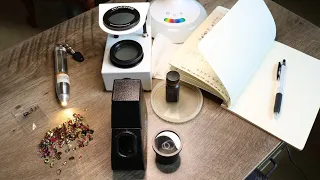
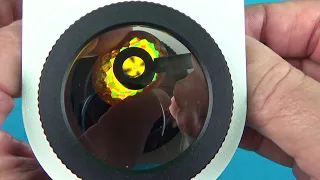
the dichroism that we've been talking about in another episode but if you're struggling that day and you just need some extra proof then the polariscope can help you out so what is a polariscope a polariscope basically has two polarizing filters one here on top and one that is down here in the plate that goes under the stone and what you need is for this top plate to be able to rotate so in order to use the polariscope we need to cross these two filters so that they go in opposite directions and basically block out light
so when you take a stone and you use the polariscope light is coming through that polarizing filter into the stone that means that light has already been filtered in one direction so some direction of light is going into the stone now if you've got that top filter crossed and it's going to another direction light cannot go directly through to your eye however because these stones may split light what will happen is as the stone is row hated that one directional light will find its way through to your eye and the stone will appear to blink
now however if you have a stone like spinel that does not split light then the stone will just remain dark even as its rotated and that's because the light is not getting split so it's only remaining in that one direction it's getting blocked by that top polarizing filter so this lemon quartz and this tourmaline both split light in one optic axis so it'll appear to blink this topaz will also appear to blink but it has two optic axes so how is it different how are we gonna know that's where you need something that a lot
of people fondly call the lollipop technically it's called the corner scope but who doesn't like pet names so this is just a little glass sphere sometimes it's a tiny magnifying lens sometimes it's made out of acrylic it doesn't matter but what it needs to do is basically function as a lens so what will happen is as you rotate the stone around especially if you use one that's large like this you might find an area that looks iridescent and that basically mean it has rainbow colors and that basically identifies the optic axis so you can take
this corner scope and put it directly on top of that little patch of rainbows it will show you a symbol that will reveal the nature of the stone now when you're looking for that patch of iridescent I suggest using a large stone because it's kind of one of those things that if you haven't seen it before then you have no idea where it is but bigger stones it's easier to find that patch and the patch might be huge it's kind of like in Pirates of the Caribbean you know that Island where Cortes hid his gold
hidden on an island that cannot be found except by those will already know where it is so start with the stone that you know is doubly refractive maybe a piece of topaz or something like that look for that patch of your Desson sand once you've seen it once it's much easier to find it on the second try so for something that has two optic axes like this it'll basically look like a bowtie on something that has one optic axis it'll basically be a ring with a cross that runs through it I know it sounds a
lot like something out of Harry Potter but I promise you this is actually physics and quartz has something that's unique that doesn't happen in any other stone called the bullseye so the bullseye optic figure is basically a ring but the lines that come to it do not go through into the ring and if you see that you know for sure that this stone is quartz as we said earlier with the spinel this does not split light so you're not going to find that iridescent patch on here in order to use the polariscope the first thing
we need to do is rotate this top polarizing filter and make sure that there's no light passing through sometimes that's called the dark position other people call it crossed filters but whichever you prefer then we take our stone put it in here and then we rotate this stone if the stone blinks then you have good reason to believe that if they doubly refractive stone but we still need to check and make sure some stones will actually trick you I don't understand the physics behind it but there are stones that are singly refractive that can blink
so the way we test is we rotate the stone to a bright position where we think it's the brightest so if it's blinking on and off you want to go to where it blinks on and then you open this top filter if the stone gets a darker or stays the same amount of brightness then it's a doubly refractive stone if it gets noticeably brighter than it's a singly refractive stone it's a deceiver in a previous episode we talked about the dike rosecope which can show us stones that have playa cro ism but with stones that
are so lightly colored like this topaz or even this lemon quartz the difference between those two colors may not be distinct enough for us to be sure that this stone is dichroic and splits light so it's birefringence this however makes any stone easy once you're proficient with it it's quick and easy to use and you can check stones quite quickly so is the polariscope a necessary piece of equipment for all gemologist to have what I will say isn't maybe it depends on if you're dealing with a lot of mystery stones if you're doing identification with
stones that you're not certain or one type of stone or the other then this is an excellent tool to have it's not very expensive and it's very definite information the one thing I will say is when you're buying a polariscope please do make sure that you get a kono scope or some kind of the tiny magnifying glass that goes with it and make sure that this top filter rotates not all models do most of the modern ones do but not all of them do so just confirm that the top filter can be rotated thank you
for joining me on geology for shmucks this was an episode about the polariscope and I hope that it expanded your mind about the mysteries of physics that are shown in stones if you've got any questions please leave it in the comment section below I enjoy interacting with you on these things if you enjoyed this video hit like hit subscribe and tell all your friends about it see you next week bye-bye