Hello, friends! Today on our show "Path to a Billion," we’re diving into the world of monopolies. No, we’re not talking about how to win the board game and buy up all the properties.
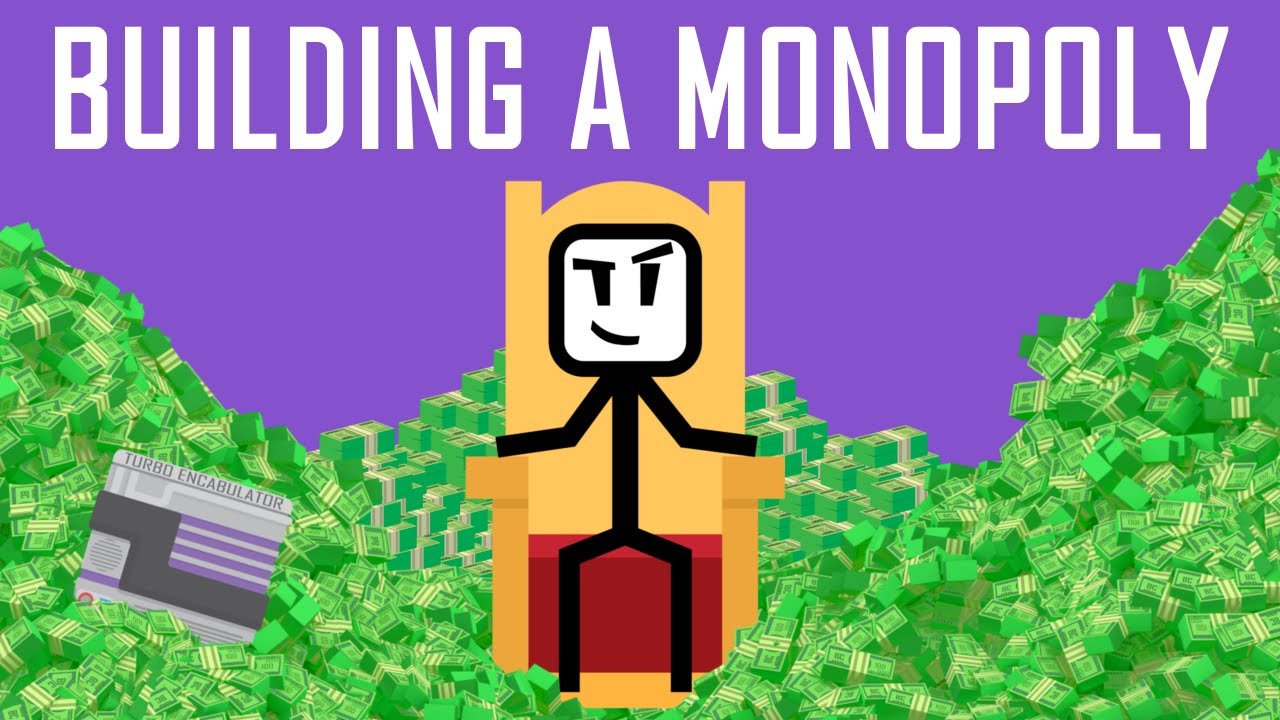
We mean real monopolies—the ones that control markets and make us feel like small players in a big game. What is a monopoly? A monopoly is when one company takes over the entire market, leaving no room for others.
Imagine you’re the only lemonade seller in town. Want to raise prices? Go ahead.
Want to water it down? Sure, who’s going to stop you? There’s no competition, so you’re the lemonade king, and everyone drinks what you pour.
It’s a sweet setup! Signs of a monopoly: Lack of Competition: The market is dominated by one company, or other players can’t compete effectively. Price Control: The monopolist sets prices without worrying about market forces.
High Barriers to Entry: New companies struggle to enter the market due to high costs, patents, or legal restrictions. Large Market Share: The company controls a significant portion of the market, influencing supply and demand. Unique Product: The monopolist’s product has no close substitutes or alternatives.
If I become the only coffee seller in the office, does that count as a monopoly? " Only if you manage to take out the main competitor—the water cooler. Examples of monopolies Let’s look at some real-world examples.
Take Google, for instance. When was the last time you used Yahoo? Probably not recently.
Google controls 92% of the search engine market, so if you want to find something, you don’t really have a choice. Or how about Microsoft? They monopolized the operating system market so much in the '90s that antitrust authorities had to step in.
But let’s be honest—who’s using anything other than Windows or macOS these days? Why are monopolies bad? Sure, monopolies can be great for the companies involved, but for us consumers, it’s not always so rosy.
With no competition, companies can do whatever they want: hike prices, lower quality, or stop listening to their customers. And we just have to deal with it because there’s no alternative. Now, let’s check out some more interesting facts about real-life monopolies.
Standard Oil, founded by John D. Rockefeller, controlled about 90% of the U. S.
oil market by 1880. In 1911, the U. S.
Supreme Court declared it a monopoly and broke it into 34 companies, including future giants ExxonMobil and Chevron. Did that change the situation? (thoughtfully) In 1998, the U.
S. Department of Justice filed a lawsuit against Microsoft for abusing its monopoly on operating systems. The company controlled over 90% of the PC market and was accused of pushing out competitors like Netscape.
Microsoft avoided being split up in 2001 but faced restrictions on its business. And yet, here we all are, still using their system! South African diamond company De Beers controlled about 85% of the global diamond market in the 1980s.
They set prices and controlled the supply of diamonds. By 2020, their market share had dropped to 29%, but they’re still a major player. Have you heard about this company?
" That’s all for today’s show! Don’t forget to check out our link in the description and dive into the game “X Empire.