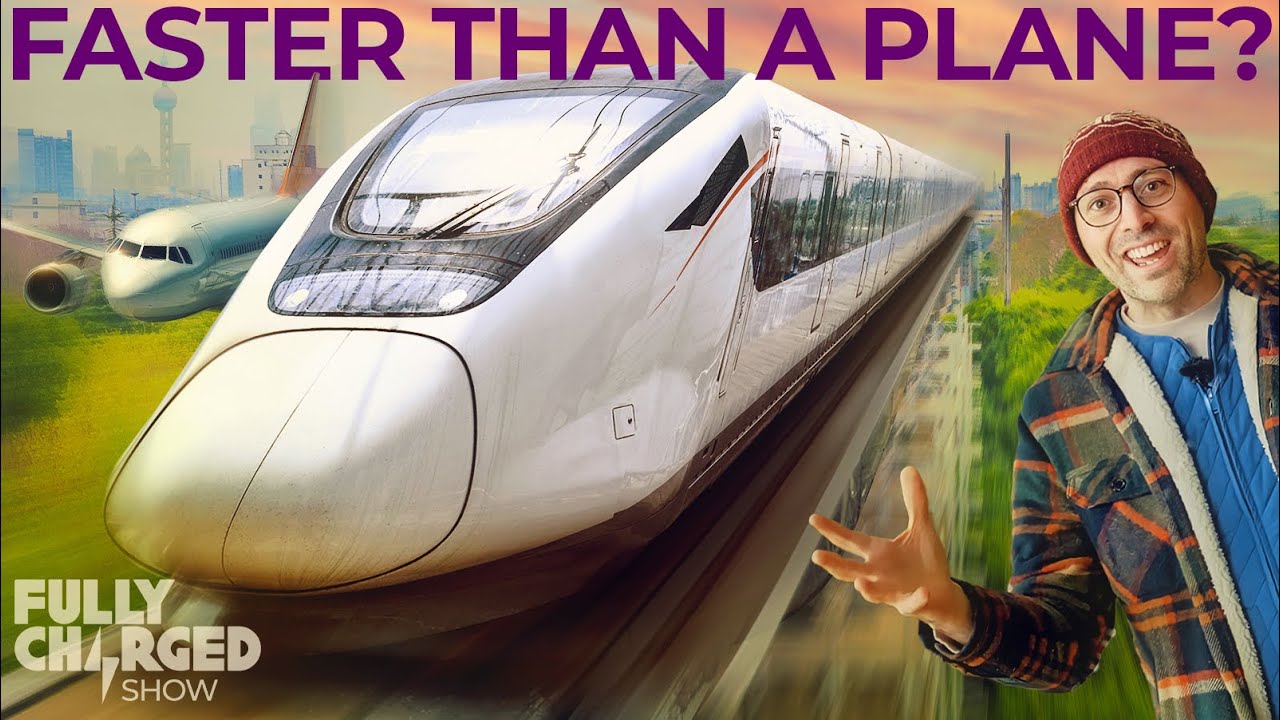
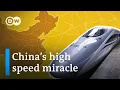
High speed trains are fast, efficient, and low-carbon. They can be found all over the world in growing numbers you can take one from here, or here. Or even here.
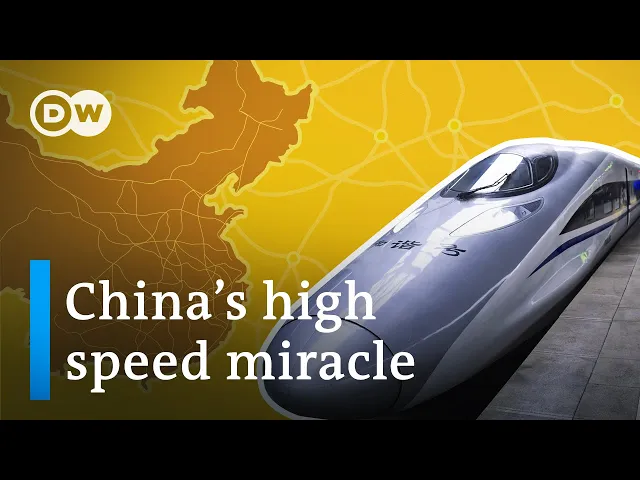
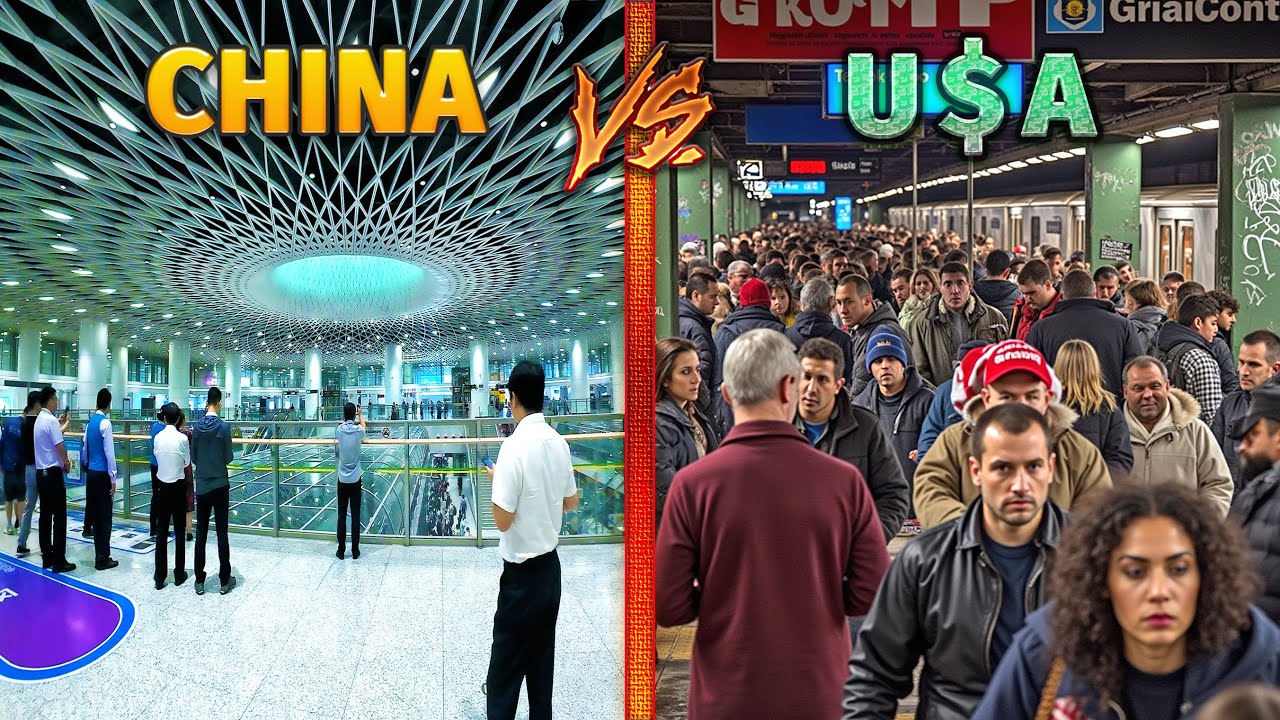
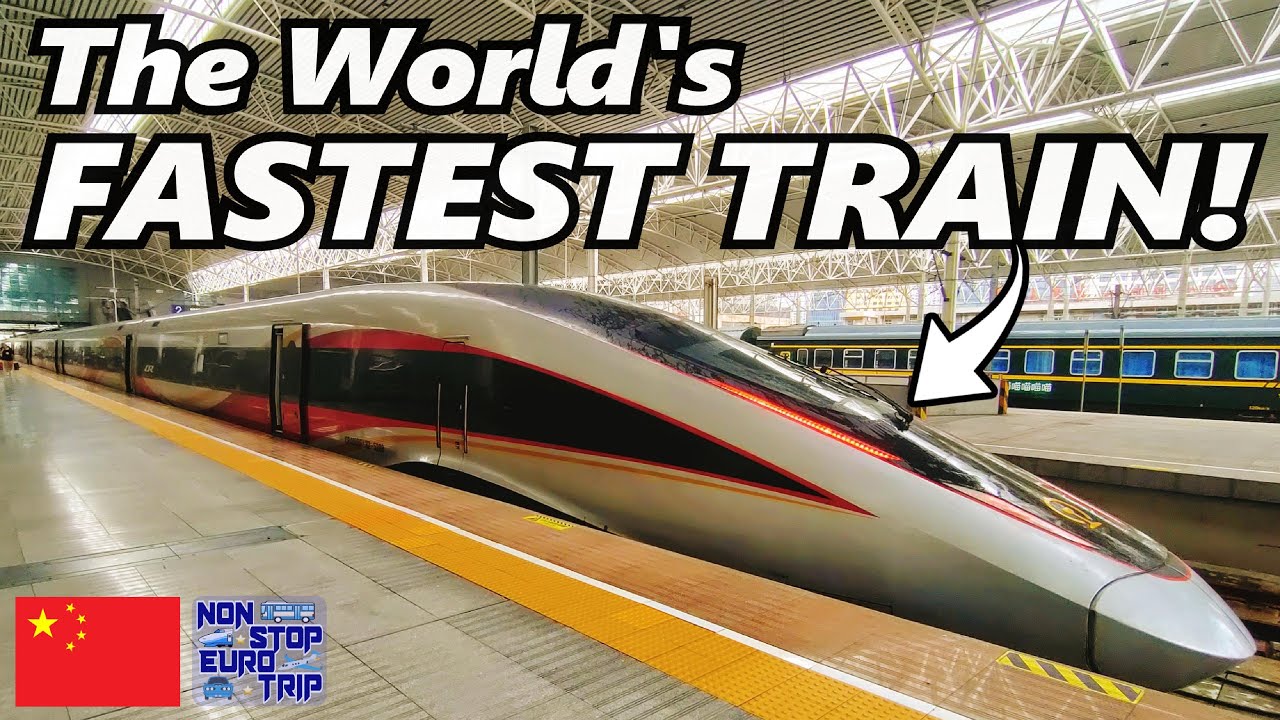
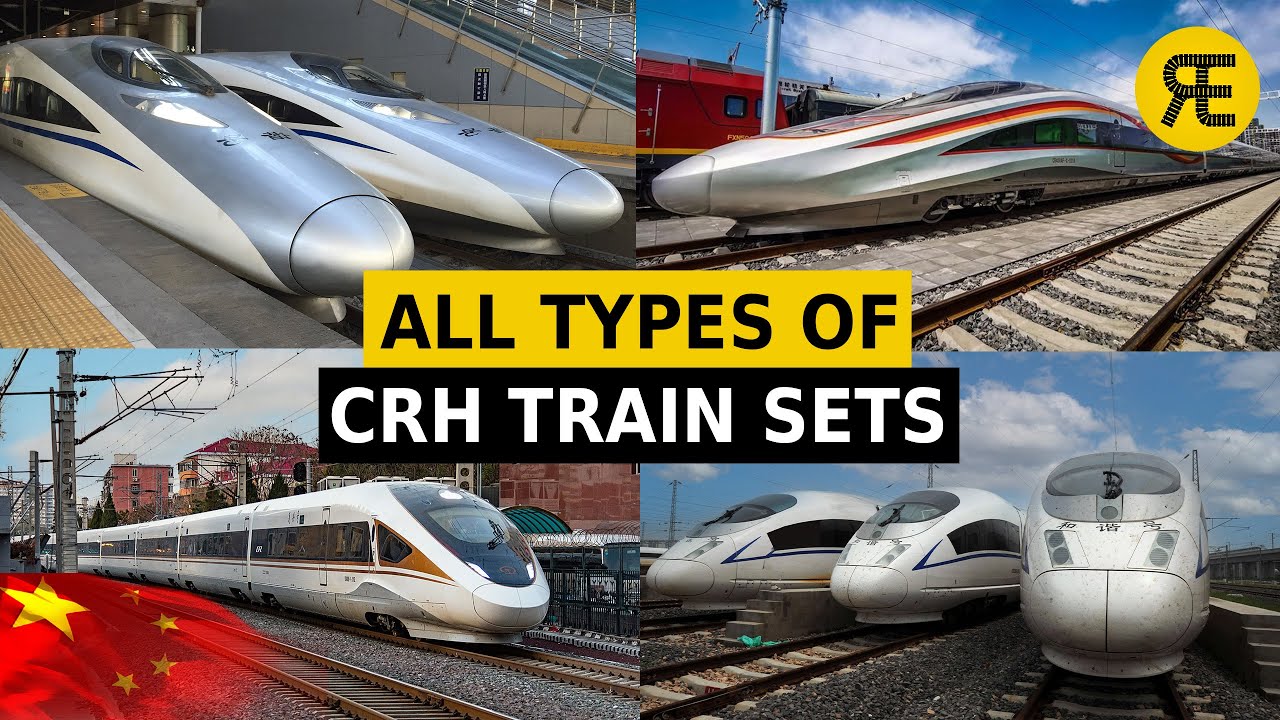
But who takes the cake for the world s best high-speed rail system? China. In little more than a decade, China has built almost 40,000 kilometers of high-speed rail, connecting nearly every major city in the country.
China now accounts for roughly two thirds of the world's high-speed rail volume, outstripping both Japan and the EU. Meanwhile, in Europe, only 11,000 km of high-speed rail are currently in use, according to the Worldwide Railway Organization. And forget about the US – it barely even has one.
So how did China do it? Can other countries even come close to achieving the same? And what do expensive lizards have to do with it?
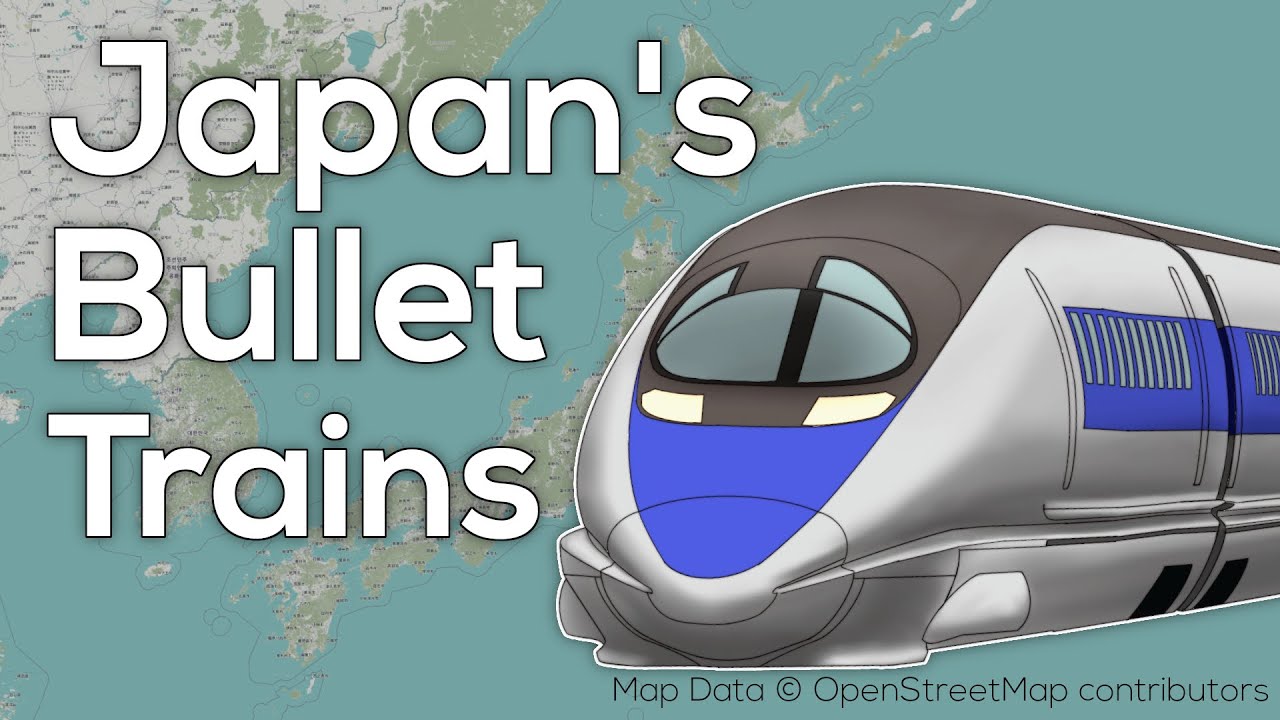
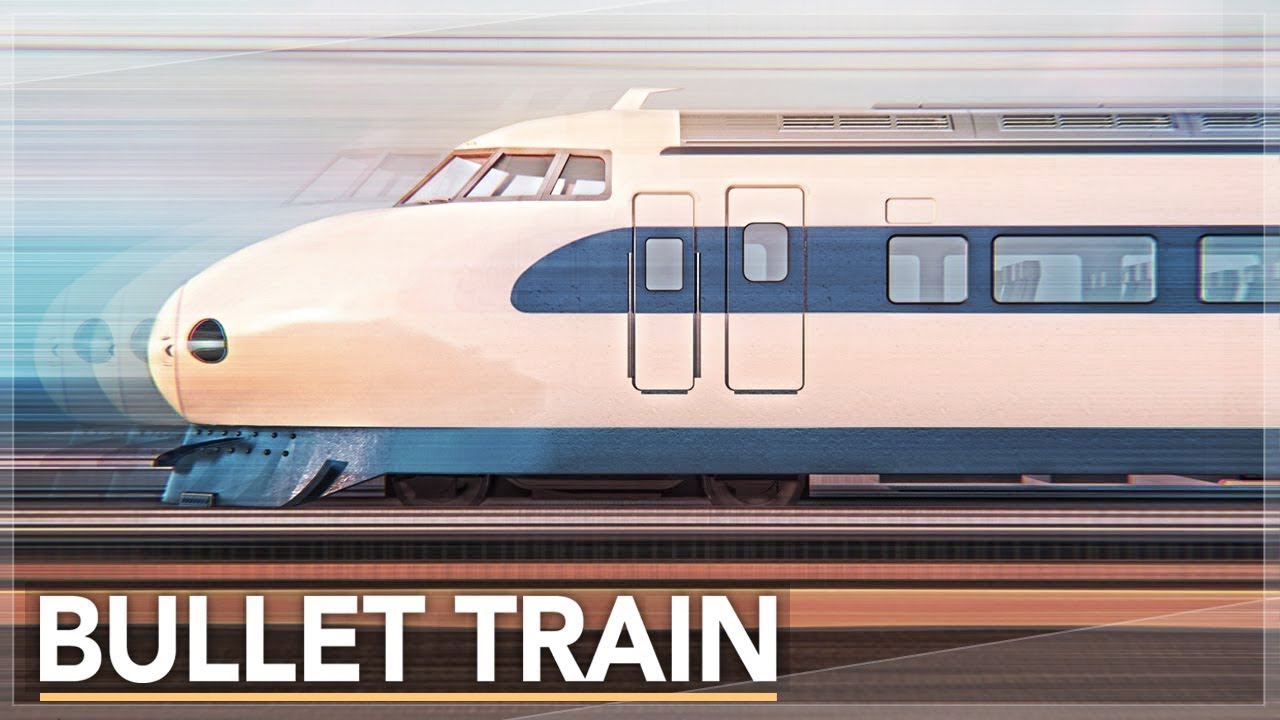
To give you some idea of just how impressive this feat is, we have to dial history back a bit. In 1969, Japan was the first country to debut a high-speed train. The UIC defines high speed as faster than 200 km/h.
Back then, the Shinkansen bullet trains could run at 210. Eager to compete, the US inaugurated its Metroliner service between New York City and Washington, D. C.
in 1969. Next up? France.
In 1981, it opened a high-speed train line between Paris and Lyon. Then Germany got on board with the Intercity Express in '91. Italy, Spain, and Russia soon began rolling out their own networks.
In contrast, China's rail network had changed little over the decades and was in no shape for high-speed use. But then, China's so-called economic miracle did its thing. "The Chinese did not invent high-speed rail, but boy have they adopted the idea and run with it.
" This is Mark Smith, otherwise known as "The Man in Seat 61". He runs one of the internets most popular train blogs, so he rides a lot of them. Like, a lot.
"They are now streaks ahead of any other high speed operator in terms of the network they've built. It's incredibly well organized. Everyone on the high- speed network has their own reserved seat.
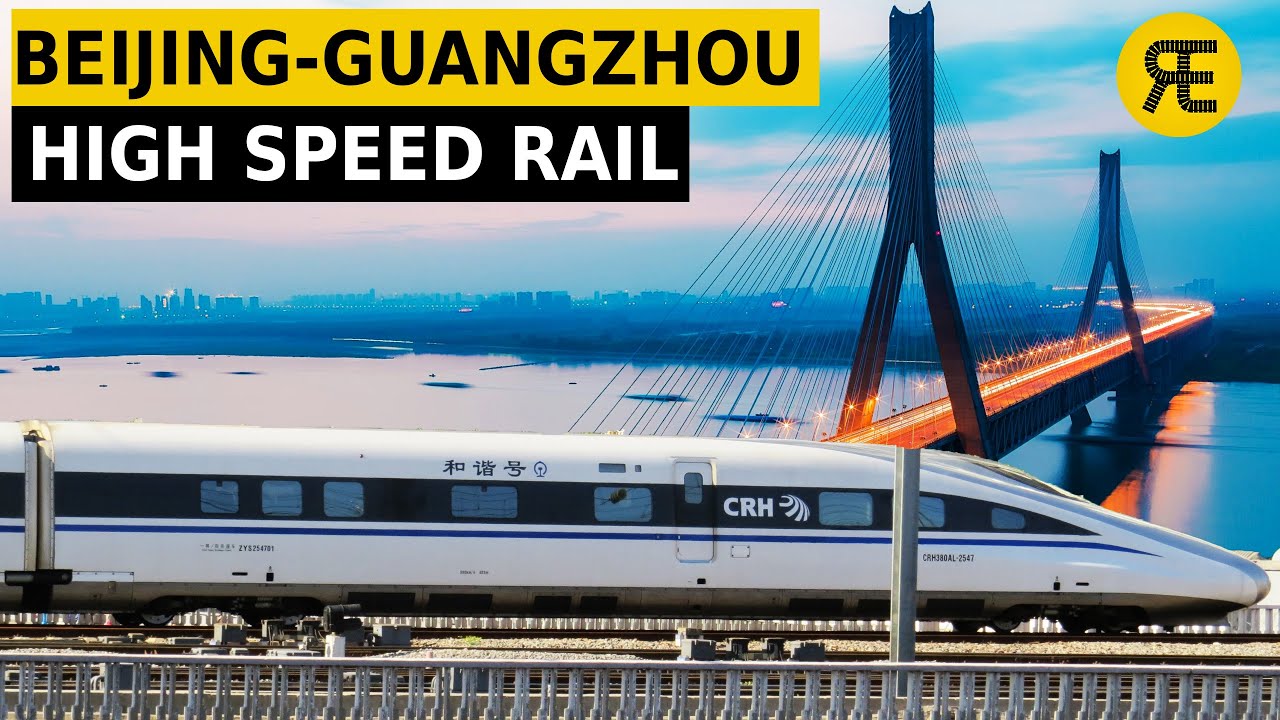
They've got all the boarding processes down. " Today, you can get from Beijing to Shanghai – a distance of 1,300 km – in just 4 hours. You can go from north to south, from Beijing to Guangzhou, in 8 hours, instead of 22 on a regular train.
And if you really wanted to, you could take a bullet train to Tibet at 3,000 meters above sea level with automated oxygen supply and tinted windows so you don't get sunburned at such a high altitude. So how was all of this even possible? Well, firstly because they could do it for a bargain price.
In China, a kilometer of high-speed track costs 17-21 million USD . In Europe, that price tag is 25-39 million USD. "China's infrastructure boom was and is a matter of political will, but also, the ability to mobilize massive amounts of cheap labor, which is connected to cheap materials.
" This is Cecilia Han Springer, who does research into the environmental impact of China's infrastructure policymaking. "They take a massive amount of steel and aluminum and other really carbon intensive materials, which are sourced from domestic producers. " And using domestic producers, of course, boosts the economy.
By the 2008 Beijing Olympics, China had already opened its first high-speed line from Beijing to Tianjin that ran at 350 km/h. "They started with the four by four network. So four north to south, and four east to west.
And that was around 2004. " David Feng is an independent researcher specializing in China's high-speed rail network. Though he's currently sitting in a car, he's probably taken even more trains than Mark Smith.
"Then to deal with the financial crisis in the late 2000s, the idea was they would extend parts of the four by four network. And then afterwards, around the mid 2010s, they were like, wait, this isn't going to be enough. We need to double the whole network.
It's going to be eight by eight, not four by four. " Except to do that, you also have to move a lot of people out of the way. China has been swift and ruthless about relocating residents.
And if you don t want to move, well, they'll just build around you until you do. But it's not just people you have to move. Germany's Stuttgart rail station, for example, has been planned since 1995 but is nowhere near done.
It's faced endless budget and planning problems, including. . .
lizards. In 2017 the delayed project was further derailed when Deutsche Bahn claimed it would have to resettle endangered lizards at a cost of 15 million euros. That's a budget of two to four thousand euros per lizard.
Not in China. "The Chinese legal code allows basically the authorities to basically. .
. " "China doesn't have that issue because they can exercise eminent domain and kick people out of their fields. " I'm not saying that's good, but it definitely enabled the development of that network.
" By 2013, China had built 10,000 km of high-speed rail: just about the total amount currently in use in the whole of Europe. And it doesn't have to worry about profitability – many lines are running at huge operating losses. Why?
Politics, of course. "I think the numbers speak for themselves. If it's not economically viable in the near term or even the medium term, there's got to be something else going on, right?
Thinking of those hinterlands of China, like Xinjiang and Tibet that you mentioned was more part of a Belt and Road initiative type of program with clear geopolitical goals alongside economic ones. " China's high speed story has been so successful that trains could actually dominate commercial travel – which bodes pretty well for the country's goal to be carbon neutral by 2060. But there's another factor in its favor: flying in China?
Sucks! Its airports are consistently ranked the worst in the world for punctuality. "With the planes, I was used to delays of up to five, six, even seven hours.
I got back in Beijing at 4:00 in the morning when I was supposed to be home like about 10:00 or 11:00. " He can thank the military for that: it controls roughly three quarters of China's airspace. So that means commercial flights have to wait until the army gives the go-ahead for takeoff.
And guess who that s good for. "The rails have basically outcompeted the airline companies, for example, between eastern China to central China. Those were routes which were very big with the airlines, before high speed came in.
The railways have been able to attract so many more customers that flights have pretty much ceased between these metropolitan pairs. Building all of this is carbon intensive. But all in all, China's push for rail still greatly reduces its long-term footprint.
And for the world s biggest CO2 emitter, that's a big payoff for the planet. But China's story is nowhere near the end. The country is aiming to double its high-speed network by 2035, taking it to 70,000 km of tracks.
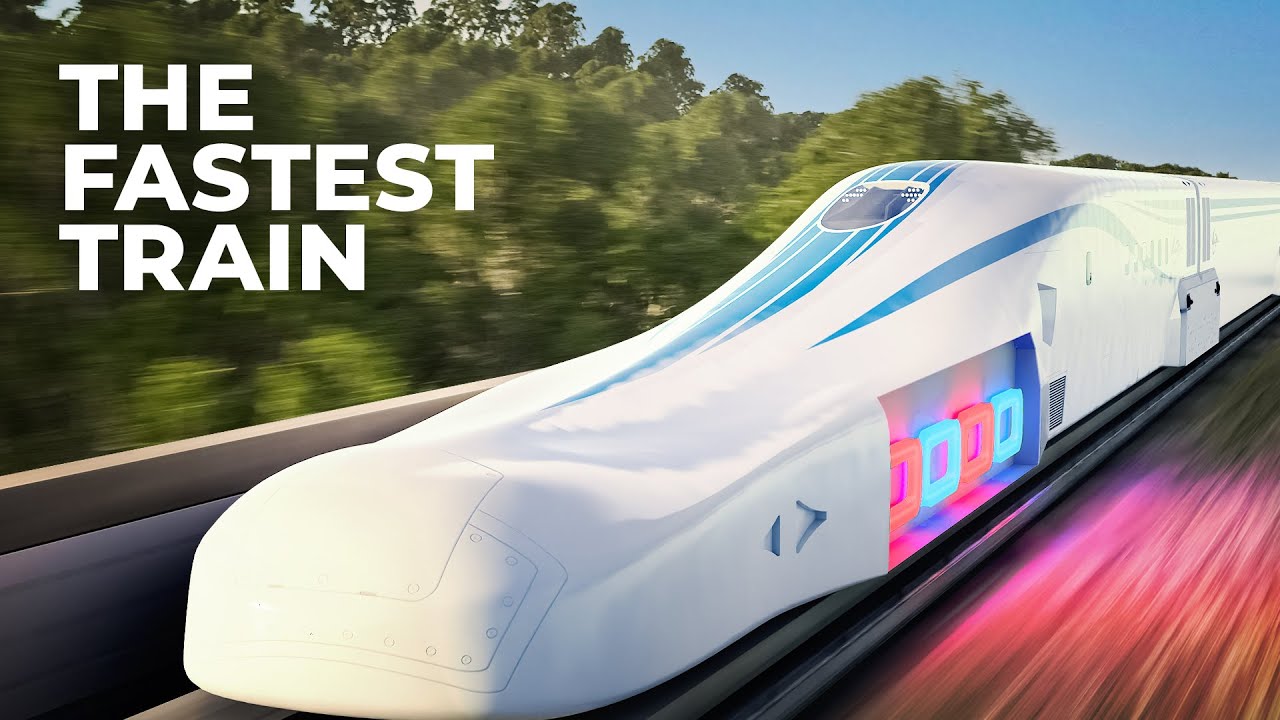
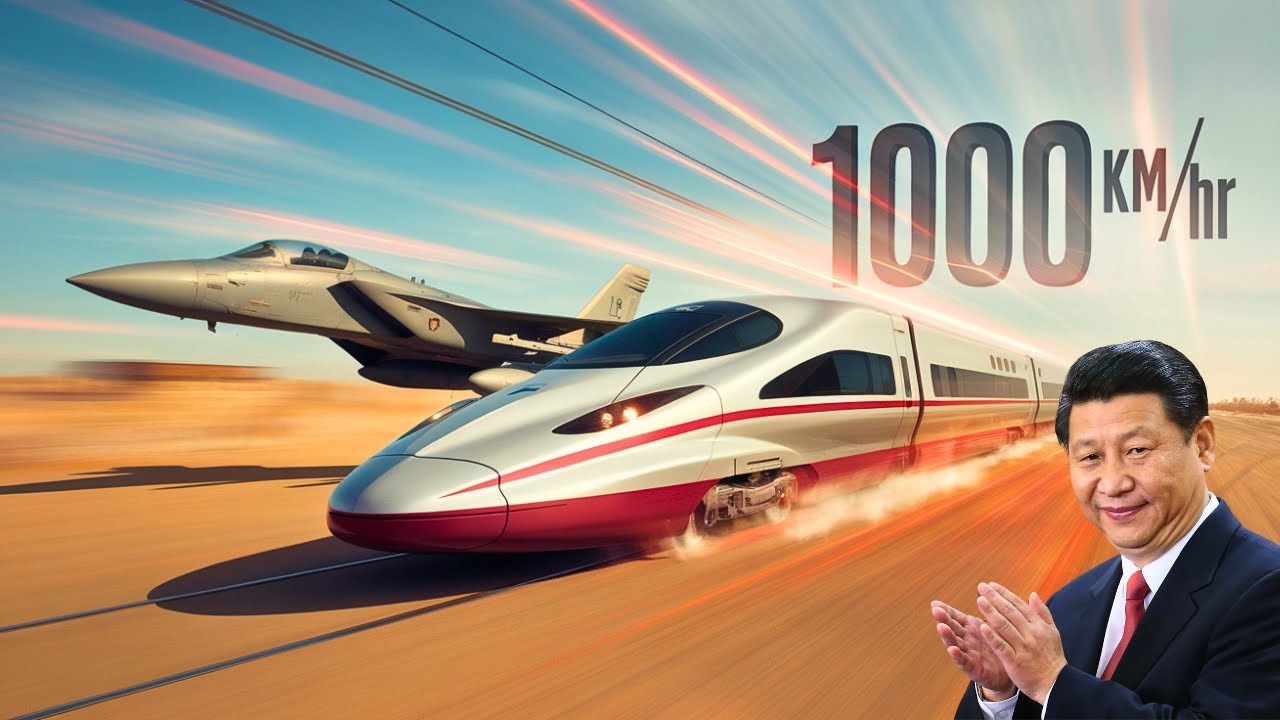
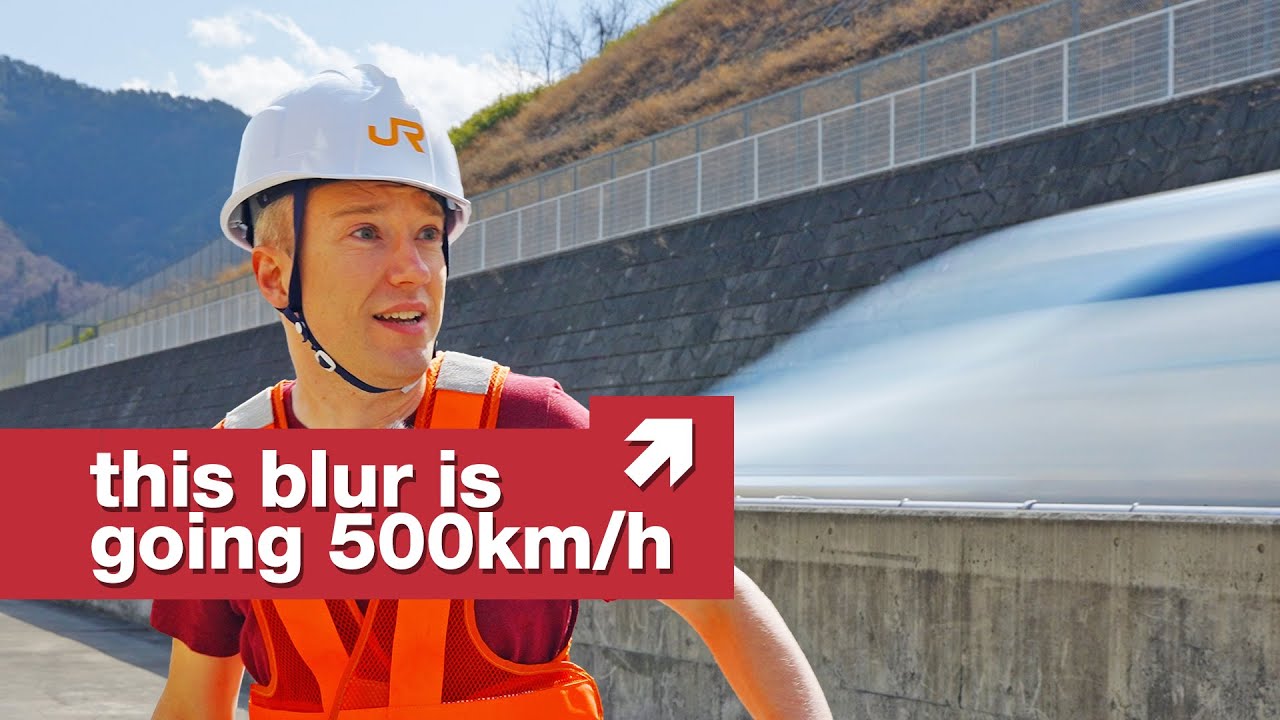
As if that weren't enough, the government recently made a big splash around the rollout of its fastest maglev train – you heard that right: magnetic levitation – which goes up to 600 km/h. It's the world's fastest land vehicle. So: can other countries do the same?
Well. . .
"No. Not in my lifetime. " In Europe, you can blame the plane.
Flights are just too cheap. Why take a 40-hour train when I can get from Berlin to Edinburgh in two hours for. .
. are you ready for it? 10 euros.
European air travel has actually been on the rise in the past few years. The pandemic devastated all travel, but the rail system took such a hard hit that the EU launched a campaign to lure travelers back. But the bloc's bigger problem is a pretty obvious one: there are 27 countries in it.
"The biggest issue in Europe is the fragmentation. Different operators with blinkers on, looking at their own bit and not seeing the big picture. " Europe has its own rail agency, but it has no legal power to regulate projects or enforce deadlines.
This makes cross-border coordination of schedules and fares kind of a mess. Say you wanted to go from Madrid to Rome by high-speed train. You need four different ones to get there – Barcelona, Paris, Turin, then Rome.
The whole trip will take you over 49 hours, and you'll have to book each leg separately from different providers. Shanghai to Chendu is roughly the same distance as Madrid to Rome, which runs on a single high-speed train line, and takes 11 hours. With one click.
And what about India, a country comparable in size and population? It has a vast rail network, but not one high-speed line yet. The first planned one, linking Mumbai with Ahmedabad, has been delayed for five years over land acquisition issues.
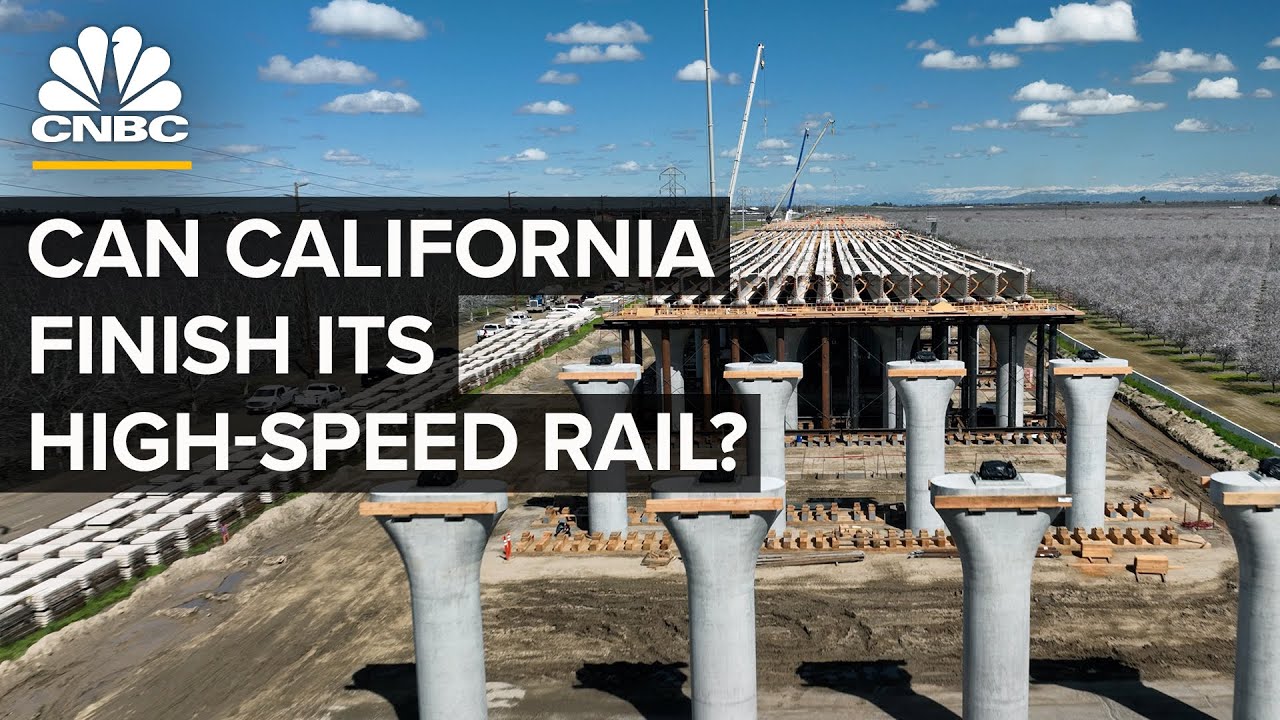
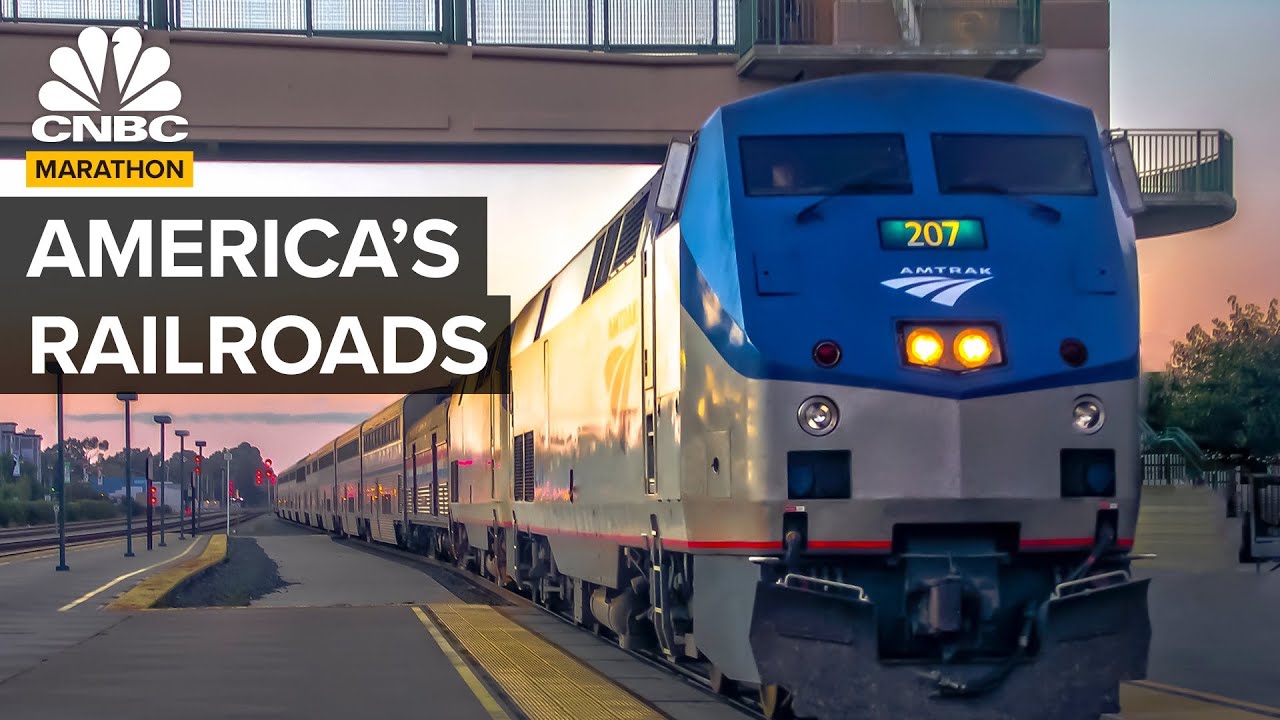
And the US? "The US had a fantastic network of trains, some of the best trains in the world, they had streamlined trains with Vista domes, diners, lounges, observation lounges when we were running wooden cages with steam trains in the late 30s. But when the '60s came, America became the land of the automobile and they pretty much threw it all away.
They've got a skeleton network now with Amtrak. " Despite government pledges for. .
. ". .
. the largest investment in rail, since the creation of Amtrak. " Car-loving taxpayers haven't provided the political drive to move the needle anytime soon.
"I think in the US, more than any sort of policy paradigm, it's just the fundamental car culture that has been here since we invented cars. So I think, you know, you shouldn't discount cultural factors. " So it doesn't look like anyone will catch up with China soon.
But the country has shown one way a high-speed rail future could be realized. So, how is the high-speed rail in your country? Tell us in the comments below and make sure to subscribe.
Now if you'll excuse me, I've got a train to catch.