Once upon a time, in a small village in India, there lived a young man named Ranak. He was a hard-working individual who dedicated most of his time to earning money and satisfying his desires. He had no time to think about morality or spirituality.
He was known in the village as a playboy who had a lot of girlfriends, and he didn't care about the consequences of his actions. One day, as he was walking around the village, he stumbled upon a group of people listening to a wise man named Gautam Buddha. He had heard about Buddha but had never really paid attention to what he had to say.
This time, however, he felt compelled to listen to the wise man's words. Buddha was speaking about the importance of living a life of morality and spirituality. He talked about the consequences of our actions and how they affect us, not only in this life but also in the next.
Ranak was intrigued by Buddha's words and decided to listen more carefully. As Buddha finished his speech, he noticed Ranak standing among the crowd. He walked towards him and asked him his name.
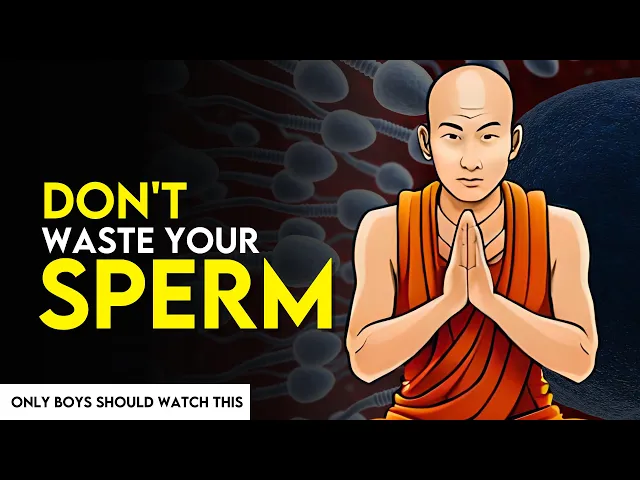
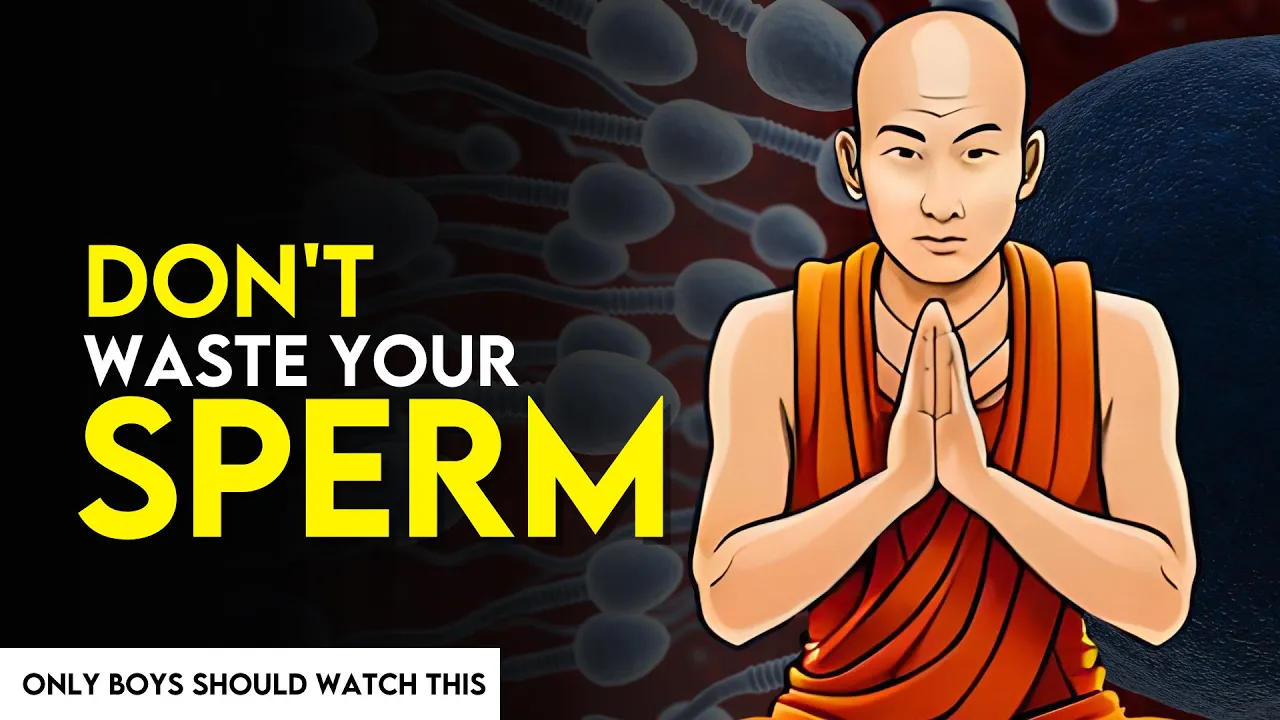
Ranak told him his name and shared his story with Buddha. He told Buddha about his carefree lifestyle and his addiction to sex. Buddha listened to Ranak's story patiently and then said, "Ranak, you are wasting your sperm.
Every time you engage in sexual activity, you waste a precious resource that could be used to create life. You are not only harming yourself but also the potential lives that could be created from your seed. " Ranak was taken aback by Buddha's words.
He had never thought of his sperm as a precious resource. He asked Buddha, "What should I do then? Shall I stop having sex altogether?
" Buddha smiled and replied, "No, Ranak. Sex is a natural and beautiful thing, but it should be done with love, respect, and responsibility. You should not waste your seed on frivolous and meaningless encounters.
Instead, you should focus on creating a loving relationship with someone who shares your values and principles. " Ranak was inspired by Buddha's words. He had never thought about sex in such a profound way.
He decided to change his ways and started living a more responsible and moral life. He stopped chasing after meaningless relationships and started looking for a partner who shared his values. Months passed, and Ranak had not engaged in sexual activity since he had met Buddha.
He felt proud of himself for having the strength to resist his desires. However, he also felt a sense of emptiness and loneliness. He had not been able to find a partner who shared his values, and he started to doubt whether he would ever find true love.
One day, as he was walking around the village, he stumbled upon a woman who was struggling to carry a heavy load. Ranak rushed to her aid and helped her carry the load. As they walked together, they started talking and getting to know each other.
Ranak was pleasantly surprised to find out that the woman shared his values and principles. They both felt a connection and decided to start a relationship. As their relationship progressed, Ranak realized the true value of sex.
He had always thought of it as a physical act, but now he saw it as a way to express love and create life. He felt grateful for Buddha's advice, which had led him to this point in his life. Years passed, and Ranak and his partner had a beautiful son.
They raised him with love, respect, and responsibility, instilling in him the same values and principles that Ranak had learned from Buddha. Ranak felt grateful for his life and knew that he had made the right choice by listening to Buddha's advice. Ranak continued to listen to Buddha's teachings and attended his lectures regularly.
He learned about the Four Noble Truths and the Eightfold Path, and he tried to apply these principles to his everyday life. He realized that living a life of morality and spirituality was not an easy task, but it was the only way to find true happiness and inner peace. As he grew older, Ranak became a respected member of the community.
People looked up to him for his wisdom and guidance. He became a mentor to young men who were struggling with the same issues he had faced in his youth. He shared Buddha's teachings with them, hoping to inspire them to live a more responsible and moral life.
One day, as he was sitting in meditation, he had a vision of Buddha. Buddha appeared before him and said, "Ranak, you have done well. You have lived a life of morality and spirituality, and you have inspired others to do the same.
But your journey is not over yet. There is still more to learn, more to experience, and more to give. " Ranak was filled with joy and gratitude.
He knew that Buddha's teachings would continue to guide him throughout his life, and he would continue to share them with others. Years passed, and Ranak grew old. He knew that his time on Earth was coming to an end, but he was not afraid.
He had lived a fulfilling life, and he knew that he had made a positive impact on the world. He had a loving family, loyal friends, and a community that respected and admired him. On his deathbed, he called his family and friends to his side.
He told them about his journey and how Buddha's teachings had transformed his life. He asked them to continue his legacy by living a life of morality and spirituality and by sharing Buddha's teachings with others. As he took his last breath, he felt a sense of peace and contentment.
He knew that his journey was complete and that he had fulfilled his purpose in life. He left behind a legacy of wisdom, love, and compassion, and his spirit would. .
. Continue to inspire others for generations to come. In conclusion, the story of Ranak teaches us the importance of living a life of morality and spirituality.
It shows us that our actions have consequences and that we must take responsibility for them. It also teaches us that true happiness and inner peace can only be found by following a path of wisdom and compassion. Buddha's advice to Ranak about not wasting his sperm was not only about sexual morality, but it was also about the importance of valuing and respecting the precious resources that we have been given in life.
We should not waste our time, energy, or talents on frivolous and meaningless pursuits; rather, we should focus on creating a life of meaning and purpose. The story of Ranak reminds us that it is never too late to change our ways and live a more responsible and moral life. We should always strive to learn and grow, and to inspire others to do the same.
We should leave behind a legacy of love, wisdom, and compassion, and our spirit will continue to live on even after we are gone. What we have learned from this story: The story of Ranak and Gautam Buddha teaches us several important lessons. Firstly, it shows us the importance of living a life of morality and spirituality.
Ranak's initial struggles with sexual morality and lack of purpose in life were only resolved once he began following Buddha's teachings and striving to live a more responsible and meaningful life. By following the Eightfold Path and practicing compassion and wisdom, Ranak was able to find true happiness and inner peace. Secondly, the story teaches us the importance of taking responsibility for our actions and valuing the resources that we have been given in life.
Buddha's advice to Ranak about not wasting his sperm was not only about sexual morality, but it was also about the importance of not wasting our time, energy, or talents on frivolous pursuits. Instead, we should focus on creating a life of meaning and purpose. Thirdly, the story reminds us that it is never too late to change our ways and live a more responsible and moral life.
Ranak was able to turn his life around even after years of living a reckless and immoral lifestyle. By following Buddha's teachings and striving to live a life of compassion and wisdom, Ranak was able to leave behind a legacy of love and inspiration for generations to come. Finally, the story teaches us the importance of passing on our wisdom and teachings to future generations.
Ranak not only lived a life of morality and spirituality, but he also shared Buddha's teachings with others and inspired them to do the same. By passing on our knowledge and wisdom, we can leave behind a legacy of love, compassion, and inspiration that will continue to impact the world long after we are gone.