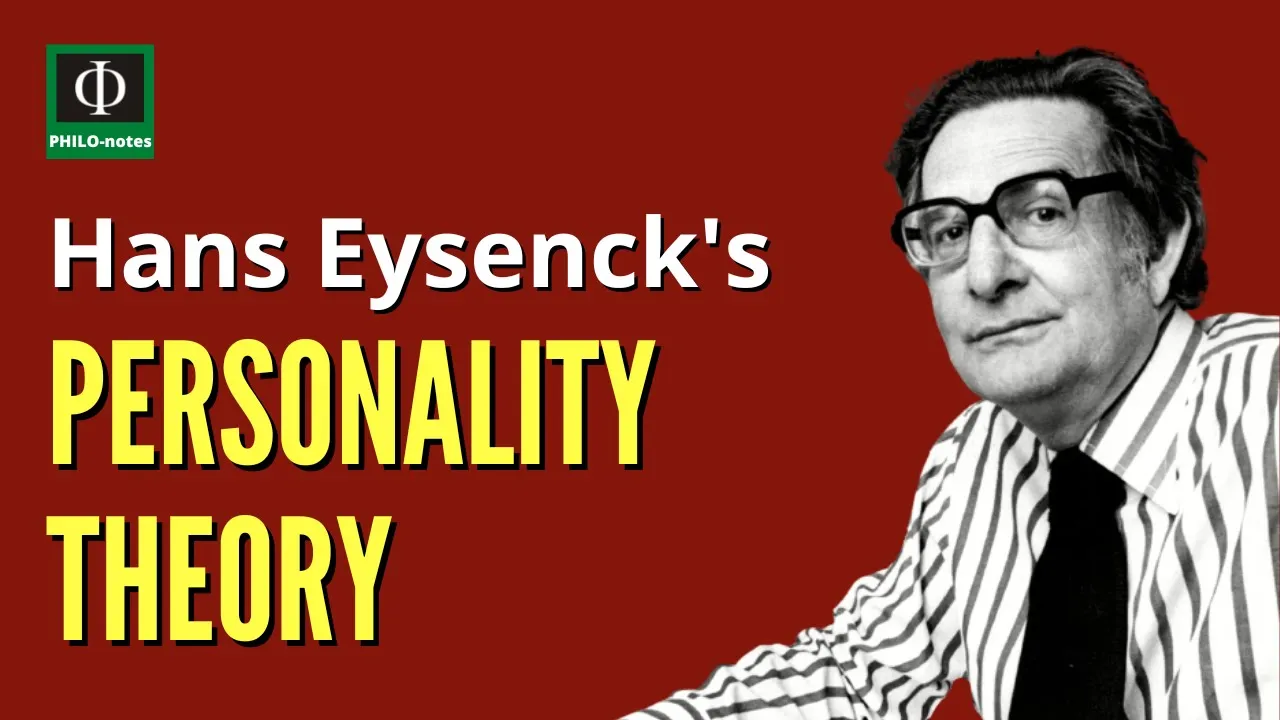
isink's personality theory key concepts hens isink was a psychologist and personality theorist who became famous for his theory of personality and intelligence that focuses on temperaments which he believes were controlled by genetic influences in fact i think believes that personality is largely governed by biological predispositions towards certain personality traits coupled with conditioning and socialization during childhood as we can see icing's personality theory takes into account both nature and nurture icing's goal was to combine the best theories and practices of experimental psychology with the best measurement techniques of individual differences from his earliest analyses of the
dimensions of individual differences through multiple iterations at theory building to his lasting achievements in building a paradigm for personality research he left a legacy of broad and rigorous research i sink strove to integrate behavior genetics psychophysiology cognitive psychology aesthetics and psychometrics into a unified theory of personality and individual differences although best known for his biological theory of extroversion his impact upon the field was much more than that and which cannot be summarized in this brief paper hence this paper will only briefly sketch the key concepts of isink's theory of personality structure of personality according to
isinc the 16 primary personality factors identified by cattell in the 16pf tests were unreliable and could not be replicated isink chose instead to focus on higher order factor analysis and through his work he identified three super factors namely extraversion neuroticism and psychoticism according to isenc higher order factors are similar to types and they represent combinations of primary personality traits thus he considered the 16 factors that cattell included in the 16 pf as primary factors whereas extroversion neuroticism and psychoticism were second order factors or types actually even the primary factors are comprised of lower level responses
that result in a hierarchical model of personality namely specific responses habitual responses traits or factors and finally types or super factors similarly g or general intelligence is a higher order factor than its component intelligences for example verbal numerical memory visual spatial and reasoning thus ising's theory does not contradict that of cattell but rather looks at a higher level of personality structure as already mentioned isink's theory focused on temperament that is innate genetically based personality differences he believed personality is largely governed by biology and he viewed people as having two specific personality dimensions namely extroversion versus
introversion and neuroticism versus stability after collaborating with his wife and fellow personality theorist sybil isenk he added a third dimension to this model psychoticism versus socialization an extrovert according to isenc is commonly described as an outgoing expressive person but the technical definition described by isinc is more complex extroversion is a combination of sociability impulsiveness frivolity general activity and overt sexuality the complex nature of each higher order factor may lead to some of the differences in personality theory according to isenc the impulsiveness associated with extroversion is most likely hereditary that is a temperamental trait whereas the
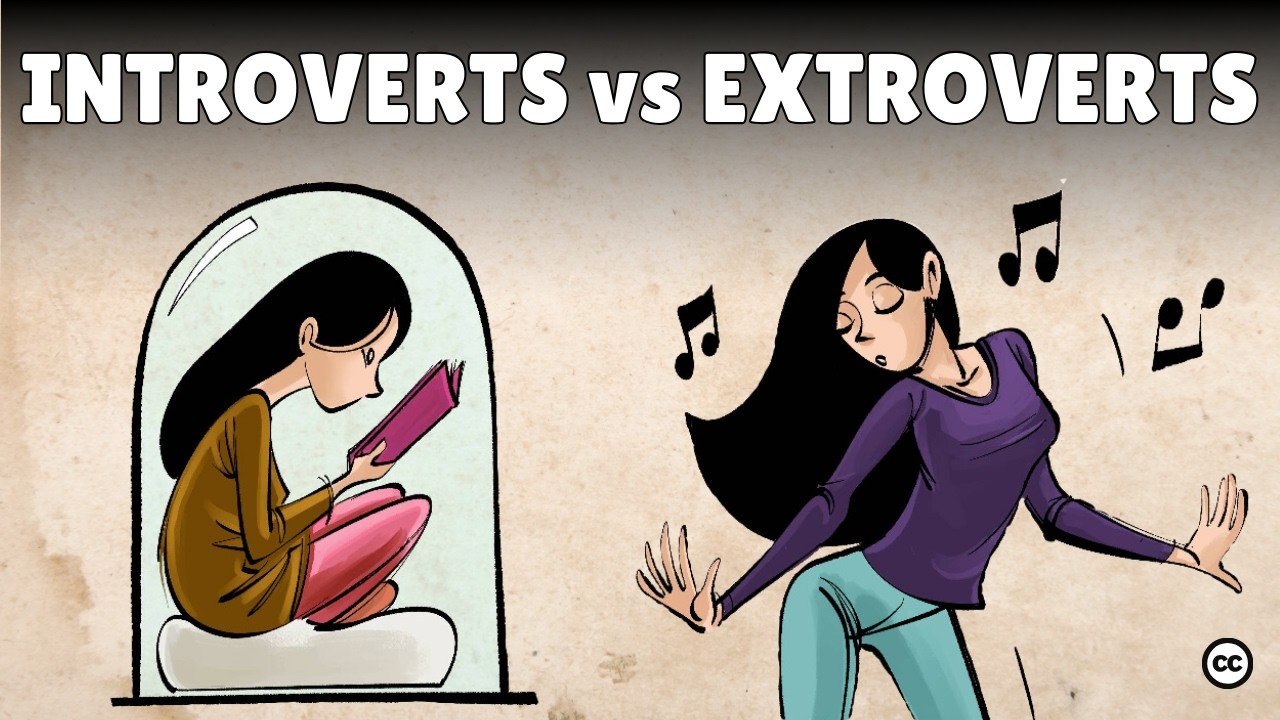
sociability aspect of extroversion is more likely to be influenced by one's environment thus perhaps it is not surprising that i think finds support for hereditary influences on personality whereas others like cattell find support for environmental influences depending on how one designs their questions and experiments the component traits within a higher order factor can support different perspectives according to his theory people high on the trait of extroversion are sociable and outgoing and readily connect with others whereas people high on the trait of introversion have a higher need to be alone engage in solitary behaviors and limit
their interactions with others neuroticism refers to one's emotional stability or lack thereof it incorporates mood swings poor emotional adjustment feelings of inferiority a lack of social responsibility a lack of persistence issues of trust versus suspiciousness social shyness hypochondria and the lack of relaxed composure neuroticism raises the intensity of emotional reactions since it is a function of the reactivity of the autonomic nervous system it is an inherited characteristic individuals who measure high in neuroticism are more likely to suffer from neuroses but high neuroticism is not necessarily less desirable than low levels of neuroticism for example aesthetic
appreciation and creativity can benefit from an individual being highly emotional on the clearly negative side high levels of neuroticism have routinely been found in criminals perhaps because whenever an individual has antisocial tendencies a high level of neuroticism enhances their fear anxiety responses and functions as a powerful albeit dysfunctional drive in the neuroticism stability dimension people high on neuroticism tend to be anxious they tend to have an overactive sympathetic nervous system with low stress their bodies and emotional state tend to go into a flight or fight reaction in contrast people high on stability tend to need
more stimulation to activate their flight or fight reaction and are therefore considered more emotionally stable cattell also studied neuroticism and his findings were very similar to those of isenc psychoticism was added to isink's theory well after identifying extroversion and neuroticism and it is the least clearly defined or heritable of the three super factors it incorporates traits of dominance leadership dominance submission sensation seeking and the lack of a superego children who score high on a measure of psychoticism tend to have behaviour problems and learning difficulties they become loners skip school commit crimes and are generally disliked
by teachers and peers whether as children or as adults they do not typically benefit from traditional psychotherapies or counselling as there tends to be a paranoid suspicious barrier there is some evidence however for successful treatment with intensive behavioral techniques interestingly whether or not these children become criminals as adults seems to depend on how they score on the other two super factors high neuroticism seems to be the factor which makes juvenile delinquency a habit that persists into a life of crime in the psychoticism socialization dimension people who are high on psychoticism tend to be independent thinkers
cold non-conformist impulsive anti-social and hostile people who are high on socialization often referred to as superego control tend to have high impulse control they are more altruistic empathetic cooperative and conventional the role of heredity in personality i think believed strongly in the inheritance of personality and intelligence if it is true that genetics plays a major role in personality then evolution should provide us with an interesting test do other primate species demonstrate the same super factors that we see in humans isink examined this question in conjunction with harry harlow after conducting facto analysis on the social
behavior of rhesus monkeys they found three clear behavior factors namely affectionate fearful and hostile social behaviour these factors match well with the human factors of extroversion neuroticism and psychoticism respectively of course there were much differences between animals but those differences were characteristic and reliable for each monkey thus it would appear that the biological basis for personality super can be confirmed in comparative psychological studies personality and real life issue although ising's approach to personality focused on group differences and genetics he was not without concern for the individual and her or his daily life he also challenged
the way in which psychologists are pursuing the discipline and the effect it has on the public's view of psychology in 1972 he published psychology is about people which included jokes about psychology and psychiatry as well as topics as diverse as sex socialism education pornography and behaviorism in uses and abuses of psychology he challenged the stereotypes associated with views on national character and urged the learning of facts about other cultures in sense and nonsense in psychology he examined such things as hypnosis lie detectors telepathy interpreting dreams and politics isink wrote extensively about sex and personality and
the role that violence and the media may play in distorting sexuality he also wrote about the relationship between personality and criminal behavior and the role that personality and stress play in the lives of people who smoke cigarettes like cattell jensen and others isink was very much caught up in the controversy over racial differences in intelligence testing isync however offered something for the average person two books on how to measure your own iq