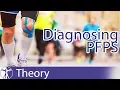
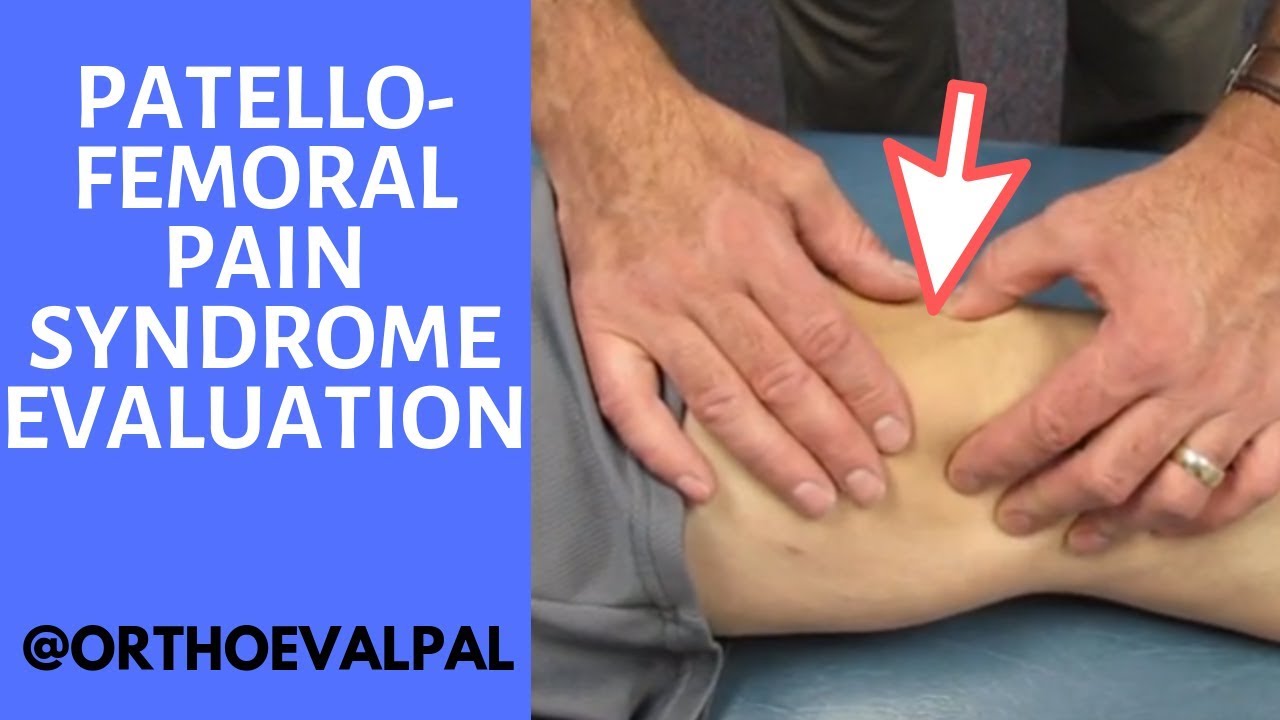
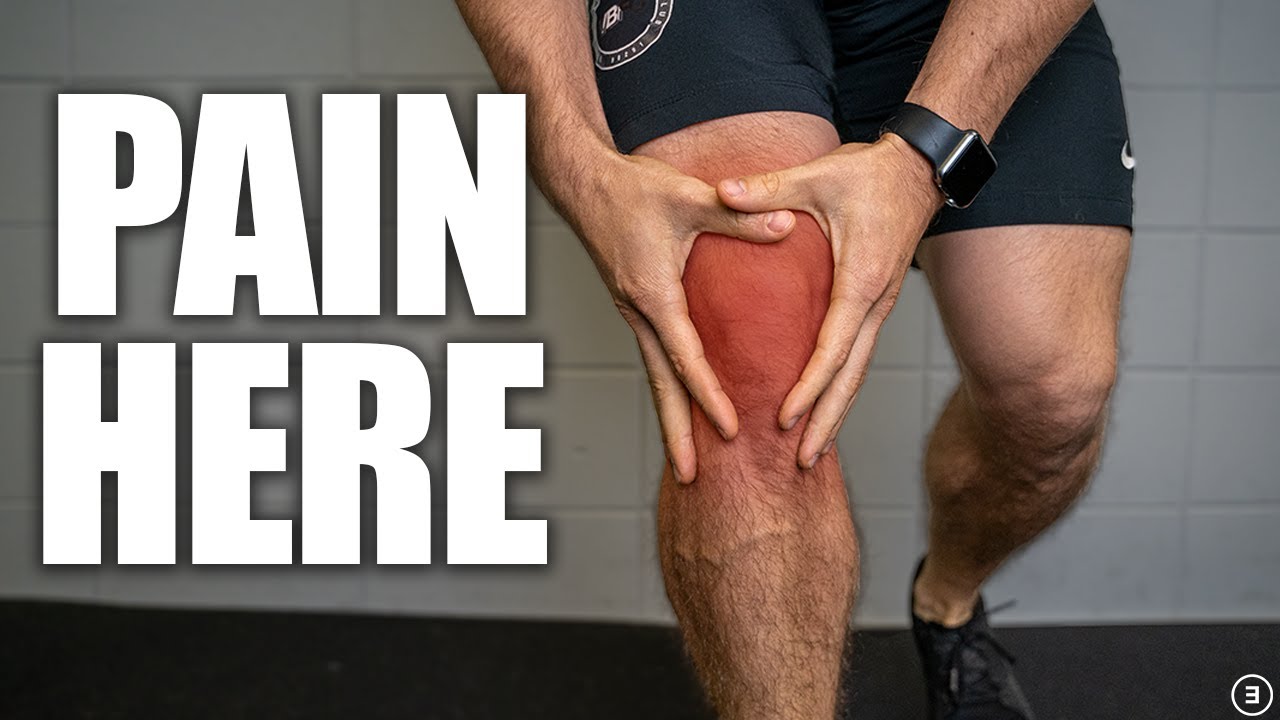
in this video I'm going to give a description of what patellofemoral pain syndrome is and if and how we can diagnose it [Music] client welcome back to physio judo's patellofemoral pain syndrome or p FPS typically refers to anterior knee pain usually occurring during activities such as running squatting or walking up and down stairs patients of all ages are affected and the condition can persist for multiple years in up to 60% of cases so what is causing the pain loading of the patella femoral joints during weight-bearing activities on a flexed knee is thought to be altered
due to various reasons leading to pain one hypothesis is abnormal patella femoral joint alignment and morphology of the Tahlia consequently the patella can track smoothly up and down which over time can cause irritation of the joint surfaces and trigger no ception secondly muscle weakness of the quadriceps and glutes is a potential risk factor associated with p FPS this is because poor strength and function in the quads will influence how the patella tracks in Natalia and how load is distributed across the patella femoral joint we glutes on the other hand can alter the lag axis if
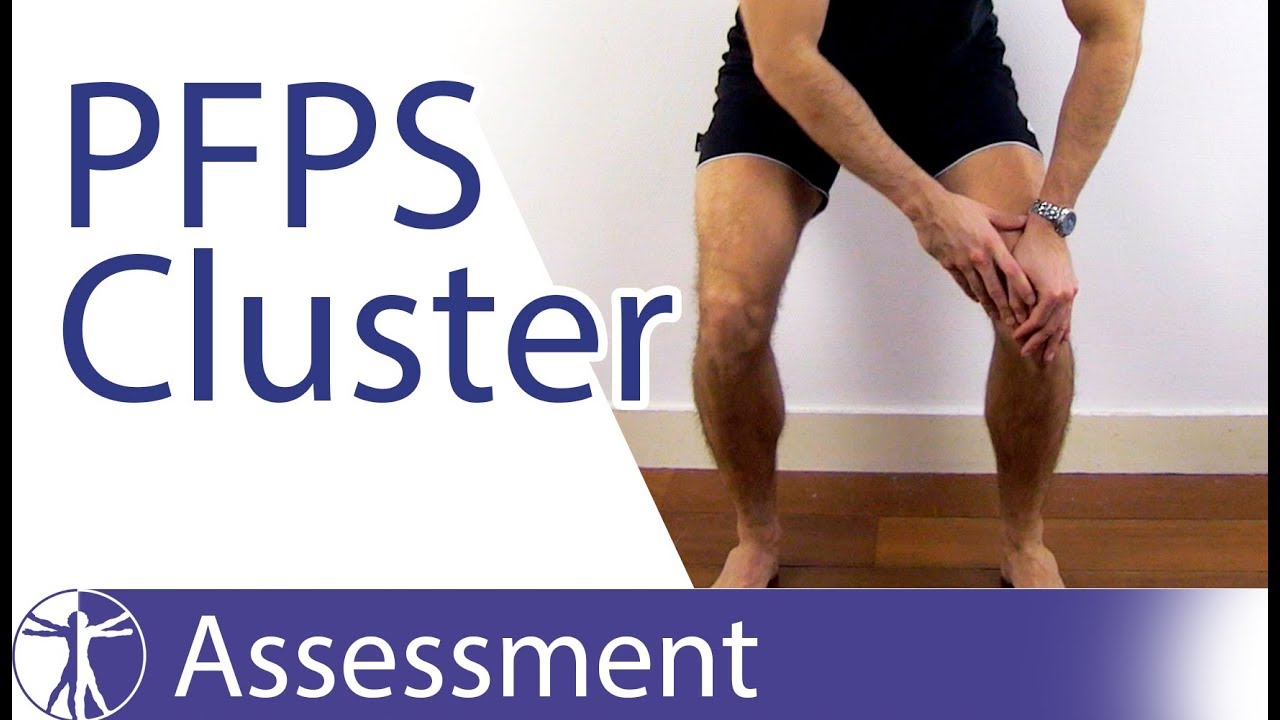
the femur adopts a more internally rotated position with regards to the tibia again impairing smooth movement of the patella within the femoral cochlea on our channel you will find proposed diagnostic clusters for p FPS but all of them only demonstrate weak clinical value you can find the clusters by clicking the info icon in the top right corner essentially asking a patient whether they have anterior knee pain while squatting is the best available test to date as p FPS will be evident in 80% of people with this finding but p FPS has to be seen as
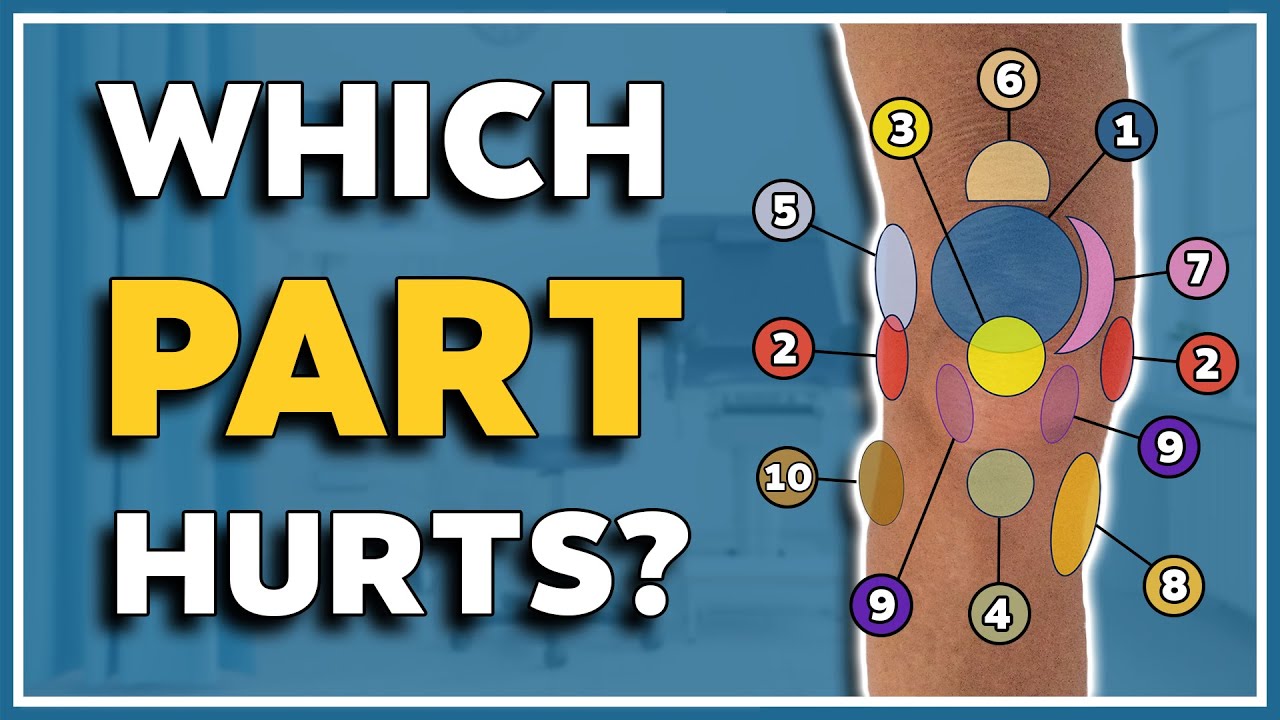
a diagnosis of exclusion meaning the diagnosis is formed after all other possible technologies has been excluded all right I just mentioned that you're diagnosed PFP s only after excluding other pathologies so be sure to check out our news has been playlist on the left a collection of all tests including evidence and description can be found in our assessment ebook check the first link in the video description or click the icon in the bottom left corner of the screen for more info before you leave make sure you are subscribed to our channel and check out our
other social media pages this was ondrea's for physio tutors thank you for watching and I'll see you next time bye

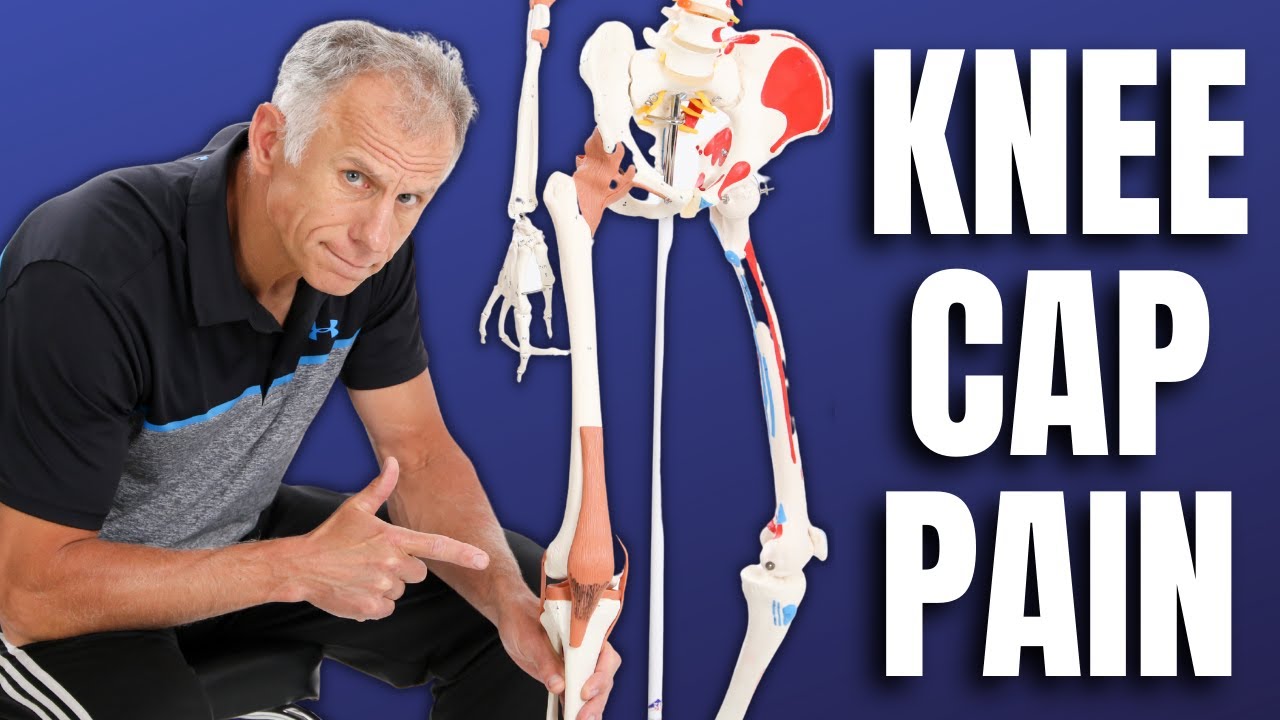
![3 Self Treatments For Knee Cap Pain [Patellofemoral Pain Syndrome]](https://img.youtube.com/vi/PKPhUqqEDaQ/maxresdefault.jpg)


![How to Diagnose Tendonitis vs Patellofemoral [Understanding KNEE PAIN]](https://img.youtube.com/vi/WMOcMZQB-yc/maxresdefault.jpg)