NTIA and DoD teamed up to create this video series to explain the telecommunications technologies that impact the 5G Challenge. This video compares standalone 5G systems with non-standalone 5G systems. We highlight the differences between the two, potential impacts, and trade-offs.
The Third Generation Partnership Project, known as 3GPP, and the International Telecommunication Union, known as the ITU, collaboratively develop the standardized protocols used by cellphones to communicate. 3GPP members are regional standards-setting organizations and industry representatives. 3GPP develops technical standards that include hundreds of detailed specifications for different components of the network.
The ITU is a United Nations Treaty Organization. The ITU references 3GPP specifications to set high-level international performance standards for cellular networks. Right now, most phones use 4G Long Term Evolution protocol, which is usually called LTE and sometimes called 4G.
5G New Radio is a new and improved protocol that is an upgrade to LTE. 5G New Radio is referred to as either 5G NR or simply 5G. Compared to 4G.
5G offers a variety of improvements, like lower latency, higher throughput, and communication protocol enhancements. 5G networks enable diverse communication scenarios with different traffic type requirements. For example enhanced mobile broadband enables high-bandwidth video streaming.
Massive machine type communications allow sensors and other small devices to communicate with each other and the Internet. This is also referred to as Internet of Things, abbreviated IoT, ultra-reliable and low latency communications, abbreviated URLLC, enables very fast interactions that won't fail when the network becomes congested. These services are drawn in a triangle, because they support different requirements.
Network resources must be divided among these three scenarios. The location of each service on the triangle indicates its traffic requirements. 5G provides flexibility to optimize the network for specific end-user requirements.
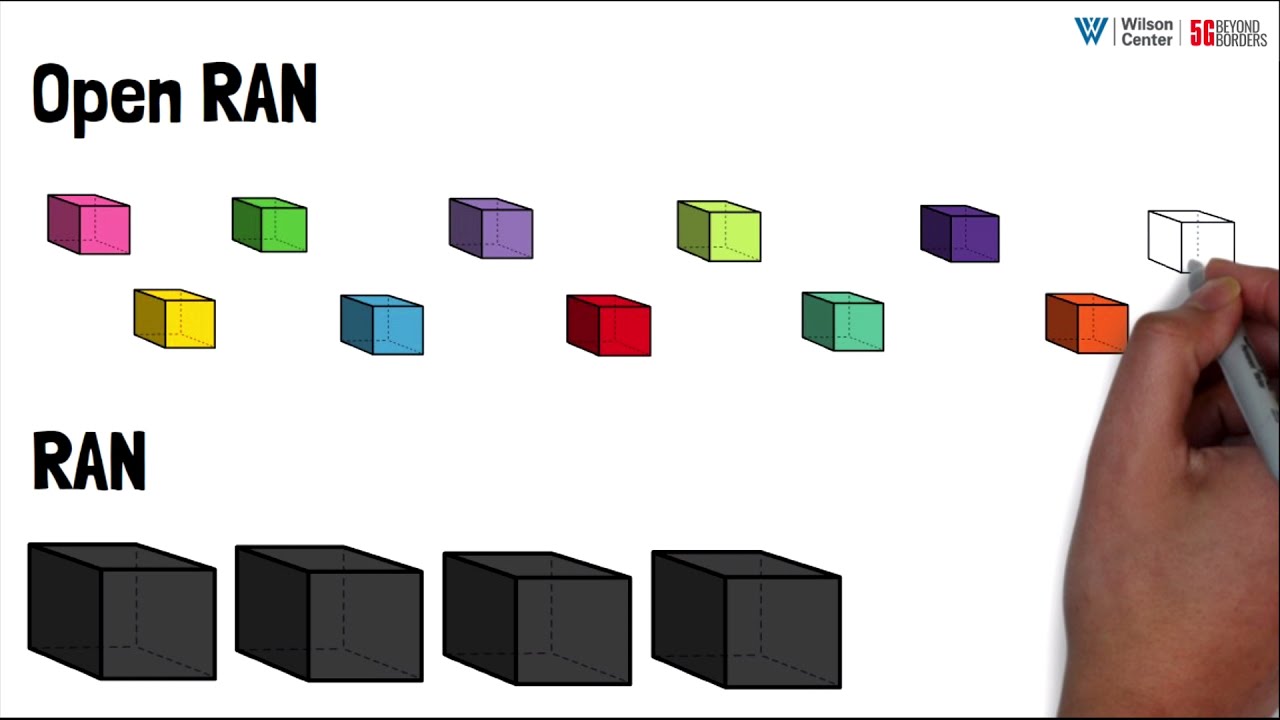
For example, self driving cars will rely on information streaming from nearby devices to safely navigate. This picture shows a simplified view of a 5G system, which includes the user equipment, usually called UE, like your phone. The Radio Access Network, usually called the RAN, Distributed Unit (DU), Central Unit (CU), Radio Unit (RU), which interprets your phone's wireless signal, and the core network, usually called the Core, which carries information about your call from one place to another.
3GPP defined two main network architectures that allow Mobile Network Operators, usually called MNOs, to easily migrate from 4G to 5G. Well known MNOs include AT&T, Verizon and T-Mobile. These architectures are non-standalone and standalone.
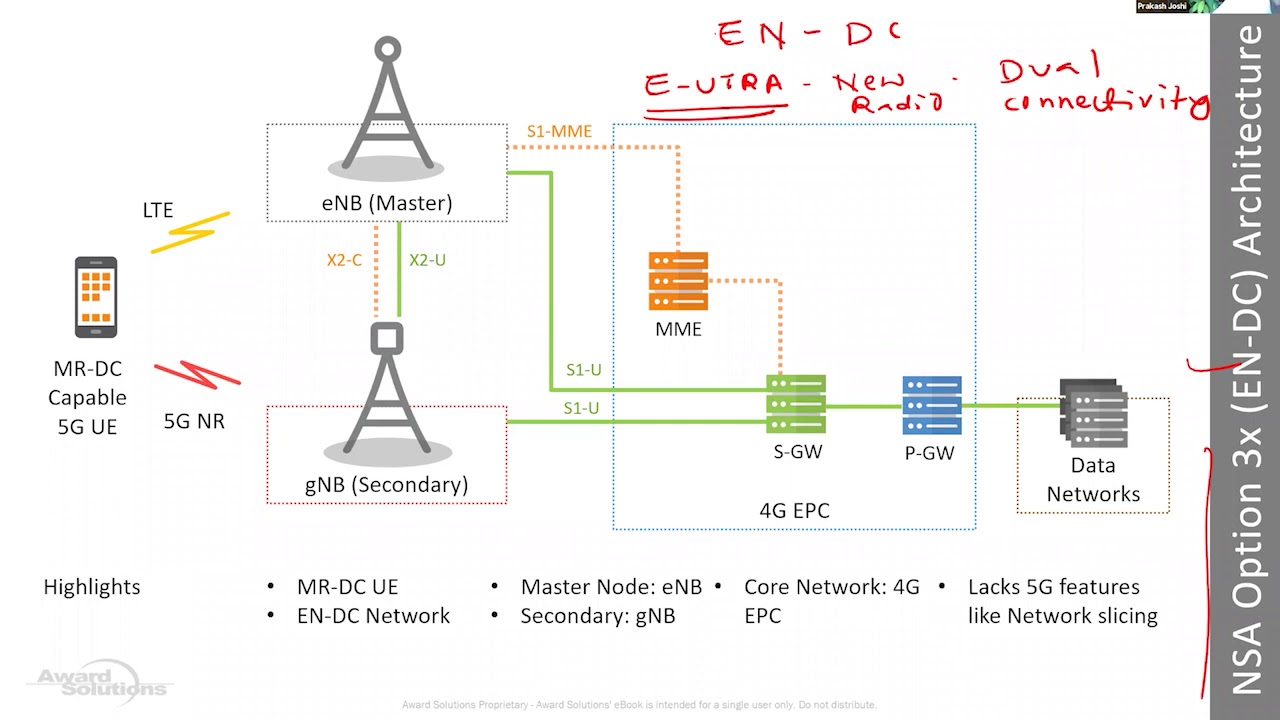
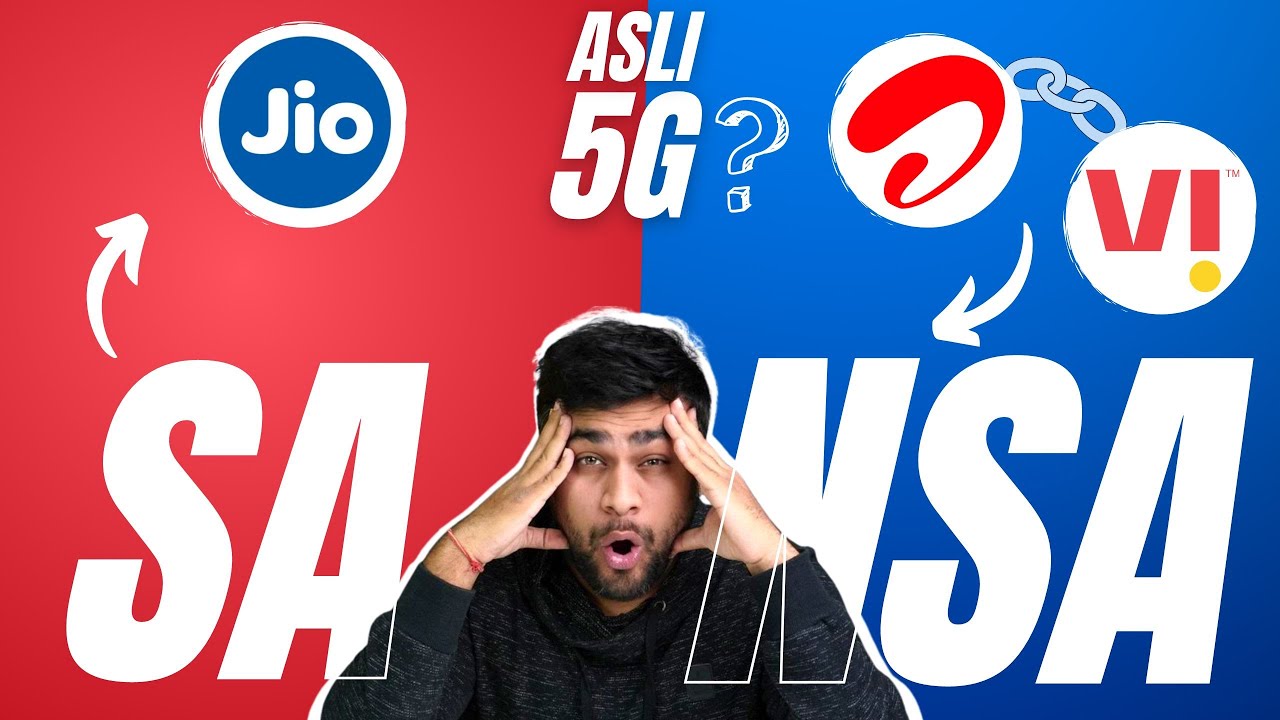
Non-standalone, usually called NSA, is a hybrid 4G/5G solution. NSA enhances the 4G RAN network with support for 5G phones. NSA is a logical first step for MNOs with existing 4G networks to introduce 5G support while maximizing their existing 4G investments.
Non-standalone 5G supports enhanced mobile broadband but does not enable the new 5G capabilities around IoT, ultra-reliable and low latency communications. Standalone, usually called SA, is a pure 5G: a 5G Core network integrated with 5G RAN and 5G phones. Standalone 5G supports all of the new 5G features: enhanced mobile broadband, massive IoT networks, ultra-reliable and low latency communications.
Standalone 5G also allows operators to optimize network resources for various mission requirements. In 2022, when mobile network operators advertise 5G capabilities, they usually refer to non-standalone 5G networks that rely on preexisting 4G LTE infrastructure. Standalone 5G network testing and deployment has just begun and is expected to accelerate in 2023.
The 5G challenge will focus on standalone 5G networks, to accelerate the adoption of 5G open interfaces, interoperable components and multi-vendor solutions by fostering a large, vibrant and growing vendor community dedicated to advancing 5G interoperability towards true plug-and-play operation.