Galilee in de 17 ontdekte dat aarde de zon draaide in plaats van omgekeerd was dat voor veel mensen een grote schok ze hadden tot dan toe de overtuiging gehad dat de Mens in het centrum van de Kosmos stond en ze hadden daarop ook hun gehele levensovertuiging gebouwd en nu bleek dat inens niet heteval zijn de theorie van fou kan verd door vast te stellen dat hij eigenlijk met betrekking tot de cultuur een soort van galileis standpunt inneemt immers met name sinds de tijd van Galilei heeft men eigenlijk wat de cultuur betreft in de maatschappij gedacht
dat de Mens daar wel in het centrum stond hij heeft ze tenslotte gemaakt en fou ontkent dit niet het sub telt in de cultuur zegt hij maar de structuur het algemene iets wat op zich al te begrijpen is als men benkt dat de reg volgens welke men zich gedraagt voor verrew het grootste deel al uitgevonden waren voordat men werd geboren en dat de naam van de uitvinder ons volstrek onbekend is nu kan fou met galile Vergen maar in een ander opzicht kanomski ook met galile Vergen omdat hij in de taalwetenschap de linguistiek zijn Vak een
geweldige revolutionende werking heeft gehad over de gehele wereldomsk Heft luistiek een Ware omwenteling veroorzaakt en het interessante is nu dat de theorie vanomski in precies de tegenovergestelde richting wijze als de theorie van fou Tomski Z het sub veel meer in het centrum bij de confrontatie dus van deze twee geheel verschillende denkers is het verder goed om te bedenken dat zij ook erg verschillend werk doou is een culturondereker is een taalonderzoeker of nog Anders gezegd fou interesseert zich erg voor de geschiedenis van de wetenschappelijke Taal Tomski interesseert zich erg voor de Taal die we gebruiken de
dagelijkse Taal het is op zich interessant en misschien ook niet toevallig dat het debat tussen deze twee pas echt fel en spannend wordt in de tweede Helft als het gaat over de politiek toch is het geloof ik goed dat er een stuk theorie aan vooraf gaat want in een discussie over filosofie en maatschappij gaat het er tenslotte niet om welk toevallig politiek standpunt bepaalde denkers innemen maar is het natuurlijk van groot belang om te zien vanuit welke argumenten of ze dat zullen doen het is misschien ook wel leuk dat deze discussie plaatsvond in de Hal
van het auditorium van de technische Hogeschool in Eindhoven een discussie namelijk tussen twee filosofen twee onderzoekers wie werkich kenmerk door een grote prisie een grote gedetailleerdheid en ook een grote helderheid en verder vond ik het wel symbolisch dat het plaatsvond in een ruimte met veel glas binnen en buitenwereld liepen door elkaar tijdens de uitzending zag je het verkeer buiten rijden symbolisch inderdaad omdat de relatie tussen binnen en buitenwereld voorop staat in het eerste stuk van het vierde filosofen debat over mens Natur en ideale ma [Applaudissements] ladies and gentlemen welcome at debate of the international philosophers
project t Deb Mr Michelou de France mrsk of machustitute of technology ilosh haves in ands ofencehaps the best toare both philosophers is to look at them as Mountain diggers working at the opposite s of the same mountains with different tools without knowing even if they are working in each other's direction all learning concerning man ranging from history to linguistics and psychology are faced with the question whether in the last instance we are the product of all kinds of external factors or if in spite of our differences we have something we could call a common human
nature by which we can call each other human beings so my first question is to mrsk because you mrsk employ of the concept of human nature and in conne you areing terms likeideas ct which arguments can you from linguistic order to give such a central to this notion of humanation well let me begin in a slightly technical way a person who is interested in studying language is faced with the defempiric he facedganisure say speaker who has somehquired an amazing range of abilities which enable him in particular to say what he means to understand what people
say to him to do this in a in a fashion that I think it's proper to call highly creative now the person who's acquired this intricate and highly articulated and organized collection of abilities the collection of abilities that we call knowing a language that has been exposed to a certain experience he has been presented in in the course of his lifetime with a certain amount of of data of direct experience with the language and we can investigate the data that's available to this person and having done so in principle we're faced with a very clear
and reasonably clear and and well delineated scientific namely the problem of accounting for the gap between the really quite small quantity of data small and rather degenerate quantity of data that's presented to the person to the child and the very highly articulated highly systematic uh profoundly organized uh resulting knowledge that he somehow derives from this data uh furthermore even more remarkable we notice that in a wide range of languages that studed arearkable limitations on thes of system that from the very different kinds of experience to which people are exposed well this there is only one
possible explanation for one can in a rather schematic fashion for this remarkable phenomenonely the assumption that the individ himself contrib m sch struure and perhaps even of the specific content of the knowledge that he ultimately derives from this very scattered and limited experience that is to put it ratherosely the child must begin with the knowledge certainly not with the knowledge that he's hearing English DCH frenchar it thatit very and becauses highganed and very restri schematism that able to make the H le from scatter and degenerate dat to highly organed knowledge and I would claim then
that this instinctive knowledge if you like this Sch is a very partial data is one fundamental constituent of human nature then I assume that in other domains of human intelligence and other domains of human cognition and even behavior something of the same sort must be true well the collection of this uh mass of uh inate schematisms inate organising principles uh which guides our social and intellectual and individual behavior that's well if thinking at your books like de la I got the impression that you are working on an complete different level and also just an opposite
aim opposite goal if I thinking about the word schematism in relation to humanation then you are just trying to work out [Musique] il est vrai que je me méfie un peu de cette notion de nature humaine je m' mfie pour la raison suivante je crois que parmi les concepts parmi les notions dont une science peut se servir il y a évidemment des notions qui n'ont qui sont d'un niveau qui sont qui ont une élaboration qui est une fonction différentes par exemple bon prenons le cas de la biologie à l'intérieur dans le domaine de la biologie
vous avez des concepts qui sont plus ou moins bien établis comme le le concept de réflexe bon et puis vous avez d'autres notions qui sont en quelque sorte des notions périphériques des notions périphérique qui ne joue pas un rôle en quelque sorte organisateur à l'intérieur de la science des concepts qui ne sont pas des instruments d'analyse des concepts qui ne sont pas descriptifs non plus ce sont des notions en quelque sorte qui servent simplement à indiquer des problèmes ou encore qui servent à indiquer des domaines d'objets à étudier prenez par exemple il y a une
notion comme ça qui est je crois qui je crois était très importante dans l'histoire de la biologie c'est tout simplement la notion de vie bon au 17e ou au 18e siècle les gens qui étudiaient la nature ne se servait pas du concept de vie il classait les êtres naturels qu'il soit vivant ou non vivant dans une espèce de grand tableau ou de grande hiérarchie la vie était une notion dont il ne se servait pas et dont il n'avait pas besoin et puis à la fin du 18e siècle un certain nombre de problèmes se sont posés
comme par exemple les problèmes de l'organisation intérieure de ces êtres dont on avait fait la classification ou bien encore avec les progrès du microscope le microscope d'amniciie on a vu apparaître tout un tas de phénomènes qui n'avaient pas été jusque-l encore perçus et dont les mécanismes dont le fonctionnement n'était pas encore clair les progrès de la chimie ont fait également apparaître les problèmes concernant les rapports entre les réactions chimiques et les processus physiologique de l'organisme et voilà que tout un domaine d'objet est apparu domaine objet absolument nouveau pour le biologiste et c'est cela qui a
été appelé la vie et la vie c'était une notion qui servait à indiquer le champ des objets et des domaines nouveaux que la science avait à parcourir bon et je dirais comme ça en historien des sciences si vous voulez que la notion de vie a été un indicateur épistémologique un index des problèmes à parcourir et je me demand si on pourit pas dire la même chose de la nature hum fougrip menselke Natur vanomsk met hetp leven in de biologie en in de geschiedenis van dat Vak en hij doet dat om hij dat menselijke natuur eerder
ziet als een aanwijzing voor een onderzoeksprogramma dan als een aanwijzing voor het feit dat de Mens uit zichzelf zo verschrikkelijk veel klaar Z kunnen spelen voor hem is dat begrip menselijke natuur elijk soort van wetenschappelijk boodschappenlijstje en niet meer dan dat en Tomski wil dit wel accepteren als maar duidelijk is dat vakken als biologie fysiologie en neurologie voorlopig nog helemaal niet over de middelen beschikken om die menselijke natuur en de taalvermogen adequat te kunnen beschrijven vrij vroeg is het debat zo aangeland op een punt waar het gesprleider elders de grotste Z Kosten om de Partners
met elkaar in contact te houden voor een deel ligt het natuurlijk aan de Taal die ze spreken maar voor een veel groter deel ligt dat aan het feit dat somski en fou ieder en een verschillende denkwereld zitten zodat hun begrippen heel gemakkelijk langs elkaar heen glijden we krijgen eigenlijk het merkwaardige schwspel te zien van twee breinen die gelijktijdig aan het denken zijn en om de beurt een begrip oppikken uit het betoog van de ander dit dan vervolgens belicht van E denksysteem da speelt dus vomski een grote rol dat begrip creativiteit waarover nu een he Grot
St van het debat z gaansk is creativiteit eigenlijk een kenmerk van alle mensen iedereen werkt ere de verkeersdeelnemer Die ter plaatse in een onverwachte situatie moet gaan bedenken wat hij Z doen de opvoeder die niet terug wil vallen op autoritaire gedragspatronen en tegenover een lastige pupil zelf nieuw gedrag moet uitvinden maar voor Geld de creativiteit voor het kind dat een Taal leert en dat daarbij merkwaardigerwij leert om zelf niewe Taal produceren te makenou staenover hij vraagt vodende aandacht voor het zen epistemologischein menstiviteit plaatind epische prof als het geheel van nietbewuste regels die de algehele organisatie
van onderling gescheiden Velden van kennis beheersenou sprekt ook over tableau hij het ook systeem van elementen en in debatt ook het W GRI TRALI of rooster we kunnen misschien het best spreken van een netwerk waarbinnen iedereen in een bepaalde cultuur denkt of wi of niet het zijn eigenlijk regels waaran het denken van iedereen gehor en met behulp waarvan iedereen zoekt naar bepaalde identiteiten samenhangen enzoort en dit netwerk nu is niet de uitvinding van bepaalde Individuen het bepaalt veel eer de regels van de denken en doeg gewoonten van het denk en doegspel dat we cultuur noemen
en waaraan ieder individu eigenlijk onderhorig is een dergelijk netwerk is en Ding of idee maar lit prees t Ding en idee in en de geschiedenis van het denken is dan voor fou ook niet de geschiedenis van Ideen of zelfs zoiets als de ontwikkeling van de geest of iets dergelijks maar veel eer de afwisseling Van discontinue transformaties van discontinue overgangen van het ene netwerk naar het andere dat is dus een heel andere aanzet dan die vanomski bij wie die creativiteit in het centrum staat en het is duidelijk dat we op dit punt by fou we diezelfde
ontroning van het suben waar we in verband met galile in het beginsesproken de filosofie van fou is een filosofie waarbij de filosoof zelf eigenlijk voortdurend uit het beeld verdwijnt ja paradoxaal genoeg zou je moeten zeggen het is eigenlijk een filosofie zonder filosoof en je moet het ook nog generaliseren want de Mens is bij fou in zekere zin de grote afwezige in zijn eigen cultuur en het is in dit Verband dan ook heel begrijp dat fou nogal fel en afwijzend reageert wanneer de gesprekleider belangstelling begint te vertonen voor privéaspecten van zijn bestaan Wanne fou debatteer dan
gaat het over alles behalve over fou zelf dit dus TER introduce op dit volgende vrij uitvoerige theoretische stuk van het debat dat eigenlijk maar voortdurend allerlei aspecten van één hoofdvraag behandeld en wel de vraag in hoeverre is de Mens in staat iets nies Onken en als dat zo is hoe moeten we d dan begrijpen het lijkt mij een erg relevante vraag zeker als we bedenken dat weal wat nieuwe vormen van gedrag kennis en wetenschap nodig zen willen we het er in onze wereld met elkaar levend afbrengen we nen nu de draad weer op waar fou
toelicht hij creaiteit van het indiv inched nietelacht peêre dans l'histoire traditionnelle des sciences on accorde en effet le maximum en la tradition veut qu'on accorde le maximum à la créativité des individus l'histoire des sciences jusqu'à ces dernières années consistait essentiellement à montrer en quoi un individu que ce soit Newton ou que ce soit Mindel peu importe avait été effectivement le créateur ou le découvreur plutôt d'une vérité qui était là inscrite dans les choses et dans le monde et que personne avant eux n'aurait vu le postulat qu'il y a je crois qui dort en quelque sorte
sous l'histoire des sciences traditionnelles c'est ceci c'est que la vérité est là pour être connu et que pourtant l'esprit de l'homme à la par la suite par l'effet d'un certain nom nbre d'inhibition ou d'obstacles n'est pas parvenu à voir cette vérité l'esprit de l'homme est fait pour voir la vérité et un obstacle contingent l'en empêche cet obstacle ça peut être et bien selon les historiens les conditions économiques et sociales ou ça peut-être la forme des mentalités ou ça peut-être la crédulité les vieux thèmes et myes religieux par exemple ou moraux enfin tout ceci qui constitue
comme les obstacles les écailles sur les yeux de celui qui voudrait voir mais en droit l'esprit est fait pour voir enroit l'esprit est fait pour avoir accès à la vérité dans cette conception traditionnelle de l'histoire des sciences d'une part si vous voulez on donne toute la créativité à l'individu qui est endroit possesseur de la vérité et puis on la lui retire par le système des obstacles qui viennent d'une façon tout à fait contingente l'empêcher de saisir de formuler de construire cette vérité à laquelle il est à laquelle il a droit en principe bon alors moi
le le problème qui s'est posé à moi c'était précisément un peu l'inverse parce que qu'est-ce qui se passe quand on assiste à une euh euh à une grande transformation scientifique dans une transformation scientifique comme par exemple la la naissance de la biologie au milieu du 17e siècle ou la naissance de la philologie à la fin du 18e au début du 19e c'est vrai que un certain nombre d'obstacles un certain nombre de préjugés un certain nombre d'idées toute fait tomb et Vienne à disparaître mais ce qui m'a frappé c'est que une science au moment où elle
naî non seulement se débarrasse d'un certain nombre d'obstacles et d'obscurité mais en même temps elle supprime un certain nombre de savoir et de connaissances existantes qu'elle occulte qu'elle cache comme si elle appliquait une grille nouvelle qui tout en permettant de faire apparaître des phénomènes jusque la cachée cache des connaissances déjà acquises donc une science le progrès d'une science l'acquisition du triang c'est pas simplement l'oubli des vieux préjugés sont pas simplement les obstacles qui tombe c'est une véritable nouvelle grille qui cache un certain nombre de choses et du coup fait apparaître donc en quand je critique
la la notion de créativité je veux dire par là que en fait la vérité ne s'acquire pas comme une sorte de création continue et cumulée mais comme un jeu de grille qui s'applique les unes sur les autres caché in but when I of creativitybu tocept of that is norityen a newon but in the context in which I've been speaking about creativity it's a normal human event I'm speaking of the kind of creativity that any child uh demonstrates when he is able to come to grips with a new situation uh describe it properly react to it
properly tell us something about it uh think about it in a new fashion for him and so on these are i think it's appropriate to call those creative acts but of course without thinking of those acts as being the acts of a Newton it's the lower levels of creativity that I've been speaking of now as far as what you say about the history of science is concerned I think that's correct and illuminating and particularly relevant in fact to the kinds of enterprise that I see uh lying before us in psychology and linguistics and the philosophy
of mind that think there are certain topics that have been what was your word depressed or put aside during the scientific advances of the say past two centuries century and a half but now I think we can overcome those it's possible to put aside those limitations and forgettings and to bring into our consideration precisely the topics that animated a good deal of the thinking and speculation of the 17th and 18th century and incorporate it within a much broader and I think deeper science of man that will give Fuller role though certainly not hope to will
not hope to give complete understanding uh to such notions as innovation and creativity and uh freedom and uh production of new new elements of thought and behavior with je crois que entre ce qu'a dit monsieuromski à l'instant et puis ce que j'essaie de de montrer il y a en réalité beaucoup de ressemblance c'està-dire que il n'y a en fait de création possible d'innovation possible on ne peut dans l'ordre du langage ou dans l'ordre du savoir produire quelque chose de nouveau qu mettant en jeu un certain nombre de règles de règles qui vont définir l'acceptabilité ou
la grammaticalité des énoncés ou qui va définir dans le cas du savoir la scientificité des énoncés alors disons en gros que les linguistes avant monsieur somski ont surtout insisté sur les règles de construction des énoncé et moins sur le l'innovation que représente tout énoncé nouveau ou l'audition d'un énoncé nouveau et puis dans l'histoire des science ou dans l'histoire de la pensée on avait beaucoup plus l'habitude d'insister sur la création individuelle et on avait tenu à l'écart on avait laissé dans l'ombre ces espèces de règles communes général qui sont en œuvre obscurément à travers toute découverte
scientifique toute invention scientifique ou même d'ailleurs toute innovation philosophique des règles non seulement linguistique mais épistémologique et qui caractérise le savoir contemporain it's possible for various scientists for various geniuses even over a long period of time to arrive at some kind of a theory at least in some cases that is more or less profound and more or less empirically adequate this is a remarkable fact and in fact if it were not the case that these scientists including the geniuses had if they didn't have built into their minds somehow obviously unconscious specification of what is a
possible scientific theory then this inductive leap would certainly be quite impossible just as if each child did not have built into his mind the concept of human language in a very natural way in a very narrowing way then the inductive leap from data to knowledge of a language would be impossible so even though the process of let's say deriving knowledge of Physics from data is far more complex far more difficult for us for for organisms such as US far more drawn out in time requires intervention of genius and so on and so forth nevertheless in
a certain sense it the achievement of discovering physical science or biology or whatever you like is based on something rather similar to the achievement of the normal child in discovering the structure of his language that is it must be achieved on the basis of an initial limitation an initial restriction on the class of possible theories and the fact that science converges and progresses that itself shows us that such ituctul addition of new knowledge and absorption of new theories and so on rather i think it has this sort of jagged et transform les mes con ha
and oversimplifying grossly i really don't mean what I'm now going to say literally it's as if as human beings a particular biologically given organism we have in our heads to start with a certain set of possible intellectual structures possible sciences ok now in the lucky event that some aspect of reality happens to have the character of one of these structures in our mind then we have a science and it's because of this it's because of this limitation initial limitation in our minds to a certain kind of possible science it's precisely that that provides the tremendous
richness and creativity of scientific knowledge that is if it were not it's important to stress that this has to do with your point about limitation and freedom if it were not for these limitations we would not have the creative act of going from a little bit of knowledge a little bit of experience to a rich and highly articulated and jagged and transformational character that you describe and that doesn't mean that everything is ulately going to fall within the domain of Science quite the i many of the things we would like to May we would like
to such as of man ofcentetyot other things might age do age statement combination of limitationund combination c'est c'est pas une affaire de combinaison il n'y a de créativité possible qu'à partir d'un système de règles ce n'est pas un mélange de régularité et de liberté une liberté ne s'exerce réellement que sur fond et à partir d'un réseau de régularité le problème alors là que je me pose et où je ne suis pas peut-être tout à fait d'accord avec Monsieur schomski c'est lorsque il place ses régularités à l'intérieur en quelque sorte de l'esprit ou de la nature
humaine je me demande si le système de régularité de contrainte qui rendre possible une science on ne peut pas les trouver ailleurs en dehors même de l'esprit humain dans des formes sociales dans des rapports de production dans des luttes de classe et cetera mais quand même qu'est-ce que la raison pour vous de parler de temps à temps de la mort de l'homme ou euh du fin de de la période 19e 20e siècle n'est-ce pas mais ça pas de rapport avec avec ce que nous disons là je ne sais pas parce que je pense à quand
vous je traite d'appliquer qu'est-ce que vous avez dit euh à votre notion anthropologique vous avez refusé déjà de parler sur votre propre créativité et liberté n'est-ce pas alors qu'est-ce que la raison quelles sont les raisons psychologiques je me demande mais quelles sont peut-être c'est plus mais queles sont les raisons hein laissons-nous dire plus objectif peut-être pour vous votre conception de savoir de de la connaissance de la science pour refuser de répondre à des questions personnel n'est-ce pas ça à faire quelque chose avec votre conception de la société alors quand il y a un problème ici
pour vous qu'est-ce que sont les raisons de faire un problème d'une question personnelle non je fais pas du tout un problème d'une question personnelle je fais d'une question personnelle une absence de problème c'estàdire que dans toute l'histoire traditionnelle des pens de la pensée des idées et des sciences on s'est toujours posé le problème de savoir à quel âge Newton avait dû être sevré pour concevoir la gravitation universelle à quel époque est-ce que cuvier avait rencontré sa première maîtresse pour pouvoir finalement découvrir les fossiles l'anatomie comparée et cetera ce genre d'analyse enfin que je caricature ce
genre d'analyse et je crois sans intérêt il est beaucoup plus intéressant de saisir les transformations d'un savoir en général à l'intérieur à la fois du domaine général des sciences et également de ce domaine en quelque sorte vertical que constitue une société une culture une civilisation à un moment donné et quand on saisit l'ensemble de la transformation à ce moment-là et bien on s'aperçoit que les petits événements individ de la N niedntatstek fou het individuele leven van de geleerde onderzoeker uit het beeld maar hoe zit het dan met de verhouding van de mens to zijn cultuur
als het gaat over de politiek en misschien zelfs over de vraag hoe je die cultuur en die maatschappij kunt veranderen immers men kan wel laten zien dat in de geschiedenis van de wetenschap de geschiedenis van de cultuur de inbreng van het individuj verwaarlo rol speelt de vraag hoe moet ik handelen de politieke vraag blijft des niet recht ereind staan en het zal na het voorgaande misschien al duidelijk zijn dat die politieke vraag in het perspectief van fou heel sterk word tot de vraag in hoeverre kan de Mens ontsnappen a zijn eigen cultuur daarbij is het
wel van Belang merk datouich helemal distantiekende hij zegt ergens dat zou ik ideologisch verblind moeten zijn om me niet te interesseren voor datgene wat het meest wezenlijke is in het menselijk bestaan economische verhoudingen machtsverhoudingen en noem maar opomsk en fou zijn dus wel eens over het belang van de politieke vraagstelling het is misschien ook wel informatief om nog eventjes uitdrukkelijk te zeggen datomski zijn politiek standpt als anaryndicalisme hij is vaning dat hetak is de verschillende vormen van kapitalisme op te heffen en te doorbreken ten bate van de directe participatie van de arbeider in arbeidersraden enzovoort
decentralisatie socialisatie en participatie het zijn sleutelwoorden in het politiek programma vanomskiomski zegt welens waar dat hij geen noodzakelijk Verband ziet tussen zijn wetenschappelijke inzichten en zijn politiek maar uit nu volgende openinget blijt dat die regelrecht van wetenschappelke opvattingen afstend op de politiek zijn politieke en wetenschappelke inzicht mogen niet logisch uit Elka voort de Parel let me begin byering something that already discussed that is if it for free creation without the arbitrary limiting effects of coive institutions then of course it will follow that a decent society should maximise the possibilities for this fundamental human characteristic to
be realized that means trying to overcome the elements of repression and oppression and destruction and coer ex in any existingety for ex as a hisoric resid a Federated decentralised system of free associations incorporating economic as well as social institutions would be what I refer to as anar syndicalism and it seems to me thatate formgan techic je suis dans dans ma démarche beaucoup moins avancé je vais beaucoup moins loin que Monsieur c'estàdire que j'avoue nêtre pas capable de finir n'y a plus forte raison de proposer un modèle de fonctionnement social idéal pour notre société scientifique ou
technologique en revanche une des tâches qui me paraît urgente immédiate avant même toute autre chose c'est celle-ci on a l'habitude du moins dans notre société européenne de considérer que le pouvoir il est localisé entre les mains du gouvernement et il s'exerce par un certain nombre d'institutions bien particulièr qui sont l'administration en France on appelle ça préfectoral ENF je sais pas comment on dit ailleurs l'administration la police l'armée on sait que toutes ces ces institutions là sont faites pour transmettre les ordres les faire appliquer et punir les gens qui n'obéissent pas mais mais je crois que
le pouvoir politique il s'exerce encore il s'exerce en outre de plus par l'intermédiaire d'un certain n nombre d'institutions qui ont l'air comme ça de n'avoir rien de commun avec le pouvoir politique qui ont l'air d'en être indépendantes et qui ne le sont pas on sait bien que l'université d'une façon générale tout le système scolaire qui en apparence est fait simplement pour distribuer le savoir on sait que cet appareil scolaire est fait pour maintenir au pouvoir une certaine classe sociale et exclure des instruments du du pouvoir toute une autre classe sociale quelque chose comme la psychiatrie
qui en apparence aussi n'est destiné qu'au bien de l'humanité et à la naissance des psychiatres la psychiatrie est encore une certaine manière de faire peser un pouvoir politique sur un groupe social la justice également bon et il me semble que la tâche politique actuelle dans une société comme la nôtre c'est de critiquer le jeu des institutions apparemment les plus neutres et les plus indépendantes de les critiquer de l'attaquer de telle manière que la violence politique qui s'exerçait obscurément en eux surgisse et pour qu'on puisse lutter contre elle à vouloir tout de suite enfin si on
cherche tout de suite à donner le profil et la formule de la société future sans avoir bien fait la critique de tous les rapports de violence politique qui exerce qui s'exerce dans notre société on risque de les laisser se reconstituer même à travers des formes aussi aussi no apparemment aussi p que celle du syndicalisme anarchiste du ourety and that includ thetitions mention as as the central institutions of any industrial society namely the the economic commercial and financial institutions in particular in the coming Peri the great multinational corporations which are not very far from usysically tonight
those are the basictitution ofpr CO and autocratic rule that to be neutral after all they say well we're subject to the democracy of the marketplace still I think it would be a great shame to lose or to put aside entirely the somewhat more abstract and philosophical if you like tas of trying to draw the connections between a concept of human nature that givesope to freedom and dignity and creativity otheramental human characteristics and relates that to sometion ofal structure in which those properties could be realized in which meaningful human life could take place and in fact
if we are thinking of social transformation or social Revolution though it would be absurd of course to try to draw out in detail the point that we're hoping to reach still we know something about where we think we're and oui mais alors là est-ce qu'il y a pas un danger si on dit que il existe une certaine nature humaine que cette nature humaine n'a pas reçu dans la société actuelle les droits et les possibilités qui lui permettrai de se réaliser c'est bien ce que vous avez dit je crois si on admet cela est-ce qu'on ne
risque pas de définir cette nature humaine à la fois idéale et réelle cette nature humaine cachée et réprimée jusqu'à présent est-ce qu'on ne risque pas de la définir dans des termes que nous emprunons à notre société à notre civilisation à notre culture je vais prendre un exemple qui est un peu caricatural mais le marxisme d'une certaine époque à la fin du 19e au début du 20e siècle le marxisme admettait en effet que dans la société capitaliste euh l'homme ne recevait pas toutes ses possibilités de développement et de réalisation que la nature humaine était effectivement aliénée
dans le système capitaliste et le marxisme rêvait d'une nature humaine enfin libérée or cette nature humaine quel modèle utilisait-il le marxisme de cette époque-là du 19e du début du 20e siècle quel modèle utilisait-il pour la cevoir pour la rêver c'était en réalité le modèle bourgeois le marxisme a considéré qu'une société heureuse c'était une société qui faisait place par exemple à une sexualité de type bourgeois à une famille de type bourgeois à une esthétique de type bourgeois et c'est d'ailleurs tellement vrai que c'est comme ça que ça s'est passé passé en Union soviétique ou sous prtex
de réaliser une société où l'homme réaliserait enfin sa nature on a reconstitué une espèce de société à la fois réelle et utopique qui est transposé de la société bourgeoise du 19e siècle de sorte que est-ce que la notion de nature humaine vous même en commençant vous reconnaissiez je crois qu'on savait pas très bien ce que c'était que cette nature humaine alors est-ce qu' risque pas de nous induire en erreur vous savez que ma parla de humè pas la mme [Musique] chose has to Vietnam War and a of my enery Go intoil disobedience civil disobedience in
the United States is an action undertaken in the face of great considerable uncties about its effects for example it threatens the social order in ways which let's say MIGHT one might argue bring on fascism that would be very bad for the for America for Vietnam for Holland and for everyone else so there is a danger that is one danger in undertaking this concrete act on the other hand there's a great danger in not undertaking it namely if you don't undertake it the society of Indochina will be t to shreds by American power and in the
face of those uncertainties one has to choose a course of action well similarly in the intellectual domain uh one is faced with the uncertainties that you correctly pose our concept of human nature is certainly limited partial socially conditioned constrained by our own character defects and the defects and the limitations of the intellectual culture in which we exist yet at the same time it's of critical importance that we have some some direction that we know uh what impossible goals we're trying to achieve if we hope to achieve some of the possible goals and that means that
we have to be bold enough to speculate and ate socialor on bas of parled whileing open to the strong possibility in fact overwhelming probability that at least in some respects very the mark well perhaps it is interesting to to go on a little bit fther on this problem of strategy so for ex in the case of Holland we had like population cens ifing I would be a careful about that because going back to some very made doesily all state to def itates the state defines it as civil disobedience to let say deril ammun train that's
going to Vietnam and the state is wronging that cil disobedience because it'sal and proper and should be done it's proper toate Ordinance in order to prevent a murder if I was standing at a street corner and the traffic light were red let's say I was standing in my car and I drove across the traffic light to prevent somebody from let's say machine Gunning a group of people of course that's not violation of law it's an appropriate and proper action no same judge would convict you for such an action similarly a good deal of what the
state authorities define a civil disobedience is not really civil disobedience in fact it's legal in fact obligatory behavior alors là je voudrais vous poser une question quand vousatsunis lorsque vous faites une action franchement illégale fait cette action parce que vous la trouvez juste en vertu d'une justice idéale ou bien est-ce que vous la faites parce que la guerre de classe la rend utile et nécessaire est-ce que vous vous référez à une justice idéale mon problème quite concr about it and move from the area of class war to imperialist war where the situation is some clearer
and easier take international law a very weak instrument as we know but nevertheless it incorporates some rather interesting principles well international law in many respects is the instrument of the powerful that is international law permits much too wide a range of international forceful intervention support of existing power structures that define themselves as States and against the interests of masses of people who happen to be organised in opposition to States but in fact international law is not solely of that kind and in fact there are interesting elements of international law let's say embeded in the United
Nations charter which permit in fact I believe require the citizen to act against his own state in ways that the state will falsely as criminal but nevertheless he's acting legally because international law also happens to to prohibit the threat or use of force in international affairs except under some very narrow circumstances of which for example the war in Vietnam is not one which means that in the particular case of let's say the Vietnam War the one that interests me most the American state is acting in a criminal capacity and people have the right to stop
criminals from from murdering people uh just because the criminal happens to call you a esaneitessis c'est au N d'une justice plus P que vous critiquez le fonctionnement de la justice parce que pour moi si vous voulez important de savoir ça parce que nous avons actuellement en France un débat sur le problème de la Justice et à propos de l'institution d'un tribunal populaire à propos de la justice vous connaissez le problème et un certain nombre de gens comme Sartre par exemple pense que pour faire actuellement la critique du système pénal en France ou pour faire la
critique de la des pratiques policières de la manière dont la police se conduit il faut faire une sorte de tribunal qui au nom d'une justice idéale d'une justice supérieure d'une justice humaine en général condamnera la pratique des juges français ou des policiers français et puis il y a un autre groupe de gens et je me sens enfin je travaille avec ces gens-là qui disent non il faut pas faire cela parce que quand vous vous référez à la justice idéale que le tribunal serait censé appliquer vous vous référez en fait à un certain nombre d'idées de
justice qui ont été formées à notre époque par un certain groupe d'individus euh qui sont eux-mêmes malgré tout d'une façon directe ou indirecte les produits de la la société dans laquelle nous nous trouvons il faut attaquer les pratiques de la justice il faut attaquer la police il faut attaquer les pratiques policières mais en terme de guerre et non pas en terme de justice unj you could that L of reasoning and the only see I would like to slightlyformulate what you said it doesn't seem to theences between legality and ideal justice it's rather between legality and
better justice now this better system may have defects certainly will but comparing the better system with the existing system and not being confused thinking that our system is the ideal system can i think as follows that the concept of legality and the concept of Justice are not identical they're not entirely distinct either uh insof as legality incorporates justice in this notion in this sense of better justice referring to a better Society then we're then we should follow and obey the law and force the state to OBE the law and force the great corporations to OBE
the law and force the police to ob the law if we have the power ch sy human je voulais simplement répondre à votree première phrase quand vous avez dit mais la guerre que vous faites contre la police si vous ne considériez pas qu'elle est juste vous ne la feriez pas alors je vous répondrai un peu en terme de Spinoza je vous dirai le prolétariat ne fait pas la guerre à la classe dirigeante parce qu'il considèr que cette guerre est juste le prolétariat fait la guerre à la classe dirigeante parce qu'il veut pour la première fois
dans l'histoire prendre le pouvoir et c'est parce qu'il veut le pouvoir qu'il considè que sa guerre est juste on fait la guerre pour gagner et pas parce qu' est juste alors je vous répondrai ceci quand le prolétariat prendra le pouvoir il se peut bien que le prolétariat exerce à l'égard des classes dont il vient de triomp fait il exerce un pouvoir violent dictatorial et même sanglant je ne vois pas quelle objection on peut faire à cela maintenant vous me direz vous me direz et si le prolétariat exerce ce pouvoir sanglant tyrannique et injuste à l'égard
de lui-même le prolétariat alors je vous répondrai ça ne peut se produire que si le prolétariat n'a pas réellement pris le pou mais c'est que une classe extérieure au prolétariat ou un groupe de gens intérieur auolétariat une burecratie les restes de la petite bourgeoisie et c'est en Paris du pouvoir and exc it violent and bloody and unj fion because it isaimed in my opinion falsely that that will be that that will lead to a more just society in which the state will wither away in which the proletar will be a universal class and so on
and so forth if it weren for that further justification the concept the concept of a dictatorship of proletariat violent and bloody would certainly be unjustast I I for example not a cif that I I would not it under all imaginable circumstances wrong to violence even though use of violence is in some sense unjust i believe that one has to estimate relative injustices but the use of violence and the creation of some deree of injustice can only jtifiedas ofa and ass to je ne pense pas que l'idéal de la guerre de classe le but que se
propose le prolétar en menant un guerre de classe je ne crois pas qu'on puisse dire qu'il soit suffisant de dire que c'est une plus grande justice ce que le prolétariat veut faire en chassant la classe actuellement au pouvoir et en prenant pour lui le pouvoir c'est la suppression précisément d'un pouvoir de classe en général car le prolétariat ça ça c'est la justification pas pas en terme de justice en terme de pouvoir claim a just end if the no you know leninist or whatever you like would dare to say we have a right to take power
let's say we the proletariat and then throw everyone else into Crematoria let's say I mean if that were the consequence of the proletari taking power of course it would not be appropriate the idea is and for reasons I mentioneptical about it that a period of violent dictatorship perhaps mais il me semble que de toute façon la notion même de justice fonctionne à l'intérieur de la société de classe comme revendication du côté de la classe opprimé et comme justification du côté de la classe dans une dans une société sans classe je ne suis pas sûr que
on est encore à utiliser cette notionce our ex systems of jcey to ouris systems of Justice asely systems of class oppression i don't think that they are that I think that they that they ody systems of class oppression and they ody elements of other kinds of oppression but they also ody a kind of a groping towards the human human valuable concept of bon est-ce que j'ai du temps pour répondre combien parce que 2 [Musique] minutes ben moi je dirais que c'est injuste non mais bon je pas répondre si peu de temps je dirais simplement ceci
je ne peux pas m'empêcher contrairement à ce que vous pensez vous ne peux pas m'empêcher de croire que cette notion de nature humaine cette notion de bonté de justice d'essence humaines de réalisation desessence humaines tout ça ce sont des notions et des concepts qui ont été formés à l'intérieur de notre civilisation dans notre type de savoir dans notre forme de philosophie et que par conséquent ça fait partie même de notre système de classe et qu'on ne peut pas aussi regrettable que ce soit on ne peut pas faire valoir ces notions pour décrire ou justifier un
combat qui devrait qui doit en principe bouleverser les fondements mêmes de notre société il y a là une extrapolation dont je n'arrive pas à trouver la justification historique I think we can Imedi theuss and mromsk I would ask you one question in your discussion you had the vocabulary pr we as proletarian it's the irony of history that at the moment young intellectuals coming from middle class and upper cl call themselves proletarians and say we must join the proletarians it given society that all people are doing useful productive work or selfsatisfying workviously very far from true
those people lots of people who are excluded from the possibility of productive labor and I think the Revolution if you want should be in the name of all human beings but it will have to be conducted Cator of human beings and those will I human being are involveductive work Society now what that is will depending on the society in our society it I think includes intellectual workers so I think that the student revolutionaries if you like have a they have a point partial point that is a veryimportant thing a modern advanced industrial society very how
ain ideny themselves if to technrats of either the state or private power or alterna whether they're going to identify themselves as part of the workforce who happen to be doing intellual labor if the L then they play they can and should play a decent role in a progressive social Revolution if the former then they addk to you that is wishageous atude towards the war in Vietnam how can you survive in an institution like mit which is known here as one of the Great War contractors and intellectual makers of this war there are two aspects to
that one is the question how how mit tolerates me and the other is how I tolerate mit as to how mit tolerates me here again I think one shouldn't be overly schematic it's true that mit is a major institution of War research but it's also true that it embodies very important libertarian values which are i think quite deeply embedded in American Society fortunately for the world they're not deeply embedded enough to save the Vietnamese but they're deeply enough embedded to prevent far wor worse disasters and here I think one has to be a bit qualified
that is there is Imperial terror and aggression there is exploitation there is racism lots of things like that but there's also a real concern coexisting with it for individual rights of a sort which for example are embodied in the bill of rights which is by no means simply an expression of class oppression it is also expr of the necessity to defend individual against state now these things coexist you know it's not that simple it's not just all bad or all good and it's because it's the particular balance in which they coexist that makes it that
makes an Institute that produces weapons of War be willing to tolerate in fact you know in many ways even encouraged to be quite honest person who's involved in civil disobedience against the war now as to how I tolerate mit raises another question there are people who argue and I've never understood the logic of this that a radical ought to dissociate himself from all oppressive institutions that is the logic of that argument is that Carl Marx shouldn't have studied in the British Museum which if anything was the symbol of you know the most Vicious imperialism in
the world the place where all the treasures of Empire were gathered you know the rape of the colonies was all poured in there and so on and so forth but I think Carl Marx was quite right in studying was resourcesing against it and I think the same applies in this case but aren't you afraid that your presence at MIT gives them a clean consci I don't see how really I mean I think my presence at mitesgin to I lot i don't know how muchcrease ladies and gentlemen I think this has to the end of the
debate um mromsk Mr fou i thank you very much for your farging discussion both the technical theoretical way as the political way I thank you very much both at the part of the audience here and at home [Applaudissements]


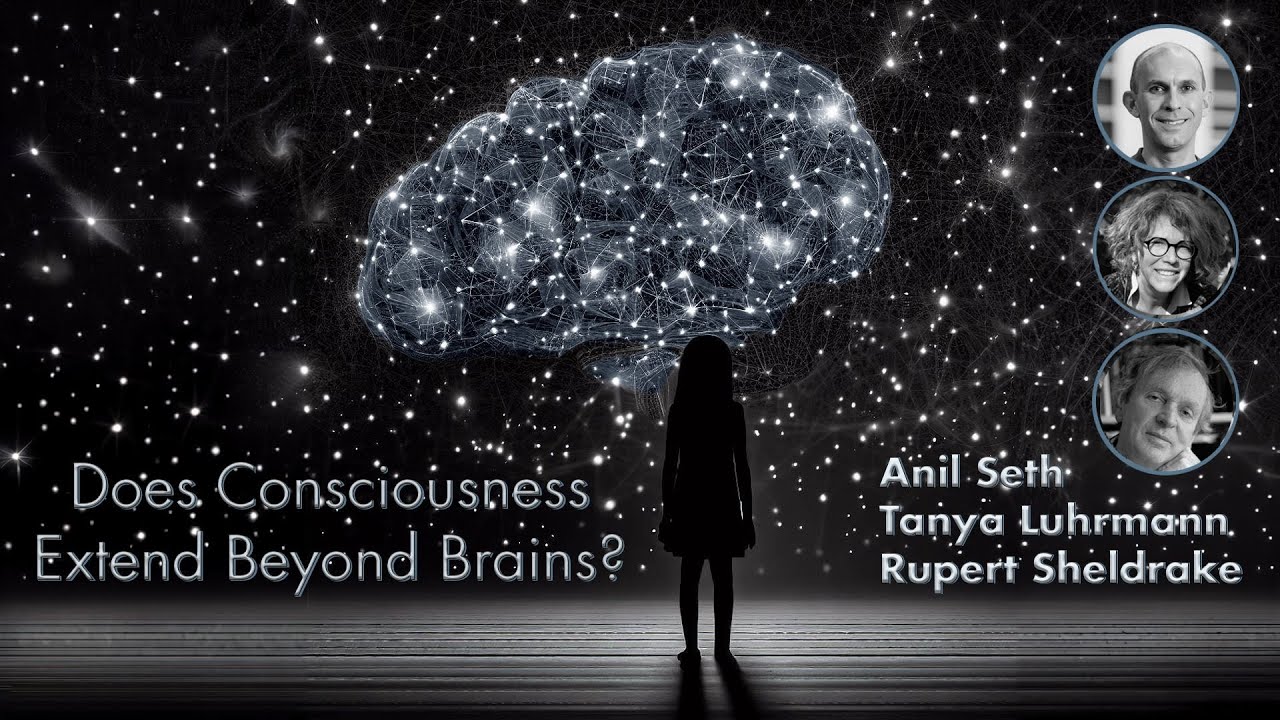






![Debate Noam Chomsky & Michel Foucault - On human nature [Subtitled]](https://img.youtube.com/vi/3wfNl2L0Gf8/maxresdefault.jpg)