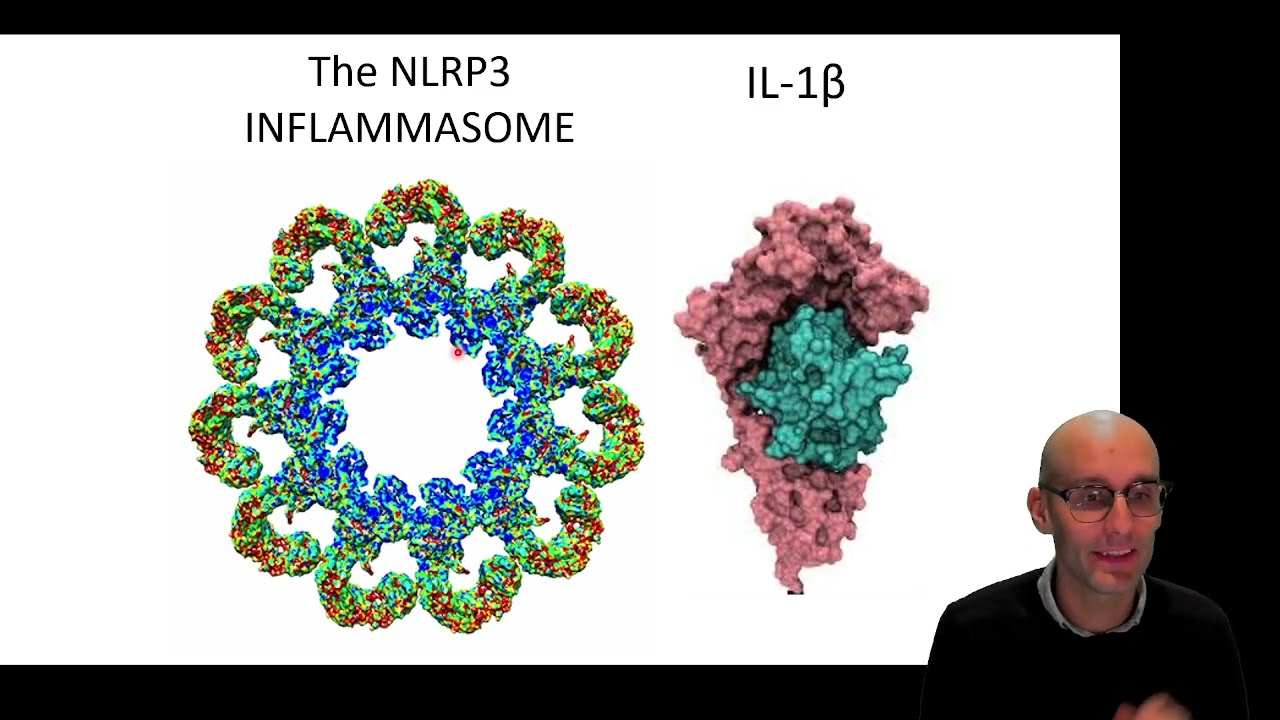
hey everyone Dr Jacobian this is the final video in a series Breaking Down This research paper here now I actually go back several videos to break down some of the fundamentals about how inflammation contributes to Alzheimer's disease through the unilaterality 3 receptor and so perhaps inhibiting the lrp3 receptor will be therapeutic and Alzheimer's disease then I go through this paper and how we discovered this group of non-steroidal anti-inflammatories inhibits nlrp3 by inhibiting chloride efflux which is an essential component of enolip3 activation but up until then figures one two and three of this paper they haven't
touched on Alzheimer's disease even though that's in the title of the paper and it's figure four and this is where my input to the paper really uh came in because I work a lot with mice and behavior and all those kinds of stuff immunos chemistry stainings of the brain so this is when I really started to contribute to the paper we wanted to do these drugs work in an animal model of Alzheimer's disease that we know in lrp3 might be involved in okay so let's jump into it first up now Alzheimer's genetic models which I've
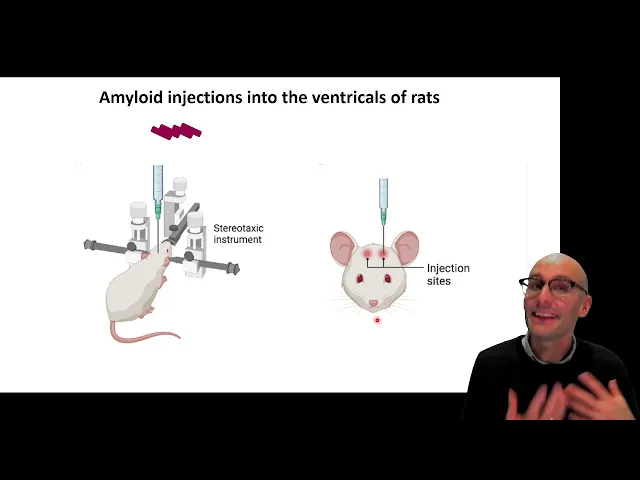
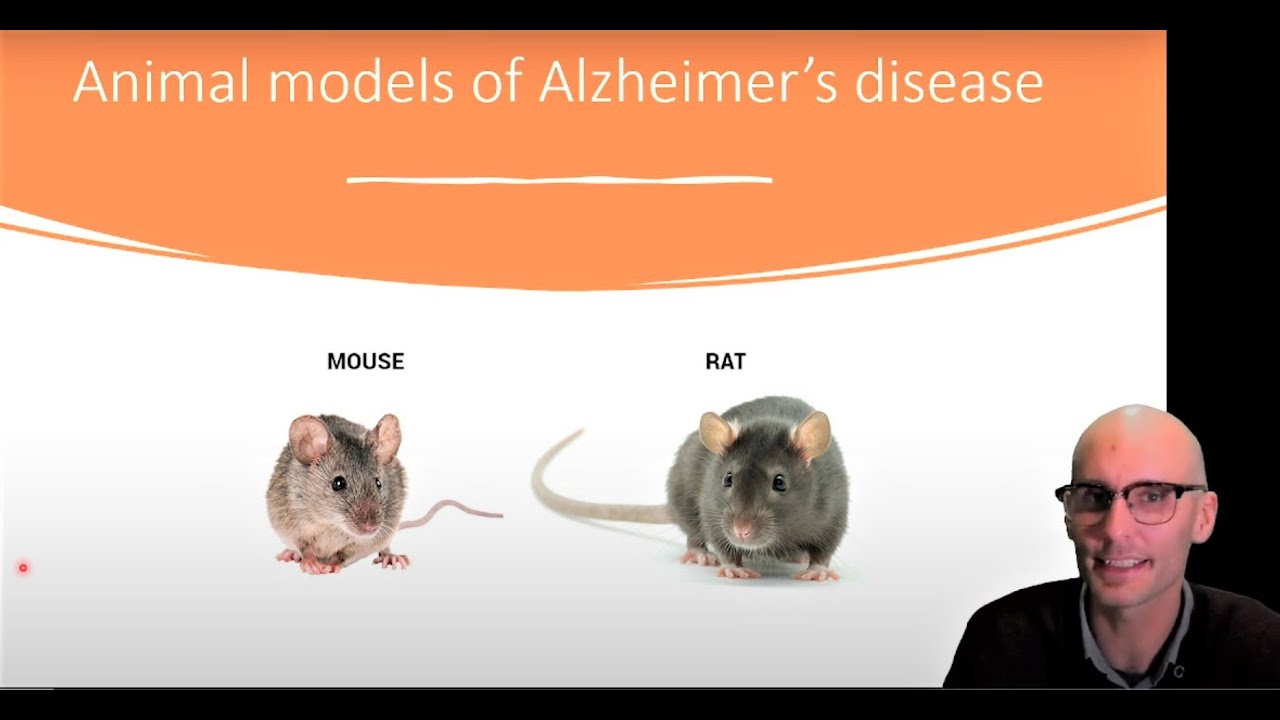
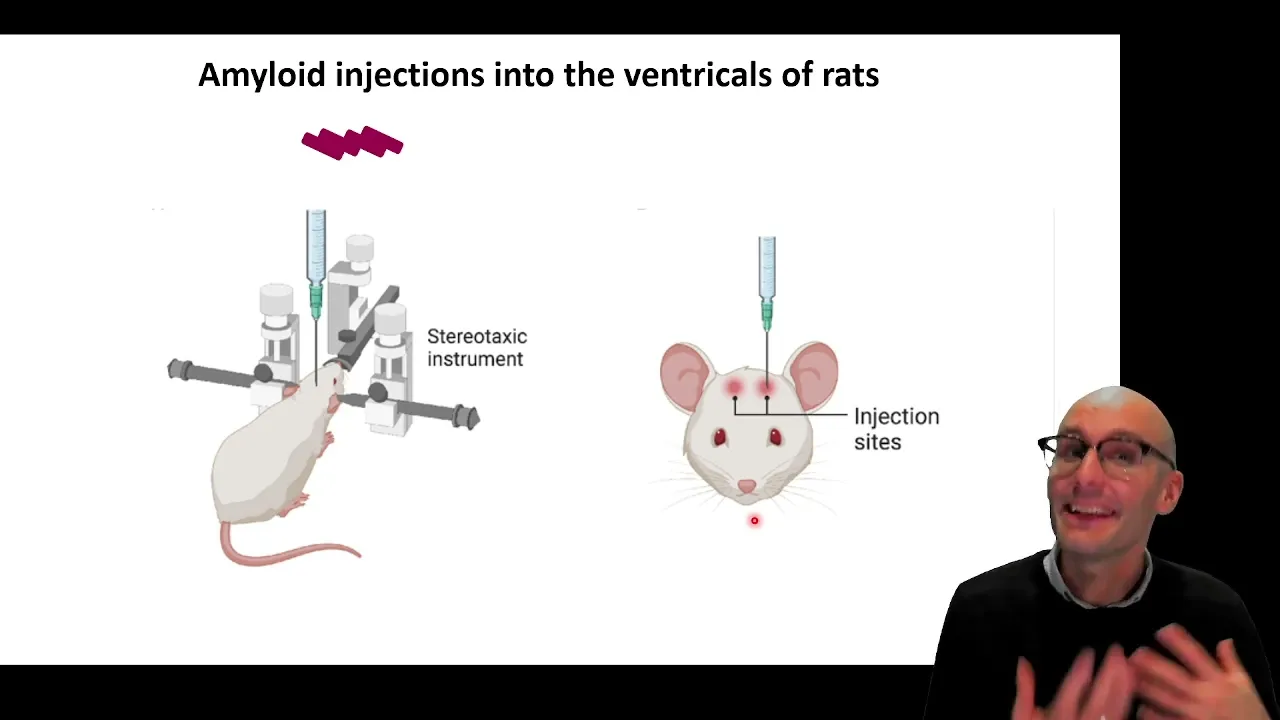
covered which is when you genetically engineer a mouse to have familial Alzheimer's disease genes they take time they take a year until you get cognitive deficits and then you have to do behavioral tasks on it and so it can be a good two-year project trying to find out can we inhibit can we therap be therapeutic and Alzheimer's Mouse models so it's not really the model that you want to jump into immediately so the first model we jumped into was injecting high concentrations of amyloid into the ventricles of rat brains so to do this we do
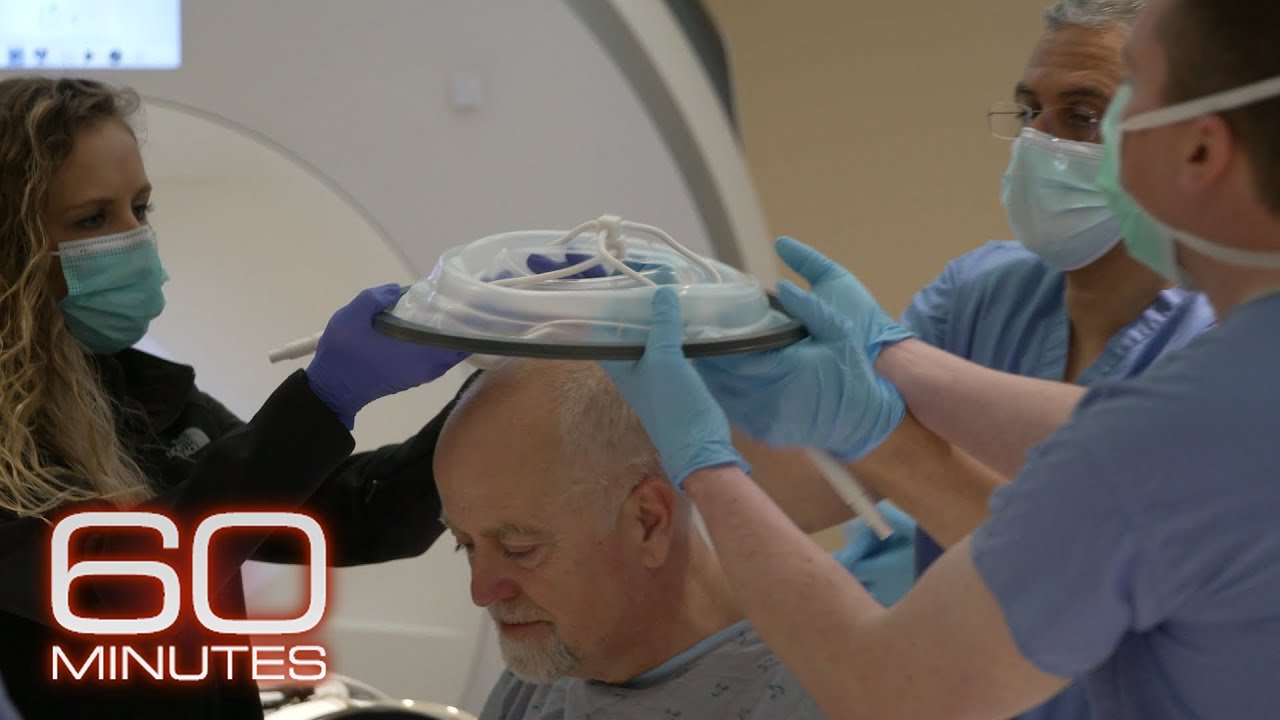
stereotactic surgery which is where we essentially under anesthesia lock the rat into a grid so then we can exactly Precision a needle into a specific location to hit these tiny ventricles in the brain so we need to use these Precision Instruments in order to do an injection in a very specific location in the brain within the rat now we have to drill a small hole in the skull before we lower this needle down to inject it then we inject a high dose of amyloid and that will very rapidly induce memory deficits and your inflammation in
these animals so we did this to the rats and just after the injection we gave our non-steroidal anti-inflammatories that we know inhibit the enol rp3 and flamesome or we gave a placebo control then we measured their memory deficits using the novel object tasks so just a quick refresher is you put a mouse or a red in an arena with two identical objects so two brown squares for example and then after a period of time you take the animal out you clean the arena but you swap out one of the objects so now there's a new
object and an object it's already seen before you pop the rodent back in and it should spend more time around the new object and that's because rodents like new things they should remember that they've seen the brown square and spend more time with the blue squiggle but a mouse with very poor memory will spend an equal time around both objects because it can't figure out which one's the one it's seen before I can't remember it and which one's the new object so both objects appear to be new to a mouse with very poor memory so
at 14 days with these rats we found that the control animals that hadn't been administered amyloid could distinguish between the new object and the old object and they spent more time around the new object the Reds injected with amyloid couldn't distinguish and spend equal time around the old object and the new object and when we gave them epidemic acid we reverse them back to that control phenotype so they could remember so we blocked the memory deficits induced by amyloid and this was 14 days after injection we also did it again 35 days after injection and
we got the same results so it's a long lasting effect that's mefenamic acid injection now that's a very artificial model of Alzheimer's but it is a great little check before you embark on something much bigger involving genetic models so in this one we did a genetic model it's actually called the three times TG Alzheimer's Mouse model and then this one it's got two uh mutations in the amyloid protein and actually it has a mutation in Tau and then induces phosphorylated Tau to try to get you that cow tangle part of the Alzheimer's Mouse model now
that's a little weird because there are no cow mutations that cause Alzheimer's disease Tau mutations typically cause other forms of dementia like frontal temporal dementia and so that's a con but a pro is that this animal gets all the histological Hallmarks of Alzheimer's disease against neuronal loss Tau Tangles amyloid and inflammation whereas the amyloid-based models typically just get amyloid pathology inflammation and they don't get neuronal loss or Tau tangles so you get all the histological marks with this mouse model but it's kind of artificial because you have this weird Tau mutation in there anyway so
that's the mouse model it's called three times TG Alzheimer's Mouse model and then that week Under the Skin we slipped a thing called osmotic mini pump this is a very very cool piece of technology right so let me try and explain it to you right so here we have the administration tube we have this cap here that seals deals modern mini pun and then here we have a we have essentially a bladder with our reservoir of our drug and we put our drug in there at an incredibly High concentration so it's a very high concentration
of our drone then out here we have sort of a salt based layer so it's a really salty substance and then out here we have a hard Capsule that's permeable to water so we have a hard Capsule that's permeable to water we have a thick crust of salt then we have our bladder with a drug and then we have our Administration tube coming out in the Indian so what happens when you slip this device under the skin of an animal the water in the animal is going to go towards and through the permeable capsule to
the Salt layer within the osmotic mini pump and that's because of Osmosis osmosis salt sucks water goes from a high concentration of water to a low concentration of water so that salty Briny layer has a very low concentration of water and a high concentration of salt so water must flow through the semi-permeable membrane from the high concentration of water down to the low concentration of water and all that water rushing into the salt layer applies pressure on the bladder the bladder starts to squeeze and then drug will now drip out the end there now I
see a very high concentration of drug because a very small amount of liquid comes out one to two microliters a day so it's a tiny amount of drug will get squeezed at the end of the day but that's really good because that means it will administer the drug for 28 days straight so this way we don't have to inject the mice every 28 every day for 28 days which it comes with ethical issues and all that kind of jazz we can just slip this under the skin and it will administer the drug continuously for 28
days so that's what we did and we gave it to them at the one year mark this is right when you would expect to see cognitive deficits so right at the beginning just when they're about to tip so I would say it's like giving it to a patient with mild cognitive impairment so a patient comes in concerned they've got Alzheimer's disease they haven't got full blown Alzheimer's disease so they've just got mild cognitive impairment they're forgetting their keys losing their car parked car that kind of thing and perhaps there are also amyloid positive so you've
done a PET Imaging and you found your patient is amyloid positive now you'll be like oh let's give them the strength so that's about what I would say is the equivalent to what we've done here so then for 28 days right when we expect the cognitive deficits to hit we are giving them the drag and then after that we measure their cognitive performance and we use the novel object task we also did the way maze task as well and we basically found that here we go we've got our wild type mice they could distinguish between
the novel object and the familial object the object The Familiar object the object that I've seen before here's the Alzheimer's Mass terrible performance can't recognize between the old object and the new object here's the mepheneemica acid mice now I gotta say like all my research is done blinded right so I don't know even if it's an Alzheimer's mouse or if it's the my phonemic else uh mefenamic acid Mouse I don't know if it's had the inside if it's an Alzheimer's Mouse when I'm doing the experiment I just put the mice in I do the maze
I score the maze I track the maze all of that's done blinded I even do the immunos chemistry blinded I do the whole thing blinded I don't even know the groups and then I come to unblinding now at this stage I'd done a PhD and a postdoc so I'd gone through unblinding you know maybe eight times and every time it had been negative every time the underlining experience was horrible because I could see that the numbers were even as I as I organized the data after I'm blinding this was the first time in my career
I unblinded and all the small values went to one group and all the big values went to the other groups and I couldn't believe that what was happening I was there with an undergrad named Sophie because we were working on this and we were screaming and jumping around at like 9 pm at night on a Friday after unblinding this data it couldn't have been more exciting oh gosh it was good are you just talking about I'm reminiscing about how good this unblinding experience was um definitely the one of the few times in my career unblinding
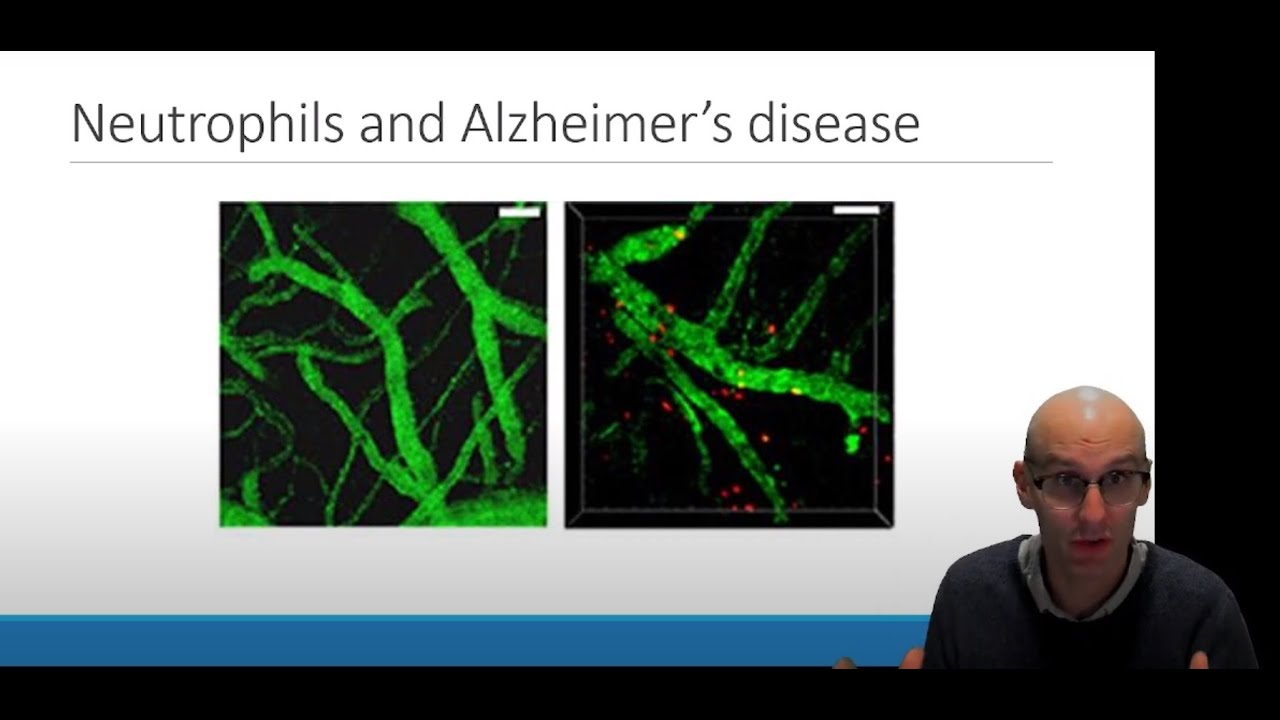
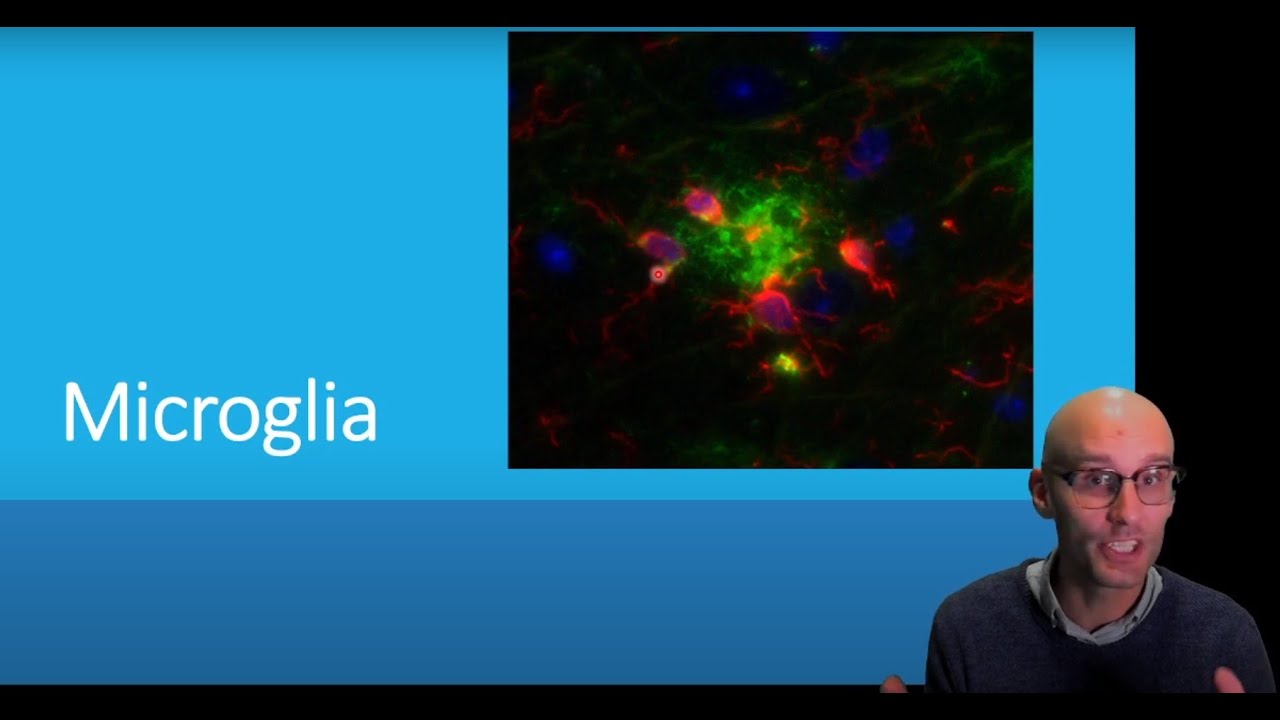
was a joyful occasion because surprisingly it's hard to cure disease so um unsurprisingly next we did immunity to chemistry and we did this all blinded as well and then I'm Blended now municipatory we stained for microglare and we stand for pro interleukin-1 beer which will be inside of the cell just to see if they're more inflamed by looking at that and look them on beta now microglare you can kind of tell whether they're activated or not so here we have a resting microglare and here we have activated microglia so you can see that they go
up so they're normally out there sensing the extracellular environment and when they detect something that they're concerned about they normally migrate to it and then retract their processes and then start releasing cytokines or phagocytosine what they've found so they normally retract in in order to activate so there's several levels of activation this is a single microglare and this is like five microglare in a cluster all really activated so I developed a scale to decide whether they were activated or not activated so here we have an Alzheimer's mouth and this is just in the sebiculum which
is a a memory location part of the brain right beside the hippocampus so this is just in the subiculum and this is where the pathology starts in these mice um and here we can see the micro glare have very short processes they look very angry and they're yellow because they're both positive for red which is interleukin-1 beta and green which is microglia so by being positive for both they they tune up yellow so here we have some very small activated microglare that are positive for both interleuk One beta and they've pulled in their receipt uh
their processes and they're very active and green so here's what it looks like when you give me phonemic acid it's insane the unwinding was insane when it came to this right because we scored all the images blinded so we didn't know which groups they belonged to and then when we unblinded we couldn't believe what had happened this Dragon just turned off the inflammatory response in these micro like a light switch it was so exciting most of this work was done by Soviet so thanks Sophie by the way um uh who did this awesome stuff gosh
ah I just want to film this image for a while because it's so cool okay so then we scored it right so this is percentage microglia activated this is Alzheimer's disease this is mefenamic acid and this is a percentage of microglia positive for interleukul and Beta And so there's a very high percentage up to 40 percent and then down here we dropped it reasonable but not completely we were surprised by how much intelligent 1 beta positive cells that were all together really but way more in the Alzheimer's mice and that was reversed with methanamic acid
so super exciting so figure four can be summarized can in rp3 inhibiting insides be therapeutic and Alzheimer's disease rodent models and the answer is yes and both an acute amyloid model in which we end a genetic model of Alzheimer's disease nlrp3 inhibit in inhibiting in dates improved memory and we saw it prevent maybe reverse microglial inflammatory morphology in il1 beta expression so that was super exciting essentially we found an existing old class of drugs had this new Twist of the tail it could also inhibit nlrp3 by inhibiting this chloride flux probably and by doing so
it was therapeutic and Alzheimer's disease and that was the end of this paper I will say I then released another paper which was really really cool where it's like these are existing drugs so why don't we go look in the population to see if people who are taking the nlrp3 inhibiting NSAIDs have a slower Alzheimer's Decline and indeed that's exactly what we found people who were taking ibuprofen with Alzheimer's disease had a regular normal progression of the disease compared to someone who wasn't taking ibuprofen they had the exact same progression and in fact we tested
about seven different NSAIDs including a non-store not an insane called paracetamol and we found that the only insect that slowed the progression of Alzheimer's disease was the only one in the data set that inhibited enlarp3 so it was an amazing result so we've kind of confirmed this in human studies as well so it's very exciting um and that that came out two years later after this paper awesome so there's my breakdown I hope that was as exciting for you as it was for me it was so exciting to just go over this data still to
this day probably some of the best data I've ever produced super exciting thanks everyone