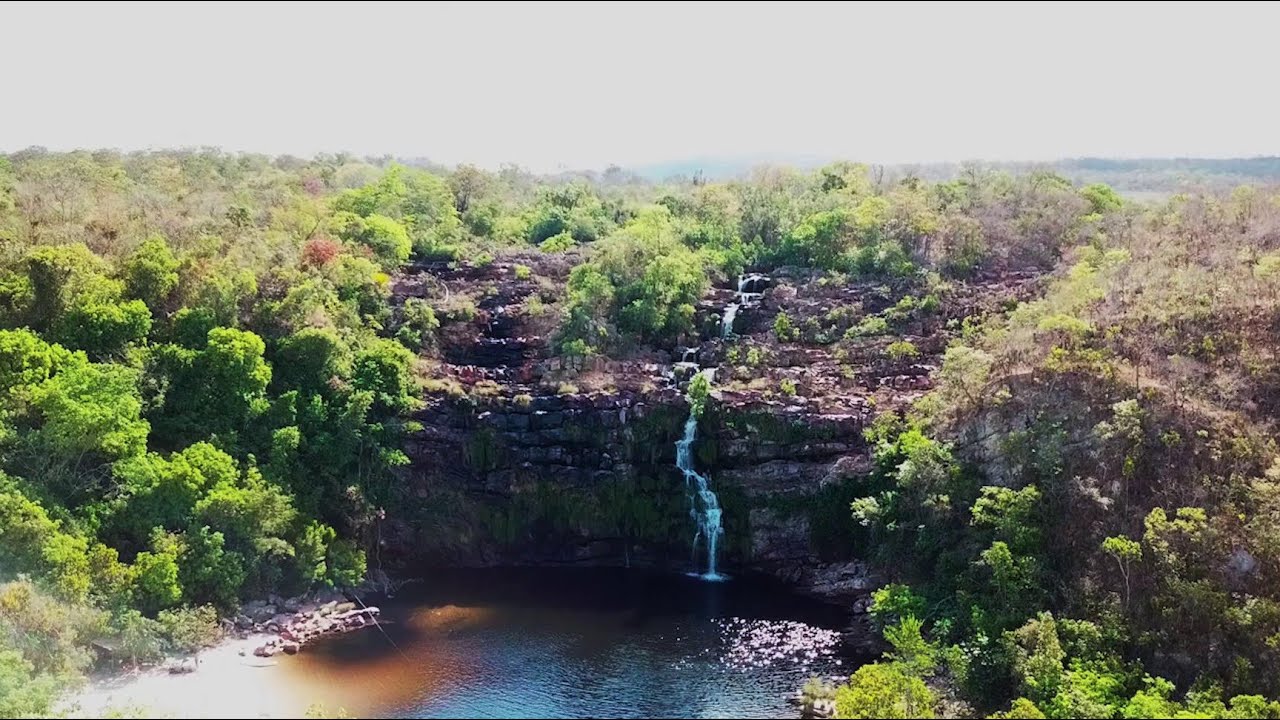
The region here where I live is called Cerrado. The four seasons aren't well defined. We have six months without rain and six months with lots of rain.
I admire the Cerrado. I would say it is a complete ecosystem. One can plant for food and for medicines.
My parents always taught us to appreciate the land. . .
because our subsistence depends on it. Everything I have here, my home, the singing of birds when I wake up. .
. I wouldn't trade it for the noise of a car engine. It was in 1996 or 1997 that we started processing the baru nut.
The baru nut can be sold right away, especially good for women who work only at home without pay. The project started with my mom. At the time she was a teacher at the municipal school.
I was a student at the time and started to participate at school. There was also a local doctor who started an educational project of health through alimentation. During the rainy season we planted a lot of cucumbers and squash.
Much got wasted since we didn't use to preserve anything. She said let's make green squash pickles so that you'll can eat them in the dry season. When we realized we had already done a lot of things, so we organized ourselves with the neighboring farms and started an association.
"Promessa de Futuro" (Promise of a Future) is the brand of our products. With the brand there is a history of agroecological production and sustainable family farming. The association was founded in 1989.
It started as a political movement in the community. After a while we started working with recycling and processing fruits. We first learned to make jams and pickles and only later that we started to process the baru nut.
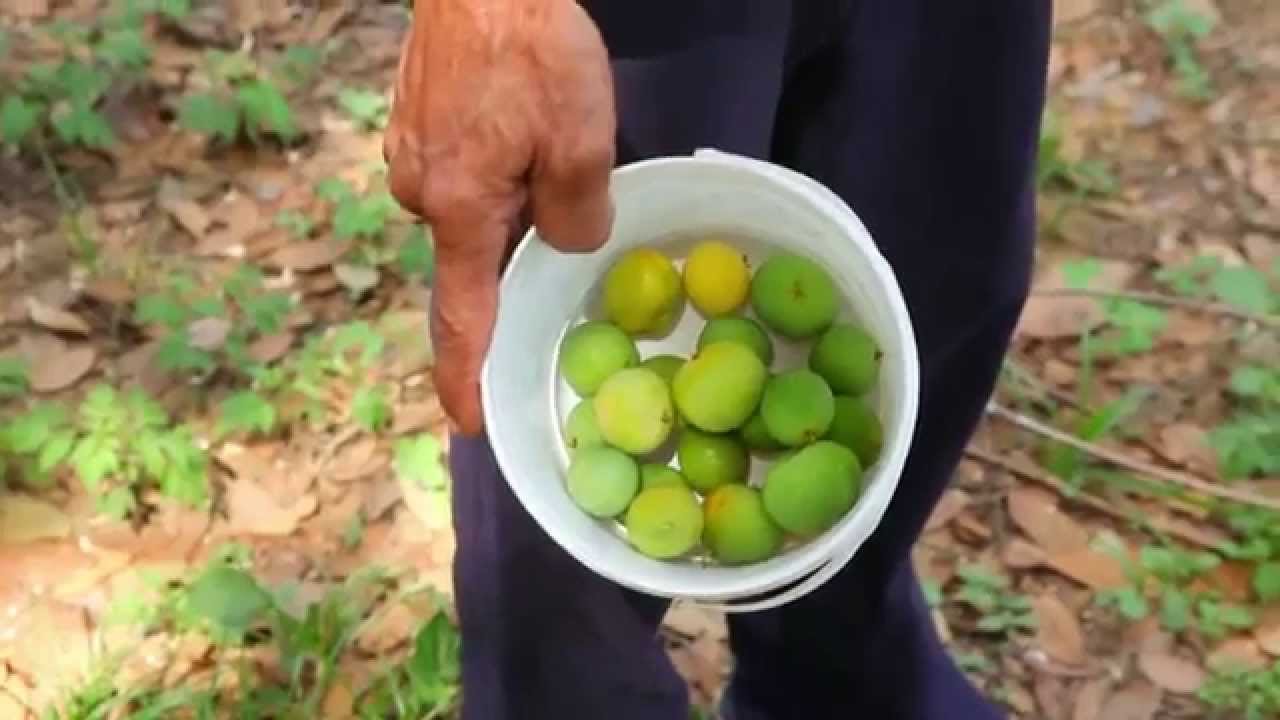
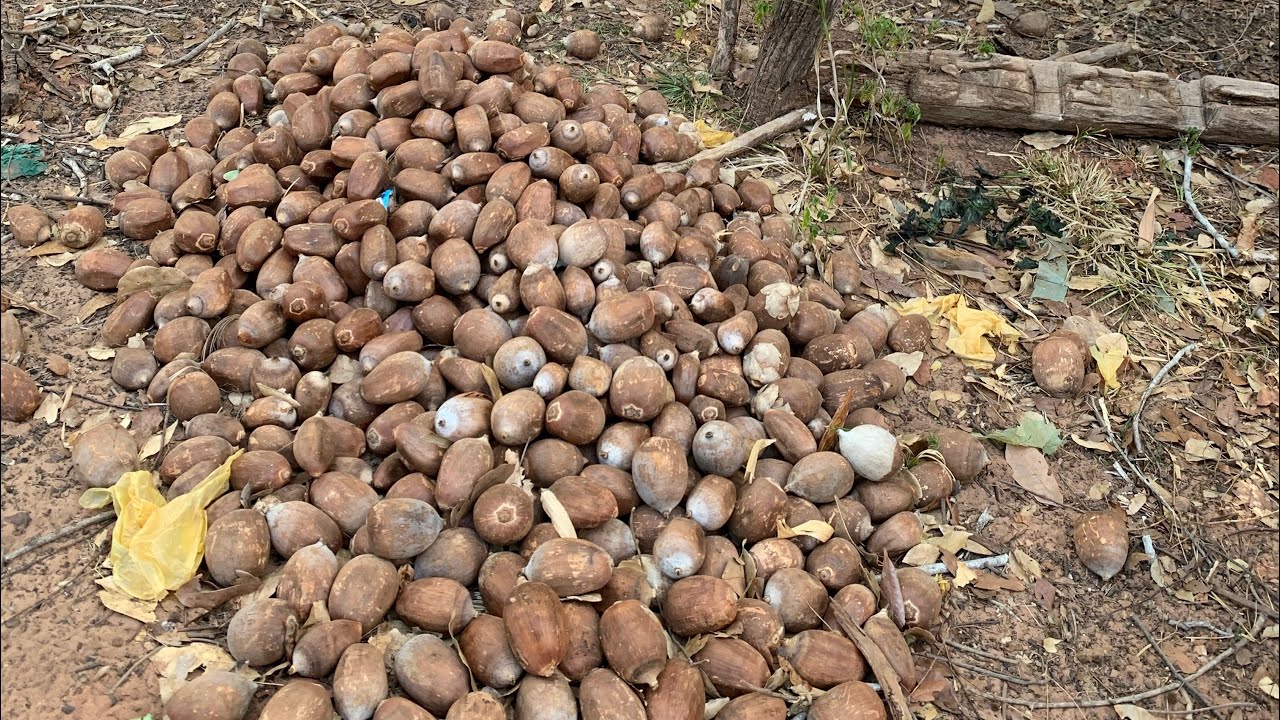
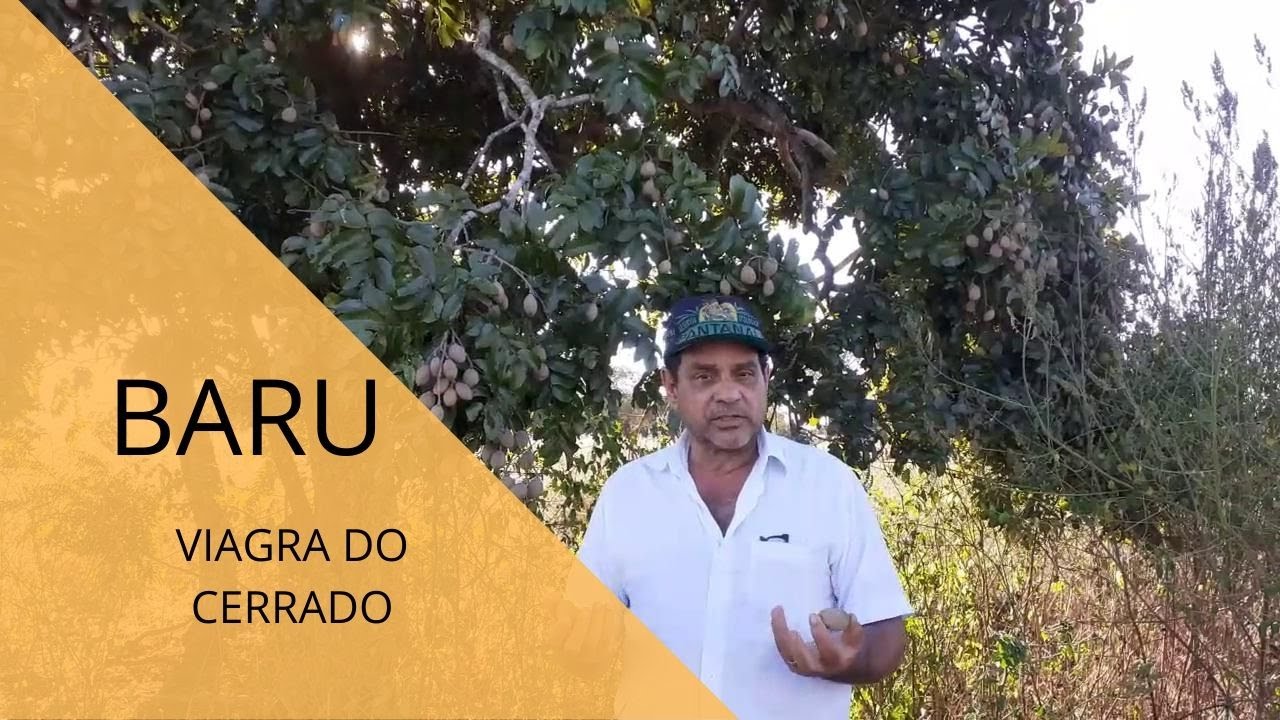
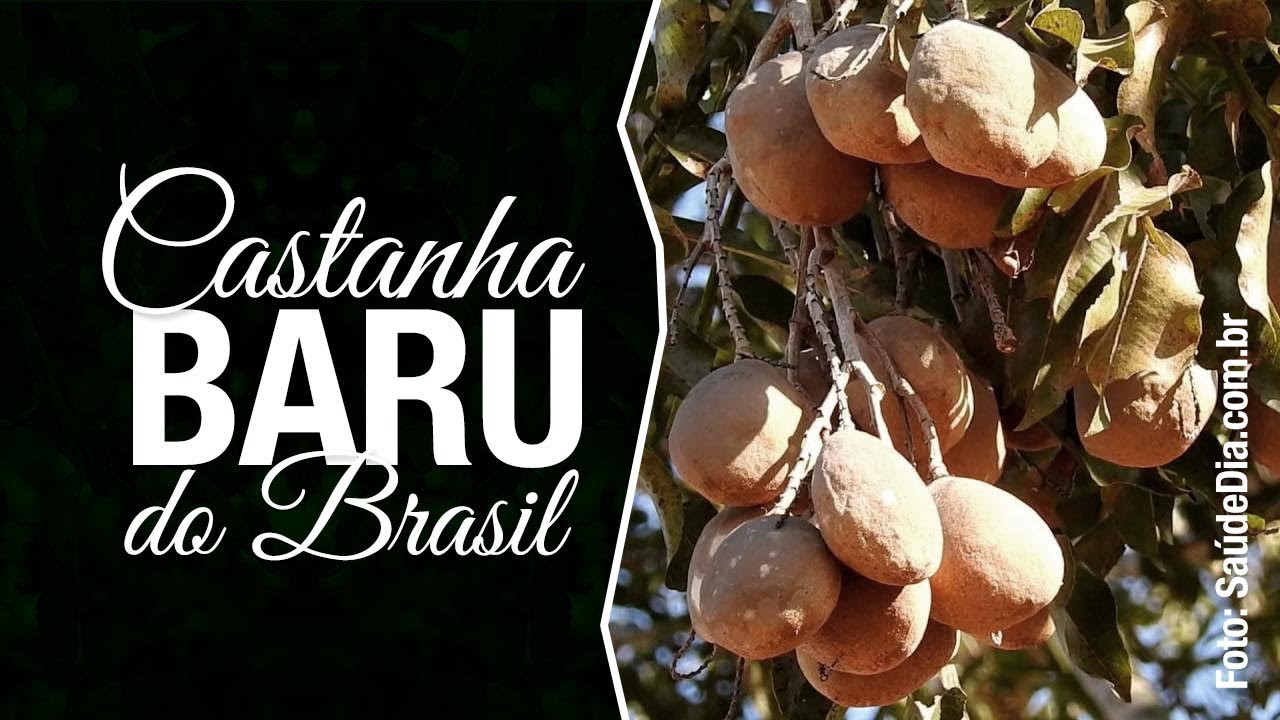
The average of nuts these trees produce is about 250 or 300 kilograms of nuts. When we see that there is a lot of baru we get hopeful to earn some money to buy jars for jam and invest in other activities. It generates income, it is edible and has medicinal benefits.
. . it also promotes a reflection of the richness of Cerrado diversity.
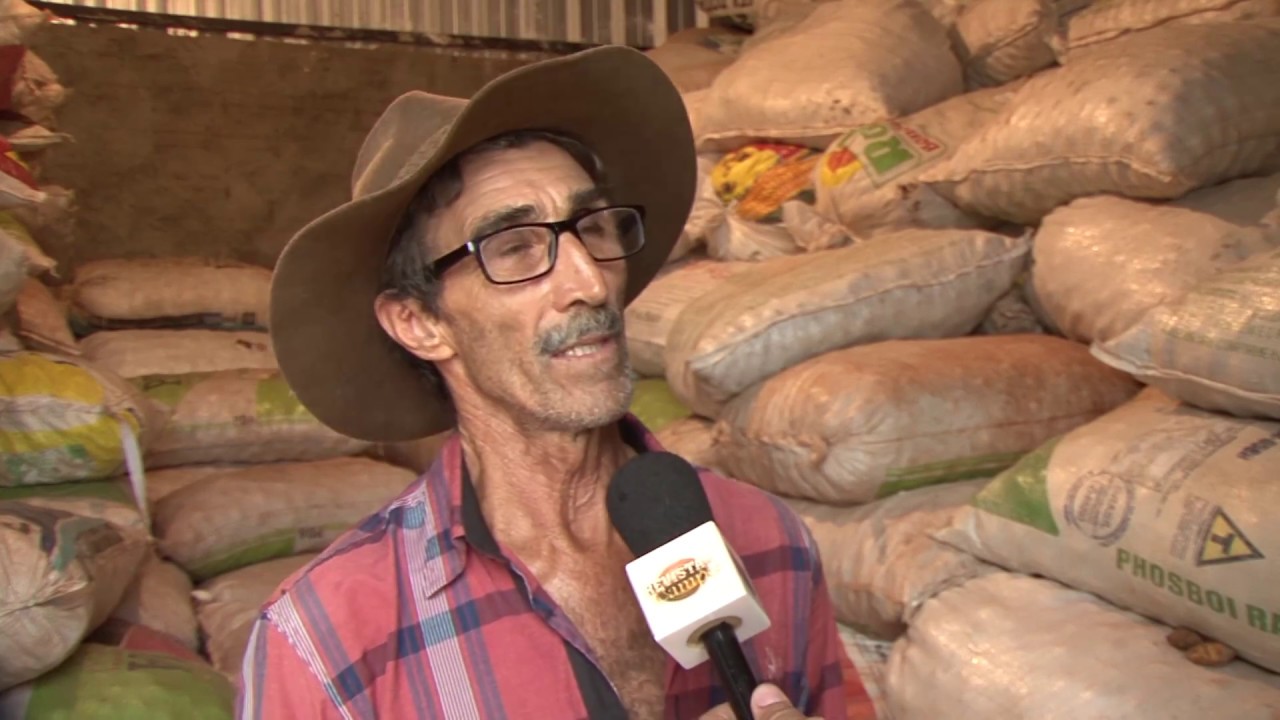
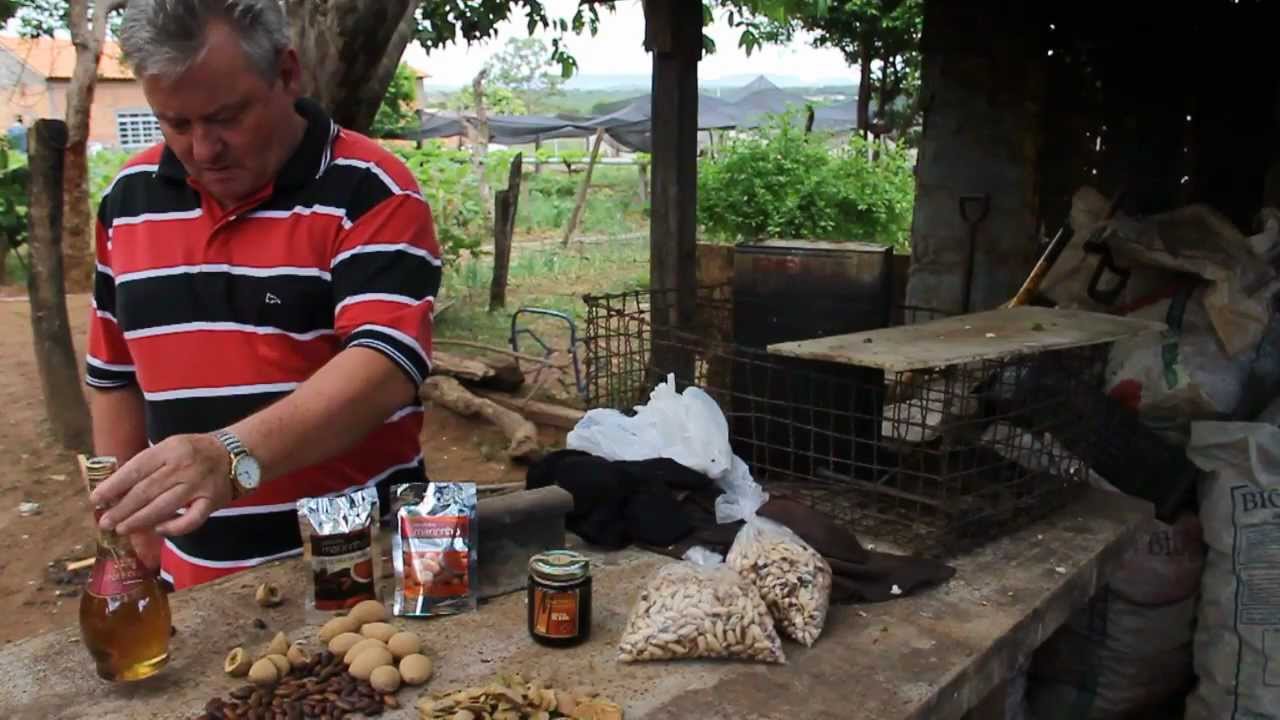
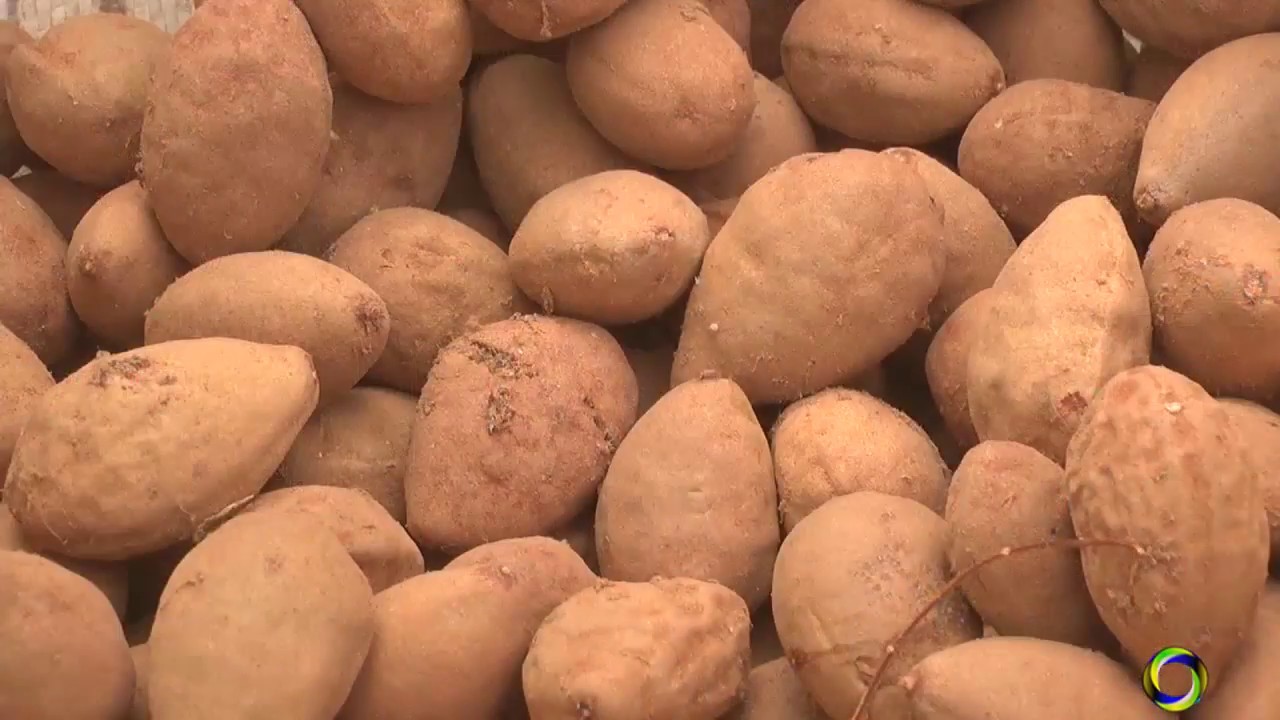
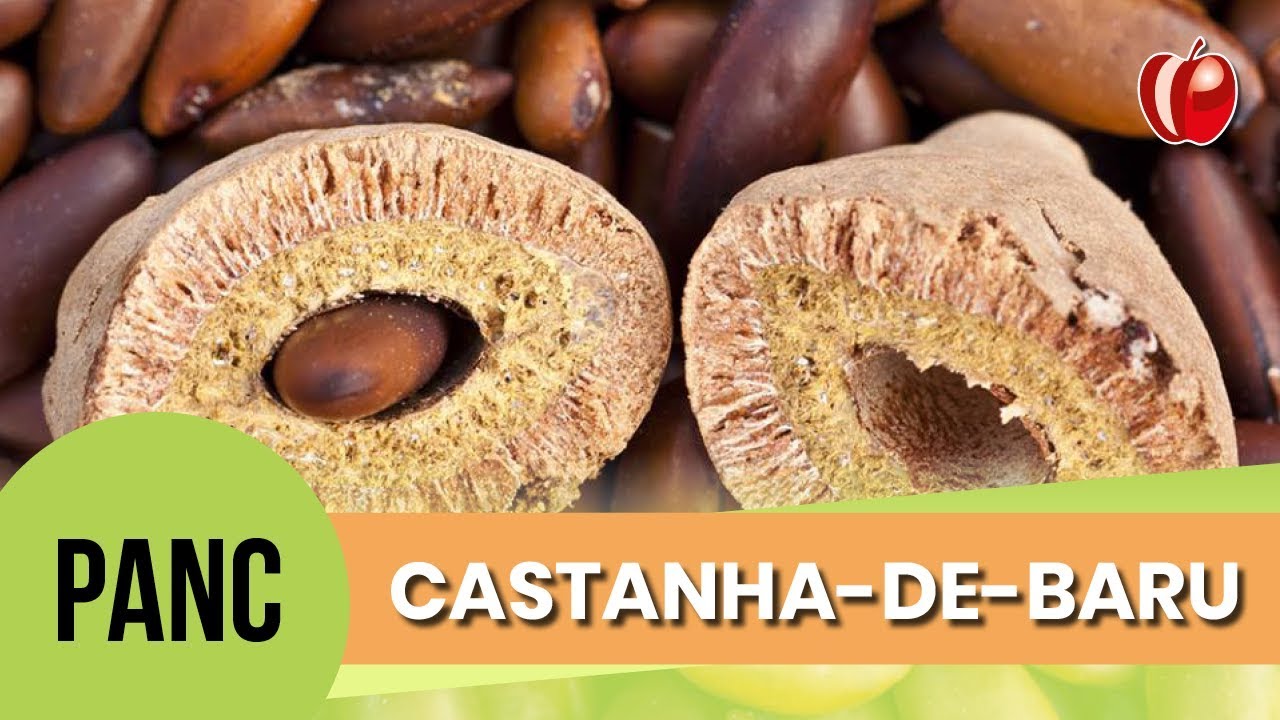
We harvest the baru nut in the cerrado and in the pasture, then we bring them in and store them. Then we cut it to get the nut. We use everything of the baru nut: toasted nut, confectionery, flour.
. . You can replace any nut with baru nut.
We use it in mango chutney instead of raisins. Sweet or salty nut bars. You can use the pulp to make cake and lots of other things.
. . This one is good, do you want to try it?