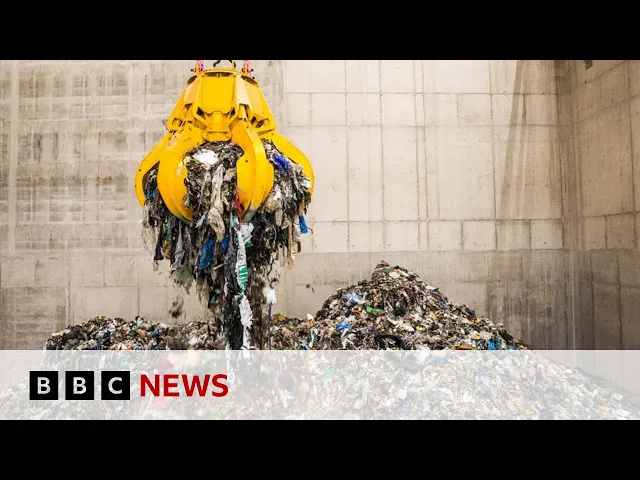
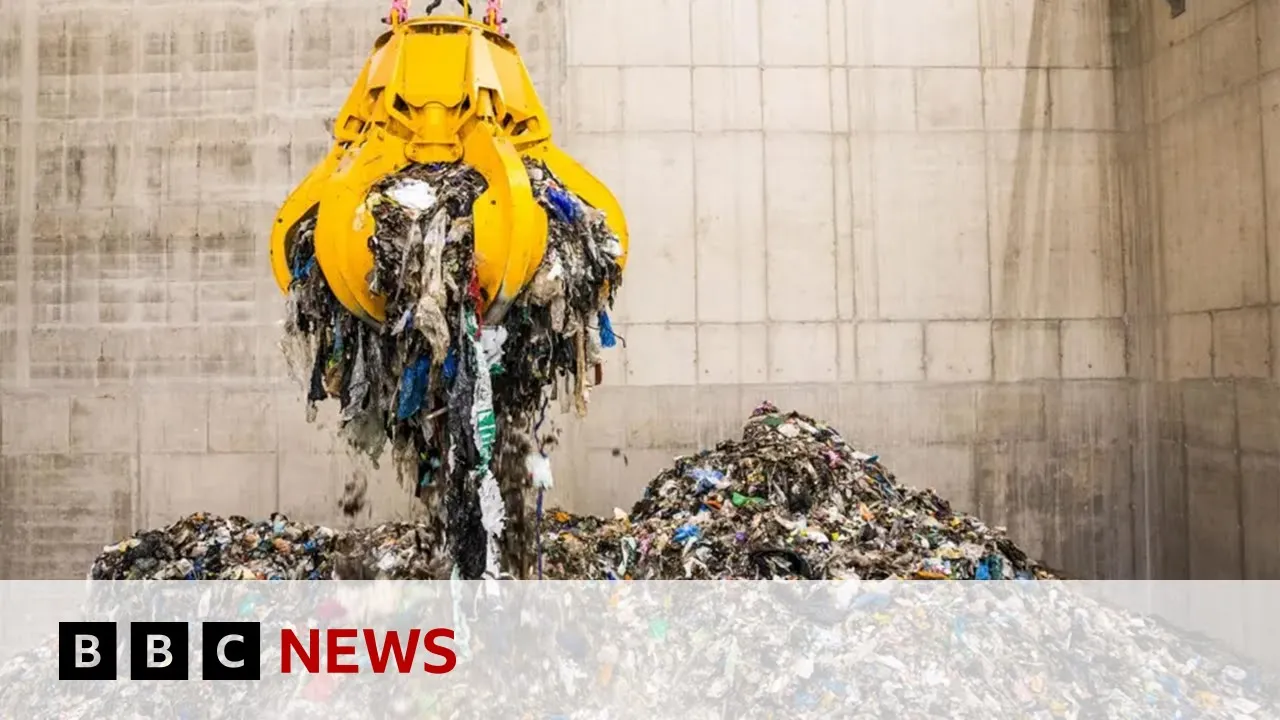
now in other news a BBC investigation has found that the practice of incinerating much of the UK's household rubbish is as polluting as burning coal almost half of all household waste now goes into industrial incinerators and recycling rates have stagnated here's our environment correspondent Matt mcgr steam Billows down Mandy Royal Street from what she calls the monster next door look how thick it is but it's blown straight our how and we're breathing all that in her home in runcorn in the northwest of England is a stone throw from the UK's largest energy from waste incinerator
so if you want to sit in the garden enjoy the sun you've got the smell the steam flies and then the noise as well this verdor site burns the equivalent of around 200 double-decker buses of black bin bags every single day around a million tons a year I've lived here since 98 and then in 20 2015 they decided to put the incinerator in me front garden well it felt like me front garden and ever since it's just been a nightmare verdor say their site is closely monitored by the environment agency and the amount of noise
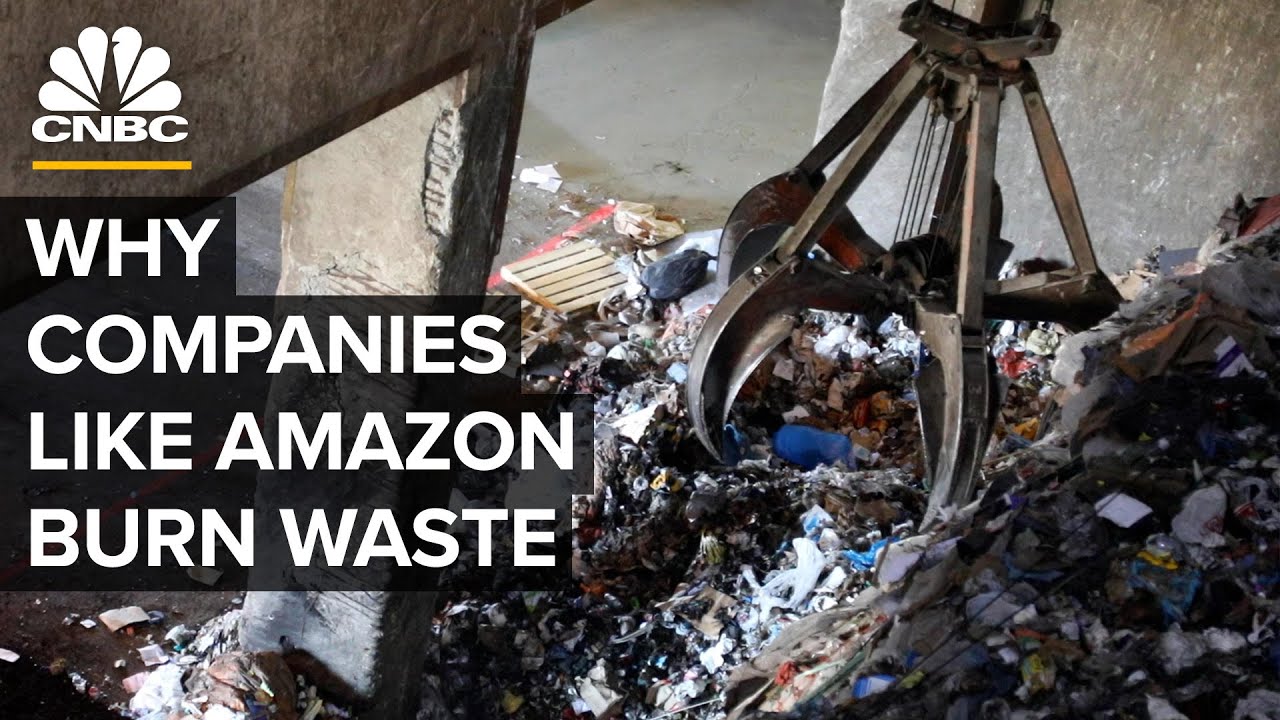
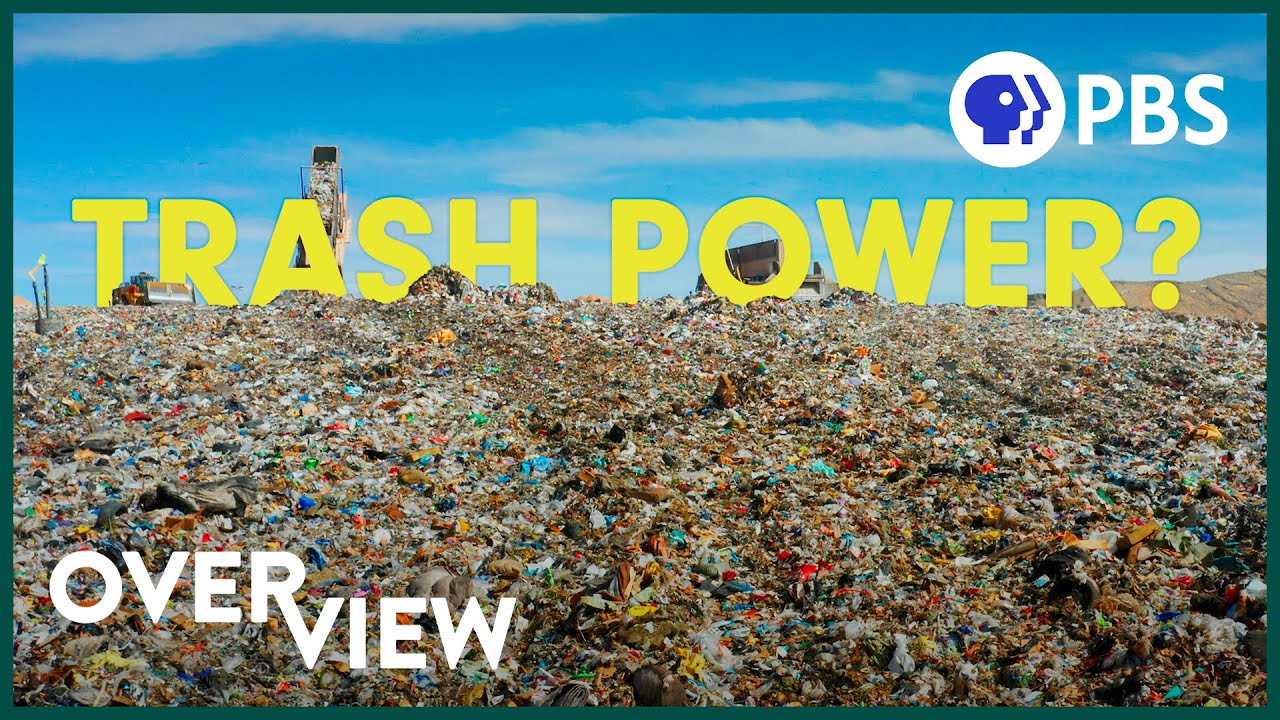
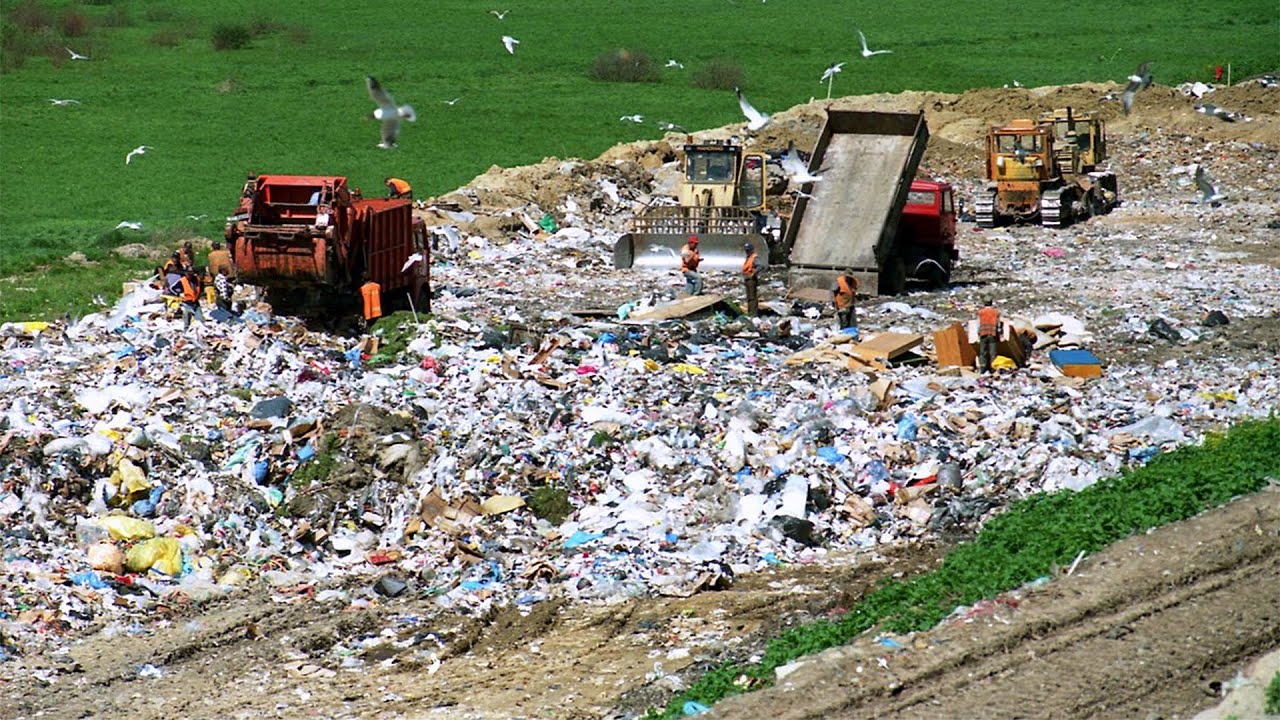
and water vapor remain within permitted levels for the environment and human health we used to bury our rubbish in landfill sites like this but the government imposed heavy taxes as worries grew about planet warming methane seeping out from underground so Council turn to burning and over the past decade there's been a rush to build energy from waste facilities with many more in the pipeline all those incinerators are using increasing amounts of this stuff blackback bin waste but our investigation shows that burning this is the same as burning coal and that's because we're using increasing amounts
of this stuff plastic making energy from waste our dirtiest way of making electricity we do have concerns about the building of new energy from waste plant uh this can't be seen as a sort of just a way of uh getting out of jail for free and dealing with with the whole kind of management of waste we raised these questions with the body that represents UK incinerator operators in a statement they said the growth in overall carbon emissions from energy from waste corresponds with the growth in the number of facilities over the past decade which have
moved millions of tons of residual waste out of landfill the government said they are considering the role waste incineration will play as it decarbonized and grows the economy for Mandy Royal the personal impact of living next door to an energy from way site is taking its toll I'm sort of stuck I'm stuck in a rot down air Matt mcgr BBC News well let's speak now to Ian Williams professor of Applied environmental science at the University of Southampton Professor Williams welcome to the program and as we heard there in Matt's report there have been some Financial
incentives haven't there to move towards incineration but what I'm trying to understand was at that point was there not an understanding that incineration could be as polluting as burning coal oh yes for sure there was a a clear knowledge that uh our Municipal Solid Waste contains a lot of carbon it's at least 25% carbon and if you burn that you will generate um a lot of damaging greenhouse gases including carbon dioxide that's been very well known and it was a political decision by the previous administration in England to go down this route Wales took a
completely different approach and it is now the second best recycling country in the world as a result a really interesting contrast then so do you think that it should be a policy to move back towards landfill for disposing of rubbish no we can't go back to landfill neither landfill nor incineration um of our waste are the suitable mechanisms certainly in the 21st century for dealing with waste uh you know we should be uh using recycling reuse waste avoidance and prevention and indeed these have been strategies that have been discussed for over 20 years promoted for
more than 20 years known about for more than 20 years and employed in many other countries with Wales being a local example of how to do it but but a wide range of other countries around England have uh made different political decisions and moved in a better Direction in terms of resource efficiency and reducing pollution and absolutely we do all know that recycling is obviously the the ideal way to go but at the moment where material can't be recycled is there an improvement in technology for carbon capture for example to stop the uh the amount
of dangerous gases greenhouse gases getting into the atmosphere well um in the UK I believe there's only one waste incinerator which has got any carbon capture technology on it and it captures a trivial amount of carbon dioxide so it would require a huge investment in technology and a lot of time to do this um and of course we've got an awful lot of incinerators planned um or have approval for for progression and we don't need them we already have pretty much overc capacity and the amount of waste that we generate is going to go down
because of planned government strategies targets and policies so there's absolutely no need to build any more incinerators and we should be diverting the money that we we use on this for for other mechanisms Professor we're out of time but thank you very much for your time today Professor Ian Williams there