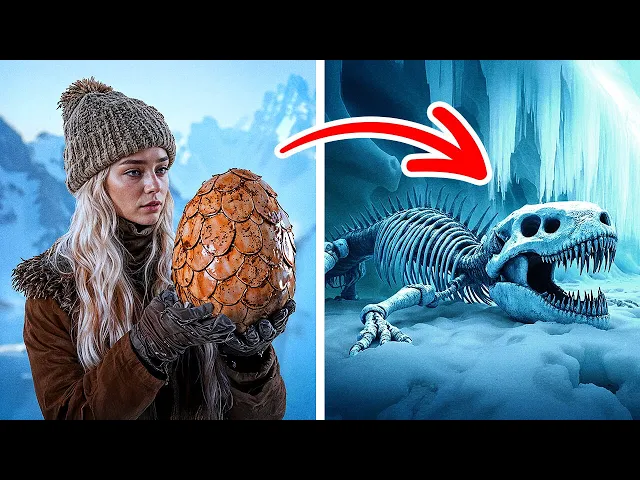
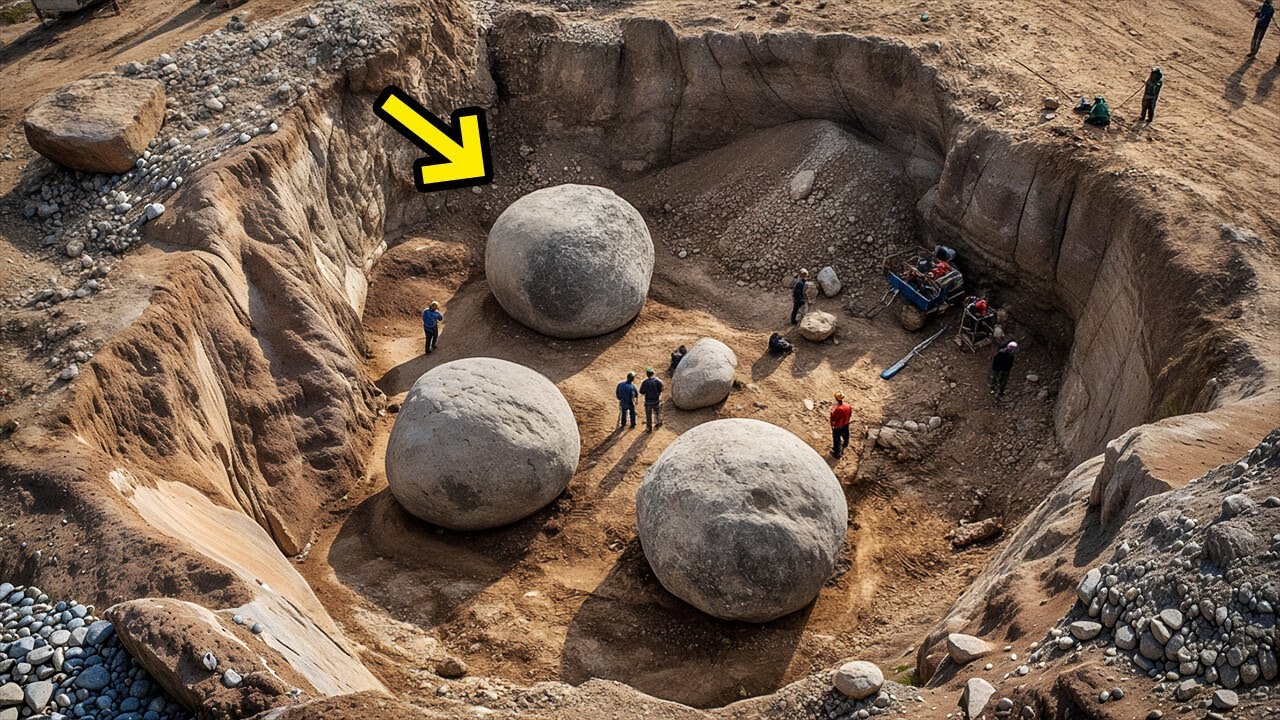
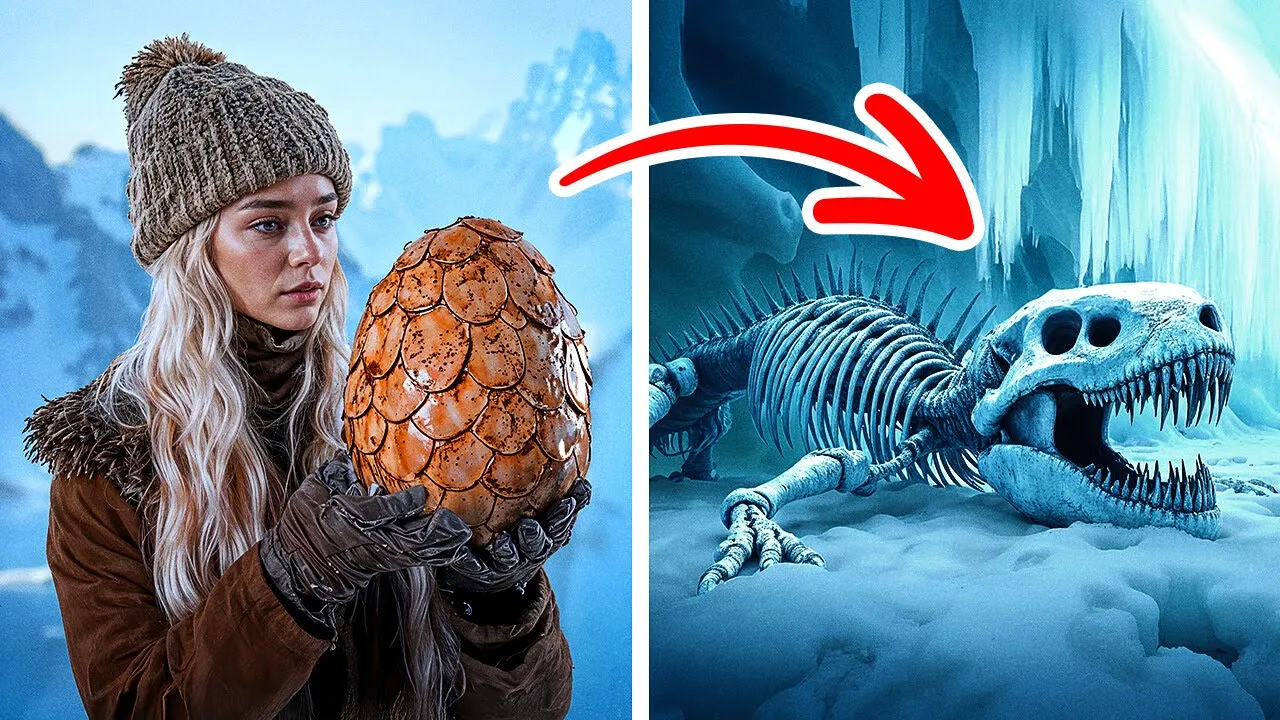
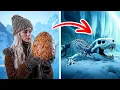
in 2011 scientists from Chile found a weird looking fossil in Antarctica that looked like a squashed football almost 10 years later the rock just sat on a shelf in Chile's national museum of natural history with no specific label it went by the thing in the museum because it looked like something from a science fiction movie when the scientists finally got their hands on the strange fossil it turned out it was actually a giant soft shell egg from around 66 million years ago this one is more than 11 in long and 7 in wide a regular
chicken egg is just 2 1/2 in long and an ostrich egg is almost 6 in long for comparison so the thing won the title of the biggest softshell egg ever found and the second largest egg of any animal we know of the only bigger egg that was ever found was that of the extinct madagascan elephant bird which is also 1 and a half times as tall as Michael Jordan the bird not the egg the Antarctic egg is also special because it's the first fossil ever found in this part of the world so whoever left it
there must have been one big creature probably a giant sea turtle that lived long ago like a mosasaur this is surprising because most scientists thought these creatures didn't even lay eggs so this discovery could change what we know about them the egg is also unique because it has a thin eggshell and no pores which is totally different from most dinosaur eggs it actually looks more like the eggs of lizards and snakes but it came from a giant creature related to these animals no known dinosaurs or flying reptiles from that time in place were big enough
to lay such a huge egg so it must have been a mosasaur after all but we can't be 100% sure scientists did a lot of work and studied 259 types of living reptiles like lizards and snakes and their eggs from this they figured out that the mommy who laid the egg was probably at least 23 ft long not counting her tail during the late Cretaceous Period this part of Antarctica might have been like a nursery paleontologists have found bones of tiny mosasaurs and Plesiosaurus in the same area along with bones from the grown-up ones archaeologists
in Norway made another cool but literally discovery and found dozens of arrows that had been hidden in ice for 6,000 years they were melting out of a large ice patch in the high mountains covering an area of about 45 football fields in 2014 and 2016 when the Summers were extra warm scientists went to an ice patch called lony to look around they also found lots of reindeer bones and antlers there some of the arrows were whole and some in pieces along with five arrow heads around the melting ice patch this this is more arrows than
have been found at any other Frozen site in the world some of the 68 found arrows date back to the Neolithic period and the newest ones are from the 14th century of the Common Era Ice is like the perfect time machine that can preserve whatever ends up there in an almost perfect condition Lang phony became famous as one of the first ice patch sites after a local hiker found a 3,300 year old leather shoe right next to its Edge scientists are studying places like this to understand how people use these sites and how the ice
patches from Norway to North America changed over time now Once Upon a Time Around 32,000 years ago to be exact a squirrel buried some seeds near a river in Siberia am I the only one getting the Ice Age Vibes anyway these seeds belong to a plant with cute white flowers thousands of years later a group of scientists found these seeds Buried Deep In The Frozen Ground about as far down as a 12-story building is tall the seeds were surrounded by ice and Bones of animals like mammoths bison and Woolly rhinoceroses the mature seeds had been
damaged Maybe by some squirrel but some of the younger seeds still had good plant parts inside them the scientists carefully took those out and put them in small containers to help them grow and here comes the coolest part they were able to grow grow the plants their flowers were shaped a little differently from the flowers of the same plant that grows today after a year the ice AG plant even made new seeds based on this the scientist suggested that permafrost could be a depository for an ancient gene pool and we could find extinct species there
and bring them back to life scientists on an icebreaker in Antarctica were looking for whales but found something way more unusual the camera behind the ship which is as heavy as a car detected 16 million ice fish nests on the floor of the woodell sea the nests were located about every 10 in in all directions and covered an area of 93 Square mil which is slightly bigger than the hole of Washington DC The Colony even had a distinct border which was a Line in the Sand the scientists were in the area because they were studying
a special spot in the ocean where the water was a little warmer than the water around it in this warmer water they found tiny animals called Zoo planked near the top when the young ice fish hatch they swim up to this area to eat the zoo Plankton before going back down to the seafloor to grow up and have their own offspring since there was so much food it made sense to see ice fish in this warm water but they didn't expect to find such a huge number of ice fish nests much more than anyone had
ever seen before New Zealand's Antarctic Heritage fund found some old photo negatives in a HUD in Antarctica they turned out to be unique images from the RW sea party it was a famous failed Expedition led by Ernest Shackleton he wanted to become the first person to cross Antarctica by land from the woodell sea to the Ross sea passing through the South Pole but things went wrong when their ship the Aurora was blown out to sea they had to use the from another Explorer Captain Robert Falcon Scott his goal was to be the first person to
reach the North Pole but sadly he didn't succeed either the negatives were made of cellulose nitrate and were found stuck together in the small box the trust took the negatives back to New Zealand where they carefully separated them and discovered 22 hidden images many of the photos were damaged but the trust could still recognize some familiar places around McMurdo sound a well-known in Antarctica no one knows for sure who took the pictures in December 2021 some scientists noticed a strange mark on the Larson ice shelf a giant sheet of ice off the eastern coast of
Antarctica they thought it might be a river flowing under the ice so they drilled down over 1,600 ft to check it out they expected to find water but they didn't expect to see that the water was full of fast-moving creatures called amphipods the scientists also found that the water in the underground river had unusual layers of currents moving in different directions which they still don't fully understand another surprising thing happened during their research on December 20th of the same year a volcano erupted far away in Tonga and the pressure waves from the eruption were detected
all the way down in the ice River in Antarctica it shows how everything on our planet is connected even in the most distant places that's it for today so hey if you pacified your curiosity then give the video a like and share it with your friends or if you want more just click on these videos and stay on the bright side