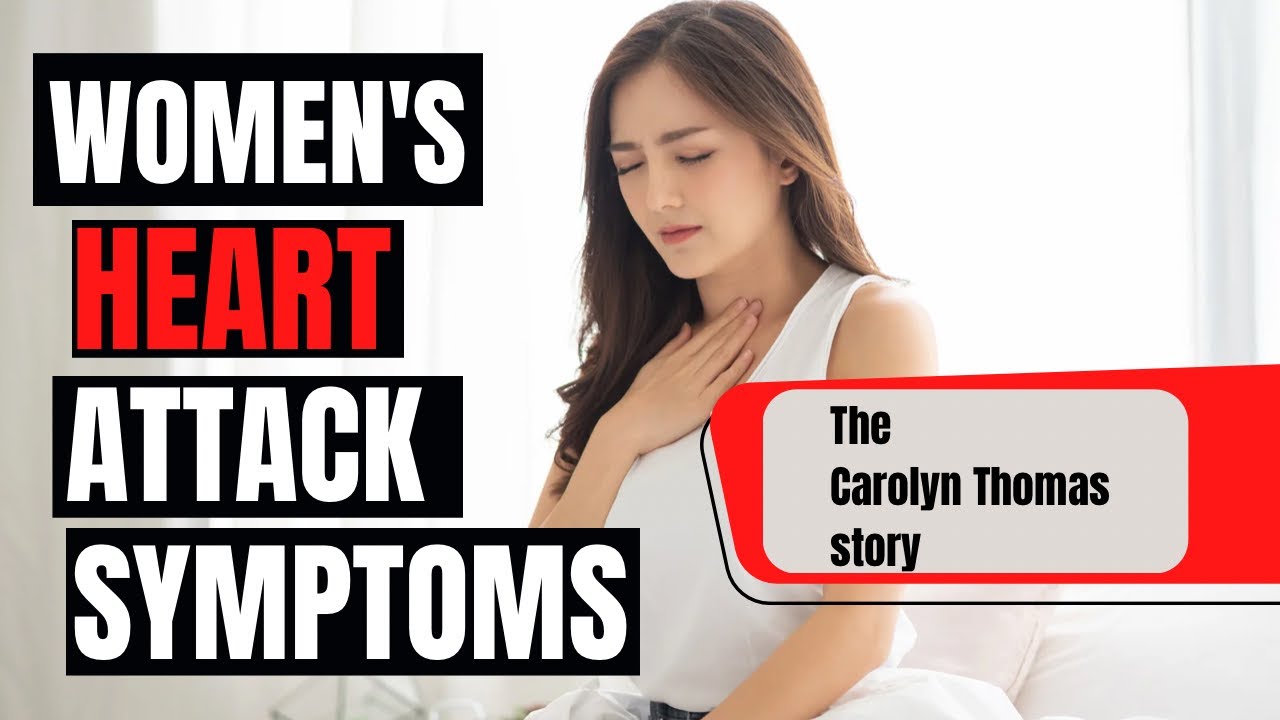
when it comes to heart hell our bodies have a way of sending us signals that something might be wrong especially in the leadup to a heart attack these early warning signs are the body's way of hinting that it's time to pay attention and possibly seek medical help from the more recognized chest pain and discomfort to other less obvious signs that we'll uncover in this video these symptoms can vary widely and how they present and feel which is why understanding and recognizing these early warning signs can be life saving so keep watching if you want to
learn more number one chest pain and discomfort often described as a feeling of pressure squeezing fullness or pain in the center or left side of the chest is one of the most common warning signs of a heart attack this discomfort may come and go lasting a few minutes at a time it's crucial not to ignore this symptom as it indicates that part of the heart may not be getting enough oxygen the sensation can vary significantly from person to person for some it might be mild and mistaken for indigestion while for others it can be severe
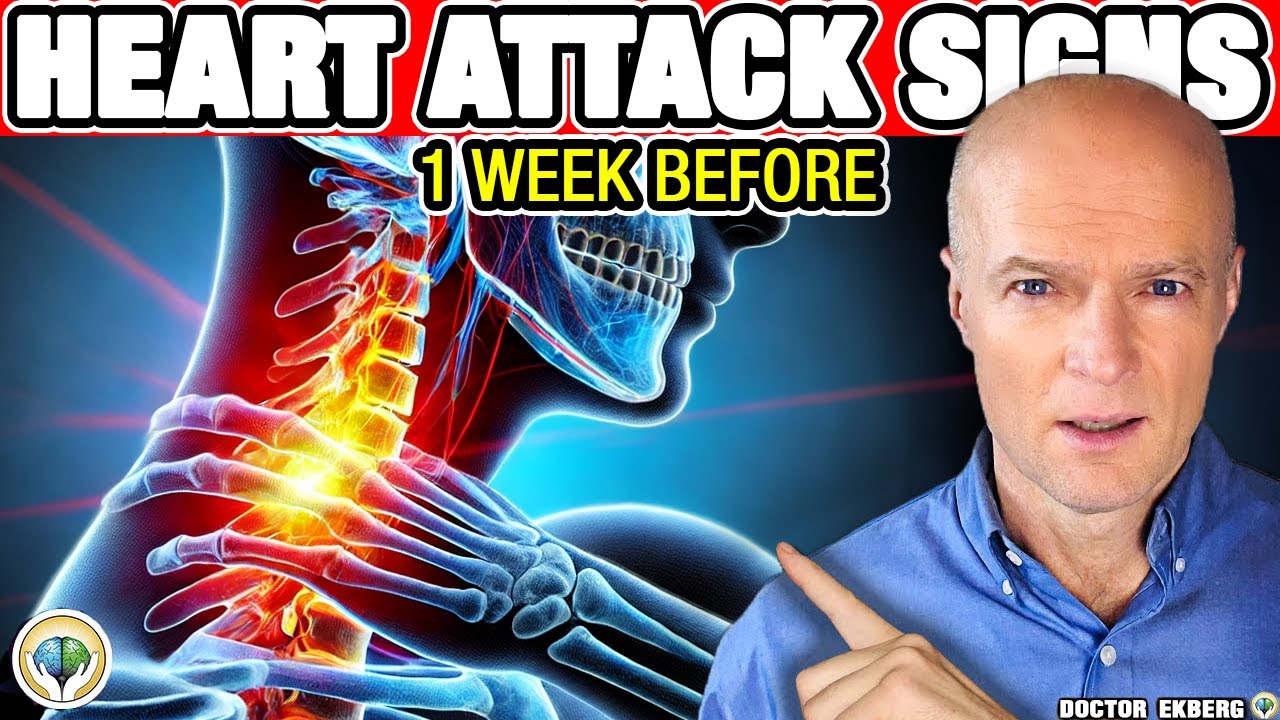
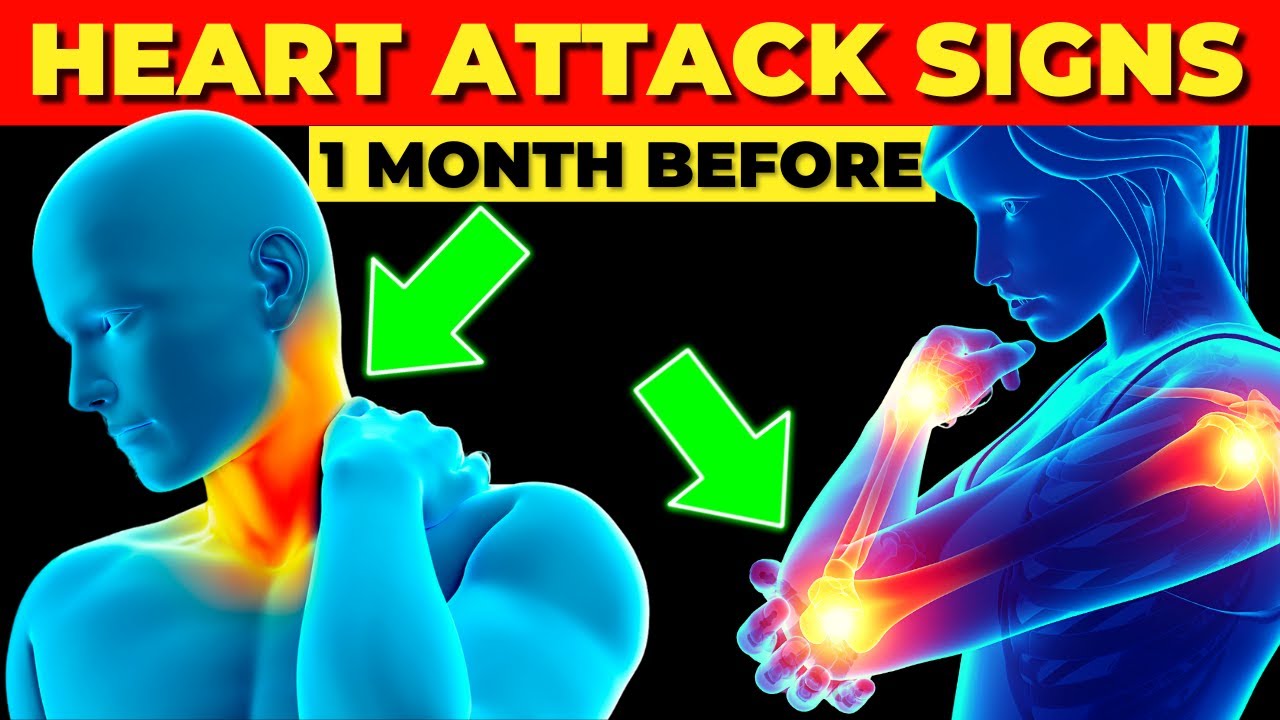
and frightening number two pain in other areas of the upper body symptoms of a heart attack may not be confined to the chest alone pain or discomfort can also manifest in other areas of the upper body including one or both arms the back neck or stomach this type of pain can be perplex fxing especially when it does not accompany chest discomfort it's not uncommon for the pain to radiate from the chest to these areas especially to the left arm however the pain can be isolated occurring without any chest discomfort at all making it a critical
yet often overlooked warning sign number three shortness of breath shortness of breath also known as dpia can occur with or without chest pain and is a critical warning sign of a heart attack this symptom may arise when the heart is not able to pump blood efficiently due to a blockage affecting the lung's ability to receive oxygenated blood individuals experiencing shortness of breath may find it difficult to breathe deeply or feel suffocated as if they can't get enough air the symptom can occur before or during the heart attack itself and it might be especially noticeable during
physical activities or even while resting number four cold sweats cold sweats or sudden sweating without physical exertion or exposure to high temperatures can be a warning sign of a heart attack this symptom may feel similar to the nervous or stress related sweats one might experience in anxious situations but it occurs without apparent cause cold sweats are a result of the body's stress response triggered by a decrease in blood flow to the heart the sweating is the body's attempt to cool down even though the individual may not be overheated this symptom especially when accompanied by other
warning signs should not be taken lightly number five nausea nausea or a feeling of stomach discomfort is a less common recognized sign of a heart attack but it is significant it can occur independently or alongside other symptoms such as chest pain or shortness of breath the sensation can range from mild to severe may also lead to vomiting in some cases nausea during a heart attack is caused by the stress on the body from the heart struggling to supply blood to its tissues affecting the digestive system both men and women can experience this symptom but it
has been reported more frequently in women number six Li headedness feeling laded or dizzy can also be a warning sign of a heart attack this symptom may occur if the heart is unable to pump blood effectively leading to decreased blood flow to the brain and other vital organs the sensation of light-headedness might be accompanied by feelings of faintness or actual fainting spells sometimes it could be accompanied by nausea or cold sweats LGH headedness is especially concerning when it happens suddenly and without a clear cause such as standing up too quickly or being dehydrated number seven
excessive fatigue excessive fatigue or unusual tiredness can be an early warning sign of a heart attack particularly in women this symptom is often overlooked because it can be attributed to a busy lifestyle or lack of sleep however if the fatigue is new or unexplained and does not improve with rest it could indicate that the heart is working harder than usual due to a potential blockage individuals might find simple activities such as walking to the mailbox or climbing stairs more exhausting than usual this type of fatigue can occur days or even weeks before a heart attack
number eight heart palpitations heart palpitations characterized by irregular heartbeats fluttering or feeling that the heart is beating too hard or too fast can signal a heart attack these Sensations can occur in the chest throat or neck they may be a response to a decrease in blood flow to the heart leading the heart to beat more forcefully to maintain blood circulation palpitations can be accompanied by dizziness lightheadedness or shortness of breath while palp pations can result from stress caffeine intake or other non-threatening reasons they warrant immediate medical attention when they are associated with other symptoms on
this list number nine indigestion or heartburn indigestion or heartburn can sometimes be a warning sign of a heart attack though these symptoms are often mistaken for a simple digestive issue the discomfort is typically felt in the stomach area and can be described as an uncomfortable fullness burning s sensation or pain it's crucial to distinguish this from typical indigestion or heartburn that might result from eating certain foods when associated with a heart attack the discomfort often doesn't alleviate with an acids or other digestive medication and might coincide with other heart attack symptoms making it imperative to
seek medical evaluation if the condition is unusual or persistent number 10 anxiety an unexplained sudden onset of intense anxiety that resembles a panic attack can also be a symptom of a heart attack individuals might experience overwhelming feelings of fear or a sense that something is dreadfully wrong despite the absence of an apparent trigger this anxiety can be accompanied by other heart attack symptoms such as shortness of breath or chest discomfort it's theorized that this response could be due to the body sensing something is a Miss internally recognizing this is a potential heart attack sign especially
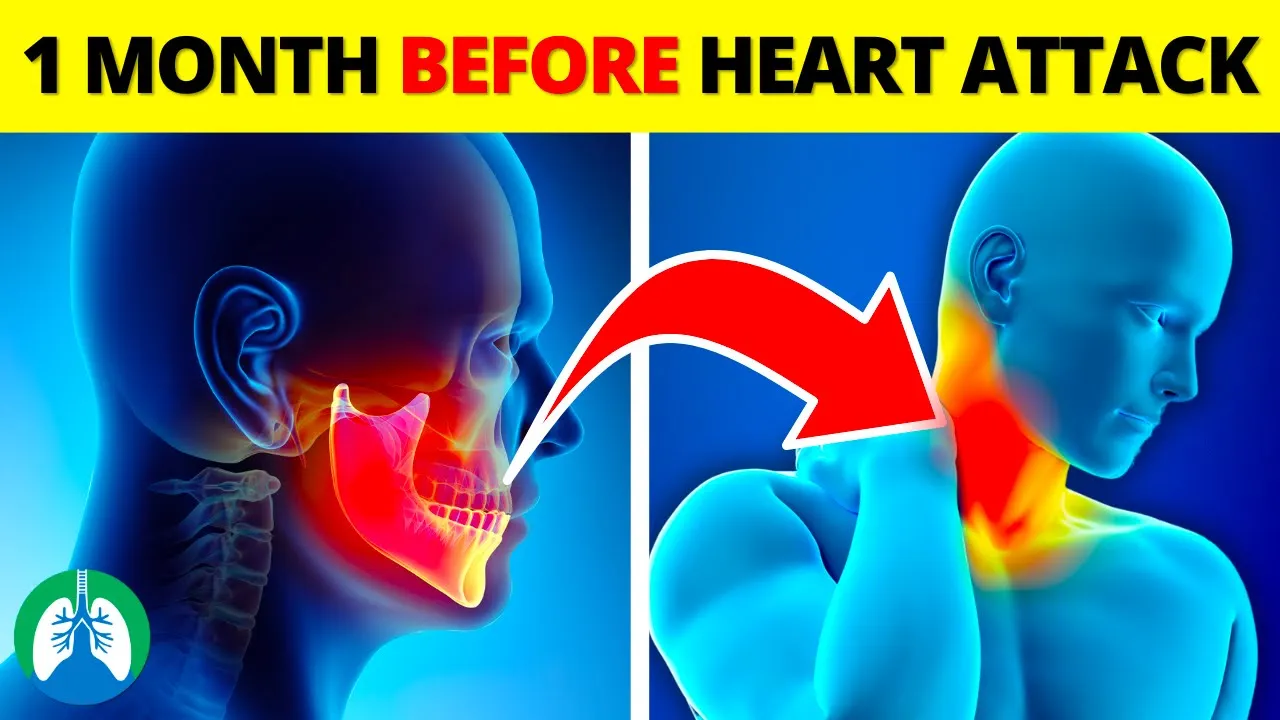
when it occurs in conjunction with other symptoms is important to prompt medical Intervention number 11 jaw pain jaw pain that appears for no apparent reason can be a subtle yet significant early warning sign of a heart attack this discomfort may feel like a dull ache tightness or pressure that can be confused with other conditions such as tooth AE or TMJ disorders however when related to a heart attack pain usually doesn't stay localize but can radiate from the chest to the jaw particularly on the left side it might come and go increase with physical exertion and
diminish with rest jaw pain is a symptom of a heart attack is more common in women than men given its potential severity it's crucial to consider this symptom in the context of other signs and seek medical attention if it occurs suddenly or alongside symptoms like chest pain or shortness of breath but as you can see being aware of the early warning signs of a heart attack can be instrumental in preventing serious consequences prompt recognition and appropriate action such as seeking medical help can significantly improve the chances of survival and reduce the risk of long-term complications
by staying Vigilant and responsive to the signals that the body sends individuals can take proactive measures to safeguard their heart health and lead a fulfilling life if you want to support the Channel please like And subscribe I would greatly appreciate it and there should be some other helpful videos popping up on your screen right about now that I think you will enjoy and just a quick reminder we are not doctors this video is for informational purposes only thank you so much for watching have a blessed day and as always breathe easy my friend



![How to NOT DIE from a Heart Attack [Top Risks for Heart Attack] 2024](https://img.youtube.com/vi/BIg8A_i4hhI/maxresdefault.jpg)