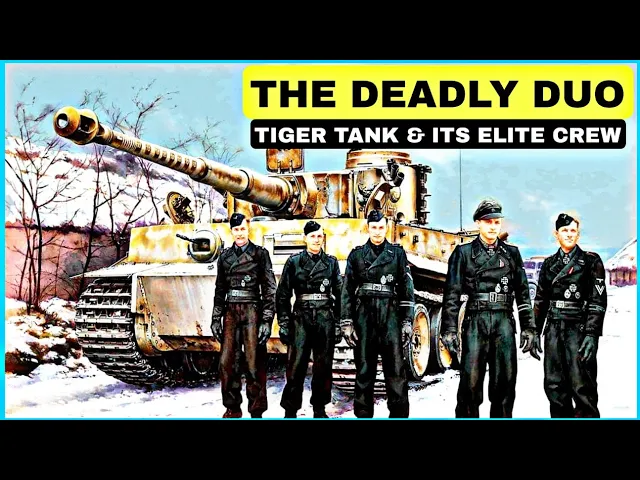
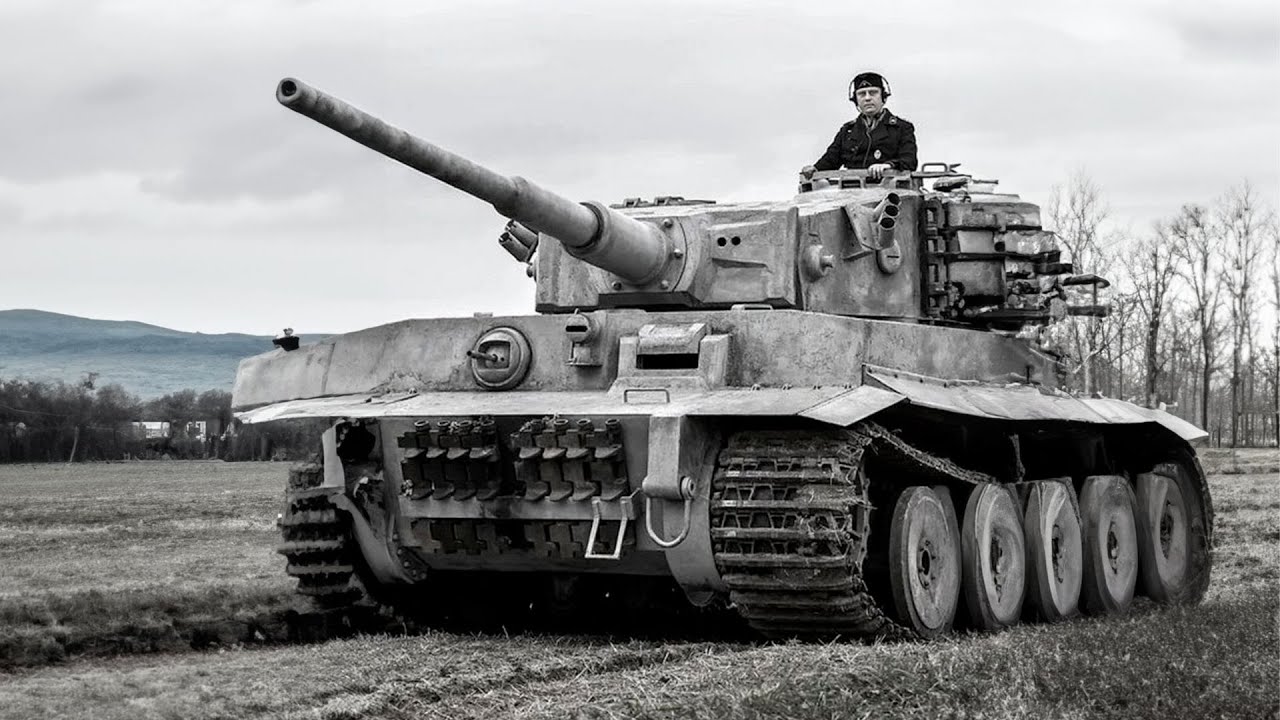
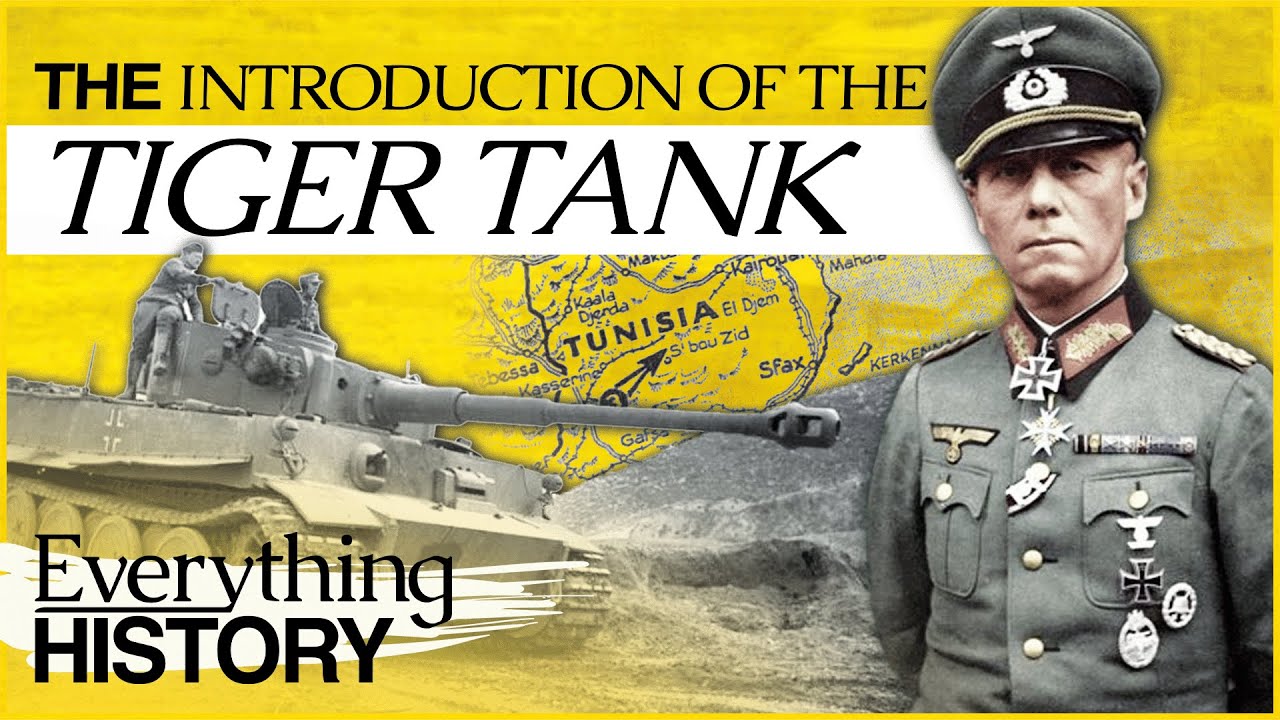
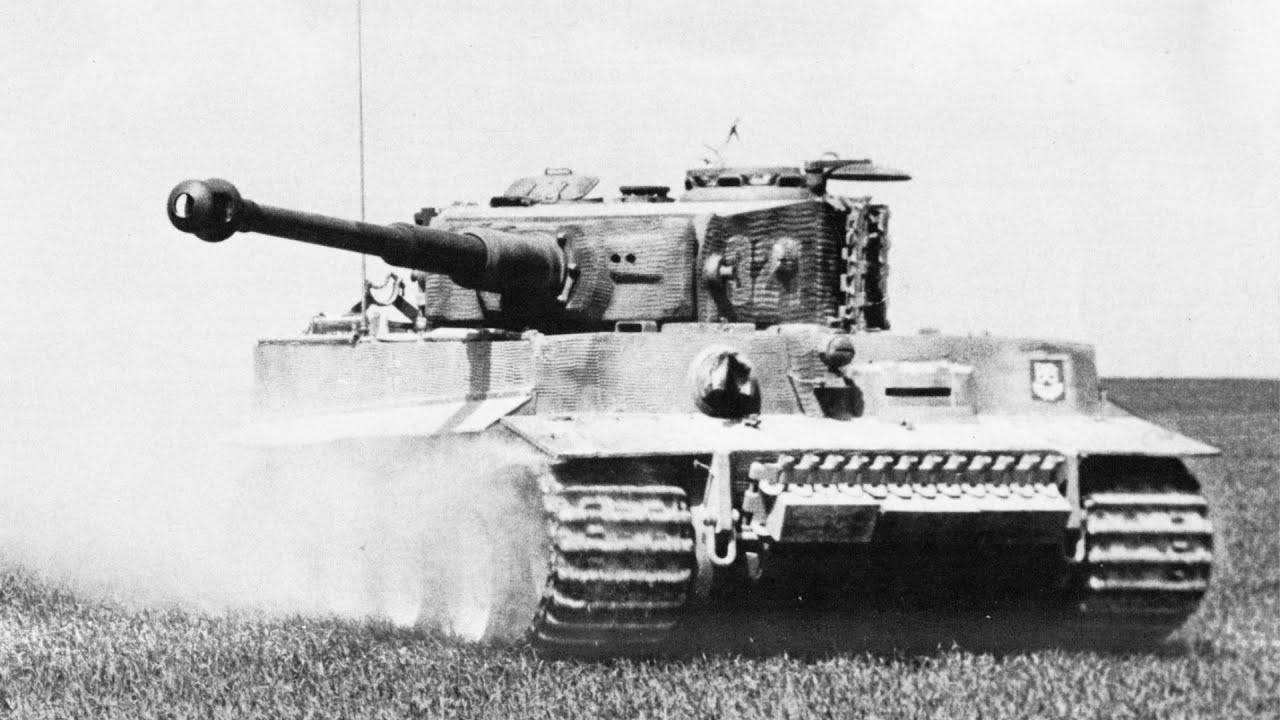
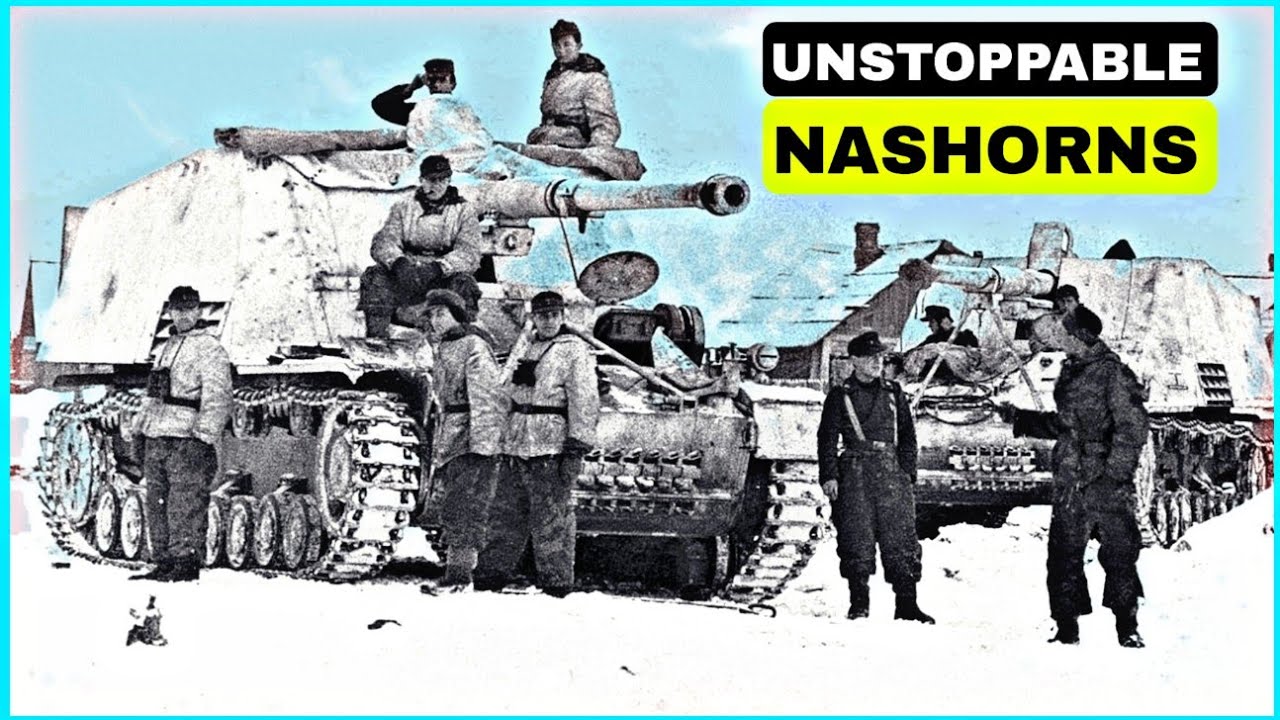
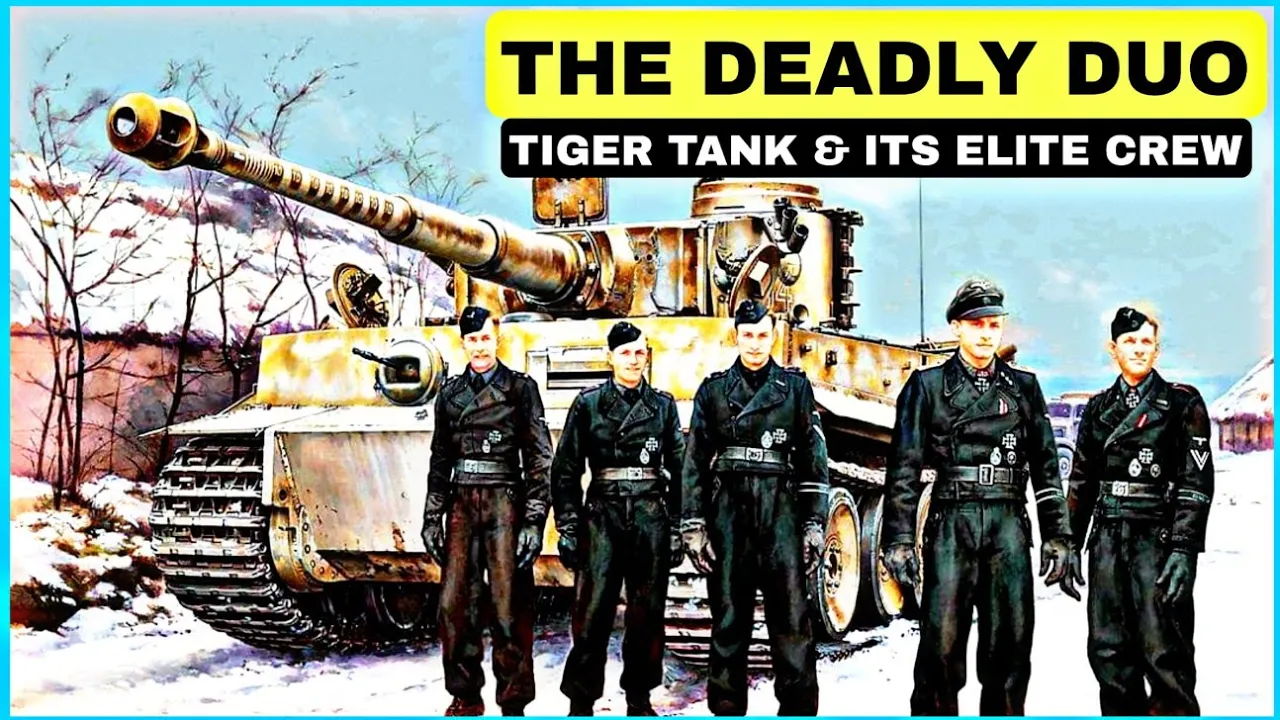
The German tiger tank earned a fearsome reputation as one of the most formidable and terrifying weapons of its time. Equipped with an 88 millimeter gun and seemingly Invincible 120 millimeter armor, it instilled fear in the hearts of both Allied soldiers and tank Crews who encountered it on the battlefield. The Tiger tank was deployed across all fronts of Germany's military campaigns during the war.
Often employed in independent tank battalions, it showcased its unparalleled power and became a formidable opponent for any adversary it faced. Soldiers and historians alike have shared chilling stories of the Tiger's exploits, further solidifying its legendary status. However, it was not just the sheer size and Firepower of this legendary tank that made it so devastating.
The true power of the Tiger tank lay in the skilled crews that commanded these mechanical beasts. Opinions on the Tiger tank have varied significantly with some praising it as a groundbreaking precursor to Modern battle tanks and an unparalleled machine of World War II. Critics argue that the formidable power and reputation of the Tiger tank came at a significant cost and that the Tiger's production demands strain Germany's resources and impacted overall tank production.
This raises the question of whether the focus should have been on other tanks like the Panther or the reliable Panzer IV and StuG III. Ultimately, this debate highlights the unparalleled impact of the Tiger tank and explores the critical role played by its Elite crews in creating Devastation on the battlefield. The popular narrative suggests that the Tiger tank was an excessively expensive and overly engineered beast of a tank born out of an obsession with having the best with no regard to the cost.
True essence of the Tiger tank, despite its perceived resource-intensive nature and debate surrounding its significance can only be fully grasped when one acknowledges the critical role played by the crews it was designed for and ultimately deployed with. Unlike medium tanks that operated in conjunction with infantry as armored fighting Vehicles, Tigers had a distinct role. Panzer VI Tiger, a heavy tank, was never meant to serve as the Workhorse within the armored divisions.
Its primary purpose was to act as a game changer on the battlefield. The concept behind heavy tanks was to serve as the Vanguard of assaults or the backbone of defensive positions, directly engaging the enemy where the outcome of the battle was to be determined. They were not assigned to divisions or brigades but concentrated in specialized units called Abteilung, which were battalion-sized attachments consisting of approximately 30 to 45 tanks.
These units were then assigned to divisions and strategically deployed as game breakers and were manned by the absolute best tankers that the German military could produce. The concentration of tigers in these specialized units allowed for a focused and Powerful impact on the battlefield. Typically, one Abteilung was assigned per division which meant that a division could have up to 10 regular tank battalions and one dedicated heavy battalion.
This arrangement ensured that heavy tanks were concentrated where their immense Firepower and robust armor could make the most significant impact. By deploying Tigers in dedicated detachments, the German military aimed to leverage their heavy Firepower, exceptional armor and advanced capabilities to disrupt enemy forces and create decisive advantages on the battlefield. The Tiger's concentration in these select units reflected the intention to utilize them as game-changing assets rather than integrating them within conventional armor divisions.
Given their crucial role in bearing the brunt of the battle, the crews operating the heavy tanks were the absolute finest. They represented an elite group carefully selected and highly skilled. These Elite tank Crews possessed Superior training skills and experience ensuring the maximum effectiveness of these formidable machines.
By assigning them to Tiger divisions, the German military aimed to utilize their exceptional capabilities as game Breakers enhancing the division's overall combat effectiveness. A closer look at the backgrounds of renowned German Panzer Aces reveals an important pattern. None of these individuals emerge directly from the Panzer troop school and immediately found themselves commanding a Tiger tank.
Instead, they had already amassed considerable experience and expertise through their earlier service on tanks such as the Panzer 3 and 4 the StuG III or similar vehicles . The expertise of the crew members Amplified the Tiger's capabilities allowing them to effectively engage and neutralize a significant number of enemy targets. Apparently, the Tiger tank served a crucial role as a resource multiplier for Germany during the second World War.
The Tiger was intended to safeguard, nurture and with utmost terror harness the limited but highly skilled resource that Germany possessed: expert tank crewmen. Recognizing the tremendous impact these skilled crew members could have on the battlefield, the tiger was designed to maximize their effectiveness. This was the reason why the Tigers were concentrated into their own battalions.
A schwere Panzer Abteilung was the most dangerous armored fighting group in the world and that was not solely because their tanks were good. These units possessed a lethal combination of powerful tanks and highly trained experienced crew members. The Synergy between the Advanced tiger tanks and the expertise of the crewmen made the heavy Panzer Battalion a force to be reckoned with.
By providing these Elite Crews with the best tanks available the German military sought to create a force capable of achieving extraordinary results on the battlefield. The tiger Abteilung with their concentrated Firepower achieved a staggering number of tank kills estimated to be around 10 000. However, it is worth noting that these successful units also incurred losses with approximately 425 tiger tanks lost in tank-to-tank engagements.
Remarkably, certain tiger battalions achieved an impressive kill to loss ratio of 33:1, underscoring the effectiveness of the Tiger tank when in the hands of skilled Crews. In fact all tank aces who boasted 100 or more victories were invariably tiger Aces, highlighting the exceptional performance of these tanks and the expertise of their Crews. The combination of the Tank's mighty capabilities and the proficiency of the crews operating them resulted in an unmatched level of success on the battlefield.
The presence of Tiger Abteilung on the battlefield had a remarkable effect on both German and enemy morale. The German troops experienced a sudden boost in morale witnessing the arrival of these formidable units. Simultaneously, the appearance of Tiger Abteilung had a devastating effect on enemy morale.
The bond between a tiger tank and its crew was undeniably symbiotic and their combined strength often surpassed their individual capabilities. The tank with its robust construction and Superior armor provided protection to the crew, allowing them to withstand damage that would prove catastrophic to lighter tanks. In return, the skilled crew transformed the already capable heavy tank into an absolute Terror on the battlefield.
These elite units had a profound impact during campaigns, often achieving more victories than the rest of the Armored Division combined. This understanding sheds light on why tigers were not mass-produced nor intended to be so. The emphasis was not solely on quantity but rather on ensuring that only veteran Crews were entrusted with operating these formidable machines.
Without the experienced and well-trained Crews the Tiger's full potential could not be realized. It was the Synergy between the crew's expertise and the Tank's capabilities that made the tiger a fearsome Force. While the total number of tigers produced was relatively small compared to other German tanks, their concentrated deployment supported by highly skilled Crews, ensured a significant impact where it mattered most.
In essence, the combination of battle-hardened veterans, the powerful Tiger tank and the increased likelihood of survival created a potent force on the battlefield. These experienced Crews driven by their talent, determination and the relative safety afforded by the Tigers protection became even more dangerous adversaries as they honed their skills amidst the trials of war. The Tiger tank and its Elite Crews remain a testament to the devastating impact that a well-trained and well-equipped force can have in times of conflict.