not incidentally his levels of concentration his overall mood are up he's doing far far better fortunately most people do not experience or pursue enormous increases in dopamine leading to these severe drops in Baseline many people do however and that's what we call addiction when somebody pursues a drug or an activity that leads to huge increases in dopamine and now you understand that afterward the Baseline of dopamine drops because of depletion of dopamine the readily releasable pool the dopamine is literally not around to be released and so people feel pretty lousy and many people make the
mistake of then going and pursuing the dopamine evoking the dopamine releasing activity or substance again thinking mistakenly that it's going to bring up their Baseline it's going to give them that Peak again not only does it not give them a peak their Baseline gets lower and lower because they're depleting dopamine more and more and more and we've seen this over and over again when people get addicted to something then they're not achieving much pleasure at all you even see this with video games people will play a video game they love it it's super exciting to
them and then they'll keep playing and playing and playing and either one of two things happens typically both first of all I always say addiction is a progressive narrowing of the things that bring you pleasure so oftentimes what will happen is the person only has excitement and can achieve dopamine release to the same extent doing that behavior and not other behaviors and so they start losing interest in school they start losing interest in relationships they start losing interest in Fitness and well-being and and eventually what typically happens is they will stop getting dopamine released from
that activity as well and then they drop into a pretty serious depression and this can get very severe and people commit suicide from these sorts of patterns of activity but what about the more typical scenario what about the scenario of somebody who is really good at working during the week they exercise during the week they drink on the weekends well that person is only consuming alcohol maybe one or two nights a week but oftentimes that same person will be spiking their dopamine with food during the middle of the week now we all have to eat
and it's nice to eat foods that we enjoy I certainly do that I love food in fact but let's say they're eating foods that really evoke a lot of dopamine release in the middle of the week they're drinking one or two days on the weekend they are one of these work hard play hard types so they're swimming a couple miles in the ocean in the middle of the week as well they're going out dancing once on the weekend sounds like a pretty pretty Balanced Life as I describe it well here's the problem the problem is
that dopamine is not just evoked by one of these activities dopamine is evoked by all of these activities and dopamine is one currency of craving motivation and desire and pleasure there's only one currency so even though if you look at the activities you'd say well it's just on the weekends or this thing is only a couple times a week if you looked at dopamine simply as a function as a chemical function of Peaks and Baseline it might make sense why this person after several years of work hard play hard would say yeah you know I'm
feeling kind of burnt out I'm just not feeling like I have the same energy that I did a few years ago and of course there are age-related reasons why people can experience drops in energy but oftentimes what's happening is not some sort of depletion in cellular metabolism that's related to aging what's happening is they're spiking their dopamine through so many different activities throughout the week that their Baseline is progressively dropping and in this case it can be very subtle it can be very very subtle and that's actually a very Sinister function of dopamine we could
say which is that it can often drop in imperceptible ways but then it once it reaches a threshold of low dopamine we just feel like we can't really get pleasure from anything anymore what used to work doesn't work anymore so it starts to look a lot like the more severe addictions or the more acute addictions to things like cocaine and amphetamine which leads to these big increases these big spikes in dopamine and then these very severe drops in the Baseline line now of course we all should engage in activities that we enjoy I certainly do
everybody should a huge part of life is pursuing activities and and things that we enjoy key thing is to understand this relationship between the Peaks and the Baseline and to understand how they influence one another because once you do that you can start to make really good choices in the short run and in the long run to maintain your level of dopamine Baseline maybe even raise that level of dopamine Baseline and still get those Peaks and still achieve those feelings of elevated motivation elevated desire and craving because again those Peaks and having a sufficiently healthy
high level of dopamine Baseline are what drove the evolution of our species and they're really what Drive the evolution of anyone's life progression to so they're a good thing dopamine is a good thing some of you might be asking what should I do if I experience a drop in my Baseline level of dopamine because of Engagement with some activity or some substance that led to Big Peaks just to put some color and example on this a few episodes ago I talked about a friend who I've known a long time so actually the child of a
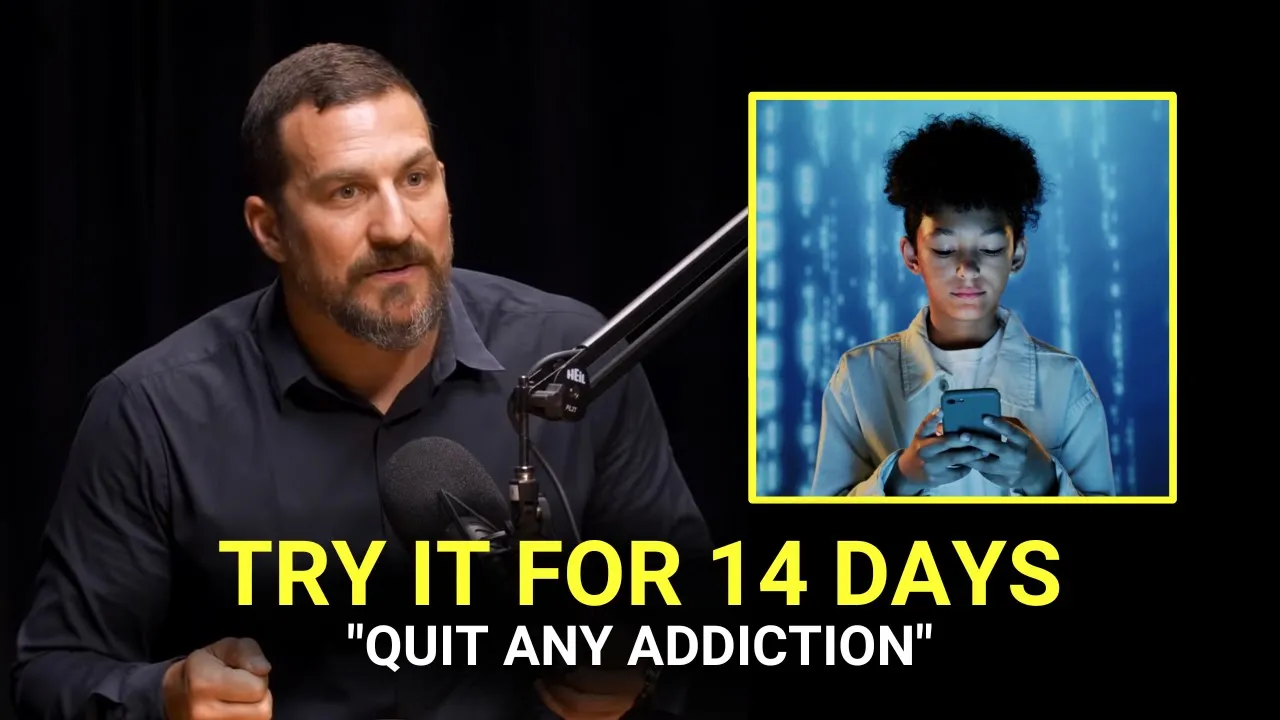
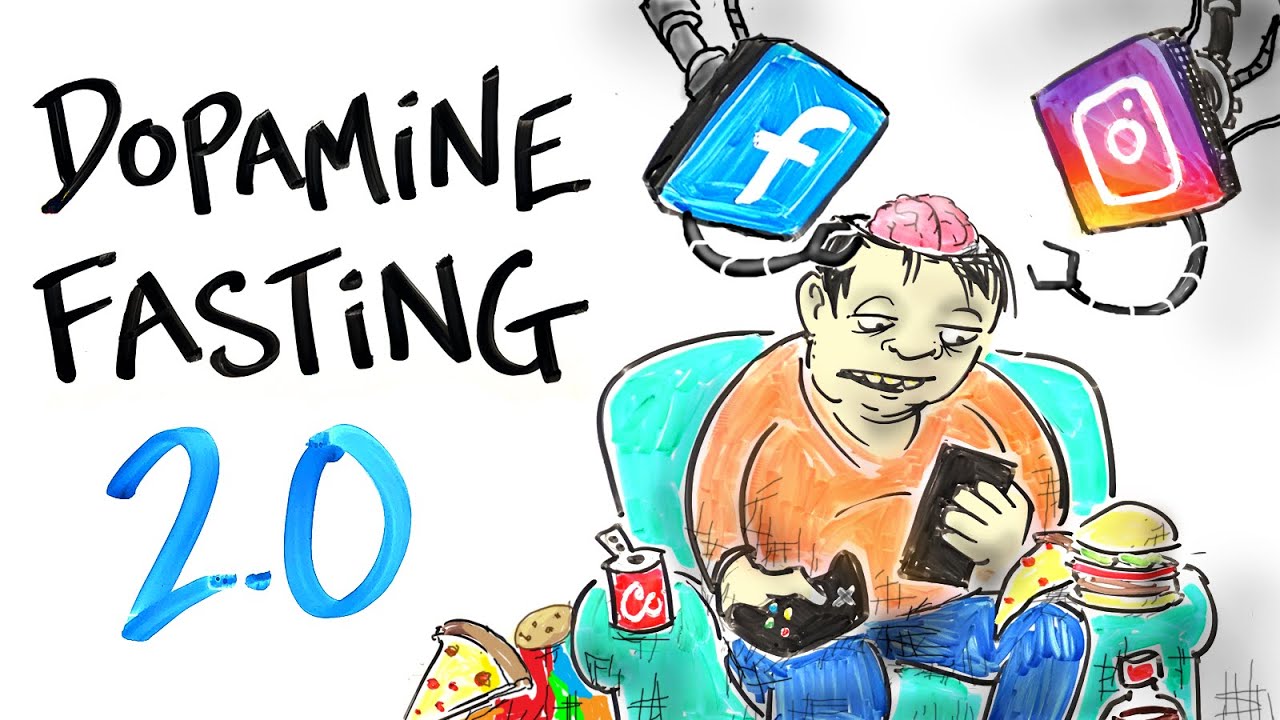
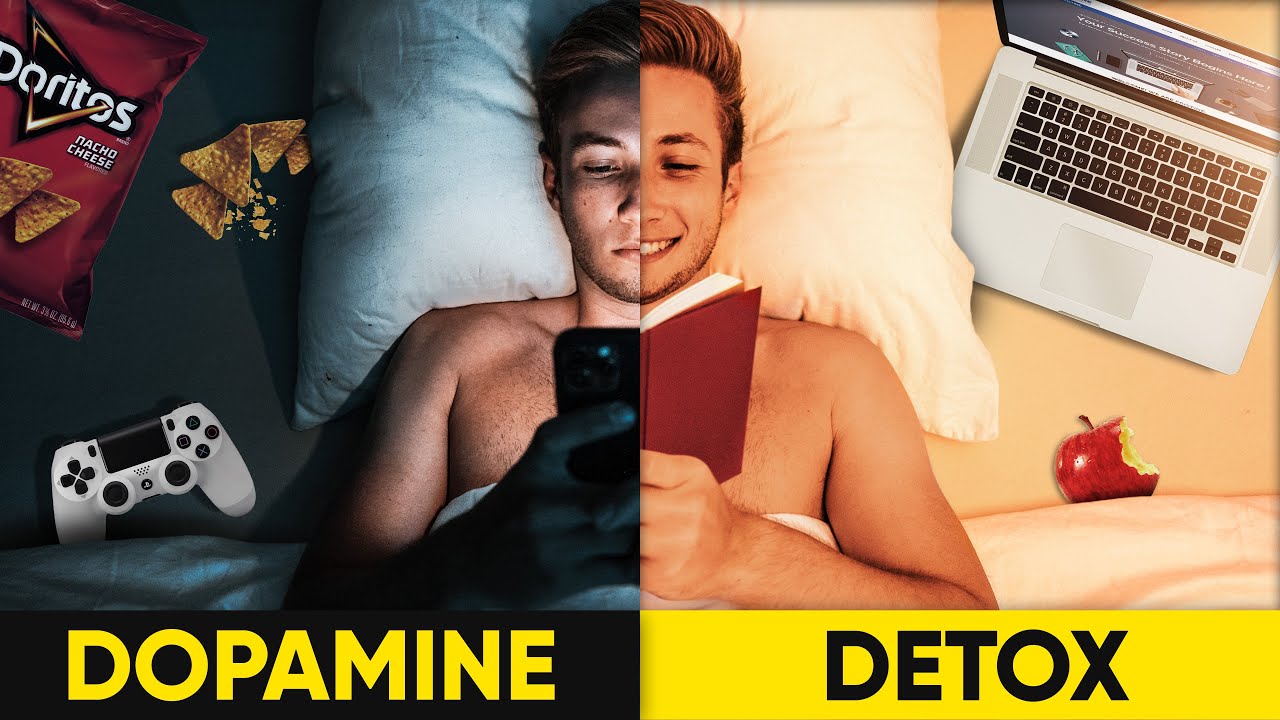
friend who has basically become addicted to video games he decided actually after seeing that episode with Anna to do a 30-day complete fast from phone from video games and from social media of all kinds he's now at day 29 he's really accomplished this not incidentally his levels of concentration his overall mood are up he's doing far far better what he did is hard in particular the first 14 days is really hard but the way that you replenish the releasable pool of dopamine is to not engage in these dopaminergic behaviors because remember typically people arrive at
a place where they want to stop engaging in these behaviors or ingesting substances when that dopamine is depleted when they're not getting the same lift in his case he was feeling depressed he thought he had ADHD they were starting to treat it as as ADHD and certainly there are people out there who have ADHD but what he found was that his levels of concentration are back he does not need to be treated for ADHD and actually the psychiatrist wondered if he did prior to this video game social media fast he's feeling good he's exercising again
I'm not making this up this is really a very specific but very relevant example of how the dopamine system can replenish itself of course if there's a clinical need for ADHD treatment by all means pursue that but I think a lot of ADHD does go misdiagnosed because of this depletion and dopamine that occurs because of overindulgence and other activities in the drop in Baseline so for anyone that's experienced a real drop in Baseline who has addictive Tendencies whether or not their behaviors or substances that is always going to be the path forward is going to
be either cold turkey or through some sort of tapering to limit interactions with the what would otherwise be the dopamine evoking Behavior or substance







![I Tried Andrew Huberman's Morning Routine - [30 Days + Blood Tests]](https://img.youtube.com/vi/roK4g1e28mM/maxresdefault.jpg)