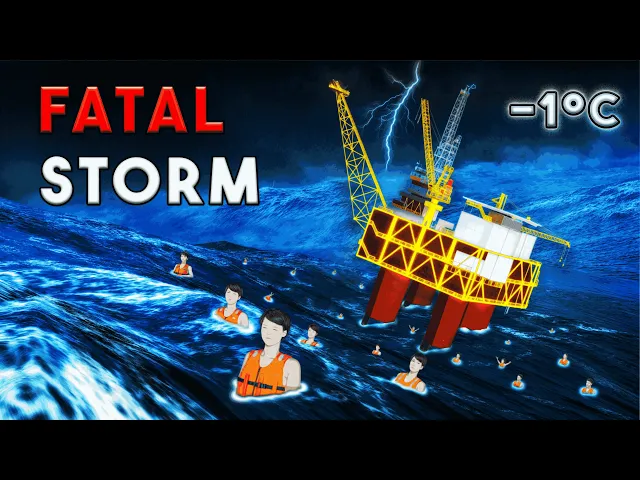
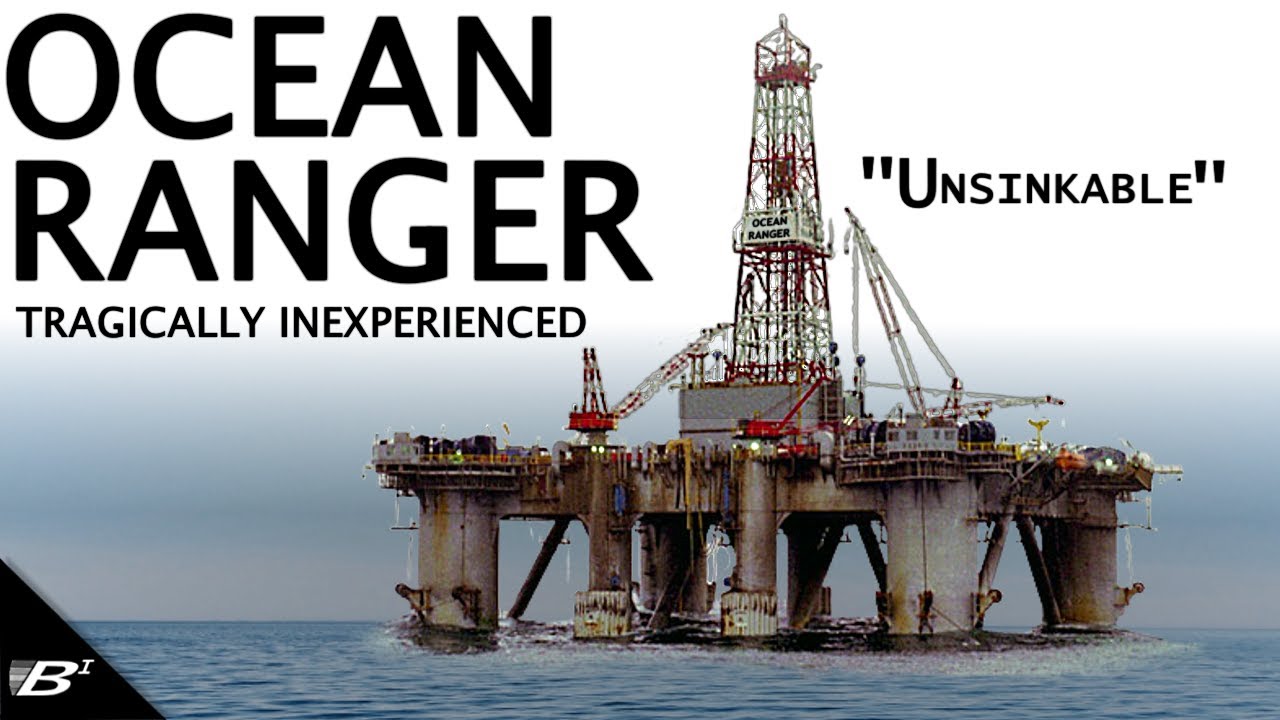
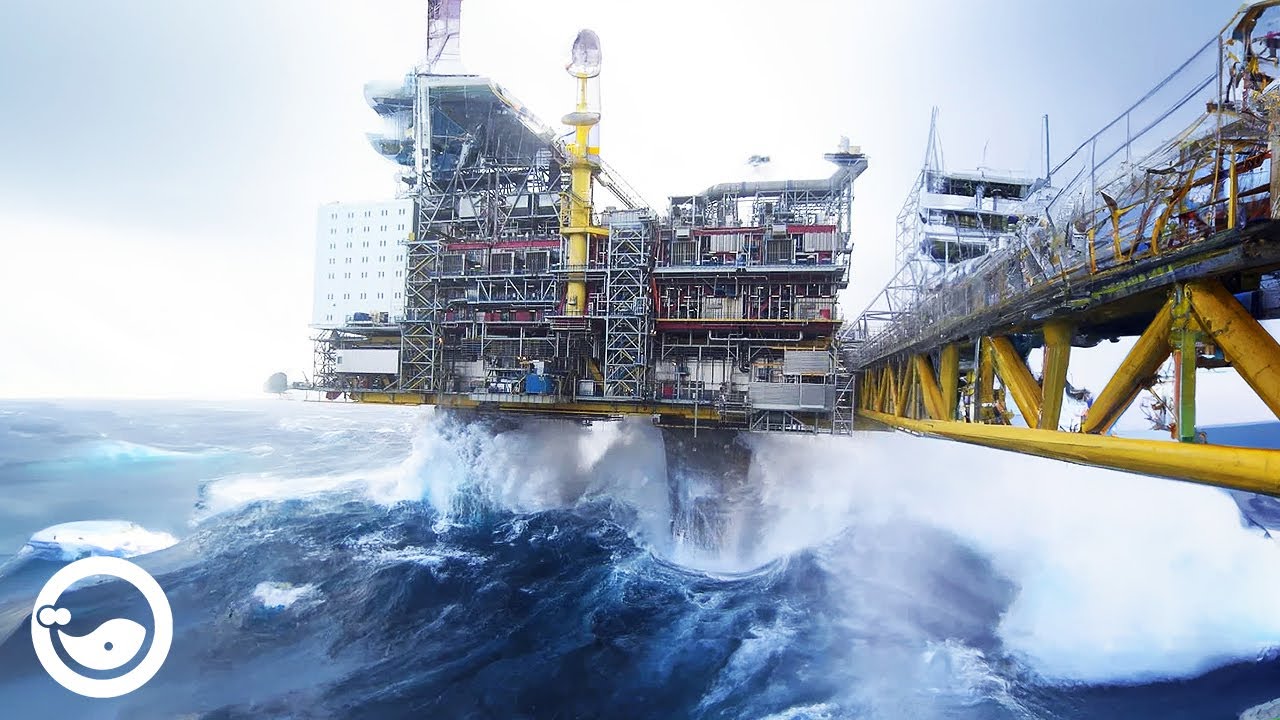
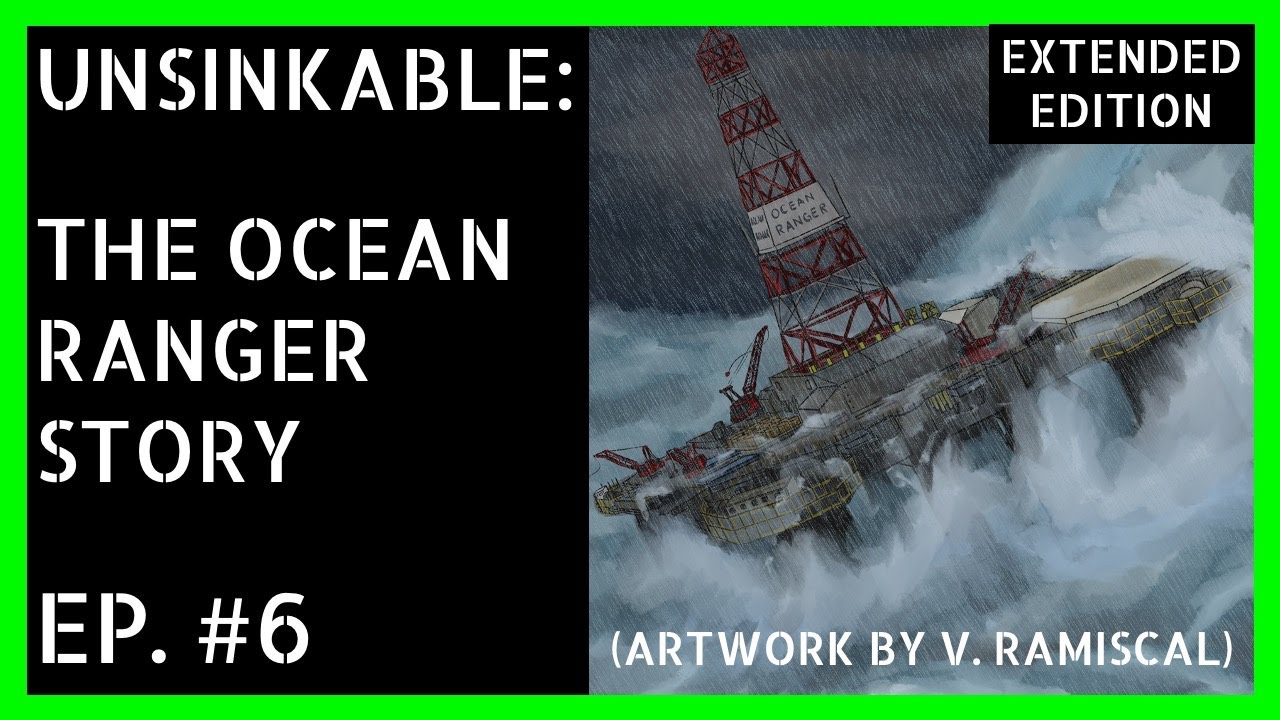
SLAMMED relentlessly, wave after wave, the 84 men of the Ocean Ranger oil rig fought to the death against the winter storm of a major Atlantic cyclone hundreds of kilometers from shore. However, when insufficient training, flawed design, and extreme weather conditions piled up, their chances of survival declined rapidly. On February 14th, 1982, The Ocean Ranger owned by the Offshore Drlling and Exploration Company (ODECO) was engaged in its typical operations for offshore drilling in an area called the grand banks, located in the North Atlantic Ocean off the coast of Newfoundland, Canada.
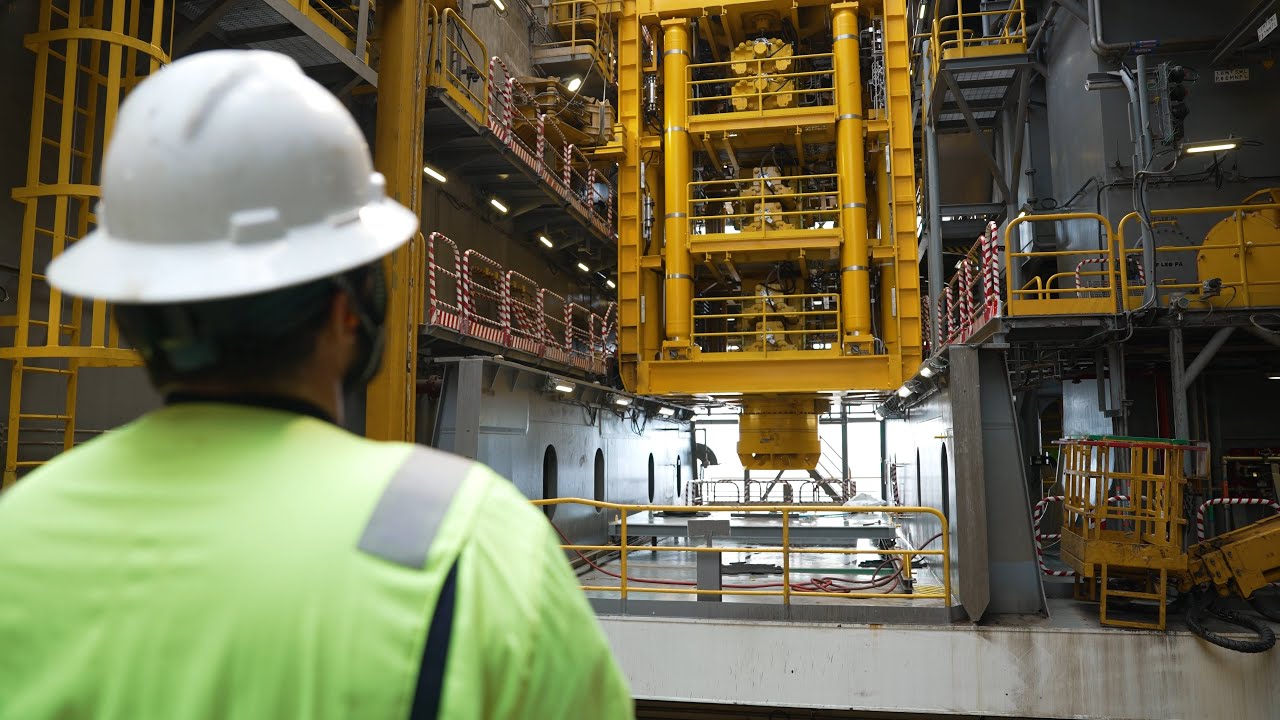
Like other drilling rigs, ODECO designed this self-propelled, semi-submersible offshore drilling rig to drill off the coast in the ocean while searching for oil reserves. It was capable of operation beneath 1,500 feet (460 m) of ocean water and could drill to a maximum depth of 25,000 feet (7,600 m). The Ocean Ranger, spanning over 396 feet (121 m) long, 262 feet (80 m) wide and reaching a towering height of 337 feet (103 m), could withstand the most brutal storms of the Atlantic.
It embarked on its maiden voyage in 1976. The rig stood as the largest of its kind, pushing the boundaries of what was possible in offshore drilling. With its ballast tanks, the rig worked with an automated system that controlled its stability, ensuring smooth operations even during the roughest weather conditions.
In particularly challenging situations, the ballast tanks could be partially filled with seawater, a clever technique that helped stabilize the rig amidst fierce waves and strong winds Within the structure, a crew of 84 individuals could navigate their way through relentless storms. These workers dedicated their lives to oil drilling. The crew was essential to the rig's operations.
Since 1976, the Ocean Ranger has drilled off the coast of New Jersey, Alaska, and Ireland. Unpredictable storms tested the crew night and day. On Sunday, February 14th, the crew set out to do what they always did.
Little did they know, this would be their final voyage. The submersible's design allowed it to weather the powerful storms that frequented the Grand Banks of Newfoundland, making it ideal for offshore drilling in those waters. The crew knew full well of the rig's capabilities and proceeded with drilling as usual.
In the industry, delaying drilling operations wasn't an option, and the crew had to stay the course, no matter the cost. That morning, the 84 crew members received a forecast about a powerful winter storm rapidly approaching the Grand Banks. However, it was common for the Grand Banks to deal with this weather.
Despite the forecast predicting that this storm was not something to take lightly, the crew remained confident in their rig's resilience. Throughout the day, the storm set in, and a sense of tension filled the air. Still, the work continued.
Around 4:30 p. m. , the crew began to realize that the storm would soon reach its peak.
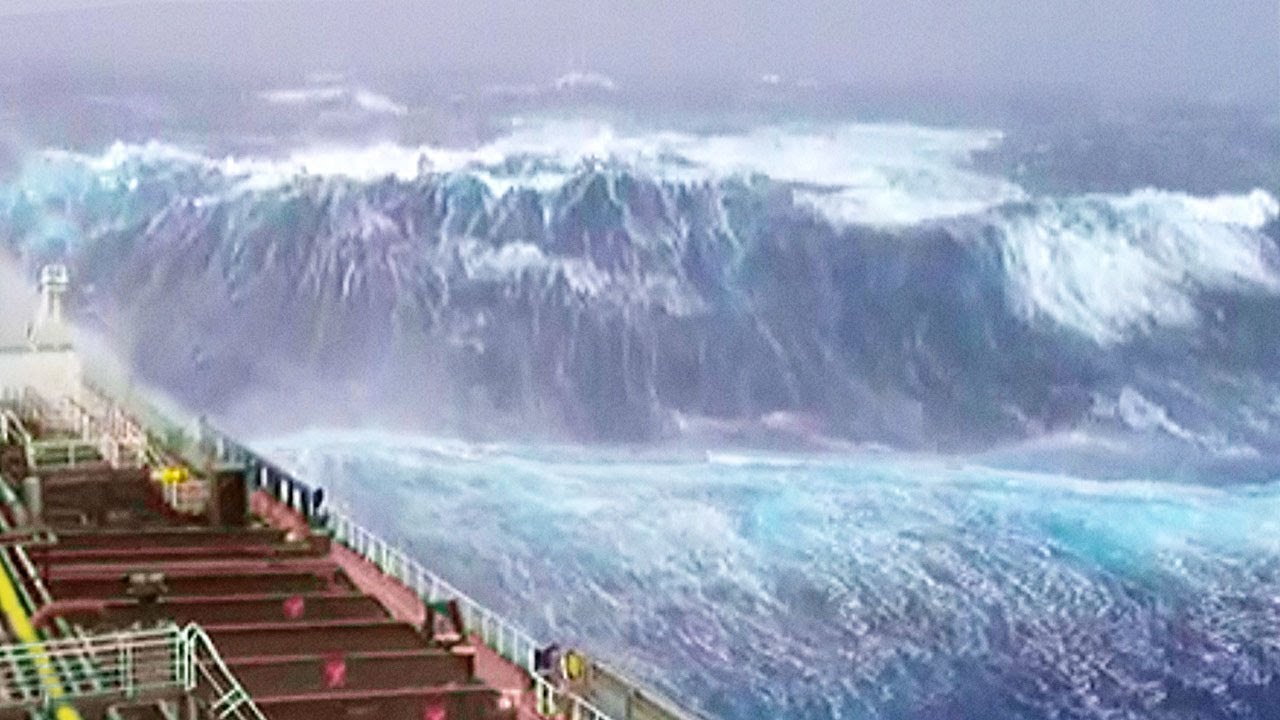
With thunderous waves crashing against The Ocean Ranger, the ocean was slowly overtaking them. It wasn't long before the storm was in full swing. As the crew battled continuous 37-foot waves, the radio chatter confirmed the inevitable: things would get much worse.
At 7:00 p. m. , chaos ensued - a monstrous wave struck a nearby rig, the SEDCO 706 and Zapata Ugland rigs, causing damage.
As waves crashed onto the Ocean Ranger, radio chatter between the rig and surrounding vessels was panicked and garbled. In the commotion, they also lost a lifeboat, yet the Ocean Ranger managed to hold on so far. But that was about to change.
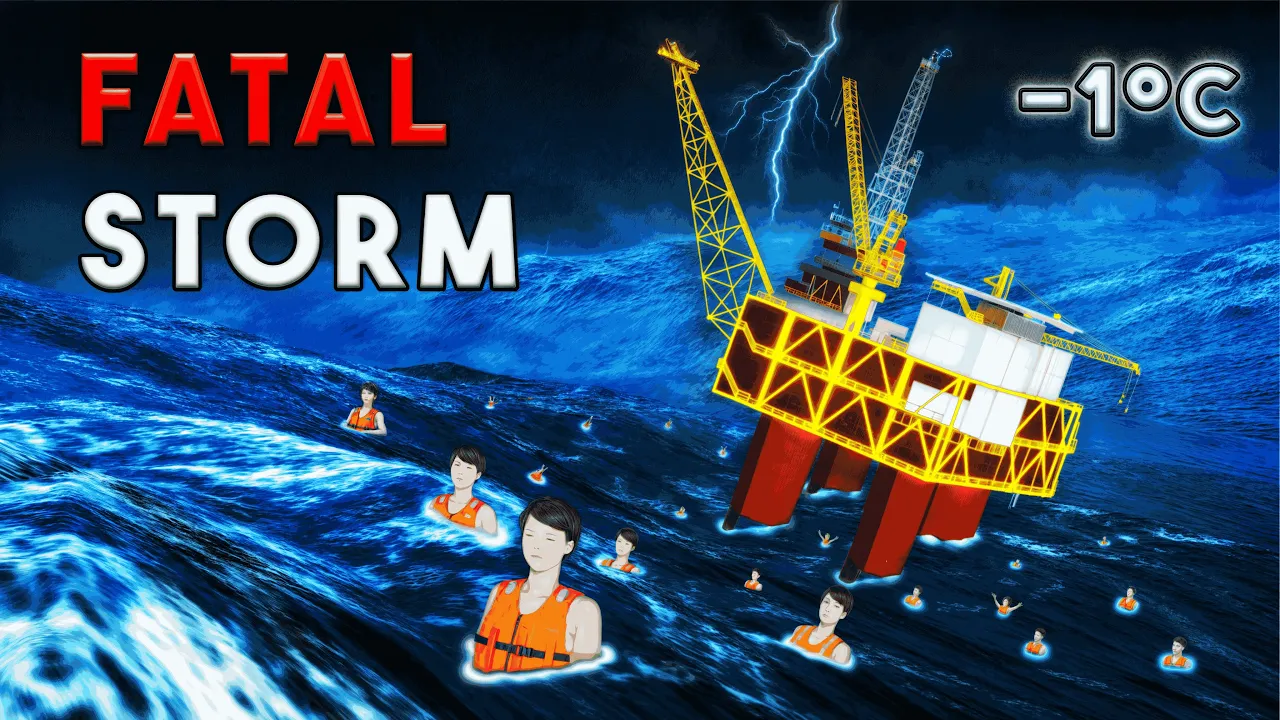
Since halting operations, the crew attempted to maintain stability, but their faith in the rig's capabilities began to falter, as 55-65-foot waves pounded against the rig. Despite their experience, the crew couldn't prepare for the onslaught of waves battering the massive machine. Amid the extreme winter storm, the crew fought for their lives.
Trying their best to protect the rig and ensure their safety. They had to confront the reality that their rig, believed to be unsinkable, might actually sink. As the night wore on, at around 9:00 p.
m. , a powerful wall of water struck the Ocean Ranger, shattering the portlight window and flooding the ballast tank control room. Seawater and broken glass filled the control room, malfunctioning the automated controls almost instantly.
As the controls sparked and shorted, the crew noticed that switches and valves seemed to be operating by themselves. At the moment, things didn't seem serious, and the crew promptly cleaned up the debris. They continued to maintain a holding pattern.
Unfortunately, things were about to get worse. The seawater that got inside the ballast control room, caused a chain reaction that sent the critical electrical systems inside into catastrophic failure. The crew went on the defense, but the rig was always meant to run automatically.
Realizing the trouble they were in, the team didn't know how to control the ballast tanks manually. Without the ballast tanks, the rig's ability to maintain balance was compromised. The crew disconnected from the drill string and cut away the blowout preventer.
The drilling stopped. Diverting all resources to address the rig's instability was now their only priority. With a shattered window, critical systems compromised and a violent storm, the situation aboard the rig was deteriorating rapidly.
The crew slowly realized just how unprepared they were for this disaster. As the storm raged, the Ocean Ranger began to list, growing worse with each passing hour. More waves battered the rig, and the ocean seemed determined to bring the rig down into its depths.
At midnight, another rogue wave crashed against the bow, flooding the critical components of the ballast systems again. The crew, already exhausted and battered from the storm, now faced a sinking rig with no way to escape. In the dead of night, Mobil's senior manager on the Ocean Ranger sent a distress signal to shore.
The message was simple yet terrifying - the rig was listing and taking on water. Panicked, the crew requested assistance from the nearby Seaforth Highlander supply vessel at around 1:00 a. m.
As the situation turned into a full-blown emergency, the nearby hospitals in St. Johns and the Canadian coast guard were also alerted to the problem. By 1:10 a.
m. , the Ocean Ranger sent out desperate Mayday calls as they scrambled to perform crisis management. As treacherous as the storm was, the rescue crews were determined to save them.
As each wave clawed at the rig, the Seaforth Highlander struggled to reach them. At 1:30 a. m.
, the Ranger transmits its last message: “There will be no further radio communications from Ocean Ranger. We are going to lifeboat stations. ” Unable to properly prepare for the magnitude of this storm, the crew was ruled by fear and panic.
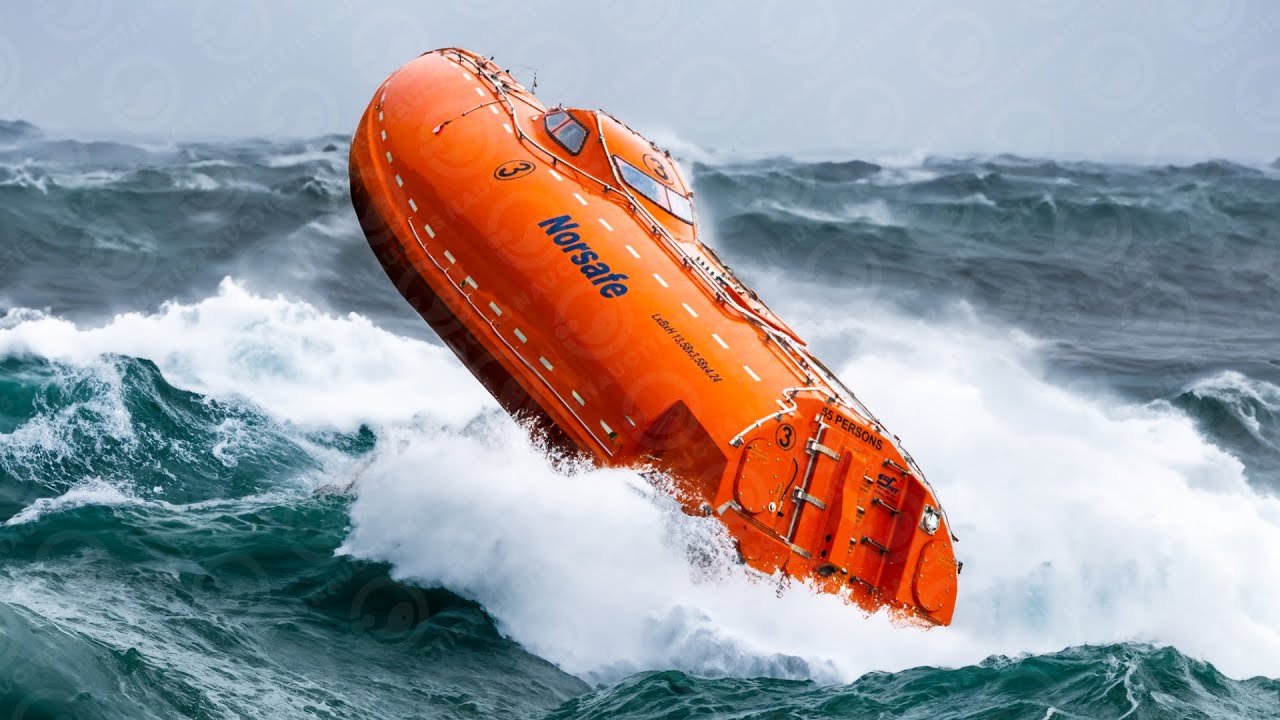
Despite the severe list and the terrible condition of the rig, the crew managed to launch one lifeboat. At 2:20 a. m.
, the crew members fired off flares. The Seaforth Highlander reached the lifeboat and cast its rescue lines. Before the team could pull anyone aboard, the storm bashed the lifeboat against the rescue vessel.
In seconds, the foaming waves swallowed the scattered rig's crew. The Seaforth Highlander desperately tried to save someone, anyone, but they couldn't save a single soul. Rough seas, high winds, and poor visibility compromised their ability to keep safe.
At that point, the rescuers were forced to stop operations. At this point, the waves were over 50 feet and continuously crashed against the rig. At 2:30 a.
m. , a rescue helicopter arrived to help. However, all they could see were bodies floating in the water; everyone they tried to save had already drowned or succumbed to the cold.
With no other options, the rescue teams stopped searching and were forced to wait for the storm to pass. At 3:13 a. m.
, the Ocean Ranger capsized and sank into the unforgiving depths of the Atlantic. There were no survivors and nothing left of the once-mighty rig. The Ocean Ranger, though to be unsinkable, succumbed to the ocean.
Despite their efforts, all 84 crew members perished at sea. The Ocean Ranger's loss was a wake-up call to the oil industry. As a result, the Ocean Ranger Families Foundation was established to provide support to the families of the men who lost their lives.