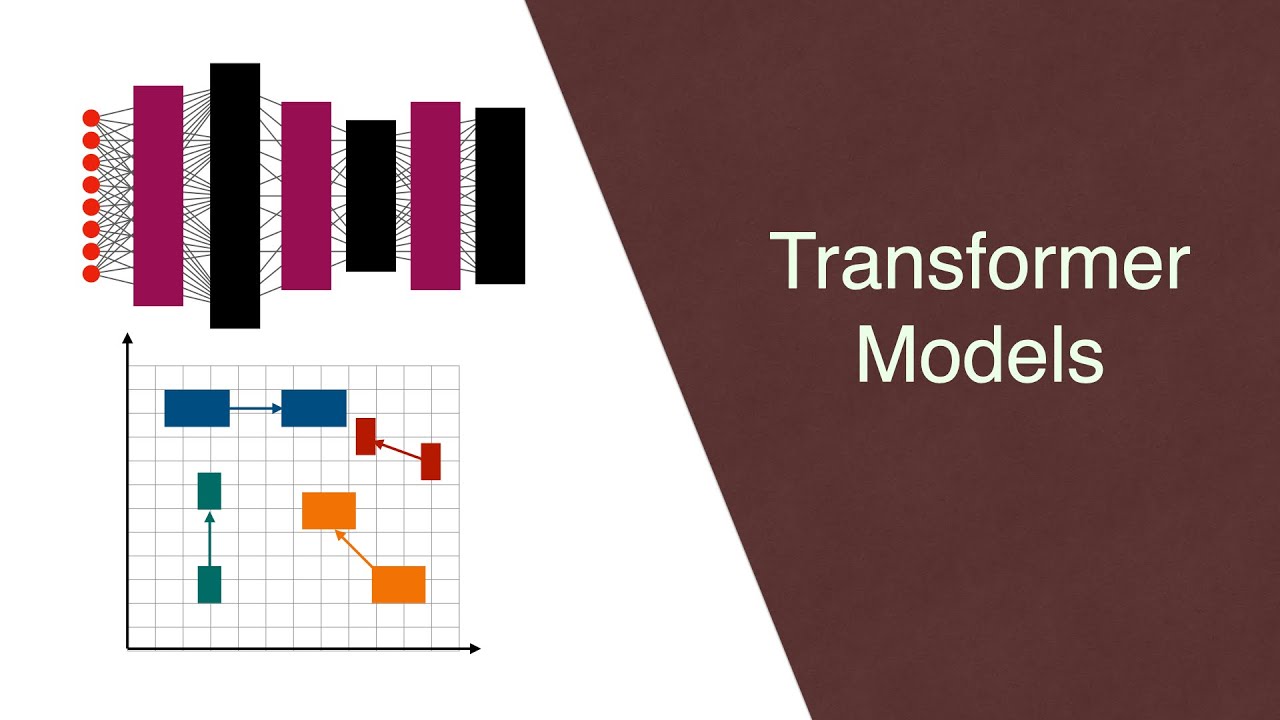
Now that we've discussed the Transformer Architecture, let's explore its relationship with the LLM Architecture and understand their distinctions based on their definitions. The Transformer represents a specific type of neural network architecture first introduced in the research paper "Attention is All You Need. " Its core purpose is to process sequences of data using self-attention, a unique mechanism that efficiently captures relationships between words within a sentence.
On the other hand, Large Language Models belong to a broader category of models trained on vast amounts of text data without human annotations. Many renowned models, including GPT-3 and BERT, are built upon the foundation of the Transformer architecture. These models acquire comprehensive language representations by leveraging the extensive data they encounter during training.
In terms of their purposes, the Transformer architecture was initially designed for tasks such as language translation and sequence generation, where understanding long-range dependencies between words is crucial. On the other hand, the primary objective of Large Language Models is to learn powerful language representations from extensive text data. Once they have acquired this knowledge, they can be fine-tuned for specific language tasks, such as sentiment analysis, question-answering, or text classification.
What about the Size and Training? How do transformers and LLMs differ in these aspects? The original Transformer model can be relatively small and is typically trained on moderate-sized datasets.
In contrast, Large Language Models (LLMs) are enormous! They consist of many more parameters and are trained on vast datasets, sometimes containing billions of words. As a result, training LLMs requires a significant amount of computing power.
Lastly, concerning their applicability, the distinction between transformers and LLMs is as follows: The original Transformer excels in specific tasks like translation and sequence generation, but it may not be as adaptable to a wide variety of language tasks. On the contrary, Large Language Models have demonstrated remarkable performance across a broad spectrum of language tasks. They shine as superstars in natural language processing due to their extensive pre-training phase, which allows them to acquire vast knowledge that can be effectively transferred to numerous diverse tasks.
To sum up what has been discussed here, please remember that the Transformer is a specific type of neural network designed for processing sequences, while Large Language Models refer to a larger category of models based on the Transformer. Large Language Models are trained on vast amounts of text data, which makes them extremely useful and powerful in understanding and generating human language for a variety of language tasks. Pre-training and fine-tuning are critical steps in developing Large Language Models (LLMs) using the Transformer architecture.
During pre-training, LLMs learn from extensive text data without explicit instructions, enabling them to grasp general language patterns and context. The Transformer's special self-attention feature facilitates connecting words in long sentences and understanding the bigger picture. Once pre-trained, these models excel at capturing various linguistic features and relationships, making them versatile and effective in handling multiple language-related tasks.
Furthermore, pre-training proves more efficient than training a model from scratch for each specific task. After pre-training, LLMs can be fine-tuned on smaller, task-specific datasets, resulting in a faster and more cost-effective training process. In essence, pre-training is indispensable for LLMs as it equips them with a comprehensive understanding of language, forming the basis for their exceptional performance across a wide range of language tasks.
It's worth noting that pre-training Large Language Models requires substantial computer power, memory, and storage due to their size and complexity. Advanced hardware and software tools are necessary to handle the vast datasets and enhance the models' intelligence. Pre-training represents a challenging task that demands powerful computers and efficient techniques to achieve superior language understanding and text generation capabilities.
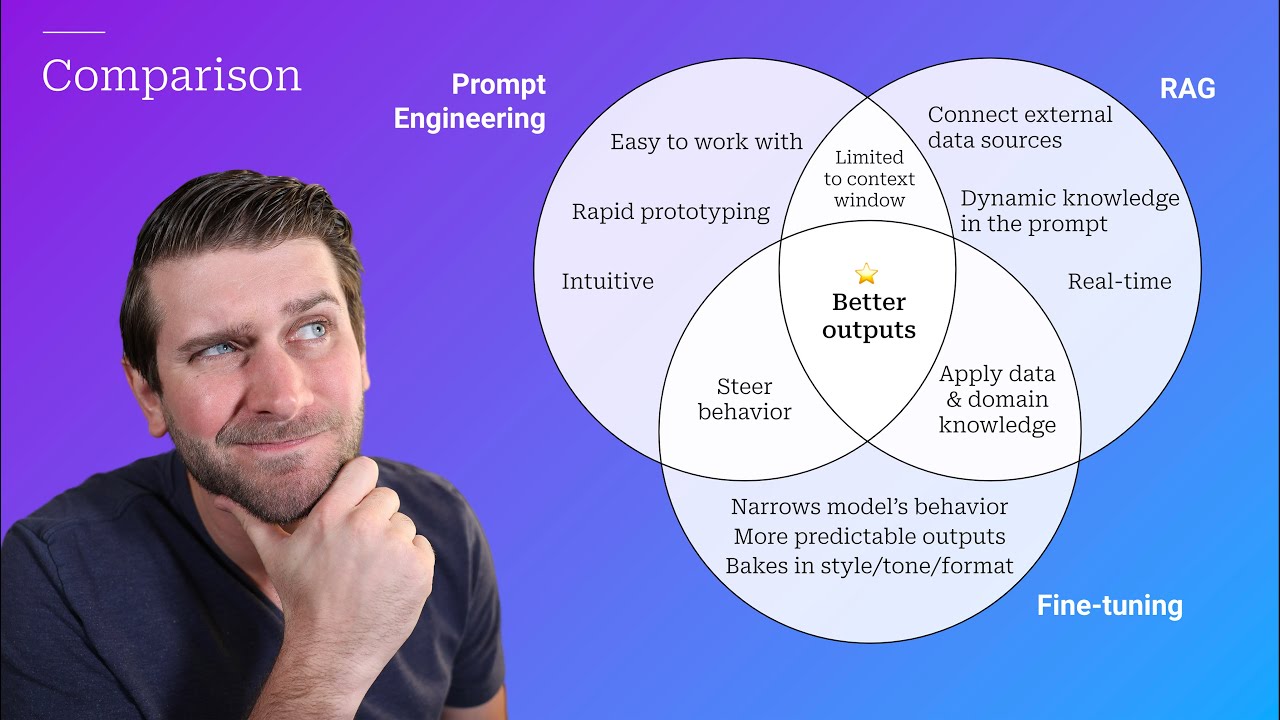
Once the language model completes its pre-training on a vast amount of text data, it goes through another important step called fine-tuning. Fine-tuning is like giving the model specialized training for specific tasks like understanding sentiment in sentences or recognizing named entities. During this stage, the model's parameters are adjusted to become really good at the new task while keeping the knowledge it gained during pre-training.
Here's how fine-tuning works: 1. Task-specific Data: We collect or create a special dataset with labeled examples just for the task we want the model to do. For example, if we want the model to understand feelings in sentences, we get a dataset with sentences marked as positive, negative, or neutral.
2. Choosing the Model: We select a pre-trained language model like BERT and start with the knowledge it already learned during pre-training. It's like having a head start for the new task!
3. Training Goal: We set a goal for the training, telling the model what it should try to learn. For example, if it's a classification task, the model learns to minimize errors and classify sentences correctly.
4. Fine-tuning Process: We feed the task-specific dataset into the pre-trained model and let it practice the new task. The model's parameters get adjusted through a process called optimization, and it gets better and better at the task after several rounds of practice.
Examples of openly available pre-trained models fine-tuned for specific tasks include: 1. h2ogpt: The h2ogpt project provides fine-tuned models like LLaMa2 and llama. cpp that are designed for tasks such as chatting, summarizing documents, or answering questions tailored to specific needs.
It offers support for both CPU and GPU, making it efficient for training on different hardware setups. This open-source implementation is highly valuable for various natural language processing applications, allowing researchers and developers to fine-tune language models for their specific tasks without starting from scratch. Moreover, the project includes other exemplary models like finGPT, adapted to financial data, and healthcareGPT, tailored for healthcare-related applications.
These examples further showcase the project's versatility and its potential to cater to different domains and use cases. 2. BERT for Sentiment Analysis: Researchers have fine-tuned the pre-trained BERT model to perform sentiment analysis.
This fine-tuned model can analyze a sentence and determine whether the sentiment is positive, negative, or neutral. 3. GPT-3 for Chatbots: The powerful GPT-3 language model has been fine-tuned to become a chatbot, capable of engaging in human-like conversations with users.
This fine-tuned version is widely used in various online applications for interactive and natural interactions. 4. RoBERTa for Named Entity Recognition (NER): RoBERTa, another popular language model, has been fine-tuned to recognize named entities like names of people, organizations, and locations in text.
Fine-tuning models on downstream tasks showcases the versatility of pre-trained language models, offering practical applications and saving time and resources in natural language processing. These openly available models enable easy customization for specific tasks, leveraging their general language knowledge to excel even with limited labeled data. Pre-training and fine-tuning have significantly enhanced the success of models like BERT and GPT, streamlining language application development.
To fine-tune on downstream tasks, specific datasets are prepared, involving steps like data ingestion, target task selection, dataset augmentation, cleaning, and formatting. Ensuring the quality of training is crucial for optimal performance. In the next chapter on Fine-tuning LLMs, we'll delve deeper into this subject and explore its intricacies further.