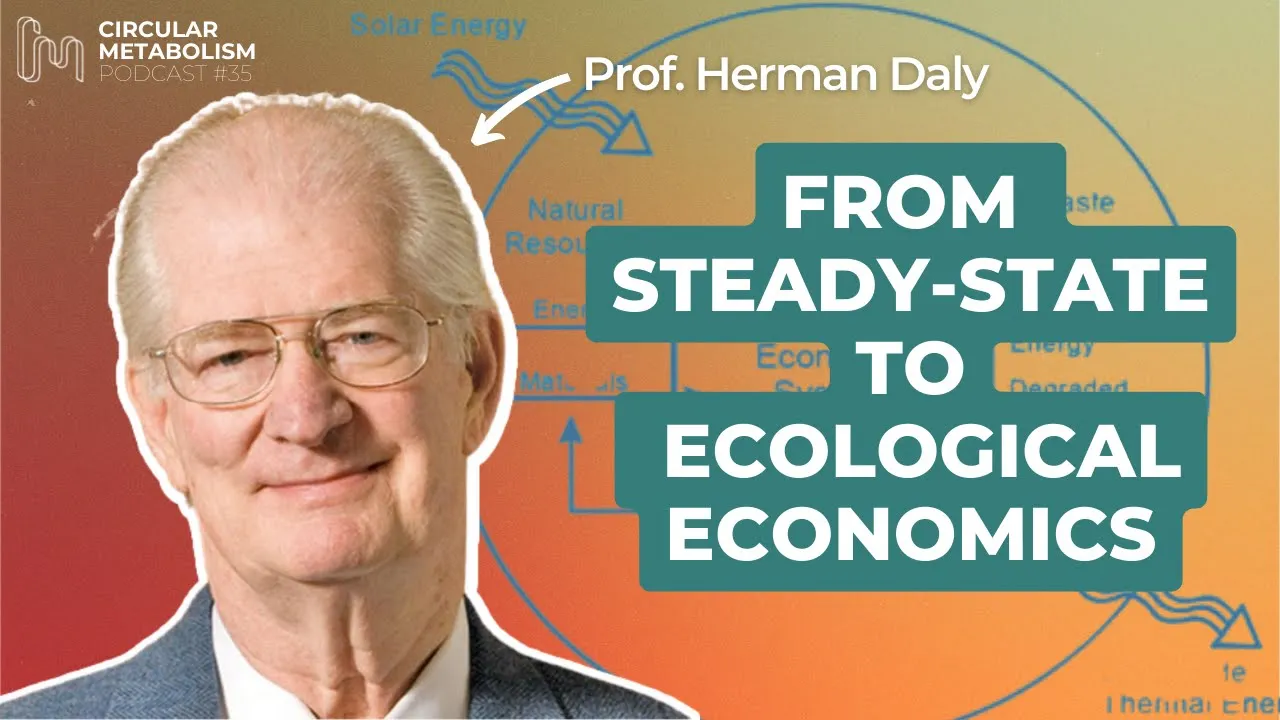
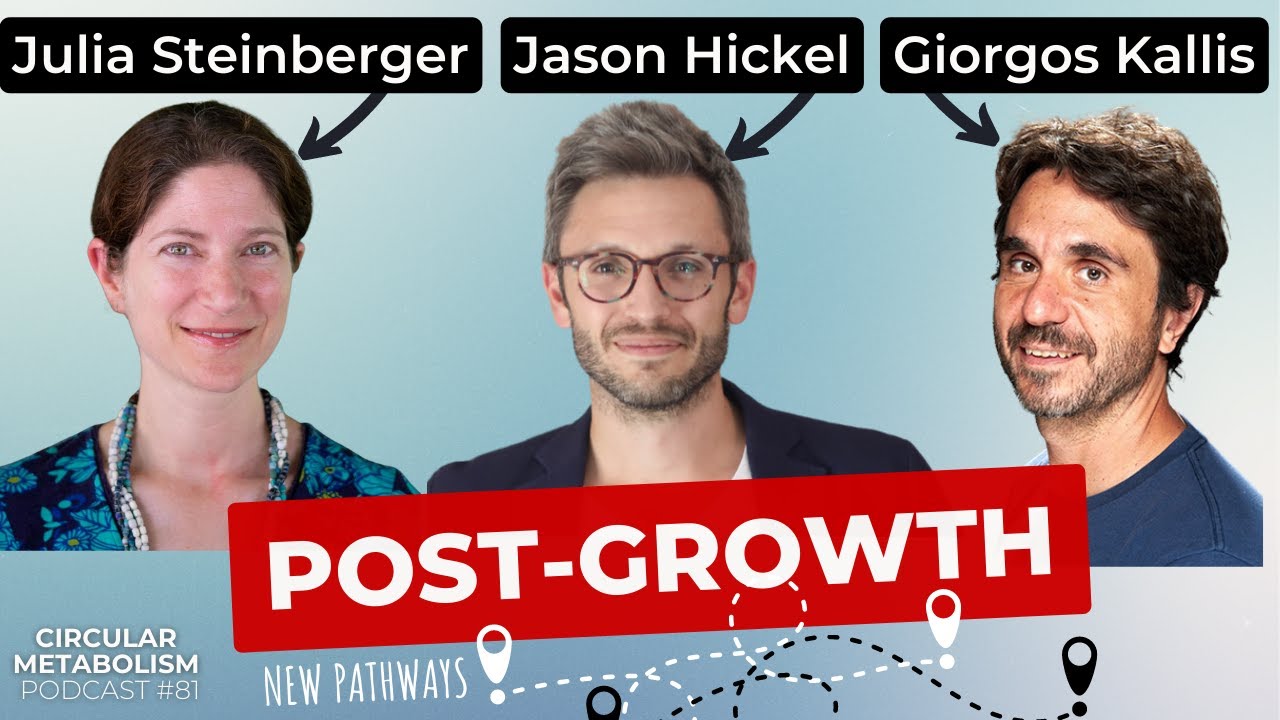
[Music] hello everyone and welcome to the circular metabolism podcast i'm your host aristide from metabolism of cities and in this podcast we interview researchers thinkers policy makers and practitioners to better understand the metabolism of our cities and how to reduce their environmental impacts in a socially just and context-specific way On today's episode i am very fortunate to receive one of the researchers that has helped laying the foundation for most of my colleagues and people we have received on this podcast work as well as pines he has co-developed and used two essential analogies that are essential
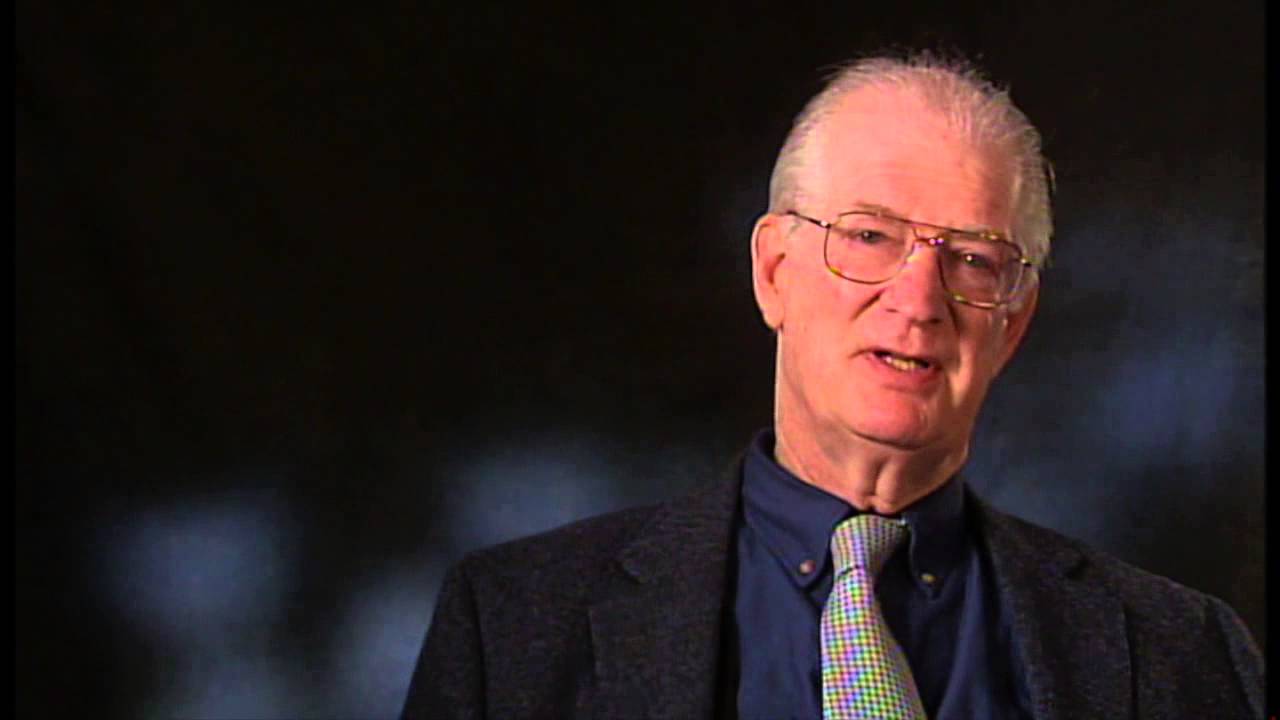
for many concepts that we see today which are let's say post growth degrow circular economy and these Analogies are mainly steady-state economics and ecological economics my guest today is hermann delhi which is a emeritus professor at the university of maryland he was a senior economist at the world bank for six years and we'll spend a minute to discuss about that um and he was the the author of steady state economics but also the editor of the all-star anthology towards a Steady-state economy with all-star authors such as joe jessica rogen balding schumacher meadows and so many
others he is also the co-founder of the academic journal ecological economics and he has received countless awards that i i should i cannot list them all here because there are just too many So without that being said uh welcome herman to to this podcast and thank you very much for your time well thank you aristeen it's good to be with you um of course everybody knows you so perhaps i'll just change this question to how do you generally present yourself to to colleagues or to a conference uh well i suppose i'm known mainly as a
Ecological economist or somebody who works in steady state economics but i i feel and to be fair and honest i have to say that i started out life as a neoclassical growth economist that that was uh so i had to change my mind uh and uh so i tell them you know that My original idea was uh i would like to increa i was was to fight poverty through economics and economic efficiency and um that and it was only gradually that i became dissatisfied with what i learned in uh ecological economics what uh what i
i mean with what i learned in standard neoclassical economics uh Where did that dissatisfaction come from i suppose it came partly from uh well largely from being a student of nicholas georgeski rogan who had also made a break with standard neoclassical economics it came also from reading rachel carson's book silent spring which opened my eyes to many interrelations between the economy and the natural ecosystem And it also came from teaching economics in northeast brazil which is a sort of the poorest region of the western hemisphere and witnessing their problems of population growth and resource and
environmental balance and uh and the and the fact that economics really had very little to say about those things Uh i'll add one more thing about introducing myself when as an undergraduate i uh i liked humanities and ethics and philosophy and i liked science and like many young undergra many practically all undergrads i had to choose a major you know which way was i going to go i couldn't do both so i didn't um I didn't really want to give up either one either the humanities or sciences and it seemed to me then that the
social sciences were in between and i could keep both to some degree and economics looked like the most useful to me at least of the social scientists so i chose economics because i thought it had one foot in the world of philosophy and ethics And the other foot in the world of science and biology and physics well that turned out to be wrong that was a mistake as i went on with economics i found out that it had both feet in the air um and so that became sort of my correcting my sophomore error was
sort of sort of became my life's work over a period of time It seems that this critique uh exists still today so even young undergraduates or post-graduates of economics still are dissatisfied with these with very similar actually critiques of neoclassical economics and from what i read and and and so one of your initial publish work where you said you were trying to fight poverty in some context i think at the very beginning you worked on on mexico and Even the uruguayan economy and i can imagine that you saw perhaps economy as a way as an
activist perhaps as an activist movement or a way to to to yourself be an agent into alleviating poverty uh at poverty first and then environmental degradation or yes that's exactly true i uh i i was looking for a way to be useful in the world And it seemed to me that growing up in texas and having some familiarity with mexico and latin america i i saw poverty there and of course in texas too and so well it would be a good thing to economics is supposed to be about wealth and the distribution of wealth and
That would be a good subject to to help me fulfill some my little hope for a role in the war in the world and so that's what led me into into it and connected me with uh to begin with with latin america yes so so you said just before you always had this desire to to see many topics or many disciplines at the same time and you had to choose economy although one Of your very early articles the on economics as a life science you already seem to bridge uh life sciences and uh social sciences
and economic sciences and uh from what i read in the in the book of tim jackson you were somewhere in brazil when you handed in the where you mailed actually the the first draft to the the journal of political economy um and it was published more or less at the same time as the speech of robert kennedy on on Post growth and on the the criticism of growth back in the day um so and if i understand well one of the the the people that also inspired um um robert kennedy was uh rachel carson uh
galbraith and and these elements did you see was there us such a a small movement or was there like a an exciting time at a short period of time where post growth was actually even in politics uh and and that pushed you more Or less to to write this uh this article well uh i think so yes um i i wrote i started out writing that article i had just been interested in biology for a long time and it seemed to me that uh as we might talk about later there are many parallel ideas in
economics and and they both fundamentally deal with a life science with life the life process the within Skin life process for biology the outside skin life process for ecology and the relationship so that that idea was what i tried to to flesh out just as an aside writing that article when i was teaching in northeast brazil you know i guess i have to explain to people this was back in 60 66 67 at that time that was before computers and when you wrote things you wrote them Out longhand and before you submitted them you had
to get them tight so that was a bit of a problem uh there in northeast brazil because i was writing in english and none of the secretaries knew english and so they but but they were very you know they tried and they gave me a manuscript tried to copy it and i had to go through it make hand copy so it was i submitted Something which is a bit messy and it was actually uh to my surprise accepted and so that was good and i remember the the editor at the time told me that one
of the main referees was uh frank knight a very famous economist and and his comment was i don't think it would disgrace the jpe to publish it that's quite a compliment i can imagine But but there was something else in your question that i think i forgot yeah it was a bit um it must have been quite um quite exciting to live in this tiny sliver of time where even in politics post growth was actually that's right that's right this was the time in which number one i could publish in the jp I can't publish
her anymore also i could publish in 73 in the american economic review can't do that anymore and in the university of chicago's journal economic development cultural change i could publish there that i don't think would work anymore so there was this period in the early 70s and where i thought there was a real opening And um so that was encouraging and that was a period in which you know my professor mr georges g rogan he was elected distinguished fellow of the american economic association so on the basis really of his of his past work in
mathematical economics and statistical methods and so on uh so Um but that wouldn't happen again today so so that there was a period in which there was an open and so my idea and those of many of the people i worked with colleagues was this we don't need something new we can stay within the discipline of economics And redirect it and that's what we really wanted to do we didn't want to form a splinter group and be marginalized we wanted to influence the mainstream and so we tried but the change that we wanted was just
too big the pill was too big for the mainstream To swallow and so we were we were marginalized and and started our own journal ecological economics our own society the international society for ecological economics it had to be international because there were too few people within one nation and uh and that was um and that was how how things sort of got Started in that way so there are many things i'm curious already about all of this why do you think so it seemed that there was you said there was an opening um did you
do do you know why it was there a closing as well did did you see like a creative moment where it was okay we're gonna Diverge and from now on we can no longer influence mainstream but we need to build a body of science on our own uh and compete with it somehow um i that's a good question i uh i guess what happened well i can tell you a story that doesn't really answer your question but i think it it indirectly it does Um where i really realized the difference was when i worked for
the world bank and i went to the world bank it was later it was 1988 and uh i think it was in 92 that the world by every year or so the world bank comes out with a world development report in which they study something and And sort of give it out to all the countries you know uh well this was the first time that they were ever going to tackle the subject of uh environmental development sustainable development you know this was the bruntland commission report made sustainable development dairy aguero and everybody had to do
sustainable Development even though no one knew what it meant and so this was the world bank's attempt to uh to do that because the united nations has sort of almost mandated it well i was not on the team that wrote the report because i was in a different area but i was on the committee that reviewed the successive drafts of the report and made comments So i and this to me was the most important thing in in the bank at the time and so i was very eager to do it and the first draft landed
on my desk and i eagerly read it and the first pages they came across a diagram and the title of the diagram was the relation of the economy to the environment and what was the diagram there was a Rectangle with an arrow coming in and the rectangle was labeled economy and the arrow coming in from the left label inputs and an arrow exiting to the right labeled outputs and that was the picture of the relation of the of the economy to the environment and so i i wrote some comments on that i Said well this
is a good this is a good beginning we've got we've got the economy but there's no environment you know they the inputs are coming from nowhere the outputs are going nowhere and we need to view the economy as a subsystem of a larger system the environment the ecosystem the biosphere and if we do that then we could say what are these input these inputs Represent depletion and that's a cost and we have to consider it the outputs represent the pollution outputs back to the environment represent pollution and that's a cost and we have to consider
it and then we have to talk about the reefs possibilities of recycling waste outputs to inputs what are the limits of recycling how far can we go in that direction and we have to look at The fundamental input to uh to the total environment biosphere solar energy the solar flux and the exiting of the heat what controls that balance and how hot does the world have to get before uh before it reestablishes a and [Music] an equilibrium and on and on like that and so this this is what we should really do Well later on
the second revision comes through and i look at it and the second revision shows the same picture only this time the rectangle has a larger rectangle drawn around it like a picture frame uh with no label no change in the discussion no change in The text it was basically the same they simply ignored you know what so i said the same thing over again you know in a slightly more emphatic way and uh and then the third revision came across my desk no more diagram it omitted the whole idea of drawing a picture of the
relation of the economy to the Environment it was too difficult it was too difficult to swallow it was too big a pill to swallow why because once you draw the economy as a subsystem of a larger system well the larger system is finite non-growing materially closed you threaten yourself with questions to which you do not have a good answer namely how big can the Subsystem be relative to the total system what limits it you know so for and how how long can growth continue of the subsystem exactly what is growing well the world bank is
devoted to growth that's its reason to be and so that was a question that could not be dealt with because i mean they're not stupid they know the basic facts that i just outlined But they're not stupid either about what the world bank is for and so there was just no way to to do that so i think somewhere along the line that's what lim that's what killed the the progress i mean that kind of realization that hey this is really serious if you can't grow forever or can't keep on growing uh how what are
we gonna do about poverty oh my god we're gonna have to Redistribute and share uh that's that's that's politically impossible what are we gonna do about population growth oh we're gonna have to have a policy of some sort oh well that's impossible uh what are we gonna do but well about um about all the environmental destruction that we've how are we going to re uh fix the damage we've done to the Environment well we're going to have to lower consumption of resources particularly fossil fuels well that's so i think that just killed it at the
intellectual political level at a more personal level i uh was teaching at louisiana state university and i got along just fine there for 15 years and But over that time towards the end the i was moving in one direction you know economics is a life science limit so forth and the rest of the department was moving in the opposite direction more new classical economics because that's that's what's valued by the profession so the difference got so great that i could no longer really have a graduate student Because you have to have five members of the
committee approve a dissertation and you know uh i couldn't i couldn't put together that and so it was so i thought it was very unfair and i was unhappy with the way they treated some of my students so that was when i began to look around and and shortly After that moved to the world bank yeah i can imagine as you say so perhaps at the very beginning everybody was excited at least with the analogy and how far we can go with this analogy and how creative we can we can or how we can be
inspired by life sciences and as soon as we got to the practicalities of thing and to the policy making of things and to the politics of what it implies to say that economics are a life science and if we Should therefore apply quotas and all that then everybody backed off immediately saying whoa whoa perhaps this is way too much for us to to understand and to put into practice yes i i think that's exactly it and uh um you know and then there was the i guess to put another shine another light on it the
world bank wanted to fight poverty and you know so did i And uh and this was saying oh you made it this is really going to be a lot harder uh you're what you're saying is going to make fighting poverty a lot harder you know are you are you against poor are you in favor keeping people poor you know why don't you want growth there must be something wrong wrong with you Uh you're anti-human and so forth so that kind of thing came out too and um so of course you have this diagram at the
at this article on economics as a life science where you compare a living organism to economics with anabolism catabolism and then production and consumption with inputs and outputs and of course this is something that me and my colleagues working on urban Metabolism leaking cities as living organisms we have very similar diagrams and very similar analogies and of course over time so urban metabolism-wise was used by marx at the very beginning let's say or the metaphor of metabolism uh then it was used by schools of sociologies it was used by abel wollman by many different people
to mean different processes as well of of cities and phenomena of cities and so i'm Wondering at uh what did you find so appealing in this comparison between this life organism and the economy i mean you could say that it is a life system but there is also an analogy to it so i can you said also the importance what is the importance of analogies within science how did you see that and why do you think was was it so important to to start making analogies Yeah um well i don't know i guess i've just
always liked analogies so in fact some some psychologists even consider the ability to recognize an analogy to be one of the criteria of intelligence you're above average yeah and um well it just seemed evident to me Well that's the worst i put it well go back to go well here you you're very kind to invite me on this program and to talk about the uh circular metabolism and it's rather ungracious of me to criticize the very concept of certainty oh please do please do but this is uh this is something that i think is important
because You know words matter and uh how how did we get started really with ecological economics and well the first thing if you go back to the standard economics textbooks the neoclassical first chapter what do you get you shown the circular flow diagram firms and households firms produce goods For households households consume goods households supply factors of production to the firms and it goes around and around and around and george sk rogan called it a circular merry-go-round nothing comes in from the outside there's no need of resources nothing exits to the outside there's no need
for waste absorb it just goes around and around Well okay i'm you could say when that was when that neoclassical economics developed the world was the economy was very small relative to the biosphere and so it made some sense to consider resources in the rest of the biosphere that's basically infinite i mean resources were not scarce Uh waste absorption capacity was not scarce economics is really interested in scarcity what's scarce and how to use it best so so abstracting from what was not scarce and that was defensible i think it was wrong but it was
still defensible well then you when you have a period of growth you know When something grows it gets bigger as kenneth bolding emphasized and the economy got bigger and uh you know when i was born and back in 1938 the world population was uh i think was 2 billion and now it's right at 8 almost 8 billion so the world population has quadrupled in my lifetime you know i don't think that's ever Happened before in a single lifetime and uh i don't think it'll it's likely to happen again so hopefully so you see you see
this tremendous so now we we no longer live in an empty world it wasn't only population of course that quadrupled i mean i mean energy consumption even vastly more than quadrupled in and consumption of all materials Went up by enormous amounts i don't have the numbers before me now but but the point is the world moved from relatively empty to relatively full and what used to be the limiting factor in production namely capital and late and labor well we increased the population we had a whole lot more labor became not so Limiting capital we accumulated
became not so limiting the flow of resources and the absorptive capacity of the environment became the limiting factors but economics did not recognize that i mean we still kept on with the old cobb douglas production function production as a function of capital and labor no resources involved at all The measurement in gdp we kept on considering natural resources in situ in the ground as of zero value the the only value we counted of natural resources with the labor and capital cost of extracting them so with admirable consistency both macro and microeconomics ignored Nature and the
natural envelope that contains the economy uh with by implication we continue to think of that as infinite and not scarce and so that's i i think was is the thing that we have to change and it is changing people are i mean people are not stupid they're recognizing this And we're paying the costs and that brings us but economics is still at the theoretical level in the textbooks it's still very slow to bring that into the picture and and so to to counter this omission of nature um you proposed well you you base your work
a bit on sword meals work to to propose Steady state economics um whereas you say it is a constant stock of people and physical wealth could you perhaps explain why you think this macroeconomic policy would contain us the the dangers of overshooting but also serving societal needs simultaneously Yeah i i guess my first thought on that subject which really occurred to me more well um i saw the steady state i in john stewart mill i'd read john stuart mill as an undergraduate and it just kind of went in one ear and out the other i
didn't but then when i was in northeast brazil I i really saw the importance of the rapid growth of population at that time um it slowed down a lot since then but at that time it was you know over three percent and and there was real problem distribution and and the uh it and it was the poor class that was having the large number of children the rich Class pac practice contraception so you had a differential fertility that was quite large which meant that you had a super abundant supply of labor at low wages and
a great reinforcement to the to the capitalist system and the inequality the distribution anyway all of those things uh occurred and i said well so i said look i began to look at the demography to Think more about demography and to study demography and naturally came very early across the demographers model of stationary population and i said well this is this is rather interesting a stationary population the way the way they define it and it had many many many nice features about it And then two things i said well we have not only a population
of human bodies which are physical but we have populations of extensions of human bodies which are also physical you know well uh cars are in bicycles are an extension of our legs you know this computer is an extension of our brains and eyes and ears and so forth but all these are physical things And so they have uh birth rates that is production rates and they have death rates to preach physical depreciation rates so you have once again the biological and within skin and outside skin you have what applies to the population of humans applies
very much to the population of extensions of humans the physical population and so If you're going to have a steady state if you're not going to grow forever and have a stage then you have to have birth rates equal to death rates well uh you can have birth rates equal to death rates at a high level of births and deaths or at a low level of birth and death and it makes a big difference because if It's if it's at a low level of birth death then you have long life expectancy if it's at a
high level you have short life expectancy similar thing with artifacts commodities well if if you have a if you have an equal production and depreciation rates at high levels then you have short Lifetimes and durability and so forth well that's looking at it from the point of view of maintaining the stocks in a steady state our economy based on g and p maximization g and p is a flow and so you want to maximize the flow that is maximized production that sort of leads you into short life expectancy and other odd Things so i'll begin
to worry about that anyway i'm sorry i'm rattling on here let me uh let me turn it back to you to straighten out the conversation here no no i think well i wanted to to understand you know also what was so appealing to you into the steady-stage economics because of course it starts with stocks and flows even if that is an economic process it's also an Ecological process so even if there were parallelism between life sciences and economics it wasn't well formulated in these terms so i was quite interested to to figure out you know
you also mentioned that there is also these three factors that we should always consider in steady state Economics but also in any type of economy such as scale distribution and allocation and of course this brings out not only a macroeconomic [Music] quota or how much we should consume but also how well it is distributed and to whom so i think what you bring here with uh steady state economics is and perhaps Also john stewart mill also mentioned that back in the day it's still an increase of well-being and an increase of the good life within
some limits of course and also stay within planetary boundaries yeah exactly that was kind of the big distinction between john stuart mill and the other classical economists who also thought of this of a steady state Economy and the uh you know adam smith and david ricardo and smith they they also thought that steady state would be a natural result of the laws of uh economics the law of diminishing returns the iron law of wages the law of differential rent you put all that together and it and the Landlord class unproductively absorbs the surplus and you
stop growing and and your wages your working class goes down to subsistence wage and so it looks like a pretty lousy world and they and they thought so they did not like the idea of a stationary state john stuart mill recognized the limits and he said well you know if we're not If we're not going to totally override nature and every uh every wildflower plowed up as a weed in the name of improved agriculture then then you have to come to terms with the idea of non-growth or studies and he of course made said that
doesn't need to be bad because we redirect our energies Away from all of this trampling on everything and growing growing to qualitative improvement of life to true development as opposed to growth so that qualitative improvement replaces quantitative increase as as our mode of progress and And he thought that would be a much better world and that struck me as quite a reasonable a reasonable thing to pursue and i i really enjoyed the the moment where you discuss about distribution so saying that we we could have quotas or caps in terms of uh both depletion or
pollution uh quotas and uh and and caps let's say and Ideally it should be the the state that then distributes it to to individuals or to private uh companies um which i don't i i don't know whether they it it would ever be a good idea that it is private people having these quotas and then selling them to to other people so i think there is the only reasonable way is still to to have it being owned by the public but then i wanted also to ask you Is there an interesting link that we could
do linking depletion and pollution together because often we we can put a price into depletion quotas because we we know how much is available more or less but for pollution ones uh well you know it's especially for atmospheric pollution well now with the 1.5 degrees And how much carbon we have left we could have a price there but you know would it be interesting to systemically join pollution and depletion simultaneously absolutely and this is what uh i think this is a big difference between ecological economics with the concept that bolding introduced long time a throughput
which is basically metabolism again you know you the The food the digestion and the waste the throughput flow uh so that can that physically connects depletion with pollution so that if you if you limit depletion then in a gross aggregate sense you're also limiting pollution and if you limit pollution and in the gross sense you're also limiting depletion of course there's plenty of room for Qualitative differences one doesn't perfectly control the other but and the corollary of that i believe is that for policy purposes sometimes it's easier to try to limit depletion and sometimes it's
easier to limit pollution in general i think it's easier to limit depletion because depletion is more concentrated There are fewer mines and wells than there are smoke stacks and garbage cans so it's just physically easier and that's the point of lower entropy in in the flow so it's easier um so that's that's one thing now there was something else i wanted to add to that what was it that's one of the problems of getting Old that you forget what you're going to say um oh um well i guess earlier you talked about uh the scale
distribution and allocation that just to tie that in scale i originally defined In terms of the stocks of people and artifacts in capital following the classical economist you could also find scale you could say that scale is defined in terms of the flows the throughput flow necessary or no the the flu throughput flow that the environment can support uh on the both the depletion and the pollution side What is the maximum let's say our optimal throughput and then the stocks grow to whatever level can be supported that is probably a more operational definition i think
than than constant stocks because uh flows are easier to measure than stocks and i think it's and and it's the flows that directly influence the environment So i i think uh that that's what should be done also i've come uh over the years or actually from rather early on and then i backed away from it the uh the idea that that you should limit quantity rather than try to try to fix quantity rather than price I mean the ecosystem doesn't care about prices it cares about quantities and so if you fix the quantity then that's
ecologically safer now there's going to be errors in our emissions if you fix the quantity then given a demand curve you're also going to fix the price but the demand curve shifts around all the time so they're going to be errors and omissions from estimating demand Well let the errors in omissions work themselves out in price changes because that doesn't really affect the biosphere whereas quantity changes do so fixing and and furthermore i think it's much safer to fix quantities and let let a kind of market system Determine the price because if you go directly
with the price and to increase efficiency then you also get the jebens paradox where resulting increases in the efficiency from higher prices may cause increased use of the resource rather than lesser use so for those reasons i i think we should go in the direction of of and that's why i like cap auction Trade system better than um tax severance taxes or carbon tax but i've sort of waffled on that back and forth because i do recognize that people say well you know the severance the the uh tax on carbon is much easier than the
than the uh auction cap auction trade system Uh all you have to do is is uh change the algebraic sign of the uh depletion quotas and you're there um okay that's a good argument i accept the weight of that and so maybe it's maybe it's a necessary intermediate step to go first for price control uh fixing price and trying to control quantity by limiting the price But ultimately i don't think that's going to work because you've got a whole monetary system that can counteract the price you you put a price on carbon you make carbon
more expensive and then the fed turns around through quantitative easing and finances the very tax increase that you you've labeled i mean that could happen so Um so that that's an area where there's a lot of room for debate and discussion and an experiment i think but i do i do favor i do i do favor the quantity limit yeah well as you say ecosystems do not have price let's say uh um are not basing anything on price but uh There is in steady state economics and perhaps this has changed over the over the years
uh you have the second half of of the of this whole um let's say i don't know if it's a theory or an analogy works on population um and while as we said i think population is now stabilizing we don't know at what it's going to stabilize if it's going to Be 10 billion less or more but let's say it's it's getting more stable we're not going to see the same type of increase we saw over the last century and so i'm wondering um or i can imagine back in the day and perhaps still today
this might be a more polarizing uh Part of uh of the steady-state economics uh i'm wonder i wonder how do you how do you respond to critiques or how did you um i can imagine when you were in northern western brazil you saw elements that were in favor of population well not or you know birth control or um or um you know limiting uh let's say uh giving Birth you know i don't know how we call in in english but uh uh contraception pills and all of that um do you still see and you also
mentioned that kenneth bolding had another way to to propose of limiting um population more redistributive and such how do you see that in in the in contemporary times uh this issue of uh population yeah You're quite right to raise that it's uh it isn't a difficult and controversial area it's also an area where the environment the whole environmental movement has changed because it started one of the very first things in in the i guess 1970 or late 60s was Zero population growth as a movement and um so so the early environmental movement put principal emphasis
on population growth and then then it dropped out it said no uh they were criticized by that they were con told that they were uh You know anti-anti-human and so forth and also of course it's very difficult they're difficult problems you know how do you how do you do it what's what's the way and um and then and then the immigration question came along well population can grow either by Birth greater than deaths or by inmigrants greater than out migrants and so the united states at least it considers itself a nation of immigrants we can
come back to that exactly what that means or should mean and uh and that this was very much opposed to the whole history of the united states and our progress and our values Of being welcoming and so all of that really put the damper on any consideration of population and of course then a more reasonable in my opinion notion was that hey we've got the demographic transition as a natural as a sociological phenomenon when people get richer they tend to have fewer children i mean there's a substitution effect going on here People substitute cars and
refrigerators for children as as they get richer and that increases their standard of living and that's what the standard of living really means is more cars and refrigerators and that sort of goes along with fewer children because you have to get the money from somewhere okay those Um i think that's kind of what happened and what pushed and then there was well encapsulated in the slogan which was was heard um development is the best contraceptive you know it's just don't think don't think about population think only about increase and you'll get you'll get population control
as a bonus you don't Have to deal with directly well this is this was the idea and it's still i think very much part part of the degrowth movement they they don't want to talk about it at all and particularly the immigration side i think that's going to change you can take that as a prediction but it hasn't changed yet um okay I'm rattling on because this is this is a difficult uh area um the bolding plan now that was that's an interesting thing i was interested in that both from the point of view population
bolding realized very soon after you've said it i think That this was uh this was a non-starter politically it wasn't going to go anywhere in terms of a way of controlling population people just reacted very badly towards even those who who favored some form of population limitation interestingly at the same time i mean just just think for a minute about the logic of the control program He was asking the question how do you um if populate if the society wants to limit its population growth its size or if you want to reduce the population like
china's trying to do what's the best way to do it how can you do it in a way that you really control aggregate Births with an equality in the right to reproduce in an efficient way that reflects individual and so bowling said well you know in his logical sort of mind thinking well one way you could do you could figure out what is what is the number of births that gives you uh population stability Given the death rate whatever the death rate structure is uh how many births per well 2.1 is you know sort of
what it will be okay so you give every every couple every woman because women are the limiting factor uh that many rights to reproduce so you've distributed equally this new asset Right to reproduce you've treated everyone equally in terms of distribution but people are not equal in terms of their desire to have children or their ability to have children so you've allow you then allow for people who cannot have children or don't want to have children to Give or sell or exchange their right to reproduce with someone else who wants to have more yeah so
you respect allocative efficiency at the same time that you have focused first on distributive equity distributive equity so in a way it goes right back to this scale distribution allocation first you set the scale What's the number a population well it's 2.1 children per person will give you a constant population at the level let's say you want so you fix the scale first then you say well who who owns this right well we'll distribute it equally everybody who can use the right owns the same Amount and then so that takes care of distribution equity of
this and then the third efficiency of allocation you recognize the differences in desires and an ability to have children and allow reallocation of the distributed riots in that way okay that's exactly the logic behind the cap auction traces which is applied to commodities are Resources rather than to birth licenses so it to me is very interesting that bolding's logic applied very excellently i think to um to the questions of resource limitation uh and it would apply to population Limitation if people accept it and want it well people don't want it they're not ready for it
it's not part of the culture it's very risque to to kind of propose that i can imagine that yeah already back in the day but you know then you say but you look at china for example you know china Uh they they decided for a while at least they backed off from it now but that they wanted to really seriously limited population so they went to a one child system one child that means you don't have any brothers or sisters you don't have any uncles aunts or cousins that's a massive social change And and i
would think something like bolding system was would would not be nearly so drastic in terms of its but people people have a real antipathy towards any connection between a market and reproduction uh They don't they they look at it as buying and selling children you know as opposed to you know buying and selling a legal right to reproduce and so that's uh that really puts a block on it now as i it's i mean there's a lot of things i don't understand and here's here's Another one which is um given the the large antipathy towards
anything like a connection between markets and and reproduction implicit and bowling's plan look at what's actually happening in the world right now at least in my country you have Young women from elite colleges selling over on the market young men selling sperm for money you have doctors combining the sperm in the oven for a fee in vitro implanting it into the rented womb of a surrogate mother to carry out the gestation of a child now that is a far more drastic Imposition of the market in prices into reproduction than voting so you tell me i
mean what's going on here i i don't i have trouble putting the two things together in practical terms for the time being i think it makes sense pragmatically to say no one should not Push something like the bolding plan on reproduction because for right now at least things are moving in the right direction increase increase education of of women and development is lowering the birth rate okay let's let's let that happen um and let's stick with uh the neo the Neo-malthusian view which is contraception i mean uh you know malthus malthus was against contraception as
a as a preacher in the anglican church uh and he he said that you have late marriage that's the way to control poverty late marriage incontinence outside of marriage well The neo-malthusians francis place and others came along and said no no that's never going to work what you want is early marriage and contraception within marriage and so that that debate still continues today indeed i i must say i can't help it you know i come from texas which is right on the board on the border with mexico in texas right now um abortion Is being
outlawed even though it's constitutionally guaranteed within the united states and the uh contraception and because the planned parenthood which mainly pushes contraception and abortion only abortion as a as a backup if necessary they're trying to defund planned parenthood in the state of texas My home state across the border in mexico which traditionally was much more uh catholic and pro-natalist they just uh um they just accepted legalization of abortion so i mean the world changes in ways which i cannot predict at all and uh So i have to be have to be a little uh well
let's just wait and see what happens i don't know what's going to work out on that the other thing i guess i could say is that it is possible to to reduce population growth i mean china proved that they were willing to pay the price japan also proved it without any drastic imposition from the Top after world war ii japan lowered its population's birth rate uh by just social pressure just it was just i mean nobody decreed it but it was just decided socially collectively somehow that you don't have more than two Children and they
and the pressure was very great socially so anyway i don't i don't know what's going to happen on that yeah i i can imagine this is such a thorny topic and i think for most of people within the degrowth movement or in many other movements the it's a matter of prior Making priorities and as you said with the current uh way things are working out it seems that first we should work on equity in terms of resource use or affluence and then only ever consider population as as a topic to to act upon because today
you know we we really there is just a a Slow per percentage of people that are damaging or over consuming the planet or some companies and you know we would be far more efficient when you said as well beforehand on the depletion quotas to act upon a small amount of people rather than the entire population on population i guess as the words then today in terms of priority that seems to be far more efficient i would say Yeah i certainly agree with you that that we would uh we have to work on well certainly in
the united states for example the problem is uh much more one of over consumption than of overpopulation so that's what we need to tackle first um if uh and also the countries that have let's say a population Development are the ones that are consuming the less so you know there's a very imbalanced question whereas you know steady state economics if we were to apply steady state economics per country let's say yeah i would it would be very interesting to see how you know those these physical stocks uh both uh in terms of uh you know
uh physicals in terms of uh resources but Also in of population how the the imbalance happens uh within the planet and well within a national economy rather than at a global economy yes uh i've i've never had the courage to think uh of a global uh steady state system i've only thought of it in in the national in national terms and with the hope that If if you can make it work in in a nation then that can be copied and eventually become uh global global in the sense of all all nations independently moving towards
their own system of uh of maintaining population as opposed to a world government trying To control world population that that i see is a chimera but i um the other thing i suppose i would still say that one one should think about population not only from the point of view of the desire of parents to have children being fulfilled but also from the point of view of the Welfare of the child being born you know i think most of us would say well you know it's uh although the rich are messing up the world from
the point of view of the child it's sort of better to be born rich than to be born poor and if you're going to be born poor uh maybe fewer fewer births to the poor Might have some you might say something in favor of that not only for the point of view of the child which i think is very important but i think there are very few parents anywhere who have already had three or four children and are poor who actually want more and so this i think we should really focus very much on the
planned parenthood Contraception you know movement i mean put aside bolding's plan for a while let's just talk about uh purely voluntary uh contraception for uh with the consequence of lowering population where people actually want fewer births which i think is quite prevalent in many parts of the world yeah of course the choice is not always there in many contexts that's the whole Difficulty in the situation that is what i saw in northeast brazil which i'll just go back for just a second there uh there's the lower class at the time i emphasized this was in
the 1960s it's much different now although there's still a big difference in terms of class uh fertility The uh the lower class was having on average like eight children the upper class on average maybe four okay so this meant that it was hard to see how wages were ever going to rise with this kind of situation and in fact you go back to marx Uh well you know in uh i guess in the word proletariat as used by marx proletariat marx by remarks had meant the working class non non-owners of the means of production who
must sell their labor power to the capitalists in order to live you go back before marx into latin Uh prolap proletariato comes from pro proley which means children so the proletariat was the class that was useful to the roman republic for the purpose of having children to do the dirty work yeah and the upper class the patricians they you know they practice contraception or whatever but to patrol but you couldn't that wouldn't work for well i saw i saw Remnants of that in northeast brazil in the sense that you know who who were there were
some people who were in favor well let me back up the only population control that was being recommended by anyone was voluntary family planning through the uh being a star familiar group in that time in brazil Who was opposing being a star familiar which was just voluntary family planning well there was the catholic church which was rather split on the subject but officially they they were against contraception there was the oligarchy which had an interest in cheap labor You know there it doesn't do for foxes to advocate small families for rabbits you know you want
to keep uh keep who you're exploiting and then there was a a kind of collectivist nationalist uh ethos which is more understandable That country is greatest which has the most people and in particular in brazil with the saddling of the amazon brazil has always felt that this was this was very vulnerable to being taken over because of its underpopulated area that people from the rest of the world would take over the amazon and indeed there were proposals that the state of Israel should be uh formed in the amazon um well that didn't fly but other
people people have made all sorts of proposals for sort of the am using the amazon as if it were a common property for the world to decide how to use the brazilians don't like that a bit and so they wanted to populate it and and so that was part of the reason well I'm i've i've talked too much about that so let me just back let me just uh turn it over to you to follow in other ways no no i mean it's uh you know we we we always go back to this discussion and
so there is not a i don't know how to answer it that's why i was curious to know how you've been responding to it over the years i want to um to perhaps continue with this Uh element because you mentioned how back in the 70s population was uh was a hot topic with uh also one of the persons that contributed to to the book towards the state economy paul eric with the population bomb and all of that and i'm wondering how this book perhaps forged your interdisciplinarity or transdisciplinarity because you had so many experts coming
from different fields And well you of course said that you always were curious from different disciplines and you always wanted to bring them together perhaps to make sense for economy so i'm wondering how you know how the the birth of ecological economics came about this interdisciplinary slash sometimes transdisciplinary field that that really looks at the interdependence between human economy And econ citizens how did how does this was it through discussions how did this uh you decided to to work on this and to develop this uh journal and then society as well yeah um well that's
a good question because that book that you meant that anthology which includes all of those i used that that was uh my basic Teaching document i use that in teaching and the way that came about to my mind what motivated me was a kind of a vision which somehow i had picked up partly from well from interest in ethics and religion and also interest in science Was what i i think in the book in the book in the introduction there's something called the ends mean spectrum which i start out at the top well it starts
i started with ultimate means what you know what is what is that which is good which does not derive its goodness from being instrumental to some other good Which is sort of the maximum good things serve it it doesn't it is that which is being served uh that's the criterion by which you just by which you decide whether a hierarchy of other good things you know ethics is sort of putting good things in order what comes first what comes second what comes third uh well something Something has to go in first place you know if
you have priorities and so that's the that's sort of the vision of the ultimate end we can only see that dimly but we can't come up with a ethical ordering of intermediate ends unless we have some perception however vague of a more ultimate in that they're serving so i think that's the problem of ethics So i'll put that at the top of the instability that's the service then on that basis you get a ranking of intermediate ends good things which you want to serve which economics and then in the middle then you have then let's
go down to the bottom what about what about memes what is it that's going to serve that in what's what's the ultimate means what do you need to satisfy Any end in human life what is that which we use up in order to satisfy our ends but cannot ourselves create what do we take as given and and have to use up to satisf well it's low entropy matter energy it's the laws of thermodynamics at the base Of the thing so the big question then i mean to look at it in a huge way is how
do you use the low entry matter energy ultimate means so as best to serve the ultimate end in the spectrum well that's such a huge question nobody we can't think about it so you break it up into parts You use the low entropy matter energy you convert that into intermediate means into into machines and commodities and things that serve your ends so you have technology is the conversion of low entropy matter energy ultimate means into intermediate means that can directly serve our needs so we then the application of the relationship between Those intermediate means and
our intermediate ends is i call political economy that's where economics comes in allocation distribution scale and then at the ultimate ultimate end the question of ranking our hierarchies of intermediate ends which intermediates do you emphasize first that's the question of ethics and so Okay that vision then of that ends mean spectrum was the organizational principle of that anthology uh because one section dealt with the the means and the uh ultimate ultimate means and then you know and then another section with the ultimate end and so far as people say much about it and then the
other was economics So that was the that was the attempt to pull that together um you know uh of course it was it was not i mean it was not a complete neat separation into the three parts there were some overlaps and some things that maybe didn't fit as well as they should have but that was the idea behind that and of Course making it an anthology i was not capable of dealing with such a big a big topic all by myself and so that was why i i really wanted an anthology and i would
really wanted to choose people who i think had had made contributions in that area and that was that was uh that was what went on in there and i use that for a long time at Teaching and students seem to like it and how did that translate into the journal or the field of ecological economics was it step by step or how was it a happy accident or what were the behind the curtains uh well you know i guess it was partly uh what was going on is i was not of course the only person
thinking along these lines and that way there were many other People who had um you know you mentioned earlier who had been dissatisfied with the way economics was going and wanted to bring in ethics or technical matters and and particularly ecology so i guess one very fortuitous thing while i was at llsu this is what the uh They have a coastal studies institute which has um some ecologists and and they just hi and they hired uh a young energy ecologist robert costanza came to lsu and uh bob costanza had been a student of h.t odom
in the energy school and there was another ecologist there uh John day who had also been a student of oda who was at lsu and these and uh so we formed a little group which uh saw saw the importance of bringing ecology and economics together you know and because you could ecologists have sort of long been kind of playing the game of let's pretend man doesn't exist and look at the ecosystem And how it behaves by itself and economists had been playing the game let's pretend that nature doesn't exist and just look at man and
we we just all all of us and many other people i guess you know came to conclude this was not the right way to do it and we needed to bring these Two together and so we started that and in particular uh costanza uh and i said well we need a society and a journal and uh and we found uh a like-minded person in uh juan martinez saliere in spain had independently been thinking in in this for a long time And uh and bob had contacts with sweden uh ann marie ann marie johnson and ben
johnson and others in sweden and so that bob and so that little group really was the nucleus which began to form the journal ecological economics and um and and the society And as i said before it had to be international because there were so few of us in each each nation and then later on we as it grew then there began to develop national sub units you know so you have the european or the european the u.s the canadian the brazilian And and so that's been a development from there um and we're very very fortunate
i must say because uh i think i one really has to give a whole lot of credit to bob costanza for not only his his intellect but uh his energy his entrepreneurial energy and in Putting these kind of things together and uh and so that i think and then a whole lot of other people who came in and over the years contributed to to this and again going back the other way of course there was a tremendous we all uh drew from the writings of uh kenneth Bolding george sk rogan and i and also from
galbraith john kenneth galbraith you mentioned earlier and uh and htodom and the energy the energy theorists so all of that kind of came together and we said this makes a whole lot more sense than neoclassical economics and um and by that time we had sort of realized that we were not going to have a great influence on neoclassical Economics itself so we're going to go in a separate way i asked surrounds asking what were some questions some good questions i should ask you uh from the ecological economics movement but also from other people that uh
that we discuss and uh i received a question from julia steinberger she's an ecological economist herself and she said um What is perhaps your proudest moments in terms of kickstarting ecological economics as a field what you regret and perhaps what you have done differently in hindsight oh well i think if well we've already talked about the the concept of economics as a life science and the Uh allocation distribution and scale question and um things like that and um well in a way although i was totally unsuccessful i'm sort of proud of making the effort for
six years to influence the world bank uh you know i mean it we really uh Need to not just preach to the choir but try to to deal with the world and and i must say that within the world bank there were some excellent people i mean my uh mentor and colleague there robert the late robert goodland um i think accomplished a number of things in the in the environmental direction Within the bank but as far as i can tell those have not survived maybe they will be revived and maybe things are leading the bank
but it basically the six years i spent there i thought we were making progress for a while and there were some things i was proud of um but it didn't really work out uh what Were the other questions so what were you proud of what you would regret in developing this community and perhaps what you have done what you would have done differently in hindsight yeah i guess in terms of the name well we've already talked about that i suppose know one thing i i suppose i regret But not entirely is that you know when
you disagree i i've noticed this i i had a student who had a remarkable capacity for disagreeing without getting mad and he would be you know just just the nicest person and but totally in disagreement on something but not the least bit angry Now i have never been able to do that when i when i have a fundamental disagreement my temperature rises i tend to i tend to get angry and that's that's a defect i suppose that's a character defect but if i could um if i could you know uh figure out a way To
uh to have been a little less abrasive and not gotten so angry in some discussions i i would do that on the other hand i'm not sorry i mean you do have to push be a little pushy sometimes Because um well for example take george ski rogan his critique of production and the production function particularly of robert solo and stiglitz and so forth he made that a very reasoned uh critique they simply ignored it they just did not reply they ignored it For 20 years 20 years and and so i did get mad about that
and i did you know sort of instigate a try you know become rather aggressive aggressive and say look here you know you really deserve to you really have an obligation to make some effort to answer This so i mean that's that debate's still going on people are still discussing that now but um but i guess if i could have just i think it's a very great personal quality to be able to disagree strongly because we have very big Issues of difference in the world without getting angry and uh i'm i'm still trying to improve on
that regard and um yeah sergeant um and i uh well you were going to ask some other questions so let me let me back off and let you bring me no I was just wondering um well the last bit of her question was as well what do you think is the most important now and you also uh in the the chapter that you sent me gave me uh how steady state economics is positions with some current uh policies uh one bottom-up which would be the growth and mo one more top down that Might be circular
economy so i'm wondering in all of this complexity how if you had to pinpoint some elements to move forward what do you think is the most important topic or subject to to move forward well these are these things you take steady-state economics you take circular economy degrowth I guess the donut economics and all these things have a have sort of a common insight and we all ought to really be working together and uh and so in particular you know there's the uh the uh d growth and the steady state i like uh brian check he
suggested uh Well let's just take the slogan uh degrowth to a steady state you know because the degrowth people they don't believe in degrowth forever they're not stupid uh and the steady state we're not advocating steady state at an excessive current level that can't possibly be maintained we're not stupid either and so you know i think we We should you know come together recognize whatever differences i think there's a complementarity there because the d growth is more of a theoretical policy orientation starting from classical economics and and dealing with the problems growth on the ground
whereas as i understand that the Degrowth movement is more of a grassroots movement that started out from the real problems of growth and and is uh sort of working its way up to an understanding of uh of theory and policy uh so you know there's there's lots of room for collaboration and and so i hope that happens that's one of my hopes um Uh and in the meantime we have to you know argue with each other about terminology and things you know like i don't like circular because the economy is really not circular and so
i'm just gonna be stubborn about that but while recognizing that people who use that term you know they They advocate a lot of very good policies that i agree with so yeah if they're not circular for the right purpose or a goal as well it's not uh as if it's going to help i mean it's agnostic to growth sometimes a circular economy so that doesn't help with the cause to be honest right right um so herman i i've already took A lot of time uh of you i'd like to to finish with two questions i
generally ask which is do you have any project for the end of this year in terms of writing in terms of reading something that you want to work on for for this uh for this end of the year and perhaps do you have any good books or or movies or articles that you would like to suggest oh well um You know i'm i'm i'm retired and uh i do try to sometimes write some more i do keep you know occasionally writing little things i don't have any big projects because my my life expectancy is is
not that long but um uh and i must confess to you that very often i Write something i work i work on i write it and then i go back and read something that i wrote 20 years ago on the same topic and i i think gee what i said 20 years ago is better so maybe it's time for me not to uh not not to do that as for books yeah Just i'm happy to say there's a i don't know if you can see this yeah french translation of my 2014 book which i was
very pleased to see and the thing i'll mention uh that i've it's not in my work it's partly it's reflecting me but uh i don't know if you can see Let me see that oh yes his life and ideas yeah the uh herman daly's economics for a full world his life and ideas by peter victor uh so it's a kind of a biography it is a biography but it's mainly focusing on ideas and development of ideas and things rather than personal foibles and Uh and things of that nature so i think he's peter has done
a very nice job of taking a number of trees that i and others have tried to plant and putting them together in a forest in a way that makes more sense and peter victor is just you know is a very excellent uh canadian ecological economist and has made many contributions Those are the two things that i'll mention um have i seen any good movies or things well you know on tv i want the david attenborough series on the uh you know for a long time david attenborough Just showed pretty animals and didn't worry about didn't
seem to be too worried but but you know now he's become very worried and and he all of the beauty of nature that he loves and has presented for so long he is really quite worried about it and he not only uh you know talks about the economic problems but uh also includes population human Population uh because uh well just one more point on that contested subject i recently uh saw some interesting figures the i can't remember now the exact numbers but the um got this from um the biomass Of of total biomass vertebrates in
the world something like 90 over 90 percent now is human biomass plus the biomass of cattle and pigs and chickens that we immediately turn into our own biomass very quickly So this is real anthropocentrism this concentration of pulling together all some such a large percentage of the biomass of all vertebrates you know into just the human sphere so i think we're we're faced with uh again the population question we're going to have to In some way reduce the physical size of the human niche within the overall ecosystem and that will be a very difficult thing
to do and [Music] you know i hope we hope we're able to do it one other thing i'll say uh that that's impressed me very much recently was uh pope francis uh encyclical allowed to see I thought that was really quite good of course he omitted population issues but everything else about it i thought was really wonderful and uh so i i thought that was very good well thank you so much for taking so much time to have this conversation with me to get some insights and behind the scenes of all of your work and
all of the collaborators that you managed to Have over those years so thanks so much for herman for all of your time well thank you rc i really appreciate your good questions thank you and thanks everyone to listening until the end we'll see you on the next episode continuing discussing about these complex topics thanks everyone we'll see you soon you


![Business Analyst Full Course [2024] | Business Analyst Tutorial For Beginners | Edureka](https://img.youtube.com/vi/czymrnQV2p4/maxresdefault.jpg)

![Hands-On Power BI Tutorial 📊Beginner to Pro [Full Course] ⚡](https://img.youtube.com/vi/5X5LWcLtkzg/maxresdefault.jpg)

![Business Analyst Full Course [2024] | Business Analyst Tutorial For Beginners | Edureka](https://img.youtube.com/vi/1QKIvt05LmA/maxresdefault.jpg)