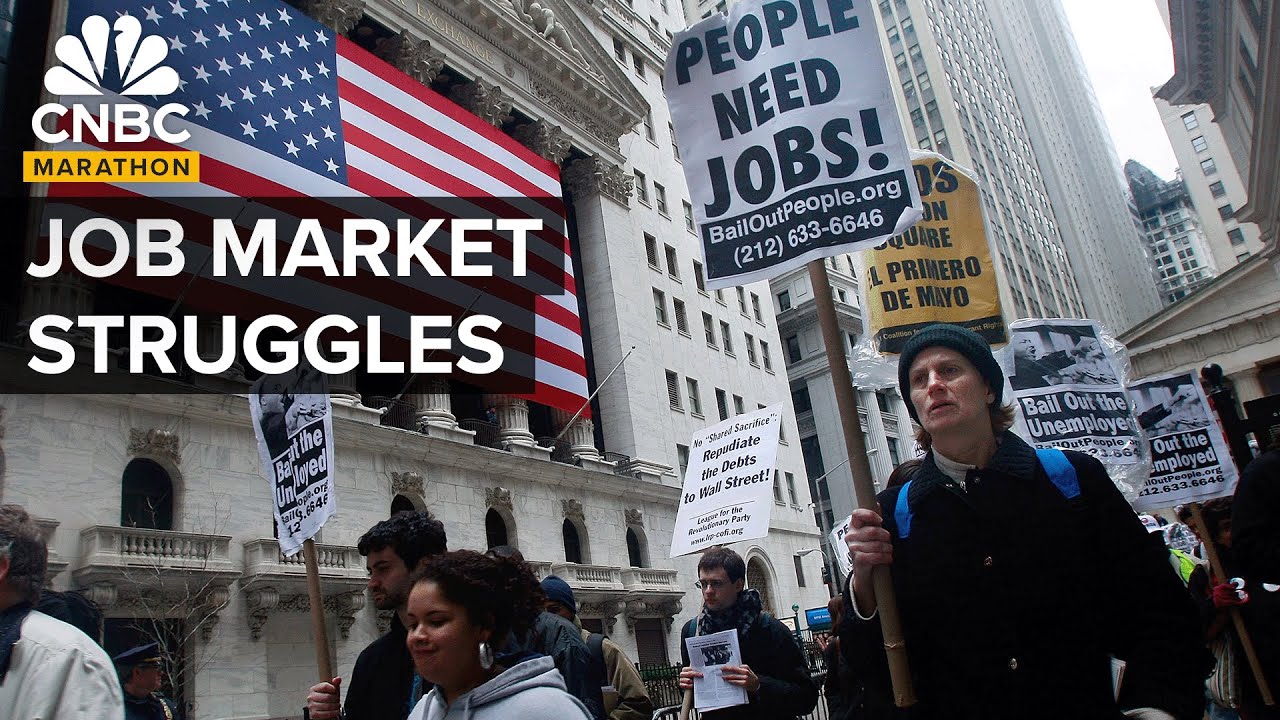
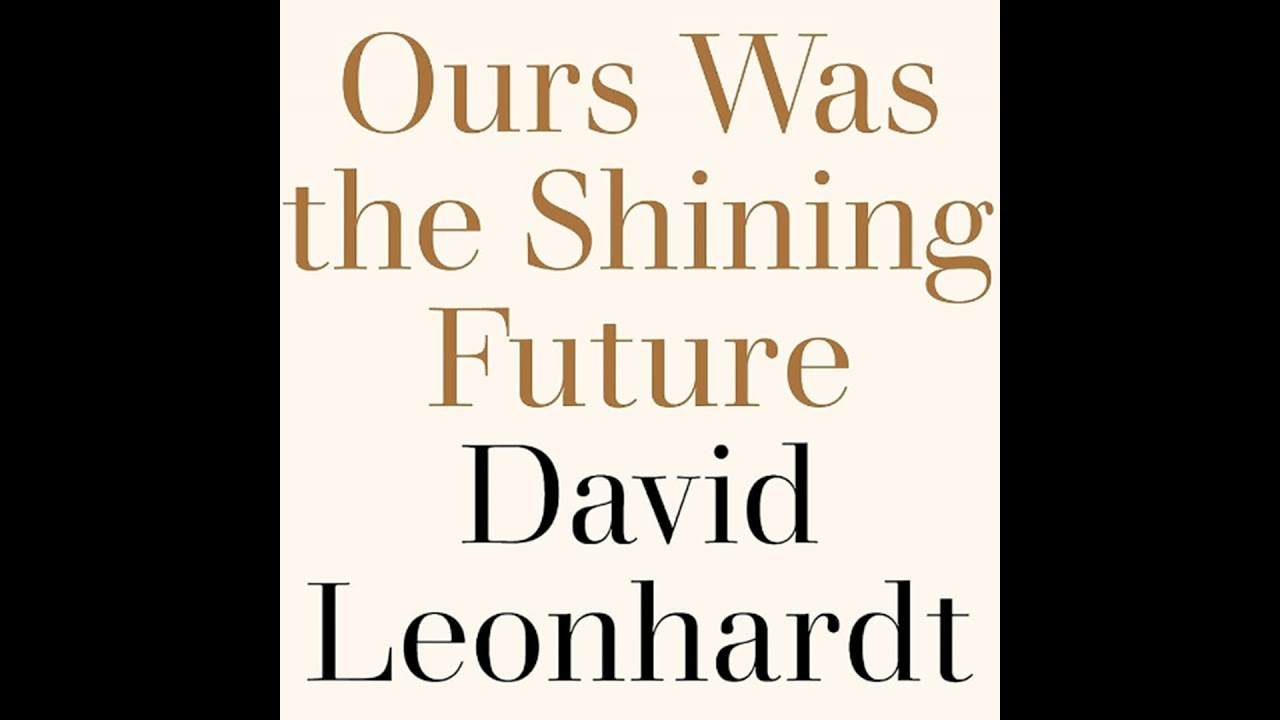
saving the American dream thousands of striking Auto Workers hold up signs with that slogan as they fight for better wages and better working conditions in their words they're fighting for the American dream David Leonard of the New York Times has written a history of the American dream in his new book ours was The Shining future it's not just a slogan the idea is at the heart of the political and economic debates we see on picket lines and at campaign rallies and David joins me now welcome David congratulations on the book Thank you I know there's
a whole book behind this idea but Define the American dream for us so it comes from a 1931 book which is remarkable because 1931 of course is the Great Depression in which an author named James truso Adams says it is the most important idea that the United States has contributed to the world which is that citizens of every rank can expect to have a better richer happier life that's the American dream when it was first defined and I actually think the way people think about it is remarkably similar still and how healthy was it post
truso Adams's definition and how healthy is it now well when he came up with the with the term there were all kinds of reasons to think that it wasn't that healthy but in fact it quickly became to be so 92% of Americans who were born in 1940 went on to earn more money than their parents did that's remarkable think about how many of these families would have endured a layoff or a Health crisis and yet still the vast majority across races 92% grew up to earn more money than their parents for young people today the
odds are roughly 50/50 according to academic research it's basically a coin flip that's so different for a society and that connects from being a campaign reporter with the idea that always candidates would say the next generation is going to be better than the one before it so you've brought it to concrete terms but that's the those are the numbers behind that that promise so how useful are political campaigns in being the place and the way through which people get the policies that would allow the American dream to continue yeah we obviously we're living in an
age when people are so cynical about politics as you experience when you go out on the campaign trail and I understand why people are cynical about politics I mean the statistics we've just talked about are one reason for people to be frustrated but I really think Americans shouldn't lose sight of the fact that actually the political system has a kind of amazing record of changing this country so whether it's the labor movement in the 1940s and 50s whether it's the civil rights movement in the 1960s the the the women's movement the disability rights movement more
recently the movement for marriage equality or coming from the political right the incredible Grassroots movement that changed abortion laws in red States and ultimately elected people to appoint different Supreme Court Justices so our political system is enormously powerful I think part of the problem is we haven't really had a movement from either the Democratic or Republican Party that's organized around trying to lift the living standards of most Americans and is that because so you've named the problem the problem is there and people feel it because we have um poll after poll that shows people feeling
like the economy is unfair they feel like they're not doing well is it because politicians aren't listening or that it is just more profitable as a politician to RI people up on cultural issues or on other kinds of issues and not these ones that you've put at the center of your book it's certainly complex right and politicians have a hard job but I think you put your your finger on something important there which is a lot of our fights really are about these cultural issues and look those are real divisions and I understand why people
feel so strongly about them but the result is we really don't have movements in this country that are significantly focused on trying to lift living standards of of particularly working-class people particularly people without a college degree the Democrats have increasingly become the party of college graduates and affluent professionals and the Republican Party really does still seem committed to this economic vision from the 1980s that really hasn't delivered the results that Republicans promised it would and I I so I think a big part of it is our focus is elsewhere rather than on doing things that
would really make a difference to most people's living standards now let me ask you about three pieces of legislation which might touch on on what you've written about which is the chips act the inflation reduction Act and the um infrastructure Bill are those aimed and and getting at some of the issues that you're talking about and is then a question of the work's being done people just don't recognize it I think those are important contributors I think when you look at some of the best decades and best years of economic growth we had in this
country they were in part because of huge Investments that we were making as a society bipartisan Investments right the FDR and Truman started some of them no president in the 20th century increased investments in the future more than Dwight Eisenhower a republican we really got away from that recently President Biden seems to recognize that and some of this legislation semiconductors infrastructure that you mentioned that is the kind of thing that really in the past has made a major difference for economic growth but it's not a cure all and so some of it is that it's
going to take a long time but other parts of it are we also have all kinds of other problems with tax rates um with people's ability to win raises in their jobs so I think those things in those in that legislation I think they're important and probably positive economically but they're going to take a while and they're not enough and a tiny bright spot in the sense that they were they were bipartisan some of them were yeah the infrastructure bill and the chips act finally the and quickly where do you see the opportunities for the
possibilities of mass movement and I mean do you see it in the the labor movements that we've in the labor strikes um and in the presidential campaign is there a way that voters can take their Camp campaign back as Bill Clinton used to say uh instead of letting it be about whatever the politicians want it to be about look labor unions are vital in historically there's nothing that gives people raises the way labor unions can labor unions are also flawed I've been in a labor union I had my frustrations with it but here's the way
to think about it corporations are also flawed and if you have flawed corporations that aren't being balanced by flawed unions you end up with a highly unequal economy so I think it's really interesting that more Americans are expressing interest in joining a union ultimately though I think a revitalization of organized labor in this country is going to take Law changes it's still too easy for companies that don't want their workers to join unions to do things that make it imp possible for their for their workers to join unions David Leonard thanks so much for being
with us David is the author of ours was The Shining future