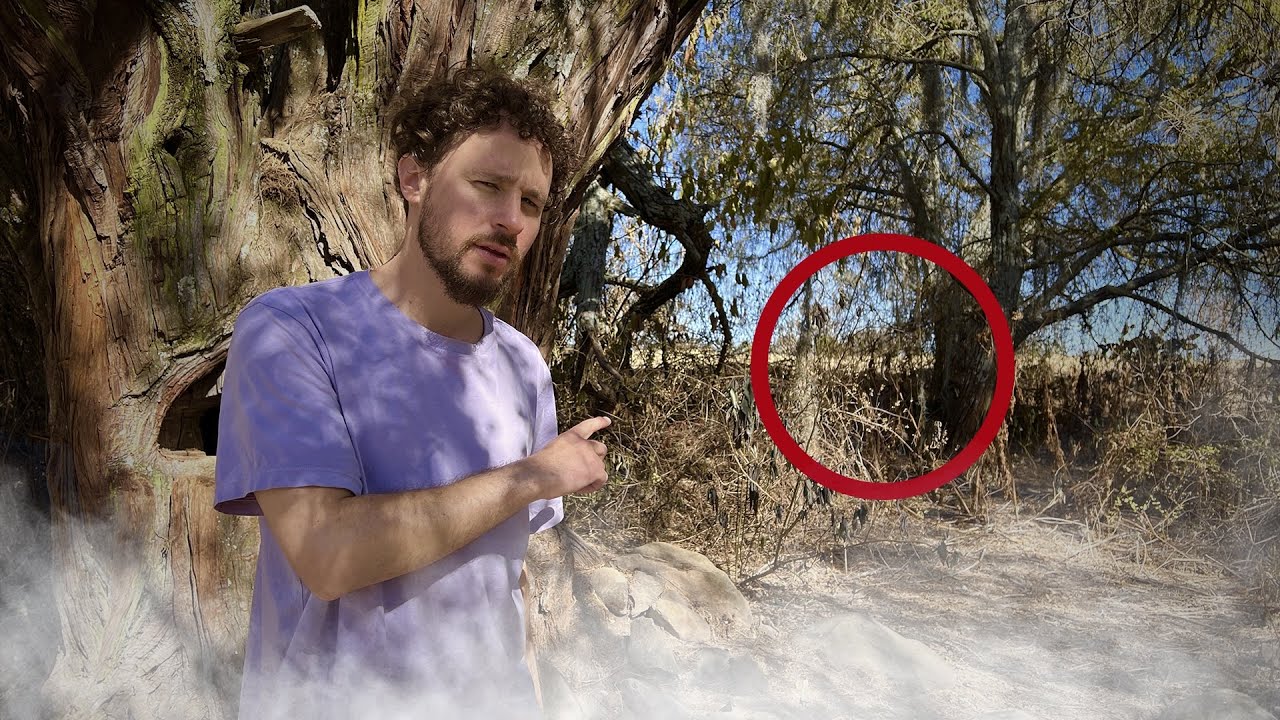
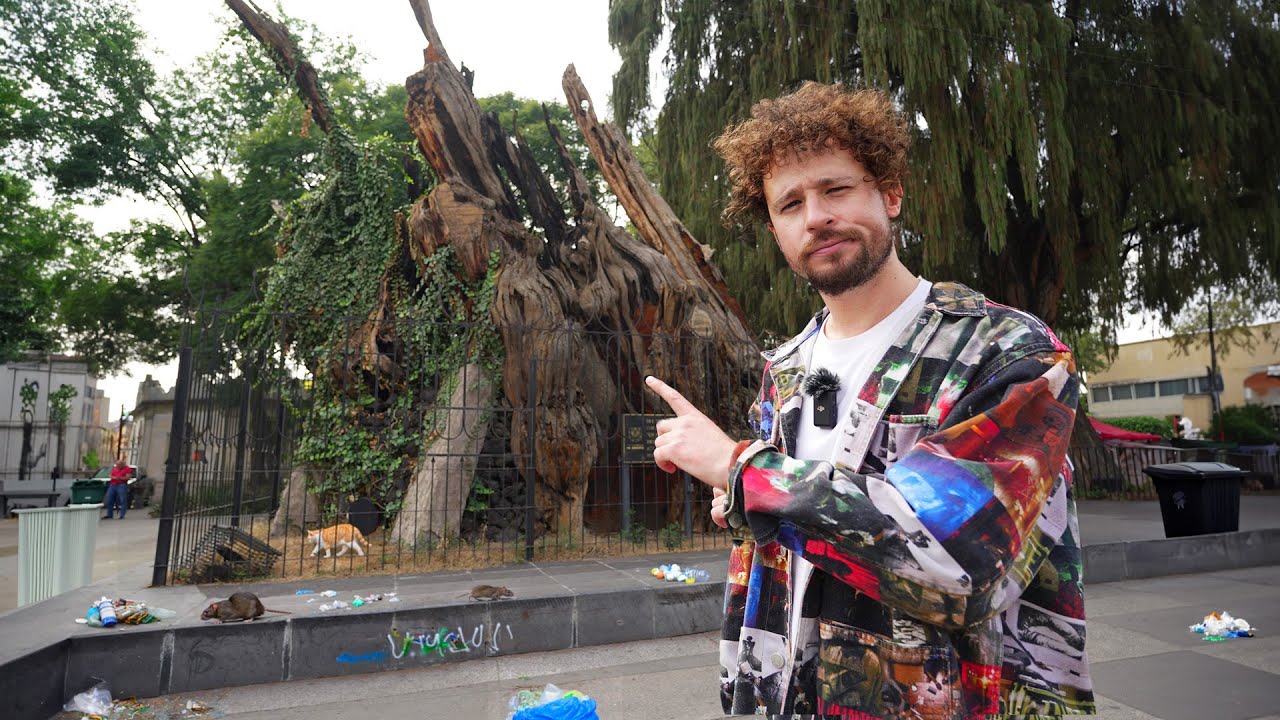
It is believed that this tree has grown so much because it is nourished by the dozens of exposed bodies lying in this cemetery, which helps to mask the smell of decay from the deceased. Today, we will talk about the disturbing Trunyan Cemetery in Indonesia. [Music] Trunyan Cemetery Bali, Indonesia Friends, we find ourselves in Bali, Indonesia, a destination well-known for its luxuries, paradises, and natural beauties, widely visited by people from all over the world.
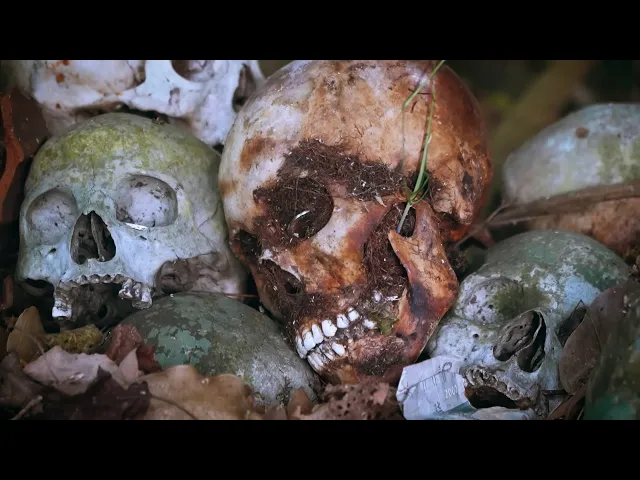
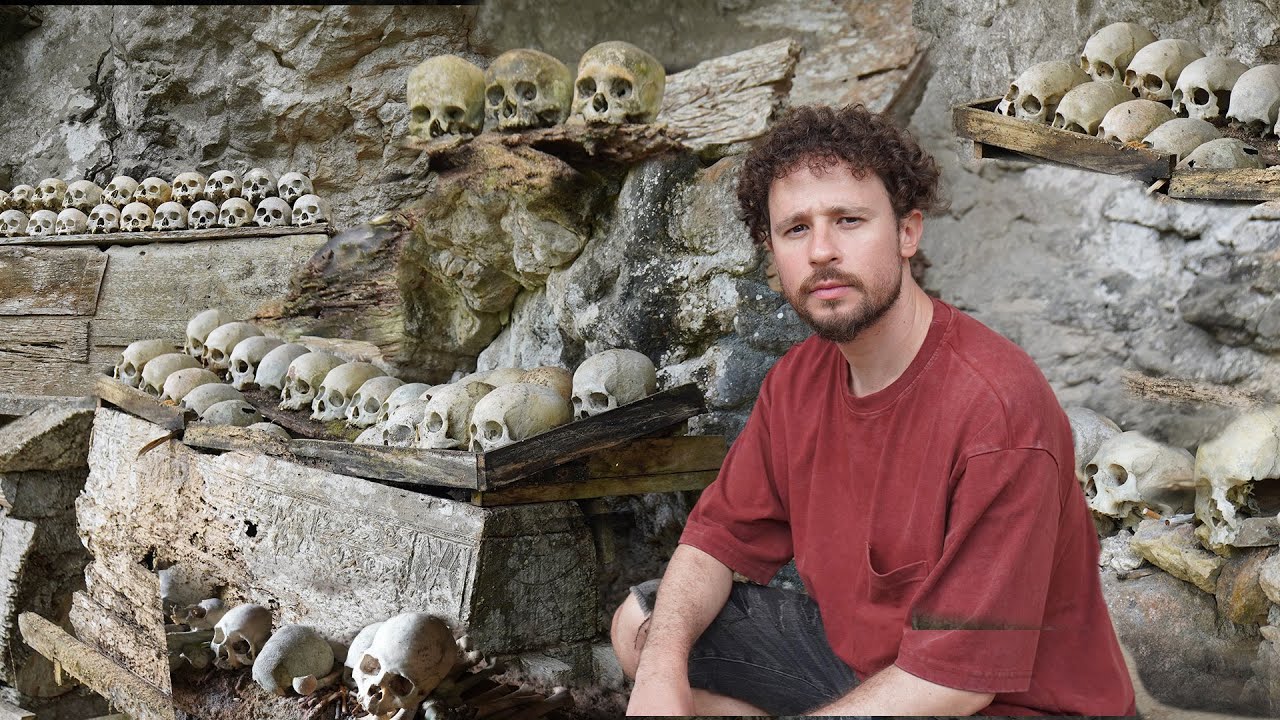
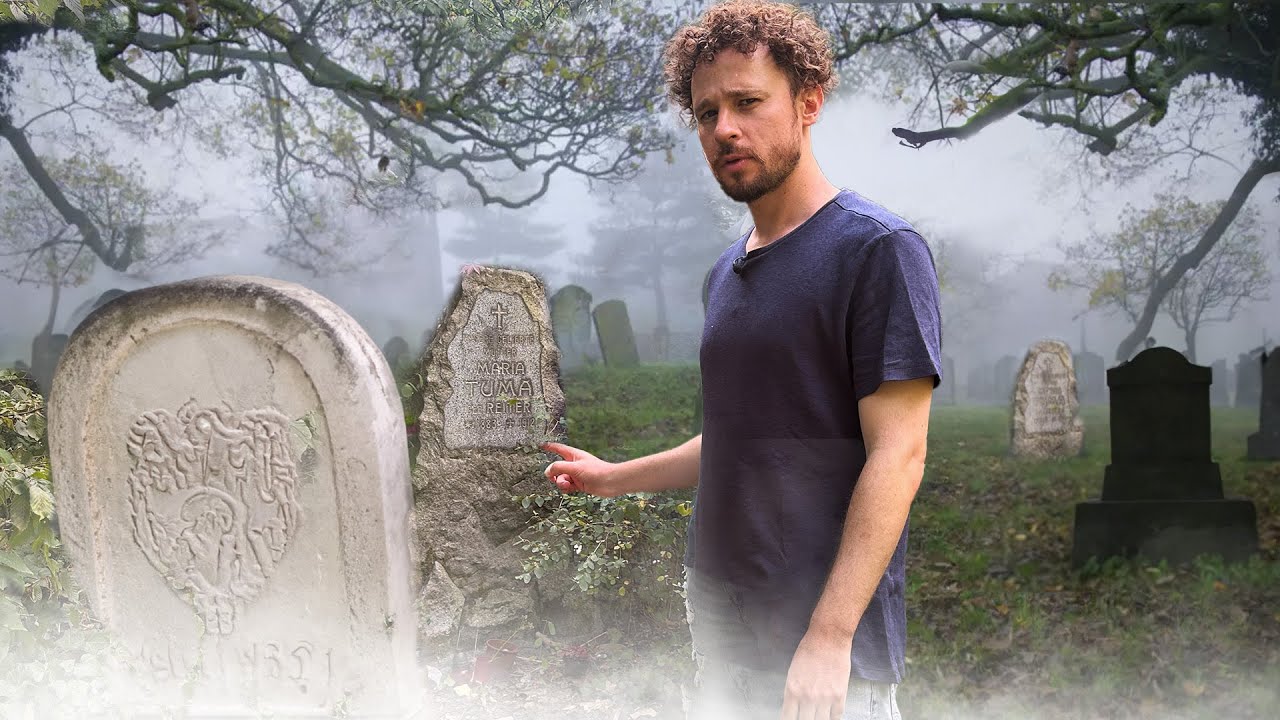
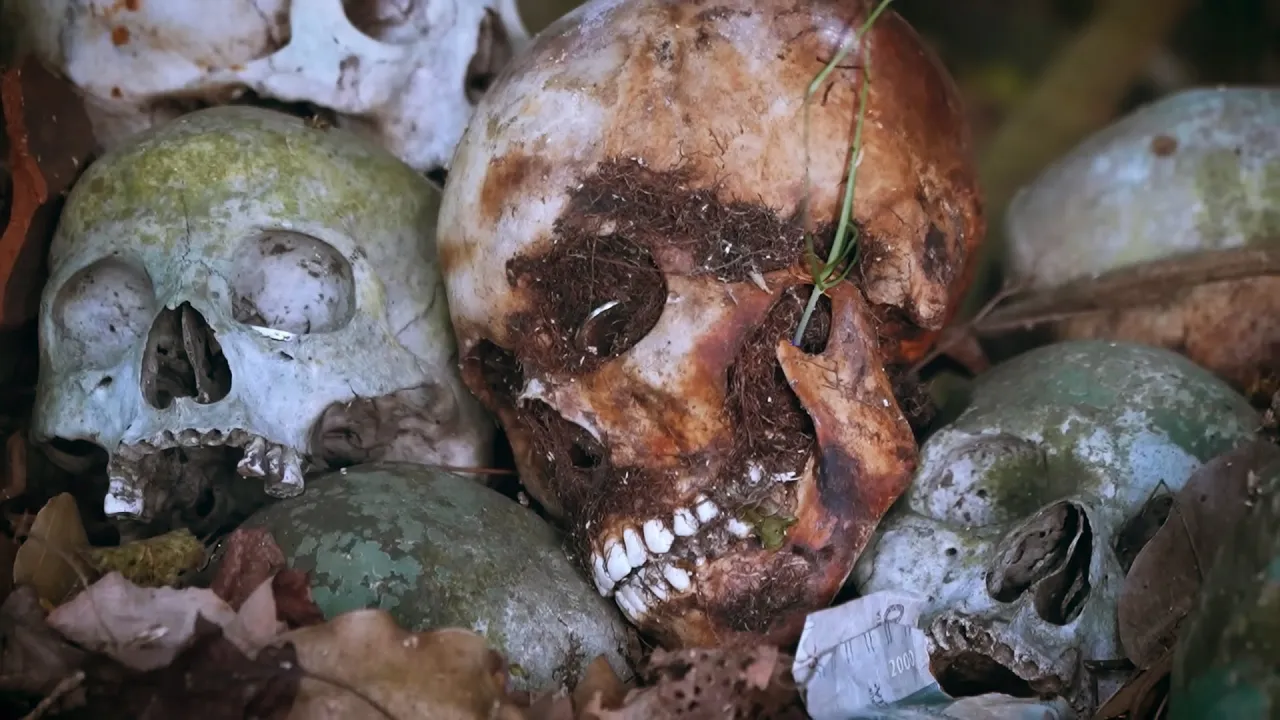
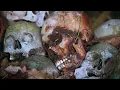
However, if we venture deep enough and move away from the big hotels and tourist attractions, we arrive at the intriguing village of the Trunian people, who have cemeteries where the bodies of their deceased are left exposed for nature to consume, completing a cycle of life. To this day, you can find dozens of skulls and hundreds of bones that belong to the village's people. Behind me, you can see the skulls of people who used to be placed here, and let me tell you a bit about why this happens.
We have to try to understand the mystical culture of the Bali Agar, who are the indigenous people of the Balinese villages. The Trunian people situated here are mountain people who fled from other Indonesian villages long ago when the great wave of Islam arrived. Many of these people believe in ancestral deities or are syncretic Hindus, so they had to flee their lands and settled around Bali.
These wooden houses that we see here. . .
Here, these are graves. In their culture, when a person dies, they are left exposed. They are not buried, not covered, not placed between mountains or in caves as we've seen in other areas in this series of reports.
Instead, they are left here, only covered by these cages, these bamboo houses, let's call them, which prevent monkeys from stealing their belongings. Because, as we've mentioned before, the culture of these people believes they need possessions in the afterlife, and this way, they won't be stolen, or their bones won't be devoured by wild animals. And wow, here in these graves, we can see people still in a state of decay, some with their teeth exposed, their feet decaying, an image that undoubtedly can disturb many.
The reason there's a lot of what we might call trash on the side, like plates, old clothes, baskets, is because it's believed to be very bad luck, very unfortunate, to take something from the cemetery home. We can even see money lying here, which people are very afraid to take because they think that if you pick up any of these things, you could have a fatal accident in the days that follow. There are legends of people who have taken money, cigarettes from here, and on the boat ride back to the other island, they have drowned, losing their lives by drowning.
Oh, by the way, it should be mentioned that getting here is not extremely complicated, but it's not the easiest either. You have to arrive by boat, perhaps travel for about half an hour to reach this island. Now, despite being surrounded by bodies that are clearly decaying, there's no strong smell, no odor of death here.
This is attributed to the tree behind me called Tarumenian. It's believed to have properties that emit a pleasant natural scent and absorb bad odors. It also has a sacred connotation, so the people of the village choose to leave their lifeless bodies here.
And well, this isn't something that was practiced a long time ago, even though it's believed that this cemetery is perhaps over 300 years old. To this day, bodies are still left here, and these photographs of deceased people prove it. The newest, most recent body is this one here, estimated to be about four months old.
Once the bodies fully disintegrate, they are moved to that step over there, where we can see the most recent skull, which still has some bits of skin and virtually intact teeth. The only reason a body would be removed prematurely to be placed on the step is if the number of corpses exceeds 11. 11 is the lucky number of good fortune for these people because they believe, and well, these are already superstitions, that if there are more than 11 bodies, catastrophes occur.
Pandemics have attacked the village, wild animals have come to attack them, they all fall ill, they start dying, and famines begin. That's why they don't take chances and keep the number at a maximum of 11. There are 11 bodies that we see here under the bamboo houses.
If we count those over there, of course, the number is exceeded, but let's suppose they don't count those because they are, let's say, sacred bodies. They belong to those representatives of the deities that go beyond, which is why their graves have more decorations and even more colors. Likewise, we see that in some places, they leave toys.
This is very likely for the children who have been left here, so they have something to play with in the afterlife. Because here, we could say they treat the dead the same way they treat the living. Similarly, we can see many baskets.
This is because during funeral rituals, they bring flowers, coins, and fruits. And, as I mentioned, it's considered very bad luck to take something back home, so they leave them here, and eventually, at certain times, when a lot of trash has accumulated, they come and burn it, turning everything into ashes because it's better burnt, better that it doesn't belong to anyone, than it could bring bad luck to entire families. [Music] The people here worship deities of the wind and stars, but undoubtedly their most significant deity is Batara Datonta, which is the Batur volcano.
They worship it because it can provide them with resources or cause their death. In the past, there have been major eruptions that resulted in countless deaths, so the locals prefer to appease it before it becomes agitated again. Perhaps that's also why the bodies are left here, as a way of returning the favors that the volcano has granted them, giving back its minerals and nutrients to the Earth, very similar to the beliefs we have on the other side of the world related to Pachamama.
Another thing you can notice is that people leave coins in the skulls, specifically inside their eye sockets. This is because there's a strong belief in seeking help from the afterlife, from the spirits. By leaving a coin, you are repaying a favor for something you are asking for.
You can also see that they tie white fabrics to the bones, symbolizing peace and purity. In this area in general, it's quite common to see clothing placed on inanimate objects, maybe on trees because it's believed that spirits are everywhere and they need to be dressed as if they were humans. Indeed, you can walk anywhere and see trees with large sheets wrapped around them.
If you treat the spirits well, they won't have a reason to rebel. If you disrespect them, great misfortune could befall your loved ones. So, in a way, we could deduce that this tree has grown so much.
Look at its roots, look at its colossal size, because it has been nourished by human bodies for over 300 years. Does it warrant it? Indeed, it does.
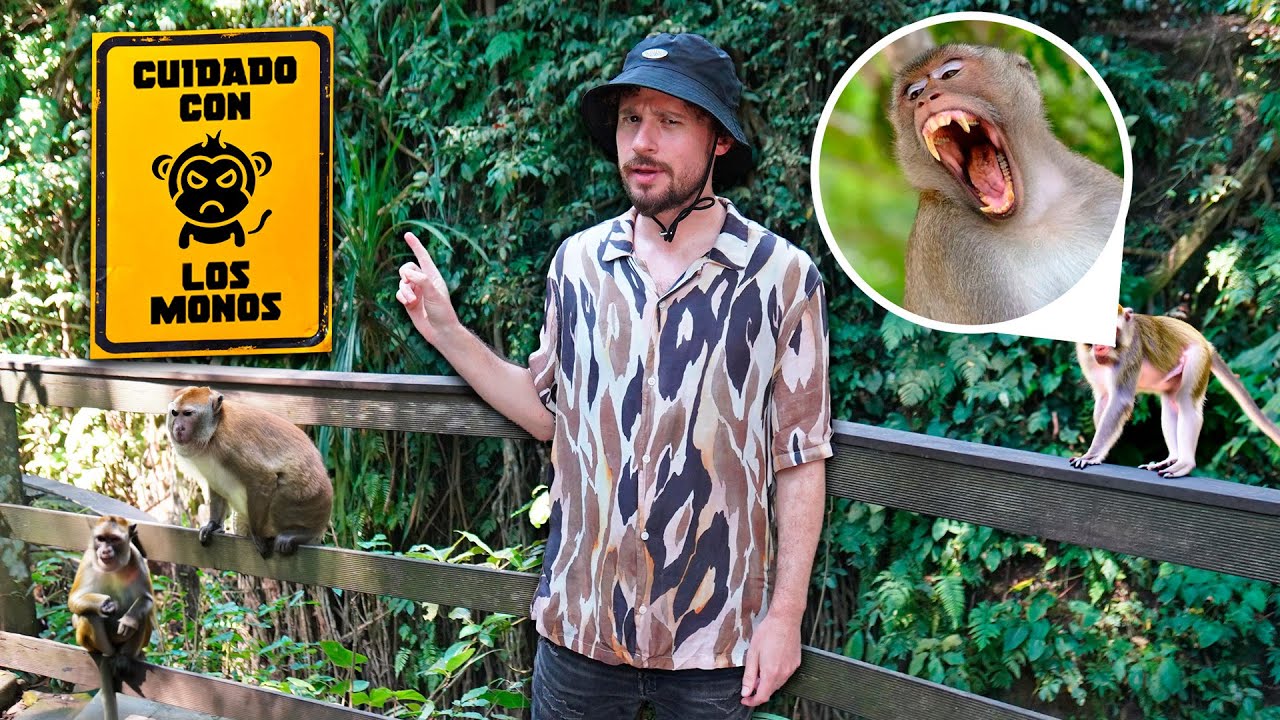
We are walking on soil that is constantly being nourished by lifeless human bodies. Quite a disturbing fact. Wow, if several monkeys arrive here, that explains, of course, why they cover the bodies.
Because yes, they would eventually disintegrate the bodies. I'm not sure if this is human hair, and honestly, I don't want to find out. In some parts, the tree is obviously cut.
Look here how there's a big chunk of wood missing. This is because, with so much mysticism and many legends, people tend to take wood for their own benefit, to perform some rituals, some of black magic, and others of dark magic. A physical testament to how old this place is can be seen in the holed coins lying on the ground.
I'm told that these coins were discontinued in the late 1940s. So, at least, they are obviously over 80 years old. But, I repeat, it's estimated to be over three centuries old.
Oh, and this is quite interesting. This site is a UNESCO World Heritage Site. Well, of course, it's a very unique cemetery, so it should be preserved and cared for.
It also explains why it has some tourist infrastructure because when a site is registered with UNESCO, it commits to being shown to humanity. It's the Heritage of Humanity. Those floating bamboo platforms we see behind me are actually used to transport the bodies from the village to the cemetery.
Every time someone passes away, they place them there and float them to perform the funeral ceremony. [Music] As you can see, the Trunyan cemetery that nourishes what we could call the "tree of death. " Disturbing or hopeful, fear or respect, it's undoubtedly to find, here in Bali, being such a tourist destination, I didn't expect to find.
Did you know about the existence of this place? Would you like to add any information? I'll read your comments below.
Thanks for joining me, I'll see you in a few days with a new video. Goodbye.