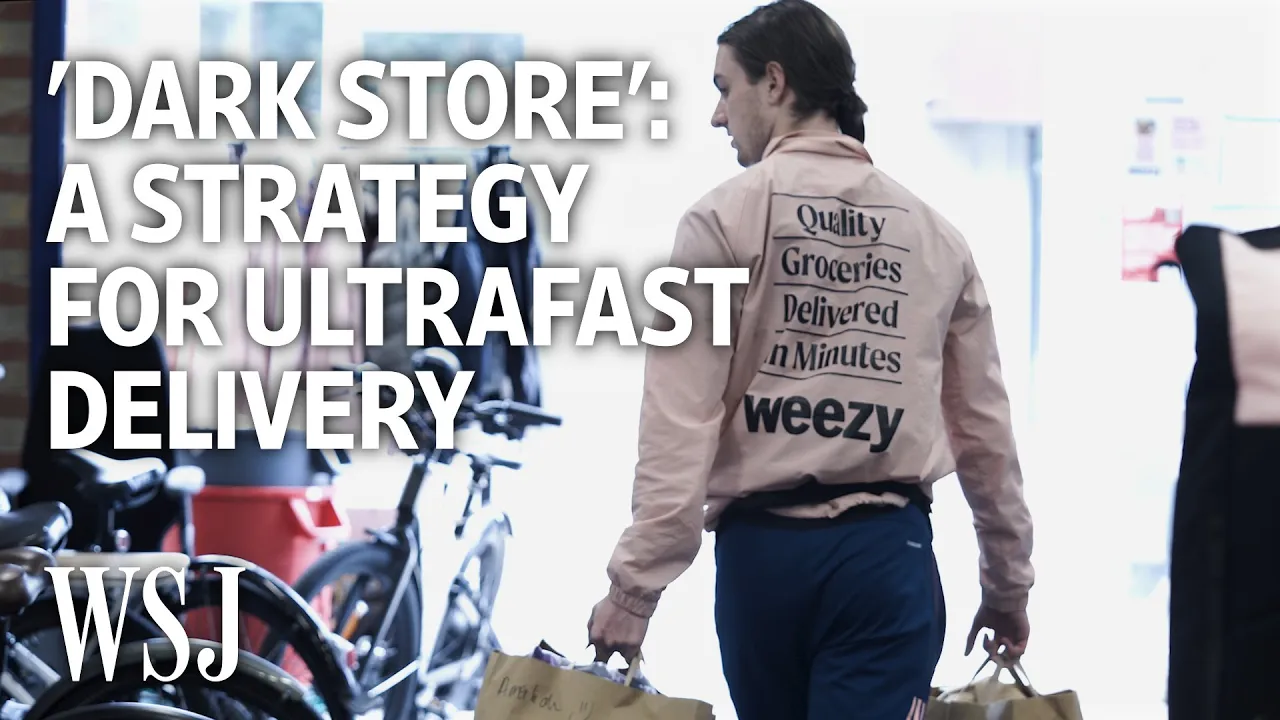
(pensive music) - [Staff Member] Order. - [Narrator] The race to deliver your groceries faster is speeding up. Demand for delivery services boomed during the pandemic, and startups in the US and Europe are now promising to deliver items in as little as 10 minutes.
- So instead of you walking to the grocery and all that, we are the ones that do that for you. - [Narrator] So how can they do so quickly something that often takes hours or even days? They're operating out of hyper-localized dark stores, or mini warehouses scattered around cities.
- I really think of it as a store that the customer just doesn't see and what they see is the app. - [Narrator] Gorillas is one of those startups that launched last year. It already has dark stores and a fleet of delivery workers in 40 European cities and in New York.
Investment in ultrafast grocery services lept several fold in the first six months of 2021. But super fast delivery means high operational costs in a sector that's really crowded with established players. And some analysts and experts are skeptical about whether they can make money.
- I don't see how it can be profitable. - There is this big overarching question of is this a sustainable business model? And with this level of competition, what does the future look like?
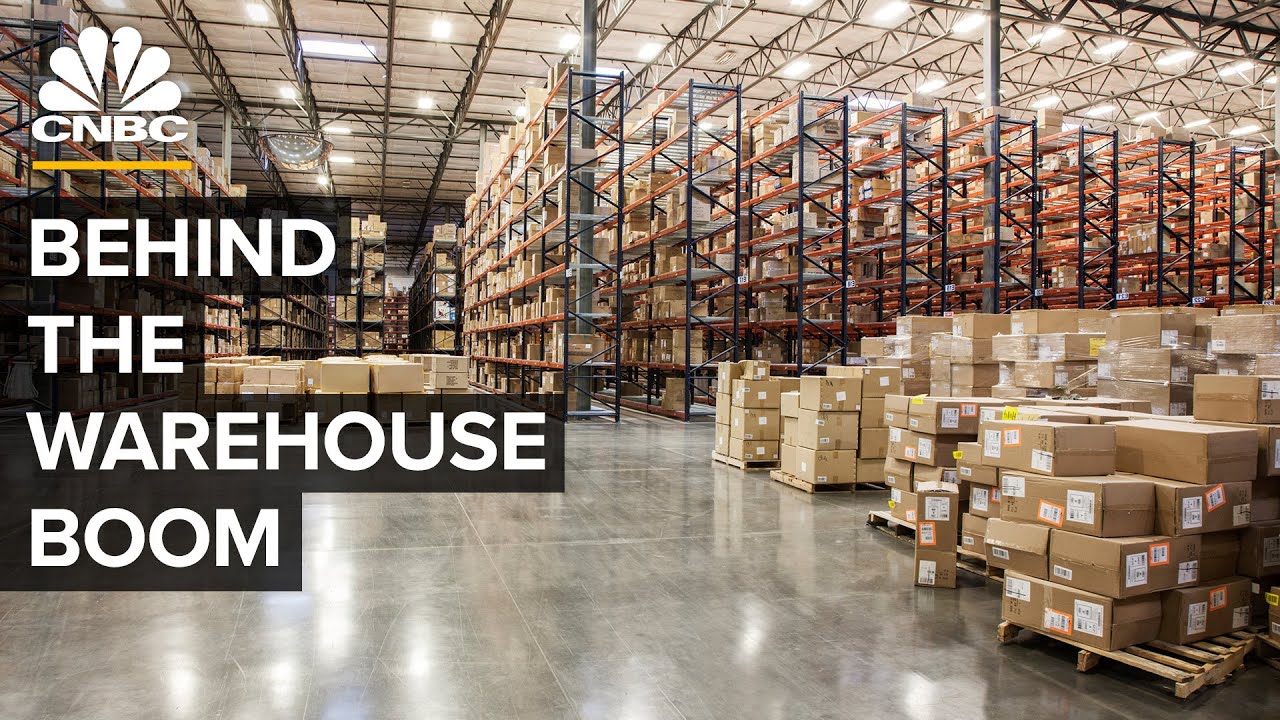
- [Narrator] We visited dark stores in London to see how these startups are pushing to deliver groceries in minutes, and the long-term challenges their businesses face. While many delivery companies operate out of big warehouses or team up with supermarkets, dark stores are small and localized, occupying between 2,000 and 5,000 square feet to carry fewer products. To use the service, a customer places an order through the app on their phone.
Staff at the dark store receive the order. (message dinging) - [Staff Member] order. - [Narrator] And quickly begin picking items, which are laid out in a way that speeds up the packing process, like grouping heavier items near each other so they can be packed first and won't squash fresh produce.
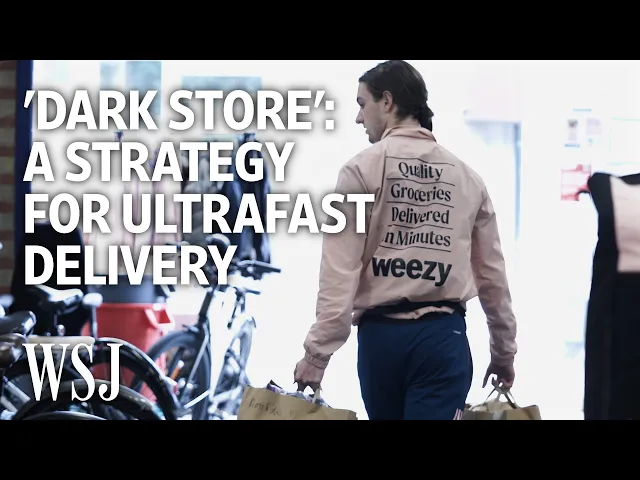
- If you're a pick packer in the warehouse, you hardly have to think, and you're simply going round 'cause everything is organized and under control through systems, et cetera, and that allows you to be very speedy basically. And then we come to you in minutes. - [Narrator] Alec Dent, CEO of UK-based Weezy says close proximity to customers is the main reason apps like Weezy and Gorillas can deliver so quickly.
Most dark stores are usually within a one to two-mile radius from households they deliver to. Grocery delivery sales have slowed since a peak during lockdowns last year when online ordering became a habit for many people. - This crisis accelerated grocery e-commerce, and this kind of gave us a chance, like a fast-start chance.
- [Narrator] And Gorillas says it still sees high demand for deliveries, even as economies reopen. - Last year was a crazy time I think, so it's difficult to say that this year's the same but from a consumers' preference and choice point of view, they still order as frequently as they did before. - [Narrator] Gorillas has amassed about 860,000 downloads worldwide on Google Play since its launch in May last year.
- It's another way of reducing traffic in stores. With time, I'm sure I might be the only thing happening later on. - COVID has shone a light into traffic patterns and how people move, and where they go for groceries, and what people expect in terms of convenience.
And a lot of these consumer behaviors aren't going away. - [Narrator] The last-mile delivery sector raised $16. 2 billion in venture capital funding in the first half of 2021.
- Our timing and our growth was super, super to the point, and it attracted multiple investors. - [Narrator] As of mid-2021, Gorillas had raised nearly $350 million in venture capital funding. Philadelphia-based Gopuff, which already has more than 400 dark stores across the US had received $2.
4 billion. But retail industry experts like Phil Lempert caution that the initial influx of investment isn't always a sure sign of long-term success. - Venture capital firms wanna invest in food.
They love food. Whatever the idea is, if you can combine food and convenience, they're gonna throw money at it. It doesn't mean it's gonna last.
- [Narrator] These companies say that in the future, they hope to make money from bigger orders but analysts warn that the growing competition on top of labor and transportation costs could hinder profitability. - The core challenge in my opinion of ultrafast delivery or rapid delivery is that it's fundamentally a very capital-intensive industry. It's a little bit of a departure from the Uber Eats, DoorDash software intermediary model.
- Every time you wanna open a warehouse, it's a new real estate lease that we're signing or a team that we're building or inventory that we're buying. And so I think a lot of our money and our capital goes towards that. - [Narrator] Companies like DoorDash in the US and Deliveroo in the UK, already known for their restaurant delivery services, have also partnered with large supermarket chains to bring customer grocery items in minutes.
And competition is only growing. Bigger players like online grocery giant Instacart are also planning to build out their own fulfillment centers and launch ultrafast services. - Grubhub and Deliveroo, their business model is different.
Their revenue is coming from various sources versus these startups like Gorilla and so on where I don't know where their revenue's coming from. - The key question for me is can these companies maintain their sort of pricing power as they face increasingly robust competition from others. You need to build a sustainable business model that's curated for local markets that can stand on its own once the VC money dries up.