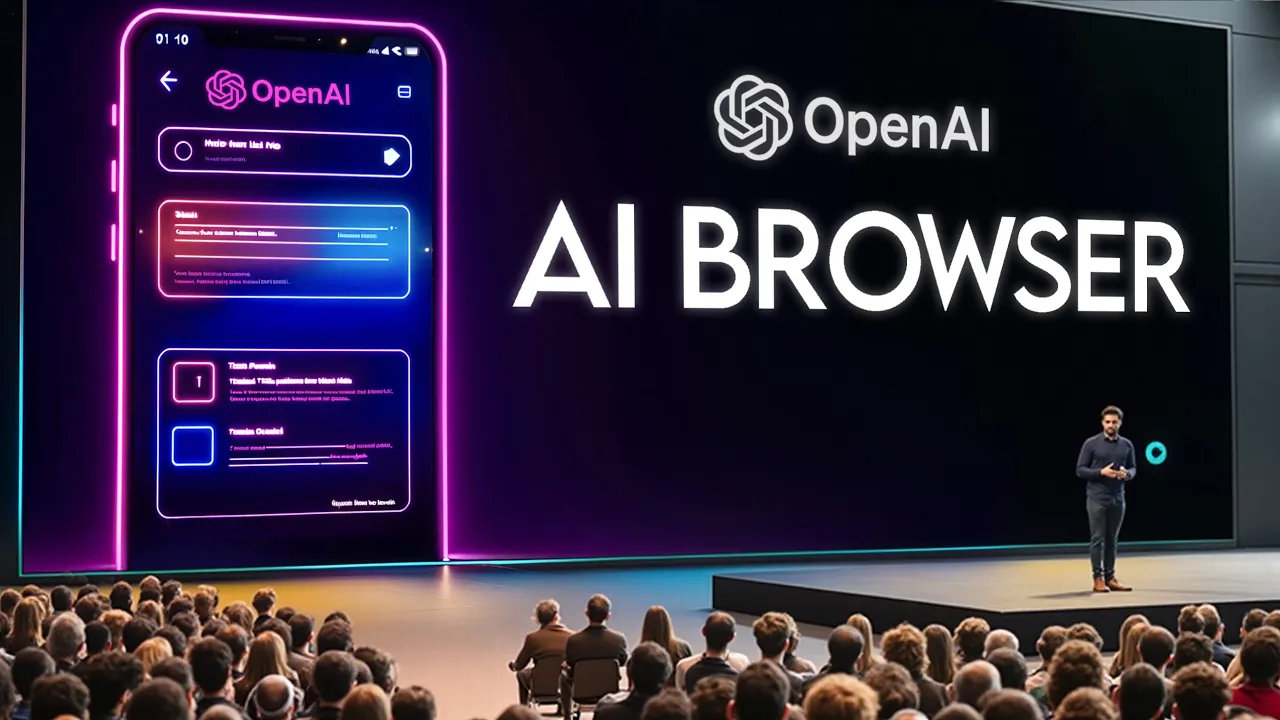
[Music] OpenAI and Google are locked in what Rowan Chung has called the ultimate nerd battle for AI dominance, constantly trading blows to claim the top spot for their chatbots on performance charts. This fierce competition has sparked some of the most rapid advancements in AI we've ever seen. Amid this high-stakes showdown, OpenAI is taking an extraordinary step by exploring the development of its own web browser.
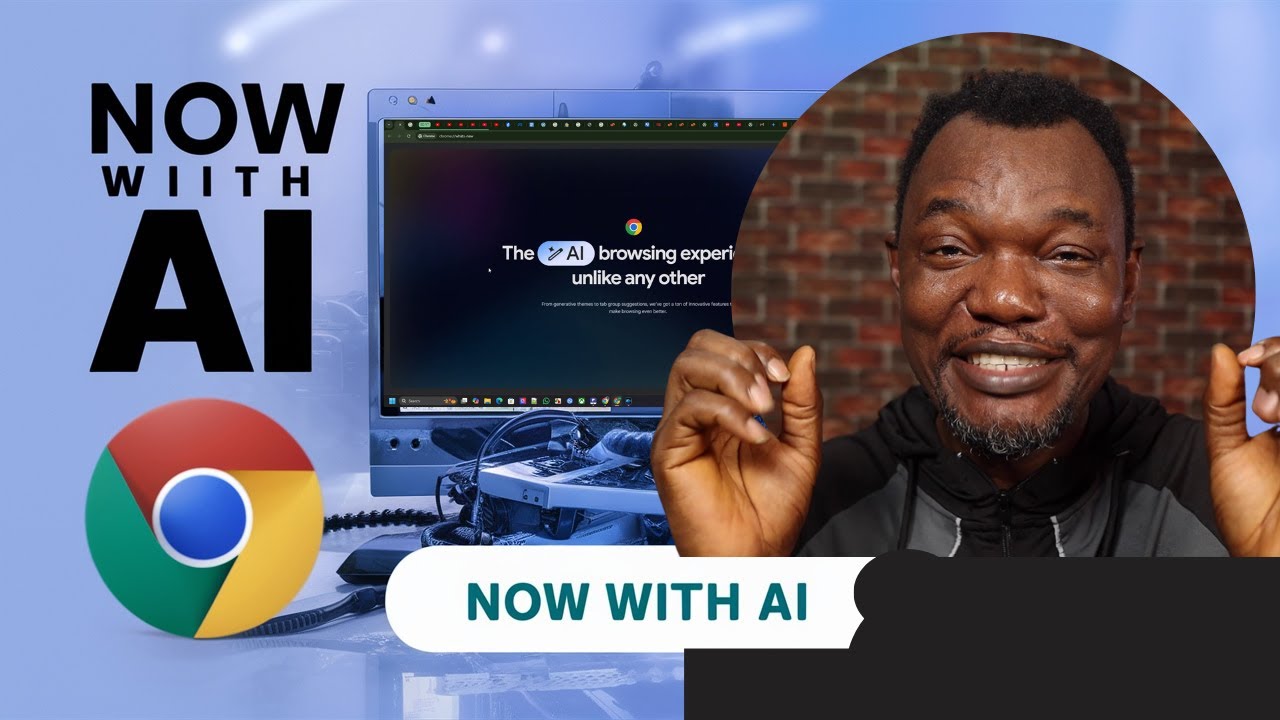
This isn't just about entering the browser market or competing with Google Chrome; it's about redefining how we interact with the internet. OpenAI's vision goes beyond the ordinary, aiming to integrate ChatGPT directly into the browsing experience, making online navigation smarter, more intuitive, and tailored entirely to the user. Reports suggest that OpenAI has discussed prototypes of this browser with companies like Kast, Redin, Eventbrite, and Priceline.
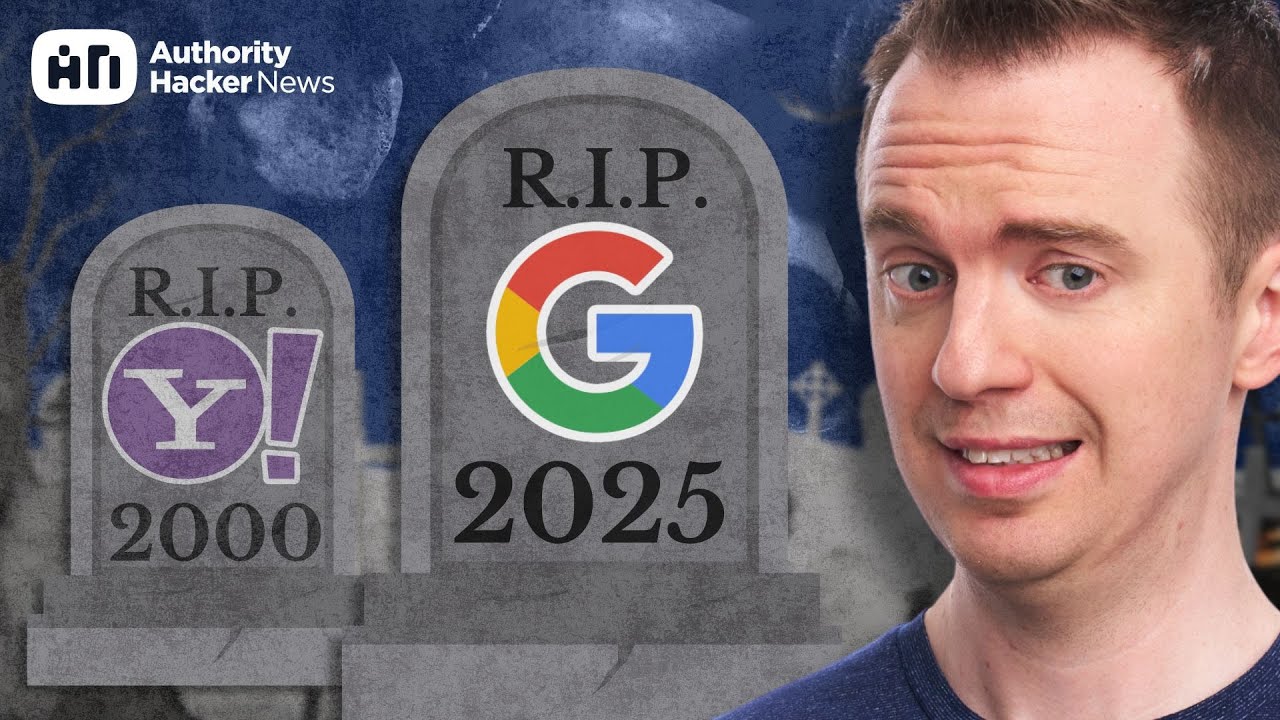
While it's still far from being a finished product, these discussions signal that OpenAI is serious about moving in this direction. Unlike existing browsers, which often rely heavily on ad revenue and serve search results cluttered with links, this AI-driven browser could focus entirely on the user experience. It's a bold move, especially when you consider the dominance of Google Chrome, which holds an estimated 63% of the global browser market.
However, cracks in Google's stronghold are starting to show. The U. S.
Department of Justice has raised concerns about Google's monopolistic practices and even suggested that the company might need to sell Chrome to reduce its control over online search. This creates a rare opening for competitors like OpenAI to step in with innovative solutions. OpenAI's approach isn't just about providing an alternative to Chrome; it's about fundamentally rethinking what a browser can do when AI is at its core.
This exploration of a browser ties closely to OpenAI's advancements in search technology. Their Search GPT product is already challenging traditional search engines by offering direct, source-cited answers instead of relying on the familiar page-after-page results format. By cutting out the middleman, Search GPT eliminates the need for users to sift through irrelevant information.
This shift prioritizes efficiency and accuracy, contrasting sharply with Google's ad-heavy model that relies on users engaging with sponsored content. However, Google isn't taking this challenge lightly. Their own AI chatbot, Gemini, has been a key part of their strategy to counter OpenAI's growing influence.
Since its launch in 2022, Gemini has been evolving rapidly. Its most recent update, Gemini X1. 1, reclaimed the top spot on the LMM Swiss Arena leaderboard, a platform where large language models are evaluated anonymously.
OpenAI's GPT-4 update had previously taken the lead, but Gemini's latest improvements quickly closed the gap. This constant back-and-forth between OpenAI and Google underscores the intensity of their competition, with both companies racing to outdo one another in terms of innovation and user experience. OpenAI's November update to GPT-4 has been a game changer in many ways; it focuses heavily on creative writing, making the AI's responses more natural, engaging, and tailored to individual contexts.
Users have praised the update for its ability to produce content that feels human-like, whether it's for storytelling, professional writing, or even academic purposes. The update also significantly boosted the model's speed, increasing its token output rate from 80 per second to 180. This improvement makes the AI not only more powerful but also more efficient, particularly for users who rely on it for time-sensitive tasks.
However, these advancements came with a tradeoff: GPT-4's math benchmark score dropped from 78% to 69%, indicating that the focus on creativity may have slightly reduced its technical precision. Despite this, the update has been widely embraced, especially by those who prioritize the AI's enhanced ability to generate fluid, coherent, and context-aware content. Beyond speed and creativity, the updated model also excels at analyzing uploaded files, offering users deeper insights and more detailed interpretations.
These capabilities make it an invaluable tool for professionals in fields like research, education, and project management. The growing popularity of ChatGPT speaks for itself; the platform now boasts 250 million weekly active users, with 5% to 6% of free users upgrading to the paid version. This substantial user base highlights the tool's relevance and value in an increasingly AI-driven world.
OpenAI's focus on improving user experience is clearly paying off, cementing its position as a leader in the AI space. OpenAI isn't just advancing its technology; it's also expanding its reach through strategic partnerships. One notable collaboration is with Apple, where OpenAI's technology powers several Apple intelligence features.
This partnership seamlessly integrates advanced AI capabilities into Apple's ecosystem, enhancing the functionality of their devices. Meanwhile, reports suggest that OpenAI is also in talks with Samsung to bring similar features to their devices. If successful, this partnership could significantly disrupt the balance of power in the Android ecosystem, where Google has long held a dominant position.
OpenAI's approach to content partnerships is another area where they're making waves. Earlier this year, the company teamed up with Hurst to integrate credible, well-sourced content into ChatGPT. This collaboration ensures that users receive accurate information, complete with citations and direct links to original articles.
Such partnerships address common criticisms of AI-generated content, enhancing transparency and trustworthiness. While OpenAI continues to innovate, Google is leveraging its vast resources to maintain its competitive edge. Gemini's recent updates have made it more capable of handling complex queries and creative tasks, putting it on par with OpenAI's offerings in many areas.
The rivalry between the two companies is driving rapid innovation, benefiting users who now have access to more advanced and versatile tools than ever before. These developments signal a broader shift in how we interact with technology. OpenAI's focus on delivering ad-free, user-centric search and browsing experiences challenges the traditional models that have defined the internet for decades.
Successful, this approach could fundamentally alter how businesses and consumers engage with online content, moving away from an ad-driven revenue model to one that prioritizes usability and relevance. The implications of these advancements extend far beyond just the tech-savvy crowd. Tools like ChatGPT and SearchGPT are becoming integral to how we work, learn, and connect.
OpenAI innovations are setting a new standard for what users can expect from AI, making interaction smoother, more intuitive, and more effective. These changes aren't just about making technology smarter; they're about making it more accessible and impactful for users. This is an exciting time.
The tools being developed today are more than just conveniences; they're shaping the future of how we navigate and interact with the digital world. OpenAI's efforts to redefine search, improve AI capabilities, and explore new applications are paving the way for a more intuitive and efficient online experience. Meanwhile, Google's continued investment in Gemini ensures that the competition remains fierce, driving both companies to push the boundaries of what's possible.
This isn't just about rivalry; it's about transformation. The advancements we're seeing today represent the beginning of a new era in technology, one where AI plays a central role in shaping our interactions with the digital world. OpenAI's bold vision and relentless innovation suggest that they're not just competing; they're leading.
The road ahead is filled with challenges, but if the past few months are any indication, OpenAI is more than ready to face them. All right, let me know what you think in the comments, and if you enjoyed this, make sure to like and subscribe for more AI updates. Thanks for watching, and see you in the next one!