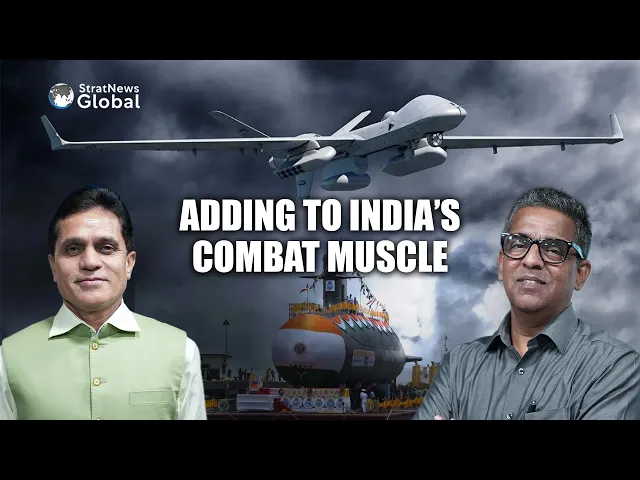
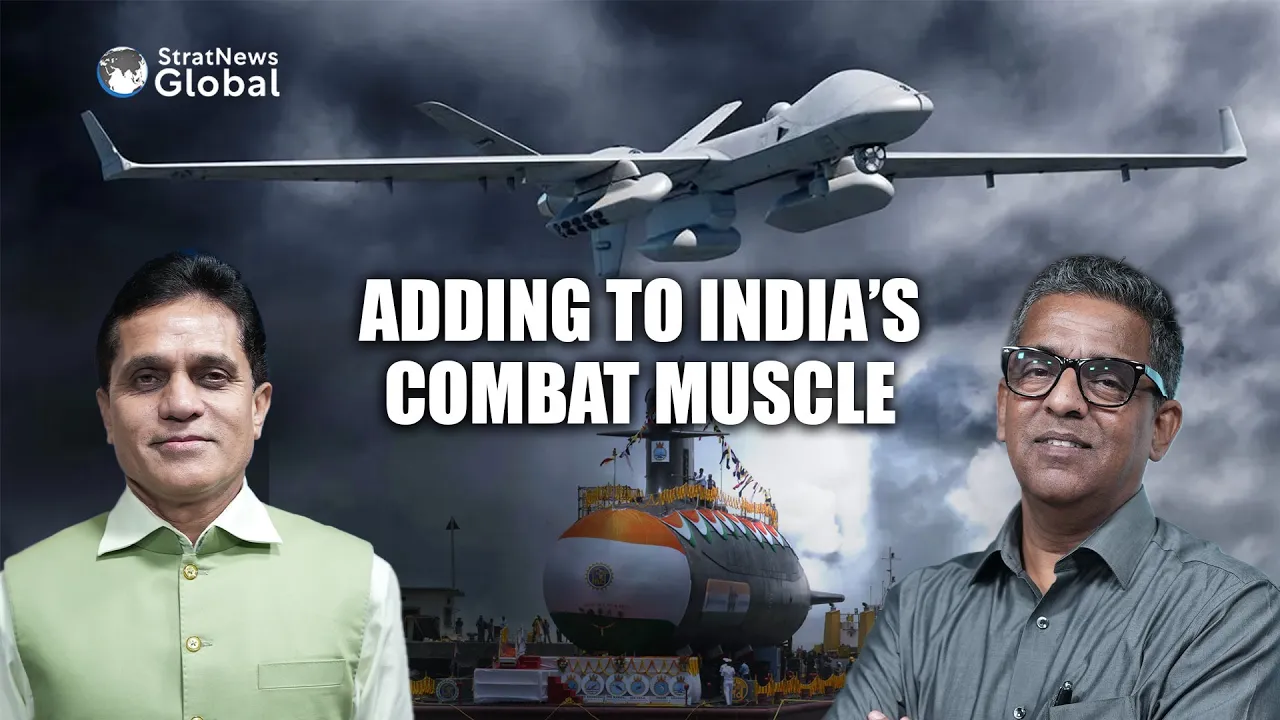
you are on Strat News global I'm natin [Music] gole Wednesday marks a significant milestone in the Indian Armed Forces acquisition history because the cabinet committee on security has cleared two important Acquisitions of two platforms for the Indian Navy in particular but also for the Indian army and the Indian Air Force which will enhance the combat Effectiveness or combat capabil of the three armed forces for future current and future needs uh with increasing aggression from China these are the platforms that were needed and to discuss the uh importance of uh the this decision as well as
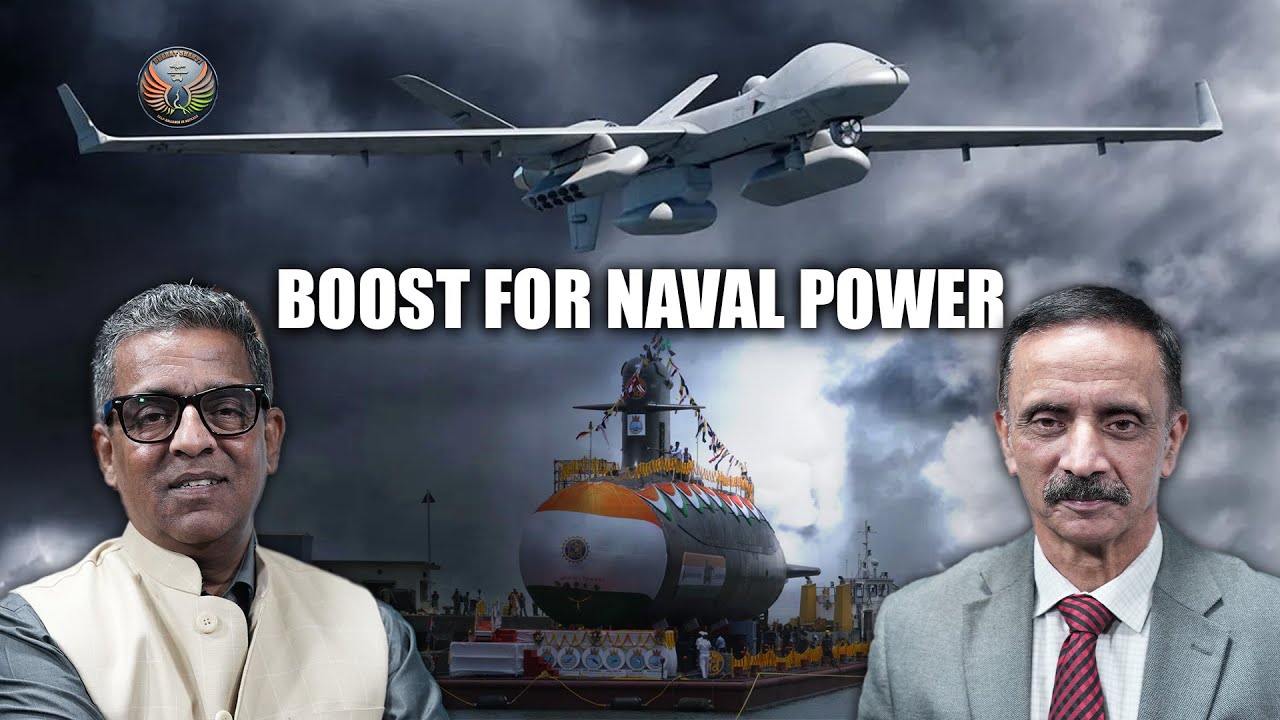
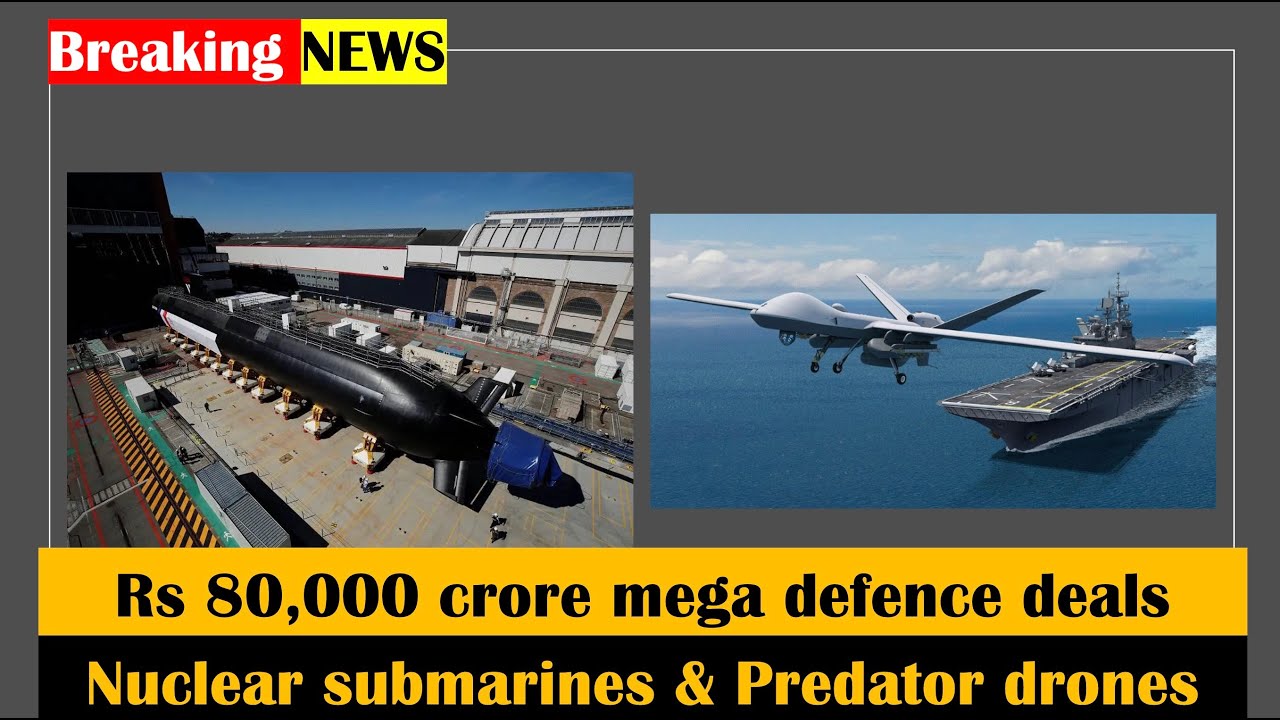
what these platforms bring to the table I have with me vice admiral Satish Gare former Vice chief of the Indian Navy now consultant and a strategic thinker thank you very much for your time Admiral gormar for coming here and now deciding to speak with us thank you Nan thank you for I it's a proud privilege to be here thank you so uh the cabinet committee on security as we know on Wednesday has cleared uh the acquisition of uh the mq9b Predators to be sourced from General atomics the US company uh and of course to nuclear
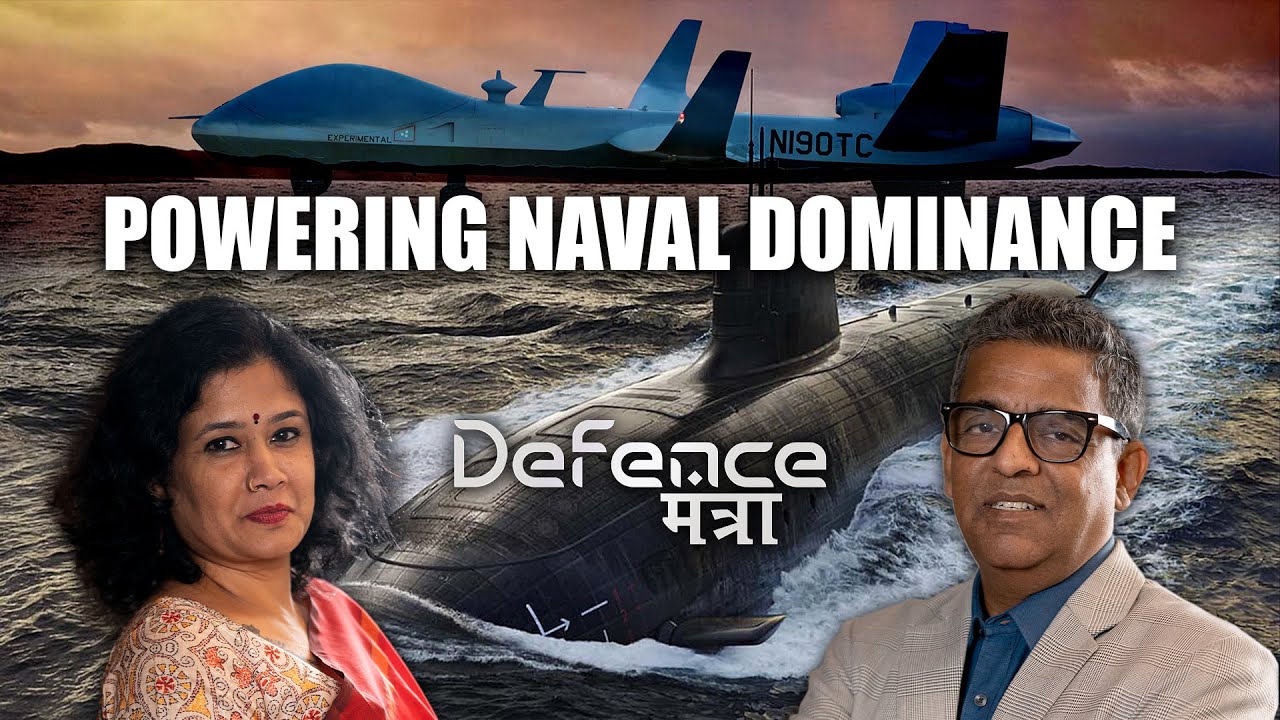
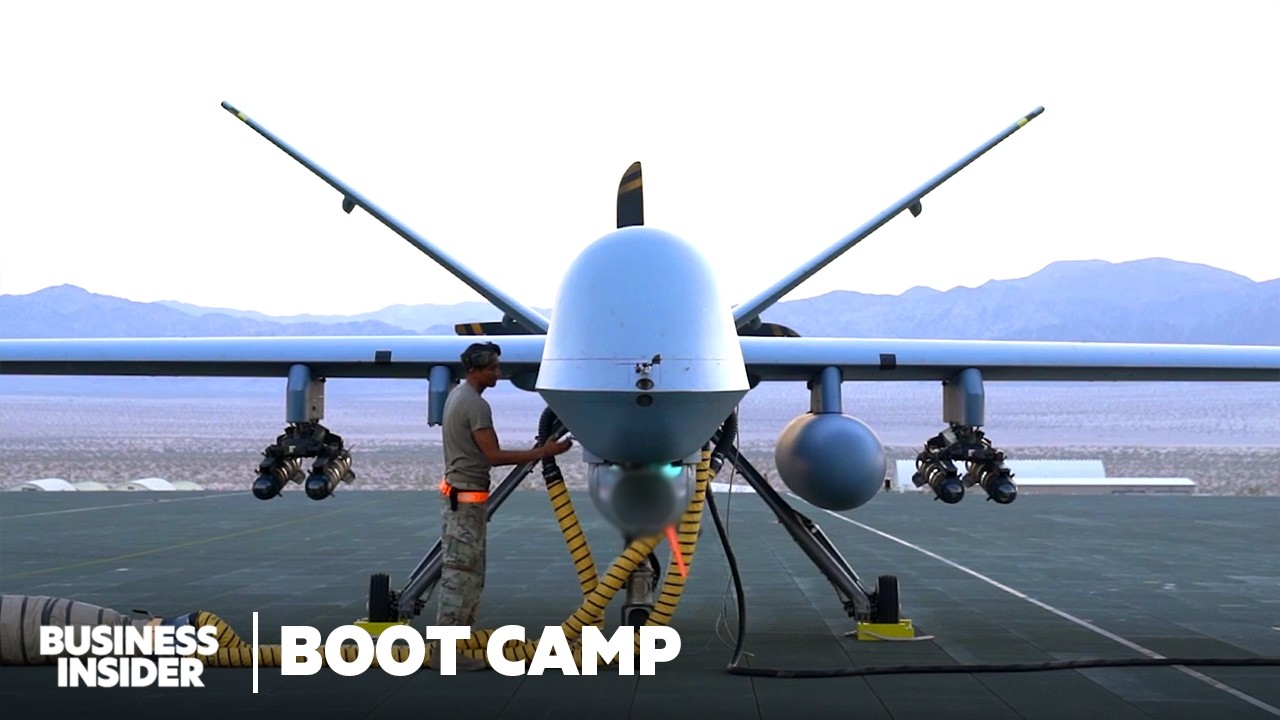
propelled attack submarines which we will you know sort of I'll ask you to explain to our viewers what what do they mean but let me start with the Predators and their importance because uh the Indian Navy when you were yief was also operating an mq9 I think for surveillance yes so what has been the experience of the Indian Navy and what do these machines bring to the table uh firstly these Predators or sea Guardians are really a great or huge capability it gives a huge capability on surveillance firstly on the vast Maritime area which we
have our primary area of operations for the Indian Navy end from the east coast of Africa Persian Gulf and up to South China Sea right and down below up to Australia so therefore this is a vast and huge area to keep this under surveillance where almost one lakh ships move daily all combat as well as civilian Merchant ships and therefore this amount of traffic to Monitor and this amount of area to monitor you require capability this uh capability it provides an endurance of 36 hours M and height of 30 to 40,000 and it gives you
accuracy of positioning and the maritime domain awareness which really helps our build our picture and be aware of what's happening in our area so the maritime domain awareness becomes clearer exactly uh also uh for the Indian Navy perhaps this also saves or optimizes the cost effectiveness of the platform uh that you use for surveillance because earlier you would have been sending ships as opposed to these areas Southern Indian Ocean to South China Sea otherwise exactly exactly so we have we have Mission based deployments which started in 2018 where we deployed a ship each in various
choke points and areas but this sustain and that area of operation would positively be limited and comparatively much more expensive like you brought out so much cost effective option and even deploying our PTI aircraft requires uh the the cost is much more than deploying and also if I'm not mistaken and please correct me if I'm wrong that pis are primarily anti- submarine weapons ex platforms anti submarine platform main role is MW and therefore their major role is for anti-mine Warfare they are used in surveillance in addition actually exactly so I think here you are using
them for primarily for surveillance surve most of the time because of the lack of capability so that means it fills the Gap now this fills the gap and these numbers are adequate the 15 for the Indian Navy if IND 15 are adequate to meet our present day requirement and to requirement till we build our own capability and I think the whole purpose would be to build an our indigenous capability and it meets the requirement of the army and Air Force 8 each for the huge land borders which we also need surveillance so they are called
Sky Guardians if exactly those two eight eight each which will come each will come that right and uh so uh just explain to us the uh importance of having this high altitude long endurance hail um uavs or Predators as they are called for the operational uh requirements of the Armed Forces so let's take the Navy for instance you mentioned surveillance vast area of surveillance but uh Predators also are they called Predators because they also have armed capability capability and what are those capabilities that they would have no they have they are able to carry the
weapons of AR and in in addition of course EO IR surveillance which helps them EO is electronic elect electrooptical and INF infrared so therefore these capabilities actually add to this thing and locating and then pinpointing once you pinpoint then you can launch uh a missile accordingly which is on board which is on board okay so it's almost like an aircraft it's like a fighter aircraft a except that it's not a man aircraft it's not Mann and it's got un endurance which is much more than an aircraft than an aircraft okay and also it helps that
you don't lose a man in case but it's a it's a usually expensive machine uh also because from what I read in the papers that it's going to be costing India nearly 28,000 crores or $3.3 billion exactly um but it's worth it right it is worth it it is worth it because of the capability required because of the operations which we require and we are are aware what is happening in the world around at present the situation in West Asia is derating badly is continuously there's Russia Ukraine going on something in ch South China is
brewing up and at this time if Indian Navy or India was particularly must have this capability so that it deters anyone else to uh do anything wrong in our area right and in the case Indian Ocean is India's backyard India's primary responsibility exactly so um one of the things that comes out from this discussions and literature that one uh reads is that uh the uh three other quad countries where India is a member also have these Predators exactly which will bring in very smooth interoperability that's very important we will actually the uh deal this particular
uh approval also looks for a global Maritime mro which will be maintenance and repair and overall Center to be set up here so the aim would be to create an M Hub in India okay where we could uh service maintain the uh the Predators and this will help that all the countries like-minded countries who are going to operate these we can also operate in this part of the region and it will actually help the Americans themselves to operate their uh to Service uh their uh Predators which are deployed here and that brings in firstly more
so sense of indigenization we have more people being employed in this and they learn about this and future in future it will help us to create our own capability and an ecosystem tier one tier two exactly it will create compl that's right and uh there is likely to be from what I hear is that there's going to be a separate uhou with Dro for further development where the general atomics company will provide expertise and consultancy to Dro that would mean that if Dro wants to in conjunction with private companies wants to develop U let's say
again hail the High Altitude long endurance uh in India yeah this will come in handy yes very much very much and this is part of the offset obligation in this particular case and in this case there will be the whole I think the discussions have gone on for a long time corre to get this particular transfer of technology or which expertise which will get through right and I think Dro along with a private agency synchronization and in working together I think we will be able to uh build this capability I'm sure about that so I
think that's one good decision after almost 6 years of tortured negotiations if I call it six or eight I don't know it's a great DEC to my memory it's about 6 to 8 years I'm sure you've seen through very closely what what was happening in this when you were in the chair of vice vice Chief but let me move on to uh the other decision or the other approval that has come in is to build to begin with two uh what they call SSN so if you can explain what SSN means to our viewers so
that it's easier to then discuss what they will bring to the Indian Navy yeah this summar are nuclear power the propulsion is nuclear but they carry conventional missiles okay and so this actually gives this submarine unlimited endurance only limited by the Machinery the fatigue of the crew or rations the rest part is looked after so unlimited and and they are attack weapons actually it's an offensive platform which has speeds of much higher than a conventional boat and it can which are disel powered mostly which are diesel part and run on batteries under water so therefore
they need to be charged here there is no charging required and therefore this gives its that unlimited endurance and capability and also to attack enemy Fleet formations it also prevents it goes into covers a large area and major role of sea denial presence of an SS they they are agile they're much more agile much more aile agile underwater and silent and Silent okay because of the nuclear propulsion nuclear propulsion that's right and India has quite mastered the nuclear reactor on board submarines going by what has happened with the ssbn program which is the nuclear powered
nuclear armed submarines which are mostly detan value correct but in this case uh now this will be built in India clearly the two SSN and do you think here the indigenization will be almost over 90% yes yes a very high level of indigenization has been achieved by this because the 0 the program of ssbn we the arat which was the second one commissioned in August that itself demonstrated our capability to build suin and over the period from arant to arat we have reached a very high level of indigenization and in all aspects in this particular
and this will help us build the SSN much in a indigenously and a large amount of industry has Ved uh the msmes ETC who have developed all the systems of this so they uh generally SSN will become part of your operational fleets Western and Eastern fleets that's correct uh and they can be sort of working together with the aircraft carrier and the other ships as a role of SSN firstly one is to attack they do in addition they provide protection to the fleet formations so in the ASW protection also so therefore they will be ahead
of they will uh they normally go Ahad of the carrier formations and clear up the area and provide protection to the so so far India didn't have SS and they were two Leed boats from and we have operated them in a manner they were called ion chakra chakra mhm chakra one and the two chakra repeat and we will also be getting one more from next 2 to three years okay but that is not enough that is not enough actually and that is why this whole process of was going on for a long time and I'm
glad that this approval has come finally it has come has they're saying it's for two but I'm sure going forward they will look for four more exactly actually the vast area which we require we need this capability and considering the uh threats which are emerging in our area in Indian Ocean I think we need this capability to deter any misure by anyone else right so finally as as I see it um the 30-year nuclear the submarine which was in I think at the turn of the century yeah okay 1998 25 years almost 26 years now
finally something has moved on that exactly because uh I'm sure the older submarines are being phased out they will be phased out that's correct so uh typically uh when the submarines are built like I mean I think the kalaari class which was scorpion in masg DOS they were built it has taken a long time but now I think we are fully six submarines have already come exactly uh so these will only add to the punch that the Indian Navy has yes it will and it's a very very important capability actually which we have a potent
capability which is essential for a maritime Nation like like India which has vast responsibilities also I suppose and um now let me finally end here by asking you about the contest in the Indian Ocean region the Chinese are known to be making increasing foras into Indian Ocean region so uh in that sense um if India has to protect its backyard or its area of influence the Navy plays a major role yes and how do you foresee the Indian Navy going forward with all these Acquisitions and uh further plan you you think the Indian Navy also
needs to expand a bit uh in terms of Manpower in terms of technical expertise uh definitely uh Indian Navy is a growing service and must grow much more it is a service which requires because Indian Navy is seen as the force which bring in peace and stability in Indian Ocean region sure and for the complete and not only for our economy which is very important for this at this time when India is a cusp of becoming the third has become the third largest economy and will continue moving ahead uh in particular this for this I
think uh to Indian Navy being the guarant of peace and stability requires to grow much more and for that I think this capability building which is happening must continue and in just utilizing the plans to and taking decisions in time I think that will help Indian Navy to grow with the amount of this so that's some good news on that on theera Eve so uh thank you very much Admiral gorm for giving your giving us your time and your insights uh you were at the help of you know all this so you know it firsthand
and therefore it was important to get your views on what this decision means for India and for the Indian Armed Forces thank you very much for this time thank you very much it was pleasure to be here thank you so that was vice admiral gormade former CH Vice chief of the naval staff telling us uh the significance of uh the two approvals that have been given by the cabinet committee on security and what it means for the larger region uh interoperability better combat efficiency all that so do keep watching Strat News global and of course
send us your feedback uh social media platforms are well known to you so do uh see our tweets our videos and uh let us know what we can do more on and do better for the time being it's goodbye