Hey there, guys. Paul here from TheEngineeringMindset. com.
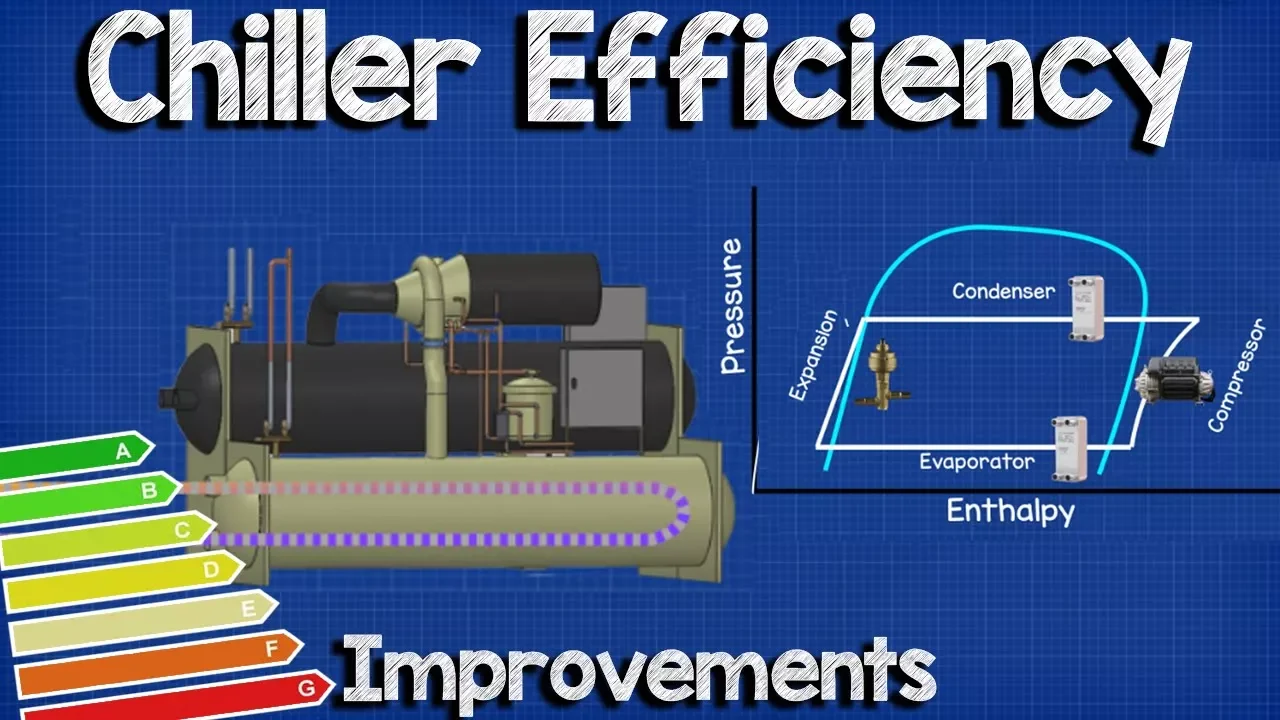
In this video, we're going to be discussing the different ways to improve the efficiency of your existing chiller setup. Just before we get started though, I want to take a moment to thank our partner Danfoss for sponsoring this video. Danfoss want to help you build higher quality, longer lasting, and more efficient chillers, and they have a wide range of solutions to help make that possible.
In fact, they have up to 70% of the products you need for your chiller systems, including compressors, AC drives, system protectors, heat exchangers, valves, electronics, and sensors. It doesn't matter what kind of chiller you're working with, Danfoss have products that help you boost performance, increase reliability, and ultimately take efficiency to a higher level. All of these solutions come together to help you design and create better chillers from the inside out.
You can get started by heading over to chillers. danfoss. com.
In most applications, chillers are the single largest energy-consuming piece of equipment within a building. There's a lot of pressure on engineers as well as building and facilities managers to reduce the energy consumption and carbon footprint of buildings. So chillers are naturally going to be in the focal point for this.
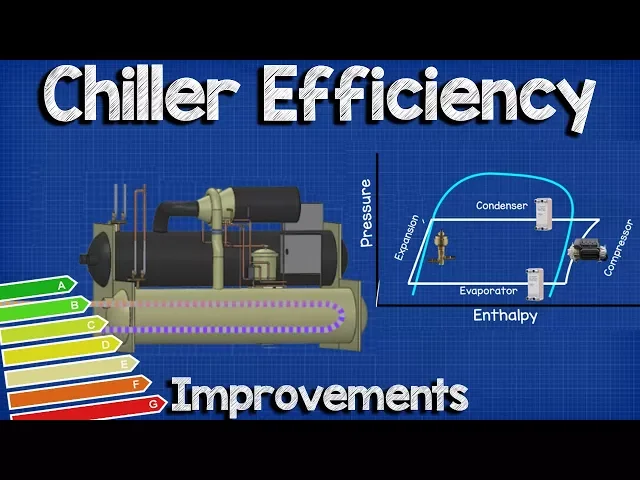
We'll have a look at both low cost options as well as some potential projects to help achieve this. Let's first consider how energy is used by a chiller. First we have the compressor.
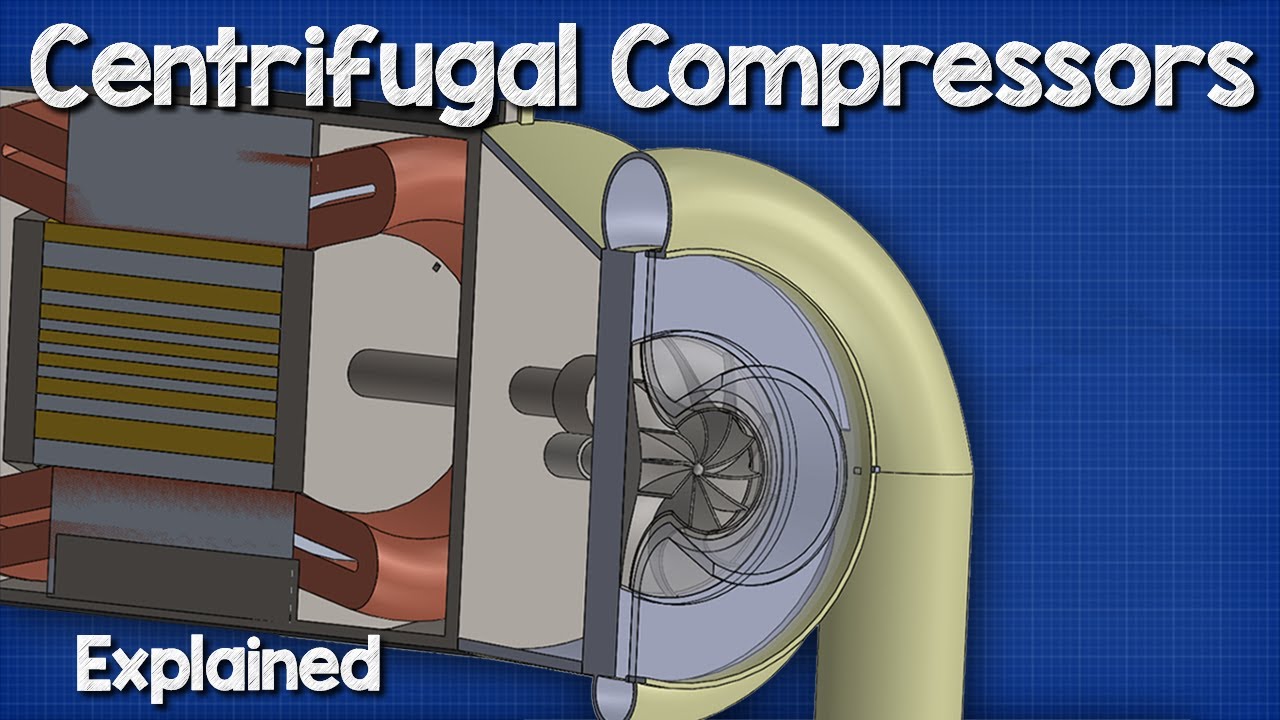
This is going to to take low pressure refrigerant and compress it into a higher pressure. For this to work we need to input electrical energy, and we'll represent that with this Q with a subscript of E and the words "in". The Q stands for energy, the E stands for electricity, and the words in stands for the direction it's traveling in with respect to the refrigeration system.
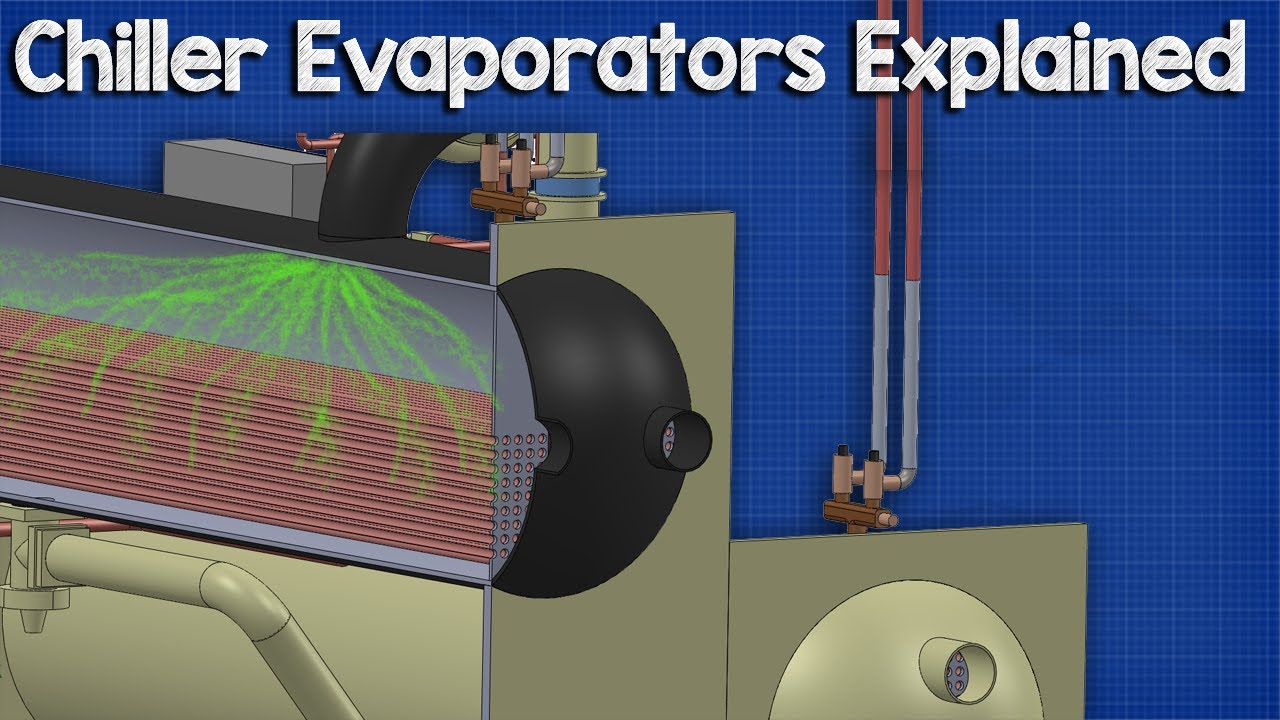
As the refrigerant moves around the system, it's going to to take away the building's unwanted thermal energy from the evaporator. So we have thermal energy entering the refrigeration system here, and we'll represent that by the Q with a subscript of th for thermal, and the words in because it's energy entering the refrigeration system. This unwanted thermal energy is then rejected from the condenser.
So we have energy leaving the system here, and we'll represent that with the letter Q and the subscript of th for thermal and the word out for the direction the energy is traveling with regards to the system. We also have fans on the air-cooled chillers which run to force the unwanted heat to dissipate. So you have electrical energy entering this system here, also represented by a Q, with a subscript of E for electricity and the word in because it's entering the system.
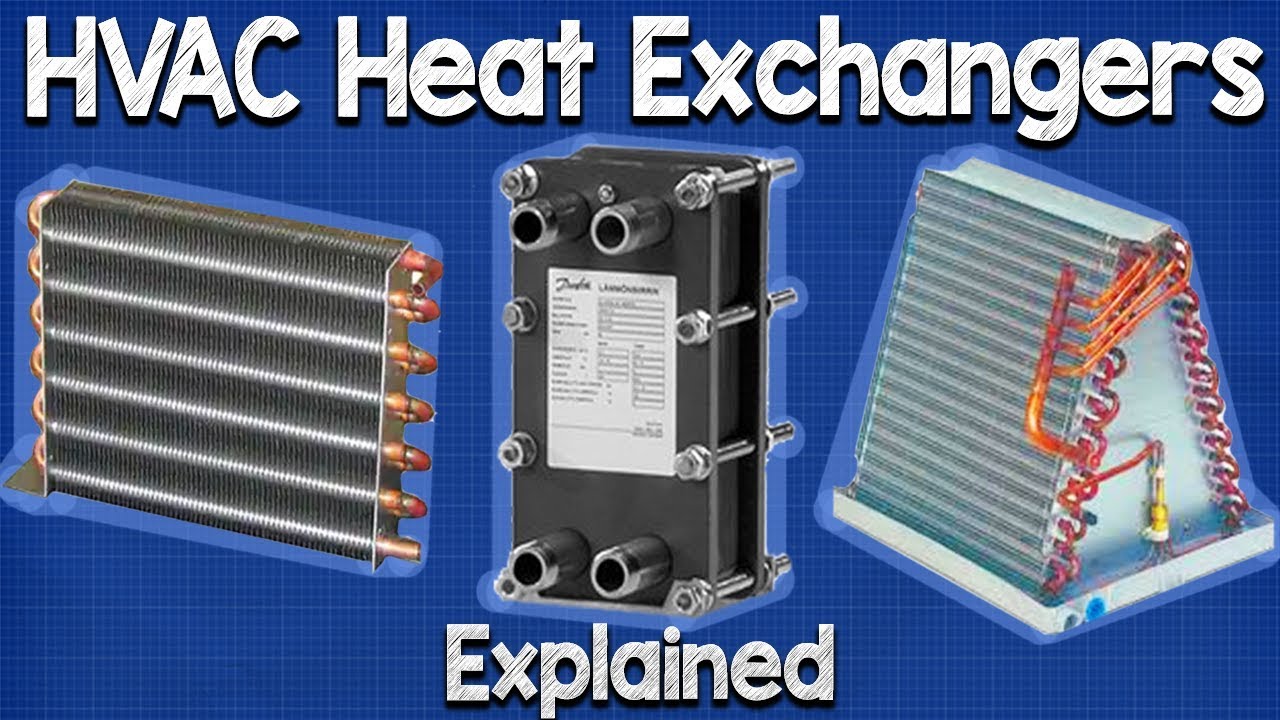
The condenser and the evaporator are both heat exchangers and they're exposed to water and dirt and biological growth which causes restrictions to the heat transfer. Between the evaporator and the condenser, we have the expansion valve. This maintains the pressure differential between the high and low pressure side of the system.
This also controls the flow of the refrigerant into the evaporator, and ultimately the superheat entering the compressor. Then we have the controls and fittings and these direct and dictate how the system will work. So we have lots of components, which are all playing their part in the system to change and control the movement of thermal energy and pressure at different points.
All of these play a part in how much energy a chiller will consume. Let's work our way around the system to consider different ways to reduce the energy consumption for chillers. I do just want to point out that the estimated energy savings listed for each of the items is for individual implementation.
You can combine these steps mentioned, but the potential savings will not simply add together, they will diminish. The first area that we'll consider is the most energy-intensive part, that being the compressor. In many cases, the compressor of the chiller is able to be retrofitted with a newer technology.
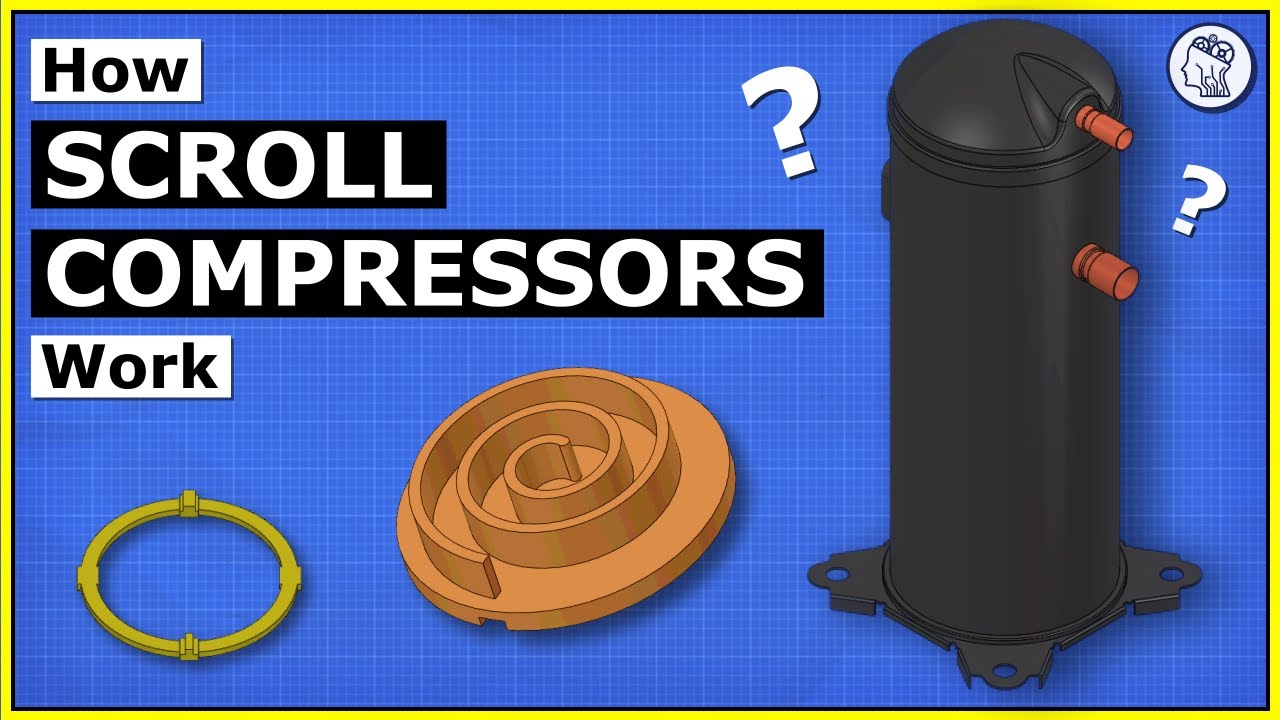
Check with your chiller manufacturer or your chiller service specialist if your chiller can be retrofitted. For example, replacing a fixed speed scroll compressor with a Danfoss DSH scroll compressor with intermediate discharge valves allows the compressor to operate more efficiently at part load, and this could produce energy savings of around six to nine percent. The biggest factor affecting the savings is how much of the year does the chiller operate at part load?
If it's at full load for most of the year, then there will be little to no savings. However, if the chiller operates at part load for the majority of the year, which the majority of chillers do, then there is big potential here for energy savings. Compressor VFD Retrofit.
If it's not feasible to replace the compressor of the chiller, then VFDs, or Variable Frequency Drves, can often be fitted to the compressor. This allows the chiller to perform more efficiently at part low conditions. The efficiency of full load, however, will be reduced because of the losses from the inverter.
Most chillers will operate at part low conditions for the majority of the year, so this is a very attractive option. Retrofitting a VFD can often lead to energy savings of around 20%. The next part to consider is what the chillers compressor does and how does it link to the operating conditions of the evaporator and the condenser?
Remember, it takes a low pressure refrigerant and compresses this to a higher pressure. This is what the electrical energy is used for. So let's look at some ways to reduce this through no and low cost option.
Chilled Water Reset. The chilled water out of the temperature was traditionally fixed, usually somewhere around six degrees celsius, or 42. 8 degrees fahrenheit.
But it's common practice now to apply a chilled water reset strategy. The chilled water reset allows a temperature of the chilled water to be increased during part load conditions. This reduces the amount of work done by the chiller's compressor.
The increase in chilled water temperature results in an increase in evaporator pressure of the refrigerant. The compressor takes the refrigerant at the evaporator's pressure, then compresses it and increases the pressure to the condenser's pressure. So the higher the evaporator pressure, the less work the compressor needs to do to increase that pressure.
As a rule of thumb, the chiller's efficiency can be increased by one to two percent per degree celsius the chilled water temperature is increased. There are a lot of ways to implement this. You should first check with your chiller manufacturer if this is applicable to your chiller, and ask what temperature or pressure limits should be imposed.
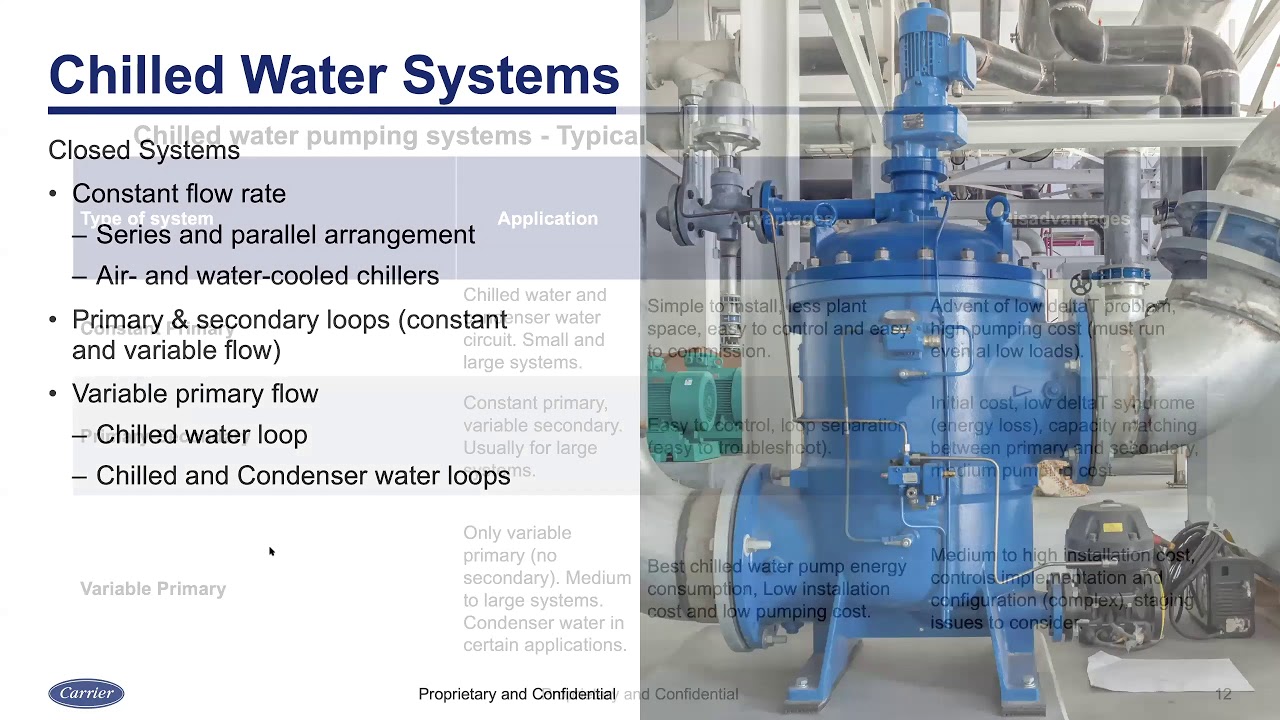
If it is applicable, then you can start to decide what will be the deciding factor for temperature change, because there are many ways to do this. We won't go into too much detail on that in this video, but some common options are to control based on the outside air temperature, to control based on the actual load, both sensible and latent heat, or to control based on the average or highest demanding valve position on the cooling coils. Before implementing chilled water reset, it's important to consider the chilled water pumps will increase in speed for variable volume systems.
This is to meet the cooling load. The optimal point should be calculated to make sure that the increase in pumping power doesn't offset the savings from the chiller. The cooling coils are often used for humidity control.
The temperature of the chilled water is crucial for this, so check if that is applicable to your system. And you should also check if the chiller manufacturer recommends any temperature and pressure limits for the water or refrigerant. Condenser Water Reset.
This can only be implemented on water cool chillers, as air cool chillers do not use condenser water systems. This is very similar to the chilled water reset we just looked at. By reducing the temperature of the condensed water, you will reduce the amount of work the compressor needs to do, because the decrease in water temperature will result in a reduction in the condenser refrigerant pressure.
Again, as a rule of thumb, you can typically save one to two percent per degree celsius the water temperature is reduced. Usually, the condenser water return temperature setpoint is fixed at around 27 degrees celsius, or 80 degrees fahrenheit, and the cooling tower fans or bypass line adjust to control this temperature. Some regions of the world with temperate climates will be able to reduce the condenser water temperature as the outdoor wet bulb temperature decreases.
This will reduce the condensing pressure of the refrigerant so the compressor has to do less work. There are limits on how low you can go, though. Eventually, the chiller will just shut off to protect itself, so do check with the chiller manufacturer first before doing so.
Cleaning the chiller, this should be a fairly obvious one, but you'll find buildings that have even never cleaned their chiller's heat exchangers, or they do so infrequently. Every chiller is designed to have some amount of fouling, but over time, biological growth, dust, foreign particles & internal particles from corrosion will build up and line the surfaces of the pipes and the heat exchangers. This will cause the pumps to work harder, but also reduces the ability of the heat exchanger to transfer thermal energy between the water and the refrigerant.
Appropriate water treatment should be carried out to maintain the system. You should contact a local water treatment specialist to determine the correct chemicals and dosing intervals. Additionally, the condenser and evaporator should be physically cleaned periodically.
If the condenser is connected to open cooling towers, then it's good practice to clean these annually. For evaporators and condensers, which are on closed loops, then it's good practice to physically clean these every three years. The amount you can save really depends on how much fouling has built up on the surfaces.
Cleaning heavily fouled chillers can lead to an energy saving up to around 10%, whereas a lightly fouled chiller would see a one to three percent improvement. This is going to depend on how much fouling builds up, as well as how long the chillers run for. It is best to keep a daily log of the operating conditions to compare the performance over time.
This will indicate when it's economical to isolate the chiller and cleaner. Don't forget to also clean the fins on the condenser of an air-cooled chiller. Over time, these can accumulate dirt, dust, pieces of trash, animal mess and biological material, which builds up on the surfaces and reduces the heat transfer effectiveness.
The expansion valve. Many chillers use a thermal expansion valve to control the flow of refrigerant into the evaporator to achieve the desired superheat. If you want to know how a thermal expansion valve works, then we've previously made a very detailed animation video.
See the links in the video description below. The thermal expansion valve can be upgraded to an electronic expansion valve, which will provide much more stable superheat, especially at low loads, and because it's digital, it's able to respond to changes and control the superheat with greater precision and speed. It does this by measuring both the pressure and the temperature at the outlet of the evaporator.
The precision allows the condensing pressure to be reduced so that the compressor therefore doesn't need to work so hard. By replacing a thermal expansion valve with an electronic expansion valve, energy savings of around 14% are possible, but this varies on the loading of the chiller. Air cooled chiller and the condenser's fans.
Air cooled chillers will use condenser fans to reject the heat. These are often controlled to run either 100% off or 100% on with no variations between. Sometimes these fans are grouped together to provide cooling stages, especially on larger units.
These fans can be replaced with EC, or electronically controlled fans, which allow the fans to vary speed and airflow. This provides a much more uniform airflow over the condenser coils, and also allows energy savings. Replacing the fans on an air cooled chiller with an EC fans can lead to around a 6% energy reduction.
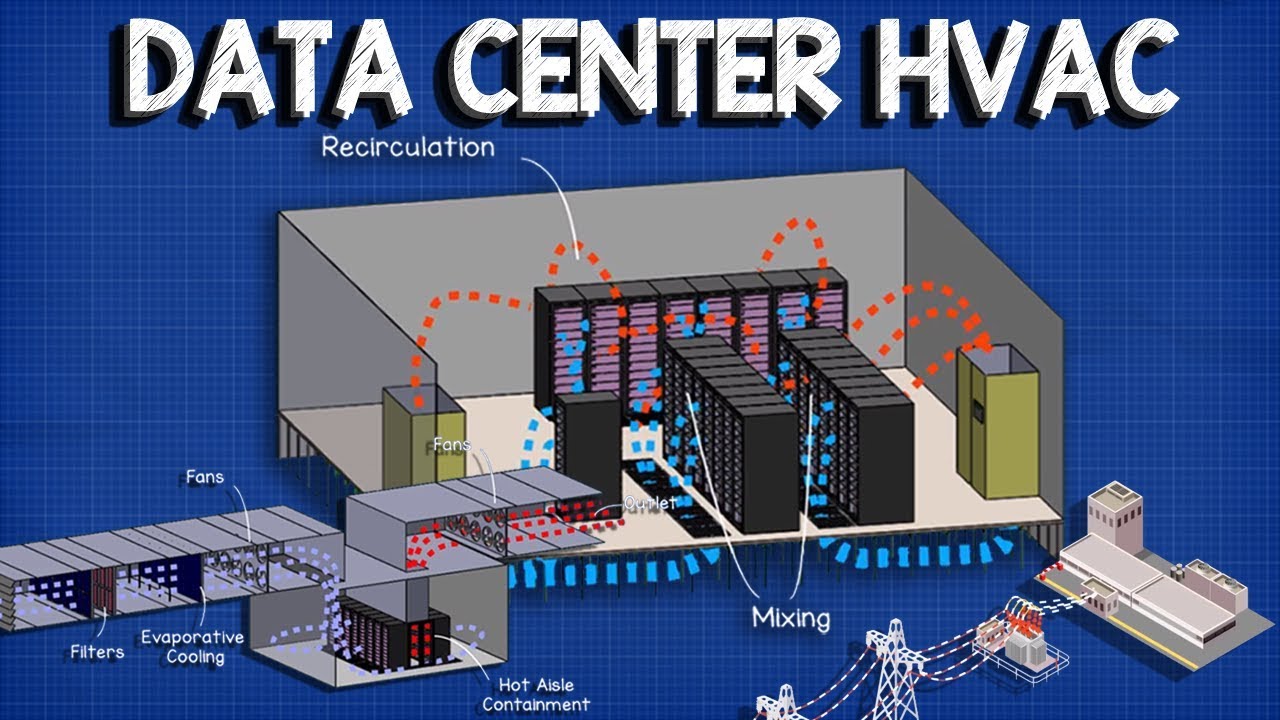
Free Cooling or Economizer Cooling. This is a very popular choice for data centers, but it can also be used for commercial buildings. It involves removing the unwanted heat from the cooling system without or with minimal use of the compressors.
This is isn't possible in all locations. It can be only used when the outdoor air temperature is below the chilled water setpoint temperature. Using a free cooling or economizer strategy allows the chiller's compressor to be turned off.
However, the pumps and fans will still run and will likely run at higher speeds, so some of the savings from the compressor being off are offset here. Using a free cooling cycle could reduce the chiller's annual energy consumption by 20, even up to 50%. Again, this really depends on the local ambient conditions and the setpoint temperature.
Air-cooled chillers sometimes have a free cooling feature built in, which uses the fans without the compressors, if conditions are right. But I have come across some installations where this hadn't been commissioned, so check with the chiller manufacturer if this feature is available, or if it can be retrofitted to your existing air-cooled chiller. Alternatively, air-cooled condensers can be fitted into the system to use just ambient air and fan power to remove as much heat as possible before it reaches the chiller.
For water-cooled chillers, a common approach is to connect the condenser circuit and the chilled water circuit or a plate heat exchanger, to directly transfer the heat. This allows the unwanted thermal energy in a chilled water return lane to be transferred over into the condenser line and rejected by the cooling towers. However, the two systems are always kept separate.
It's only the thermal energy which transfers from one circuit to the other via the plate heat exchanger. Controls, Controllers and Fittings. Where possible, choose digital controllers and censors as these can perform faster and with more precision.
When replacing a fitting, check with a manufacturer whether there are more energy efficient and reliable fittings available. With both fittings and controls equipment, over time, manufacturers will stop manufacturing parts, which means it becomes harder and more expensive to obtain spare parts from third parties. Do stay on top of this and do not just replace like for like.
Always seek improvement. On the control side, a manufacturer will quite often release new software updates periodically for the controllers and equipment. Make sure the service and BMS engineer or servicing company is updating your systems where possible.
This will allow the controllers to operate more effectively and without bugs. If you use a third party to service your chillers, pressure them to come up with new energy savings control strategies, not just for the chiller, but also how it interacts with the entire cooling system. You can ask for this as part of their normal service, or as a contract renewal, or just ask them to provide quotations for the improvements.
Chiller and Plant Sequencing. The chiller, cooling towers and pumps all have different efficiency curves, especially at part load conditions. A plant sequencer can be used to ensure that the most efficient combination of plant items is used to match the current cooling load.
The sequencer can be used either just for the chillers, or more advanced ones will include the associated large plant items. If you opt for the combined plant sequencer, then it's possible to reduce the entire system's energy consumption by up to 20%, sometimes higher, but this really depends on how bad the control strategy previously was, also how efficient your plant items run at part load. Cooling Tower, AHU and Pump VFDs.
The cooling tower fans, the chilled and condensed water pumps as well as the AHUs all use induction motors. Although these aren't part of the chiller, they are part of the cooling system, which the chiller is serving, and how they work will affect the performance of the chiller. These motors can easily be integrated with variable speed drives to produce large energy savings.
You'll often find that the pumps and fans are providing a higher flow rate than the system is designed for. You can check the building's commissioning data for this. These plant items are typically oversized by five to 20%, so fitting VFDs allows these to be ramped back to closely match the design.
Additionally with some censors and controls, the VFDs can be used to suit the actual load and vary the speed to accurately match this. Using this method can typically lead to a 30% reduction in energy consumption per motor. That about wraps things up.
But before I go, I just want to thank Danfoss one last time for sponsoring this video. Don't forget to check out their wide range of chiller solutions over at chillers. danfoss.
com. Okay guys, that's it for this video. Thank you very much for watching.
I hope you enjoyed this and that it's helped you. If so, then please don't forget to like, subscribe and share. Also don't forget to follow us on Facebook, Twitter, Instagram, Google+, as well as check out our articles on TheEngineeringMindset.
com.