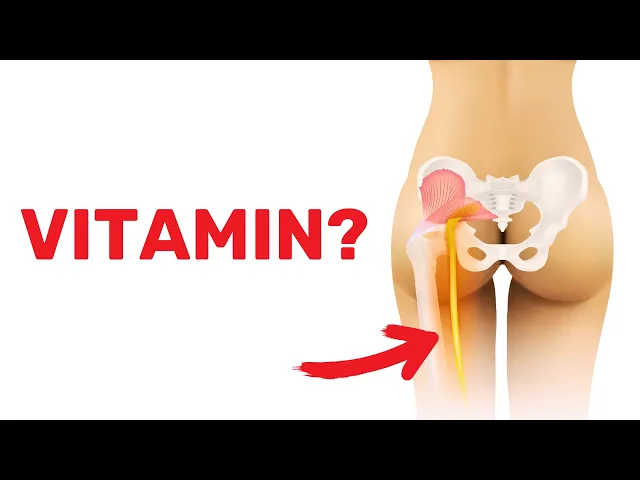
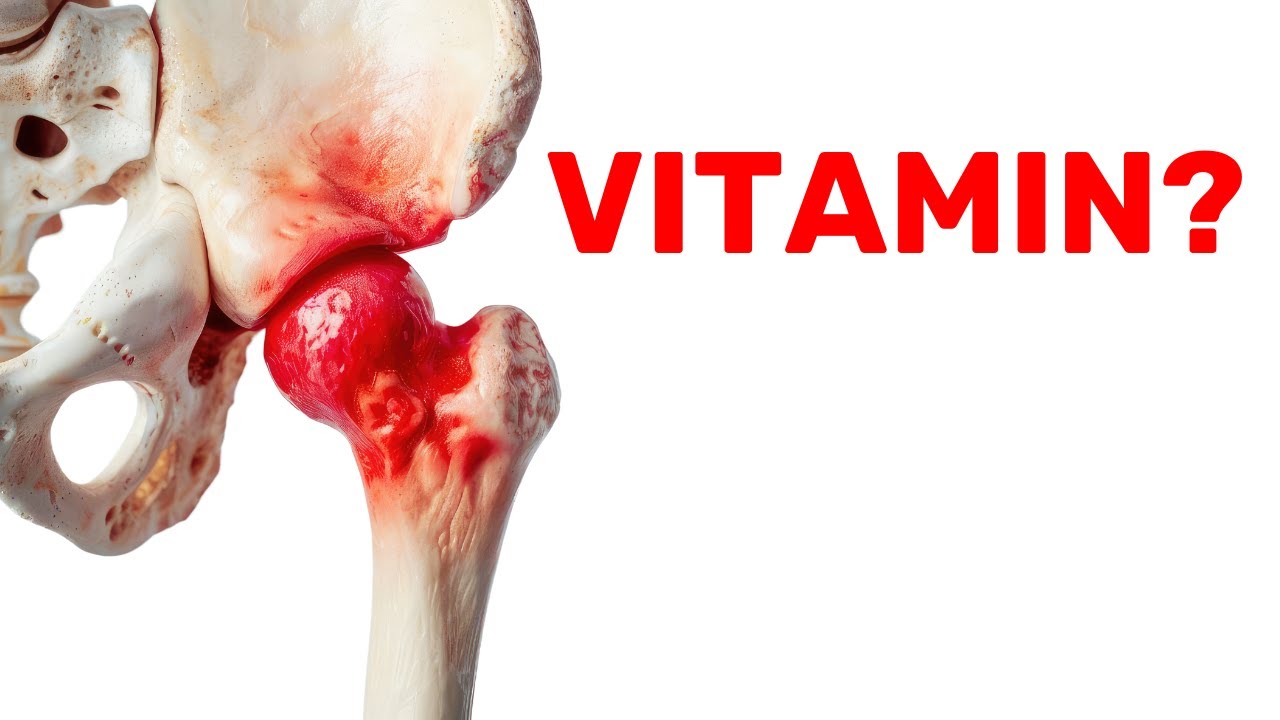
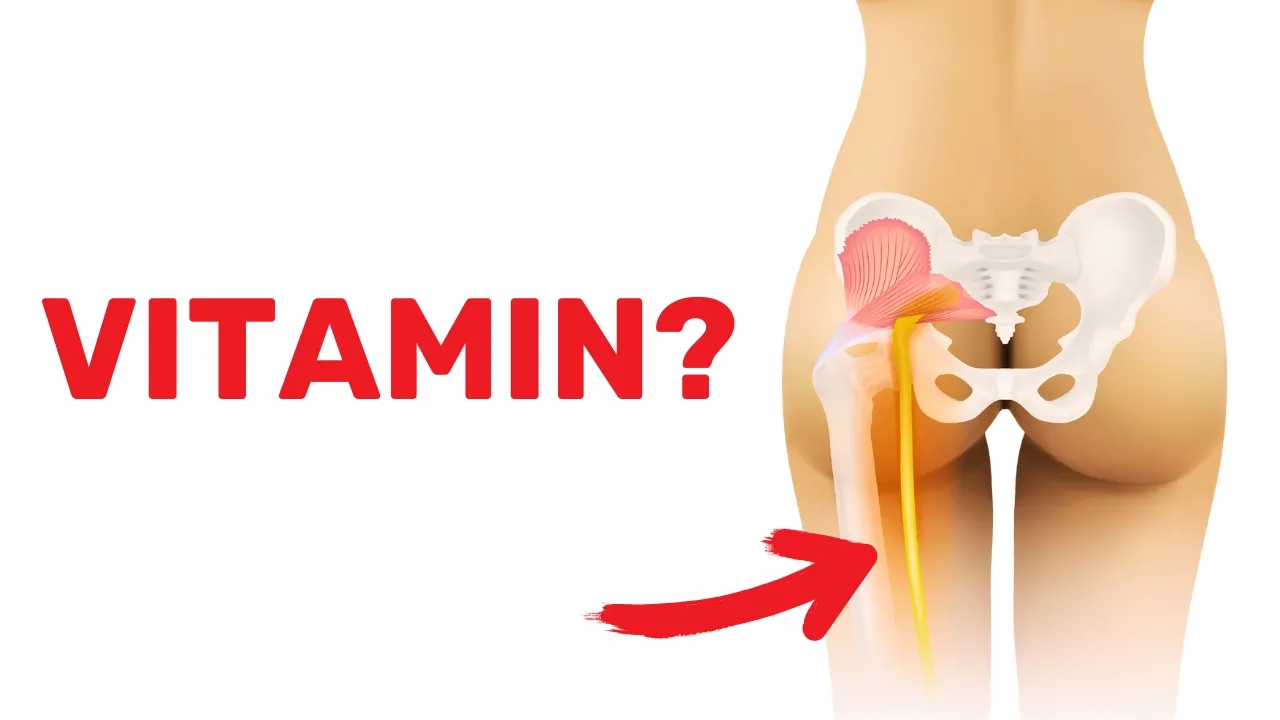
What if I told you that the agonizing nerve pain you experience from sciatica or carpal tunnel syndrome could be resolved with just three simple vitamins? Hey there, welcome back to my channel! I'm excited to share some really important information with you today about nutritional deficiencies that are often overlooked when it comes to two common and painful conditions - sciatica and carpal tunnel syndrome.
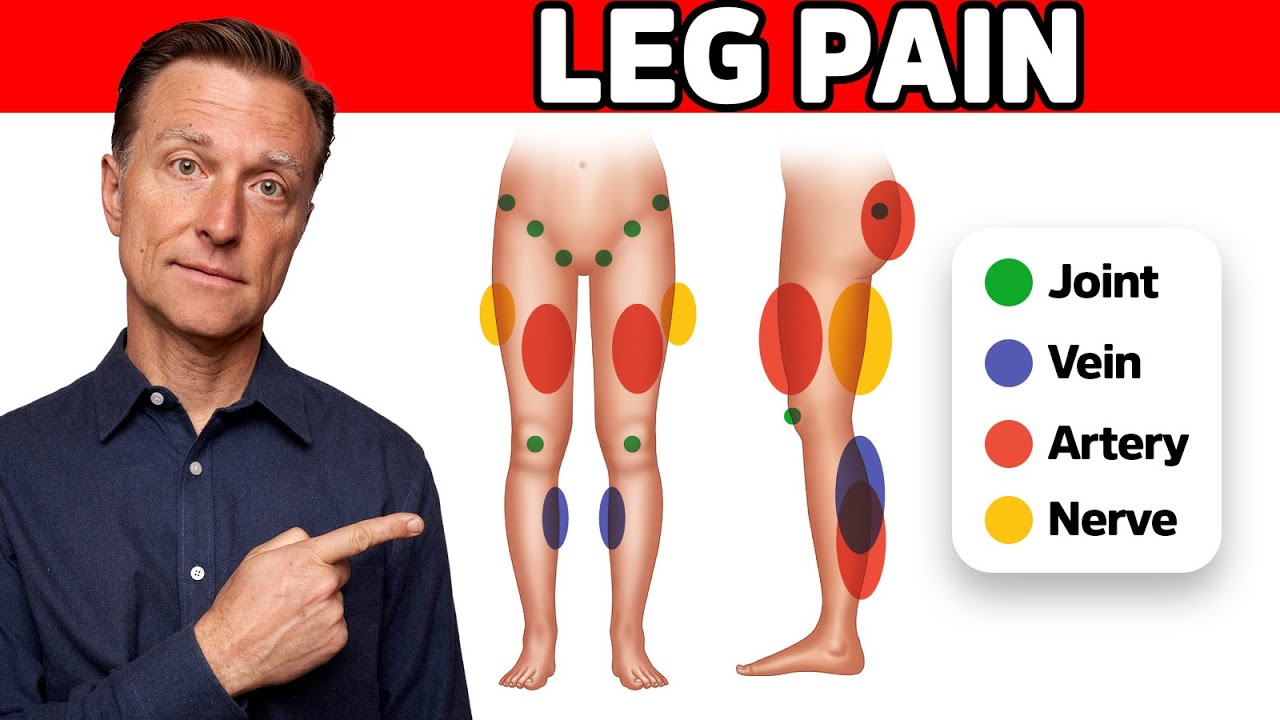
Have you ever had that sharp, shooting nerve pain run down your leg or arm that just makes you cry out in agony? Or maybe a constant tingling or numb sensation that you can’t seem to shake? Many people suffer from sciatic pain that radiates down the back of the leg, or wrist and hand pain from carpal tunnel syndrome.
These conditions are often treated with pain medication or even surgery, which doesn’t always solve the underlying problem. What if I told you that there are three key vitamin deficiencies that play a huge role in these issues? Not only that, but correcting these deficiencies can help relieve your symptoms naturally and potentially reverse the damage done to your nerves!
I’m going to walk you through the science today and teach you exactly how vitamins B1, B6, and B12 impact your nervous system function. Understanding the connection here is so empowering because you have the ability to take control of your health through targeted supplementation and dietary changes. Vitamin B6, also known as pyridoxine, is one of the most important nutrients for maintaining healthy nerves.
Here’s why: B6 helps your body produce myelin, which is a fatty substance that coats and protects your nerves. Think of myelin like the plastic insulation around an electrical wire. It allows messages to travel quickly along the nerve pathways.
Without enough B6, you make less myelin, leaving your nerves exposed and impaired. B6 also helps synthesize key neurotransmitters like serotonin and dopamine. These chemical messengers control communication between your brain and nerves.
Additionally, B6 specifically supports sensory nerves that relay signals for touch, pain, temperature, and vibration. So a deficiency shows up as numbness, tingling, burning sensations, loss of coordination, and decreased reflexes. Does this sound familiar?
These are common symptoms of sciatica and carpal tunnel syndrome. Now you may be wondering – how does someone become deficient in B6 in the first place? There are a few key reasons: -Taking certain medications like birth control pills, anti-depressants, and drugs for Parkinson’s disease; -Having a condition that impairs absorption like Celiac disease or Crohn’s disease; -Drnking excessive alcohol which depletes B6; -Being genetically predisposed to low B6 levels; -Eating a diet high in processed foods and low in whole foods containing B6.
The recommended daily intake of B6 for adults is between 1. 3 to 1. 7 miligrams, but studies show that doses of 20 to 50 miligrams per day can help reduce sciatic and nerve pain.
One important note - you want to take the activated form of B6 called pyridoxal-5-phosphate (P5P), rather than the cheap pyridoxine hydrochloride found in most multivitamins. P5P is immediately bioavailable whereas your body has to convert other forms of B6 before it can utilize it. This is a much more effective approach if you're deficient.
Moving on to vitamin B12 – this powerhouse nutrient is crucial for nerve function because it helps produce myelin as well. B12 partners closely with B6 in this role. It also assists in nerve regeneration and growth.
Severe B12 deficiency can cause permanent nerve damage, so it’s not something to take lightly. Vegans and vegetarians are at higher risk of deficiency since B12 is found mostly in animal foods. People over 50 also have impaired absorption of B12 from foods due to reduced stomach acid.
Other reasons for deficiency include: -Autoimmune conditions like Crohn’s or Grave’s disease; -Surgeries that remove parts of the stomach or small intestine; -Long term use of acid-reducing medications; -Excess alcohol consumption. Symptoms of B12 deficiency show up as neurological issues like tingling, numbness, balance problems confusion, and general weakness. Of course, these can also indicate that your nerves are not functioning properly.
Now, when supplementing with B12, avoid the synthetic cyanocobalamin form. Methylcobalamin is the active, bioavailable type that is often recommended. For severe deficiency, you may need intramuscular injections or very high oral doses like 1000 to 5000 micrograms per day.
But even 50-100 mcg daily sublingual can improve milder cases. Work with a functional medicine practitioner to determine the optimal dose and form of B12 for your needs. Finally, we have vitamin B1, also called thiamine.
B1 plays an essential role in nerve health by facilitating proper blood flow, oxygenation, and glucose utilization. It supports the myelin sheath as well. Specifically, B1 deficiency is linked to nerve pain and numbness in the hands and feet.
Those most prone to low B1 status include: -People with congestive heart failure or cardiovascular disease that impairs circulation; -Anyone consuming excessive simple carbs and sugar which deplete B1 stores; -Those with thyroid issues since the thyroid hormone regulates B1 function; -People abusing alcohol which impedes absorption of B1; -Anyone with autoimmune disorders like celiac or IBS that damage the gut lining; -Bariatric surgery patients due to post-op malnutrition; -Elderly individuals and diabetics susceptible to neuropathy. B1 deficiency can even occur from overconsumption of tea and coffee! The tannins and caffeine interfere with B1 absorption and utilization.
The RDA for B1 is only around 1. 2 miligrams daily, but doses up to 100mg per day may be therapeutic. Experts recommend a supplement called benfotiamine, a fat soluble form of B1 that is highly bioavailable and absorbs better into nervous tissue.
Whew, that was a lot of valuable info! I hope this video shed some light on the link between B vitamin deficiencies and nerve problems. Let me know in the comments if you learned something new or have any other topics you want me to cover related to nutrition and wellness!
Don’t forget to like this video and subscribe to my channel. Your support means so much. Thanks for watching!