foreign there is a way to hook your audience and the best editors have mastered this skill today we're going to take a look at some of the most highly anticipated films of 2023 and break down the secret formula that these editors are using to make these film trailers but before we get into this video I just want to let you guys know we are doing a giveaway for a wireless microphone and all you have to do to be eligible to win one of these is like And subscribe to the channel and comment down below can
you hear me now and you will be eligible to win one of these free of charge no strings attached the average film trailer is anywhere between two to three minutes long and within that two to three minutes you need to make sure that you do a few things the first step is getting your audience intrigued and invested into the trailer the second thing you have to do is make sure that they have a good understanding of what the film is about and the last thing that you must do is to leave your audience wanting more
now within that two to three minute window you really don't have a lot of time for complex ideas or character development what you really want your audience to walk away with is the feeling of the film there are five parts to editing a film trailer you have the hook the introduction the rising tension the climax and the outro and if you execute and deliver the feeling on all five parts of this film trailer you're gonna hook your audience and make them want to watch your film the first section is the hook this is what's supposed
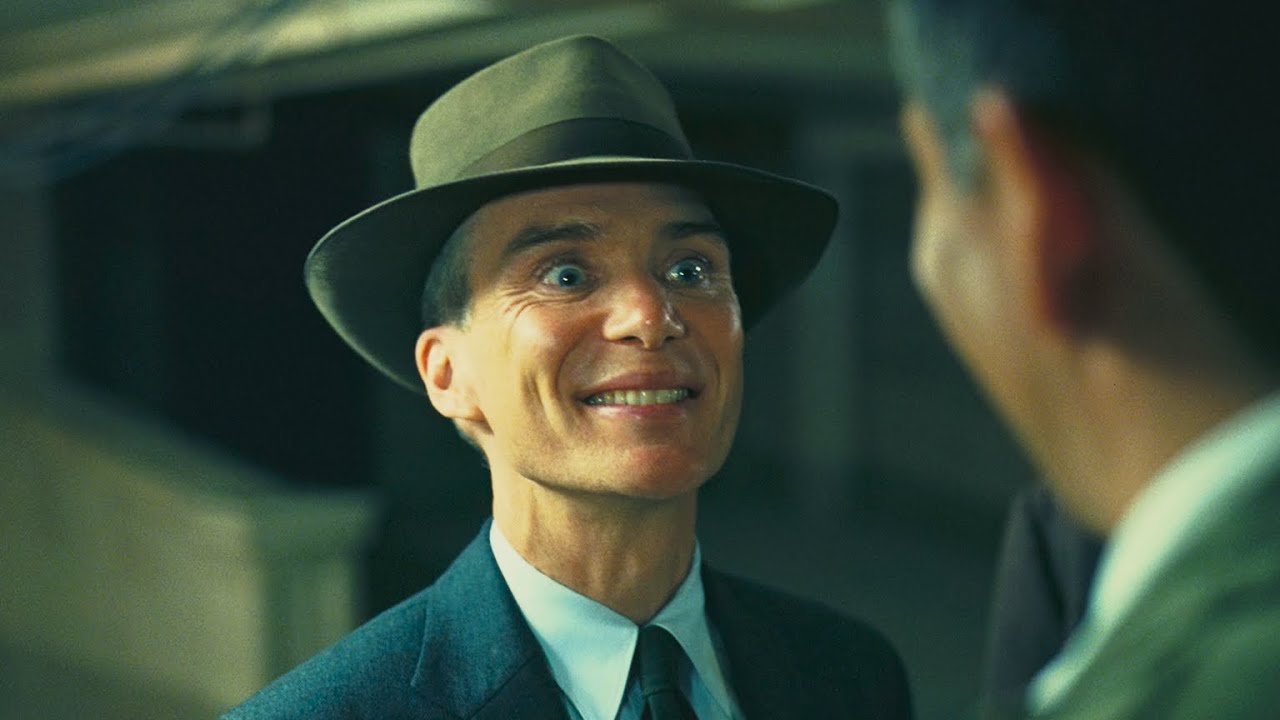
to get people excited or lean in to watch the rest of the trailer and there are many ways to do this for your film trailer but first let's take a look at the opening hook for the Oppenheimer trailer this is a national emergency [Music] so they open up the trailer with Incredible sound design and a voiceover saying this is a National Emergency this right away gets you to lean in and make you start to question what's going on here they set the stage by giving you this Grand scale problem of this is a national emergency
and then they carry on with the character from the film saying detonators are charged and then they have another character putting on these goggles and then boom they throw you right into this explosion and again using the element of sound design to surprise you and give you that that shock value and if you notice they don't try to bore you with character development or complex storylines their goal is to just hook Their audience but that's just one trailer right surely they don't do this every time right let's take a look at one of the Dune
trailers and see how they approach their intro get away [Music] roll it what did you see there's a crusade coming [Applause] they start this trailer off with mysterious music and then our main character saying there's something happening to me there's a crusade coming and they show you this Horizon of a city that looks like it's on fire now the intro is vague yet intriguing and just like the Oppenheimer trailer they they set the stage by showing you a problem on a grand scale the number one emotion that you're trying to draw from your audience within
that first 15 to 30 seconds is Intrigue it is one of the strongest emotions and one of the most effective emotions to get people to want to know more and actually be invested into what they're watching the other goal within that 15 to 30 seconds is you have to set the stage for the problem what is the biggest problem in your film or in your documentary whatever it is you have to make it feel like this Grand big important problem and the biggest thing is is that we don't know how we're gonna solve it it's
almost like the intro needs to ask this question but the most important part is try to leave it unanswered the second section of your trailer is what I like to call the introduction it is where you break down the premise of your film within the next 20 to 40 seconds let's take a second and go back and look at the Oppenheimer trailer we're in a race against the Nazis [Music] I have a 12-month Head Start 18. how could you possibly know that now as you can see in this section of the trailer they start to
reveal the premise of the movie so the audience at this point starts to understand what the film is going to be about in fact they come right out and say we are at war with the Nazis and we're in a race to build this bomb now the audience starts to understand that there's a significant urgency to do this and this movie is going to be about the race to create the atomic bomb it's not about Normandy it's not about Hitler it's not about any of that stuff it is about the atomic bomb and another great
example of this is what they did in the Interstellar trailer let's take a look at the introduction section and break down how they did it this world's a treasure there's been telling us to leave for a while now your daughter's generation will be the last to survive on Earth you're the best pilot we ever had get out there and save the world everybody really say goodbye to our solar system our galaxy here we go again they do a great job at telling you exactly what this movie is going to be about you have an understanding
that this really good pilot needs to leave the Earth and go save the world now obviously Interstellar is a lot deeper than that and I'm sure your film is too within that next 20 to 40 seconds there's no way that you're gonna get exactly what this movie is going to be about every emotion every feeling you're not trying to do that what your goal is is to give them a good understanding and lay it out in plain language what is this film about you got 20 to 40 seconds to let your audience know and try
your best to come from a place where the audience is coming from and try not to know anything about your film and I know that's hard but try to make it as digestible as possible and show somebody who has no idea about your film within that next 20 to 40 seconds and let them tell you what the film is about show them that little piece that little section and ask them if they can recite it back to you what is my film about and that's a great indication to know if your trailer is heading in
the right direction the third section of the trailer I like to call the rising tension this is where you kick it up a level in the trailer and you really start building towards the biggest adversity or the biggest antagonist to your main character let's jump back into the Dune trailer for a second and see how they start building their tension arrakis is a death trap [Applause] this is an extermination they're picking my family off one by one let's fight like demons in the trailer they say that this planet that they're going to is a death
trap and then our main character says this is an extermination so you start to get this idea that there's this battle happening and they start giving you a glimpse of who our antagonist is and how our main character starts to react to that now let's jump back into the Oppenheimer trailer and see how they handle this section why why how about because this is the most important thing that ever happened in the history of the world you're the great improviser but this you can't do in your head are we saying there's a chance that when
we push that button we destroy the world chances are near zero in this section they clearly say that this is the most important thing to ever happen in the history of the world now that's not something that'll build the tension in your movie I don't know what will then they also introduced this issue of can this character figure this out and a very important detail of how they edited this trailer was closing the section out with the unknown they have no idea what's going to happen once they detonate this bomb so when you're editing this
section of your trailer there's a few things that you have to keep in mind number one the pacing needs to start picking up and what I mean by pacing is the amount of cutting that you're doing as well as the dialogue and the music at this point your audience needs to have a defined antagonist or whatever the adversity is in your story what is your main character up against and how it's affecting them but the idea is to keep the dialogue short and to keep the scenes kind of short and start ramping things up a
bit by this point your audience should have a really good idea of who the antagonist is and what your main character is up against and how it's affecting them the fourth section of the trailer is the climax and this is where you need to come to the peak of excitement in your trailer and like I said a second ago pacing is extremely important at this point of your trailer it has to feel like the fastest section typically in this section I like to talk about how dire the situation is or how badly the character needs
to succeed let's take a look at the Dune trailer and see how they break down their climax section [Music] one day the legend will be born [Music] all of civilization depends on it the future I can see it so if you notice their dialogue is cut to just a few words the cuts start happening a lot faster and then they start really driving the main storyline home by saying one day a legend will be born in all of civilization depends on and they reinforce that grand scale of storyline now let's jump back over to the
Oppenheimer trailer and see how they handle this section isn't it thank you the world well remember this day I'll work here will ensure peace mankind has never seen [Music] somebody builds a bigger one just like the Doom trailer they cut the dialogue pretty short and they start saying things like the world will remember this day and in this trailer you start to get a really clear understanding of what the main character wants what is his motivation he wants a piece that mankind has never seen before so when you're editing your climax section keep in mind
that you need to push the pacing compress the dialogue to its simplest State and only tell the audience what is absolutely necessary what they need to know in this section and you need to make it feel like the situation that your characters are in or whatever it is that they're going through in your story that it's this big life-altering situation for everybody involved and now we are on the final section of the trailer and that is the outro this is where the trailer tends to leave their final question or their final statement that they want
the audience to think about let's take a second and look at the end of the Oppenheimer trailer you are the man who gave them the power to destroy themselves and the world is not prepared you are the man who gave them the ability to destroy themselves this leaves the audience something to think about and an extra layer of storyline that we haven't really seen in the rest of the trailer for the most part we've been watching this Oppenheimer trailer and it's been can we build the bomb we're in this race to beat the Nazis and
this is a life or death situation for everybody involved but then the final thing that they say is that you just gave them the power to destroy themselves which is a whole other layer of morality that the audience starts to question so for your outro what I would try to do is whatever the underlying theme of the film is have your audience walk away with that have them kind of like think about that that way just like the intro the audience is intrigued in finding out a little bit more there are a million different ways
that you can creatively edit your trailer with sound design and music and you could definitely play around with the story structure but if you fall of this format at the very least you're gonna have a piece of marketing material that you could showcase to somebody and they're gonna have a really good understanding of what your film is about I want to thank you guys so much for watching don't forget to like And subscribe to the channel if you haven't already and I'll see you guys in the next one deuces foreign



![6 Ways to Edit Any Scene — Essential Film & Video Editing Techniques Explained [Shot List Ep. 10]](https://img.youtube.com/vi/FVR8zz8ci2k/maxresdefault.jpg)
![Ultimate Guide to Camera Movement — Every Camera Movement Technique Explained [The Shot List Ep6]](https://img.youtube.com/vi/IiyBo-qLDeM/maxresdefault.jpg)