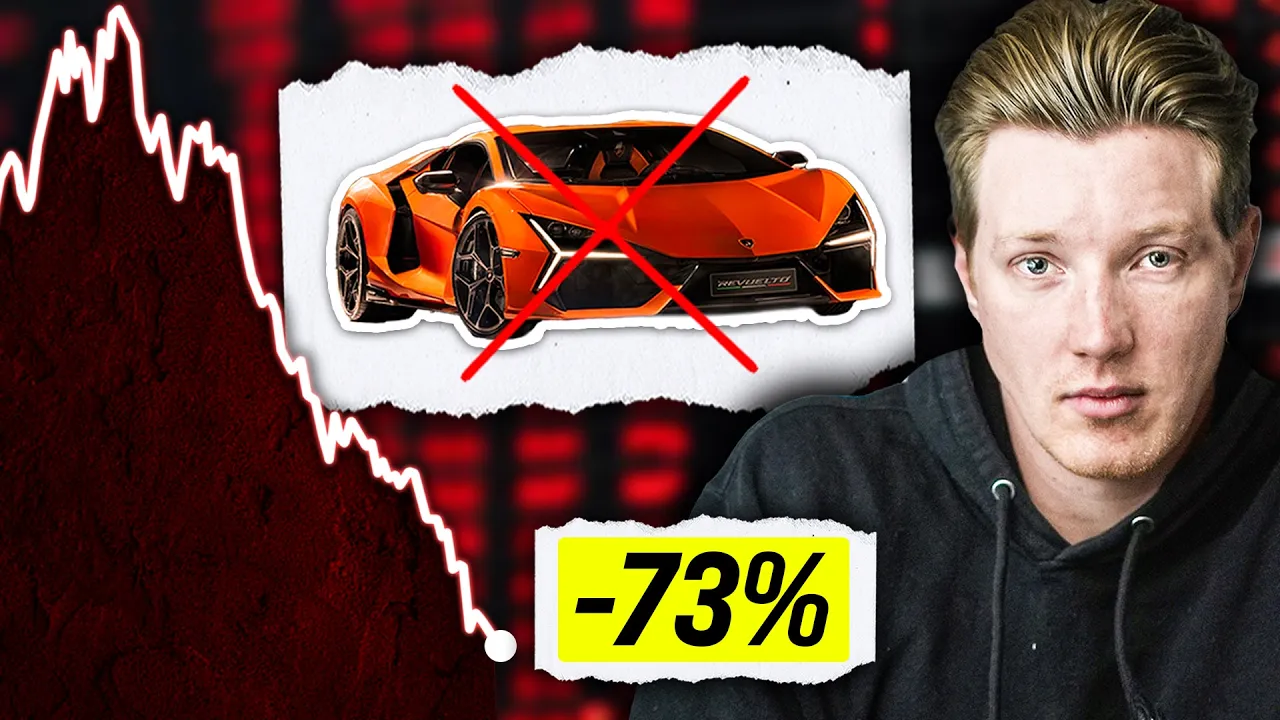
does it do anything it tells the time is the Fall of luxury goods finally upon us at the start of the Year everything seemed promising a report from ban and Company estimated the luxury Market to reach 1. 5 trillion EUR or $1. 63 trillion globally in 2023 marking a robust 8 to 10% growth over 2022 luxury good sales hit a new record despite tougher macroeconomic challenges but fast forward just 7 months and the headlines tell a starkly different story world's biggest luxur y fortunes lose 24 billion as Market slows luxury fashion is struggling in the first half of 2024 has the luxury e-commerce Bubble Burst Bernard Arnold lvmh founder and former world's richest person saw his wealth fall 10.
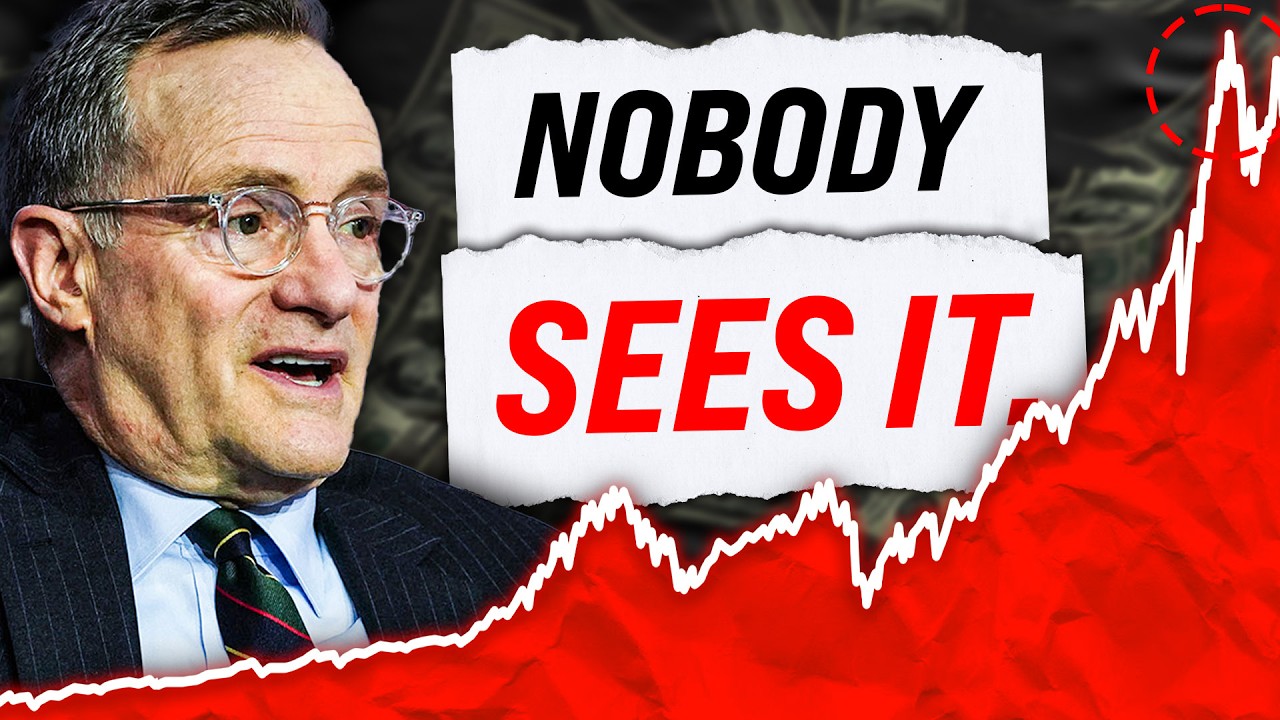
8 billion over the past year andn now its third on the rich list behind Elon Musk and Jeff Bezos lvmh reported markedly slower sales growth for fashion and leather goods in the first quarter with an overall decline in Asia similarly L'Oreal's Bleak outlook for China has cost France sis bet and caught buers around 10 billion reducing her net worth to 90 billion caring CEO franois Pino's wealth hared after warning investors in April about a huge profit plunge due to struggles with Gucci more recently the luxury goods Market has once again been thrust back into the spotlight as late last month lvmh reported much lower than expected Revenue with their Asian sales X Japan falling 14% year-over-year a week earlier Hugo Boss shares dropped 9% as the firm dropped their 2024 guidance and prior to that British luxury fashion F house berbery saw a 16% hit to their share price after reporting a 22% Revenue decline for the 13 weeks end of June 29 they also noted that if the recent trading slowdown continues it expects to report an operating loss for the first half of the year and they've now decided to suspend their dividend and part ways with their CEO but the really concerning thing they noted in their release was that they are facing slowing luxury Demand with all key regions impacted by macroeconomic uncertainty and contributing to the sector Slowdown but the interesting thing is that a popular opinion amongst investors is that the luxury goods Market is relatively Recession Proof the primary customers of luxury goods are high net worth individuals and affluent consumers who are typically less affected by economic downturns their purchasing power remains relatively stable allowing them to continue buying luxury items even during recessions a rise in interest rates for unemployment simply wouldn't matter to them because they're just so rich what luxury should I have private plane Larry I'm on DuckTales and interestingly you can see that in the numbers too during 2008 and 2009 despite the world dealing with one of the worst financial crisis in history the luxury goods Market only saw a very modest Decline and following the lockdown riddled year of 2020 the luxury goods Market bounced right back to where it was before in 2019 so how is it that we're seeing such a downturn in the luxury goods Market in 2024 well a lot of it has to do with the recent rise in middle class spending I was reading a Vox article on this recently and they noted that according to global data Americans with a household income of less than $50,000 make up about 27% of regular luxury consumers and that's almost as big of a group as luxury consumers with an income of $150,000 or more surprisingly lower and middle class consumers account for nearly half of the luxury goods Market globally with this segment expected to be expanding to 450 million people by 2025 up from 390 million in 2019 and this is a result of a few things firstly the rising number of consumers now fitting into the middle class in developing economies but it's also a direct result of the covid lockdowns and stimulus programs while the imagery we saw in the media was one of hardship and suffering well for a great deal of people this time was actually quite profitable again turning to the numbers the personal savings rate skyrocketed which put a lot of money in people's bank accounts this coupled with a huge rise of social media exposure to fashion and designer Brands thanks to the lockdowns plus a focus of luxury Brands to start offering entry level and mid-range luxury products helps spur a really rapid rise in the luxury spending from the middle class looking back to data around the pandemic we can see that luxury purchases by individuals making $40,000 or less were 365 higher at the end of 2021 than they were in January 2020 before the lockdowns began in the US luxury spending is also trending to towards younger age groups now too with Gen Y and gen Z accounting for all of the personal luxury goods markets growth back in 2022 and they're expected to account for the Lion Share of luxury goods sales by 2030 so over the last few years as strange as it sounds luxury goods have become more accessible than ever before but this is also the reason why the sector is no longer as immune to changes in economic conditions because the middle class are much more affected by macroeconomic conditions than the ultra Rich most of the buyers of luxury goods are not wealthy they're upper middle class people that like to splurge and again when they're not having all that extra cash like they don't right now that's going to hurt those discretionary purchases most for example two regions that make up a large percentage of the luxury goods Market are the US and Europe and it's no secret there are serious cost of living pressures on the middle class in both of these regions the federal funds rate in America has risen from effectively zero to about 5. 5% today and that ECB similarly has raised from nothing to 4.