presented by Cal Tech hi I'm Edward and I'm Vivian and today we're going to talk about writing with Clarity whenever you write something it's important to keep in mind that someone is eventually going to have to read your work as a writer your goal is to make things as easy as possible for the reader to understand when you're revising a paper for CL it you can think about it on three different levels first consider the overall coherence of the paper ask yourself does it stay on topic are the paragraphs arranged in a way that makes
sense next you will want to read for cohesion does every sentence make sense in context or can some of them be Rewritten to put more emphasis on your main point finally revising for concision will take another careful read through to eliminate any extra words and to ensure that what you have written is enough to get your point across overall you want to edit your draft from the reader perspective as the writer you know exactly what you mean to say but you want to say it in a way that makes it easy for the reader to
understand now we're going to talk about coherence in an argument-driven paper if you have a paper you've written recently please feel free to pause the video and grab it now so we can talk about how to check for coherence in your paper paper got your paper good one of the most important things to consider is the basic organization of your paper looking at it do you have a central claim the central claim may also be called a thesis statement especially in Humanity's papers now ask yourself is it arguable in other words do you make a
claim that someone could disagree with novice writers often just restate the promp or describe a fact but you should go beyond that second is it specific a common mistake students make is to make an overly general statement like Jane Austin writes about courtship besides being General this is also impossible to argue against think about answering the questions how and why and you start to get a proper Central claim finally is it relevant if you are writing for a prompt does the Central claim address The Prompt also does the rest of the essay support the central
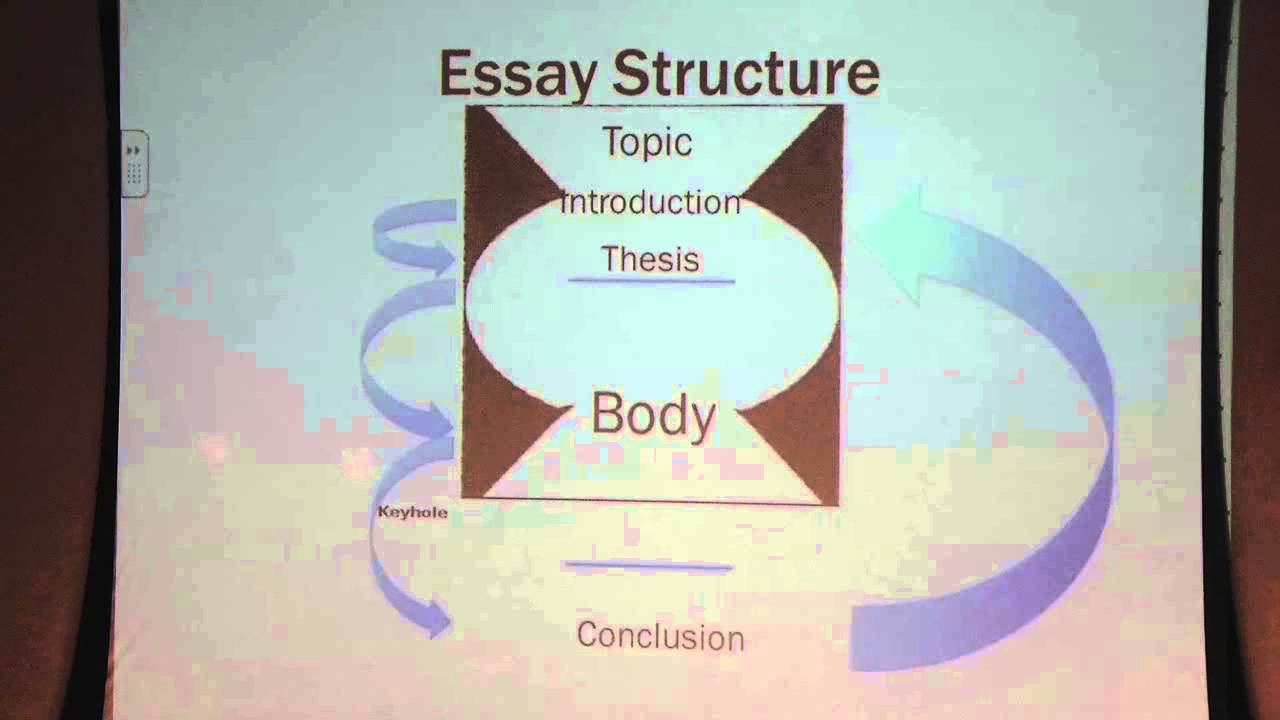
claim you should also look at the structure on a paragraph level do you have topic sentences and are they arguable specific and relevant next consider whether the paragraphs flow into each other does each paragraph close with a concluding sentence does the concluding sentence further develop the idea presented in the topic sentence also do you have transitions that set reader expectations for the next topic or paragraph now stepping back to the paper level it is important to have an introduction and conclusion the introduction should present the context and in some cases a road map for the
overall argument sometimes it's easier to write the introduction after drafting the body the conclusion should sum up the argument and put it back into context however it should not just restate the same information that was in the in uction not that for papers shorter than five pages you may not even need to restate the initial claim and this might even annoy your professors rather you should think about how the paper has further developed the claim and write the conclusion with those nuances in mind overall the paper should have a beginning and an end now that
we have the basic pieces in place we want to think about the logic of the argument one Technique we can use to check the logical flow of the paper is by reverse outlining if you read the thesis statement and the topic sentences in order does it give an accurate outline of your overall argument are any of the paragraphs off topic or out of order a common mistake is to repeat the same general point with several examples and different paragraphs without developing the argument further instead every new paragraph should offer new insights and build on the
previous one one way you might consider doing this is by presenting different cases or contrasting different aspects of the same claim overall every paragraph and the paper as a whole should go somewhere the central claim should guide the discussion but readers should feel like they learned something about your opinion that they would not have known just by looking at the thesis statement now we're going to talk about cohesion which is flow between sentences on the paragraph level here are three basic techniques which can help your paper become more cohesive moving from old to new information
avoiding interrupting the subject and the verb and using effective transitions we're going to illustrate these three techniques with an example this example was taken from a student's undergraduate research proposal a laser tracker measurement system is the only strategy that can reduce the surface error on a structure the size of the ccat telescope thousands of retr reflectors can be placed on the surface of the telescope to make the measurements this is costly and reduces the telescope's image quality a single retr reflector capable of taking a measurement at each position can also be repositioned to many different
locations on the surface the first technique we're going to use on this excerpt is moving from old to new information so what this is talking about is we always want to make sure that the information that we're introducing in our sentences flows into the next sentence so in this example we'll see that the laser tracker measurement system is introduced at the beginning of the first sentence but the fact that the measurements are placed along the telescope isn't brought up again until the end of the second sentence so you see that there's a large distance between
these two ideas which could be confusing to the reader here's a revised version of the same two sentences to reduce the surface error on a structure the size of the ccat telescope a laser tracker measurement system is needed the measurements can be made by placing thousands of retr reflectors on the surface of the telescope this is costly and reduce the telescope's image quality here we see that the me the measurement system and the measurements themselves are introduced at the same point uh between the two sentences which improves the overall cohesion between the two ideas now
let's look at the last sentence in the last sentence the single retr reflector is the subject and its verb which is can uh appears with a space in the middle this extra description here so one issue with structuring the sentence like this is it makes it a little bit unclear to the reader which verb is going with which subject so in general it's often better to put the subjects and the verbs together here's an example of how to do that a single retroflect can also be repositioned to many different locations on the surface allowing a
measurement to be taken at each one here the subject and the verb appear right next to each other finally we're going to talk about using effective transitions we see that the two Clauses appearing on either side of the semicolon here are introducing different ideas the idea that the system is costly and reduces the telescope's image quality is a contrast to the proposition that was introduced in the first Clause we see that by including the word however it makes that point a lot clearer Additionally the different idea which is repositioning a single RR Flector to many
different positions is an alternative to the other scheme that was introduced Above So including a transition word in this case alternatively helps make that point a lot more clearly here's the overall revised text to reduce the surface error on a structure the size of the cat telescope a laser tracker measurement system is needed the measurements can be made by placing thousands of retroflect on the surface of the telescope however this is costly and reduces the te telescope's image quality alternatively a single retr reflector can also be repositioned to many different locations on the surface allowing
a measurement to be taken at each one in this way the sentences are much more cohesive and the overall Clarity of the paragraph is greatly improved now we'll talk about concision some people think this is just about cutting down on words but it's just as important to choose the right words so that the reader can understand exactly what you mean here is an example from the introduction of a student's final report for a summer research paper cardiovascular disease CBD more simply referred to as heart disease is a serious problem in the world the term CBD
is used to refer to diseases that affect the heart and blood vessels of which coronary heart disease chg is a predominant manifestation contributing to 43% of all CBD deaths in the world since CBDs often result in the premature disability and death of working age people they impose a heavy burden on society especially for lower income countries so this example stayed on topic and the sentence is slow well but it can still be improved one way is to use precise words so in this example it helps to cite the facts instead of saying that heart disease
is a serious problem you can state that it is the leading cause of illness and death in the world similarly instead of calling it a burden for lower income countries you should specify that the burden is economic and site the statistics to support the assertion now that you have stated all the important information you can start simplifying the sentences by eliminating redundant words for instance cities cause problems for working aged people who normally would be able boded IED and Alive you do not need to say that their disability and death is premature besides redundancies there
are other ways to cut down on words if a piece of information is unnecessary to convey the point it can be cut out for instance the audience of a research paper like this should already know that cardiovascular disease is often called heart disease so we can cut that out there are also grammatical structures that are just more wordy instead of the term CBD is used to refer to diseases that affect the heart and blood vessels it's much more straightforward to say CBDs are diseases that affect the heart and blood vessels after we incorporate all of
the changes we have this improved version cardiovascular disease CBD is the leading cause of illness and death worldwide CBDs are diseases that affect the heart and blood vessels of which coronary heart disease CHD is by far the predominant manifestation contributing to 43% of all CBD deaths in the world since CBDs often result in the disability and death of working AED people they impose a heavy economic burden on society reducing the GDP of lower income countries by up to 6.77% by using more precise words eliminating redundancies and deleting unnecessary words we have reduced the bulk of
the text by two words or 10 character spaces this this is not very much but I point this out to emphasize that in revising for concision we want to focus on reducing the amount of effort the reader needs to understand rather than just the number of words we use so the more simple and straightforward the better once you finish your draft it's a very good idea to read it over to check specifically for clarity a useful practice is to read it three times over checking for a different issue each time first you can check for
coherence or overall structure and organization of the paper then again for cohesion or the flow between sentences on the paragraph level and finally you can edit for concision which is using the best words possible nobody writes a first draft that is automatically clear on all of these levels so it's important to take the time to revise for clarity it can also help to have someone else read your paper to see if it's clear to them if you ever need a second opinion from a reader's point of view or want to learn more about how to
apply these principles to your writing we encourage you to come talk to a peer tutor at the hixen Writing Center we're here to help