Have you ever tried meditating and thought, "Is this actually doing anything? " Maybe you've heard that meditation helps with stress, focus, or emotional balance, but it just felt like sitting in silence, waiting for something to happen. Well, here's the thing.
Whether you feel it in the moment or not, meditation is changing your brain in ways that scientists can actually measure. And these changes aren't just temporary. With consistent practice, meditation can reshape key areas of your brain, helping you regulate emotions better, improve focus, and even rewire patterns of stress and anxiety.
I'm Dr Tracey Marks, a psychiatrist, and I make mental health education videos to help you strengthen your mind, fortify your brain, and build resilience. In this series, we've been exploring the mind-brain connection and how to develop lasting mental strength. In the last video, I talked about the neuroscience of breathwork and how controlled breathing can instantly shift your emotional state by activating your parasympathetic nervous system.
But what if you could take that even further—training your brain to become more resilient to stress long-term? That's where meditation comes in. Today, I'm going to break down exactly how meditation changes your brain, how it affects your stress response, and which types of meditation work best for different mental health benefits.
Your brain is constantly changing based on the things you do over and over. Just like lifting weights strengthens your muscles, regularly practicing meditation strengthens certain brain pathways. One of the most well-documented effects of meditation is its impact on three key areas of the brain: the amygdala, the prefrontal cortex, and the default mode network.
The amygdala is your brain's emotional alarm system. It helps detect threats, but it can also overreact, making you feel anxious or on edge even when there's no danger. Studies show that meditation reduces the size and activity of the amygdala over time.
This means you become less reactive to stress. Instead of feeling hijacked by your emotions, you gain the ability to step back and respond more calmly. This is why long-term meditators tend to have lower baseline stress levels.
It's not that they never experience stress— it's that their brains aren't stuck in a constant fight-or-flight response. The prefrontal cortex is the CEO of your brain. It’s responsible for logical thinking, impulse control, and emotional regulation.
Meditation strengthens this area, helping you regulate emotions better and make more thoughtful decisions instead of reacting impulsively. This is why meditation is often used to treat conditions like anxiety and depression. It helps you gain better control over runaway thoughts and emotions.
Imagine being in an argument and instead of instantly snapping back, you pause, take a breath, and choose a response that actually aligns with your values. That's your prefrontal cortex doing its job. The default mode network is the part of your brain that generates self-referential thoughts.
What's that? These are thoughts that revolve around your self, how you relate to the world, how others perceive you, and how your actions shape your environment with self-referential thoughts. You might find yourself replaying conversations, analyzing past decisions, or worrying about how a situation will unfold.
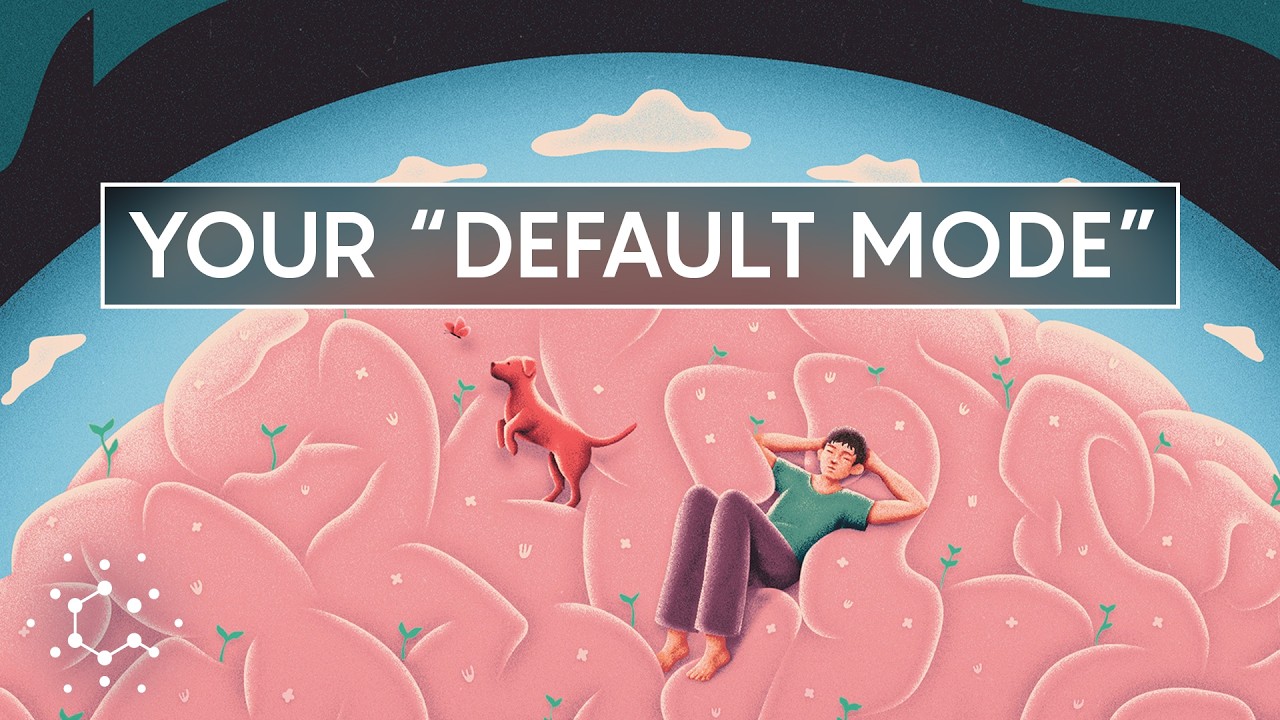
Your default mode network turns on when you're not intentionally thinking about something or letting your mind wander. So if you don't have anything to think about, the network will fill in the dead air space for you. And when this network is overly active, you can get caught up in worrying and negative ruminations.
Meditation has been shown to reduce activity in the default mode network, making it easier to stay present rather than get lost in thought. And this is why people who meditate regularly report feeling more engaged in the moment and less concerned with their internal dialog. Those are the effects on your brain.
Here's how meditation affects your body's stress response system. Number one. Meditation lowers cortisol levels.
Chronic stress keeps your course all levels elevated, which can lead to anxiety, brain fog, and even memory problems. Meditation reduces baseline cortisol, hoping you stay more balanced under pressure. Number two.
Meditation also improves heart rate variability. Heart rate variability is a marker of how well your nervous system adapts to stress. Higher heart rate variability means that you recover from stress faster.
And meditation improves your heart rate variability by increasing vagal nerve activity, which is your body's natural calm down switch. Another benefit of meditation is it boosts attention and focus. Meditation increases dopamine and strengthens neural circuits related to focus.
In fact, studies show that even brief daily meditation can improve attention span and working memory. So this all sounds great, but what type of meditation is best? The reality is meditation isn't a one size fits all.
Different techniques affect the brain in different ways, so it depends on what you're looking for. Let's go over three main types and what they do. First there's focused attention meditation which is great for improving focus and cognitive function.
This is where you concentrate on one thing like your breath counting your inhales and your exhales, or focusing on a mantra. It strengthens the prefrontal cortex, which helps with attention control and impulse regulation. When your mind wanders and it will, you bring your attention back to the focus point.
Next we have open monitoring meditation and also known as mindfulness meditation. And this one is all about observing your thoughts and emotions without reacting to them. Instead of focusing on one thing, you allow your thoughts to come and go naturally, almost like watching clouds pass in the sky.
This type of meditation is best for emotional regulation and reducing overthinking because it actually calms the amygdala, the brain's stress and fear center. And then there's Transcendental Meditation, which is designed for deep, relaxed action and stress reduction. It involves repeating a mantra.
But unlike focused attention meditation, where you actively refocus when your mind drifts, transcendental meditation is passive. You repeat the mantra gently, allowing your thoughts to flow without controlling them. Now, one important thing to know about transcendental meditation is it's typically taught by a trained instructor, and the mantra that you use is personalized to you.
You can practice other forms of meditation on your own, but traditional transcendental meditation usually requires learning through a structured program. So to recap when to use these? If you want to improve focus, go with focused attention meditation.
If you need help managing emotions and stopping overthinking, try mindfulness meditation. And if you just want deep relaxation, Transcendental Meditation may be your best bet. Here's how to get started.
If you're new to meditation. Keep it simple. Just one.
The two minutes a day is enough to begin. You can always build up gradually over time. Use an anchor like focusing on your breath or repeating a mantra or listening to a steady sound.
And be patient. Your mind will wander, and that's completely normal. The practice is in noticing when it happens and gently bringing it back to your focus.
If you struggle to focus. Guided meditations can also help. Having someone walk you through it can make it easier for you to stay present.
And remember, this is like working out a muscle. The more you practice, the stronger your brain circuits become. Before we wrap up, here are a few key takeaways.
Meditation physically changes your brain. It shrinks the stress center, strengthens the thinking brain and rewires negative thought loops. It lowers cortisol, improves focus, and enhances emotional control.
All things essential for resilience. And there's no one right way to do it. The most important thing is to start small and find a practice that works for you.
Next up, we'll explore movement based mindfulness. So if you find sitting meditation challenging, this would be a great alternative. If you found this helpful.
Be sure to subscribe so you don't miss the next one. And I'd love to hear from you! If you've ever tried meditation, what's been your biggest challenge with it?
Let me know in the comments! Thanks for watching today. See you next time.