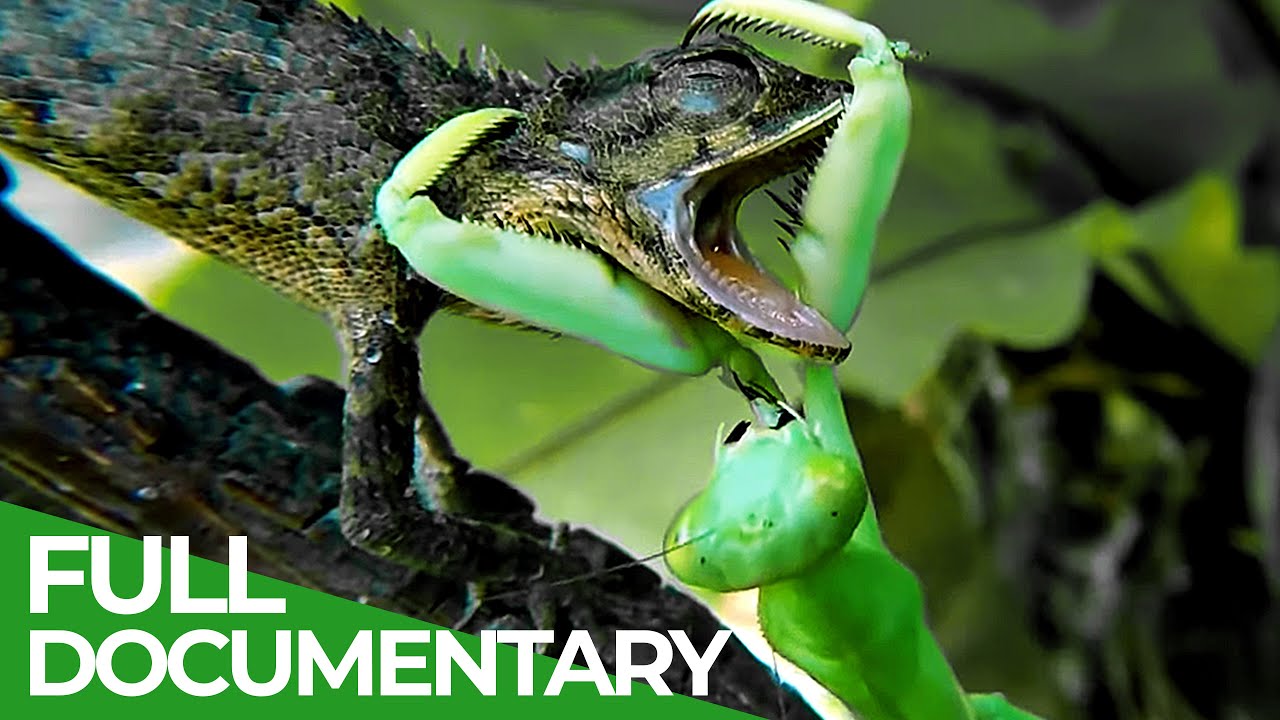
In nature, interactions among organisms take many forms, and can have either positive or negative effects on the individuals involved. Competition is a type of interaction where both individuals are negatively impacted because they are fighting for the same resource, such as habitat or nutrients. Predation is a form of competition in which one individual benefits while the other is harmed.
The predator feeds and the prey. . .
well, it dies, when the predator is successful. Parasitism is a specialized form of predation, where a larger organism is the host of a much smaller and sinister tenant. Parasites thrive at the expense of the host.
They have quicker They have quicker generation times and are specialists, so most live their entire lives within a host. Mutualism is a relationship where both organisms benefit from each other. Plants often recruit insects, to participate in a contract that provides food in exchange for pollination.
However, mutualism may share many characteristics with parasitism, as is the case of obligate mutualism. Here, instead of one thriving at the expense of the other neither can survive or reproduce without the other. This is the definitive case of the fig tree and the fig wasp.
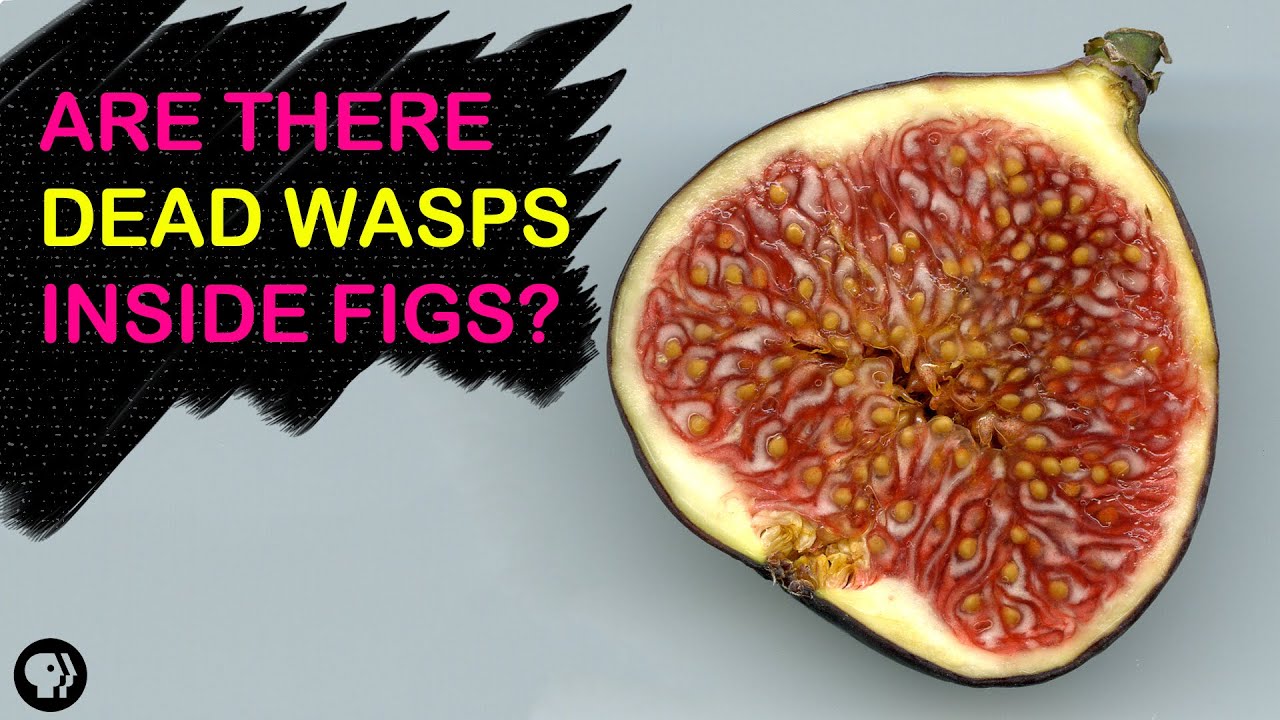
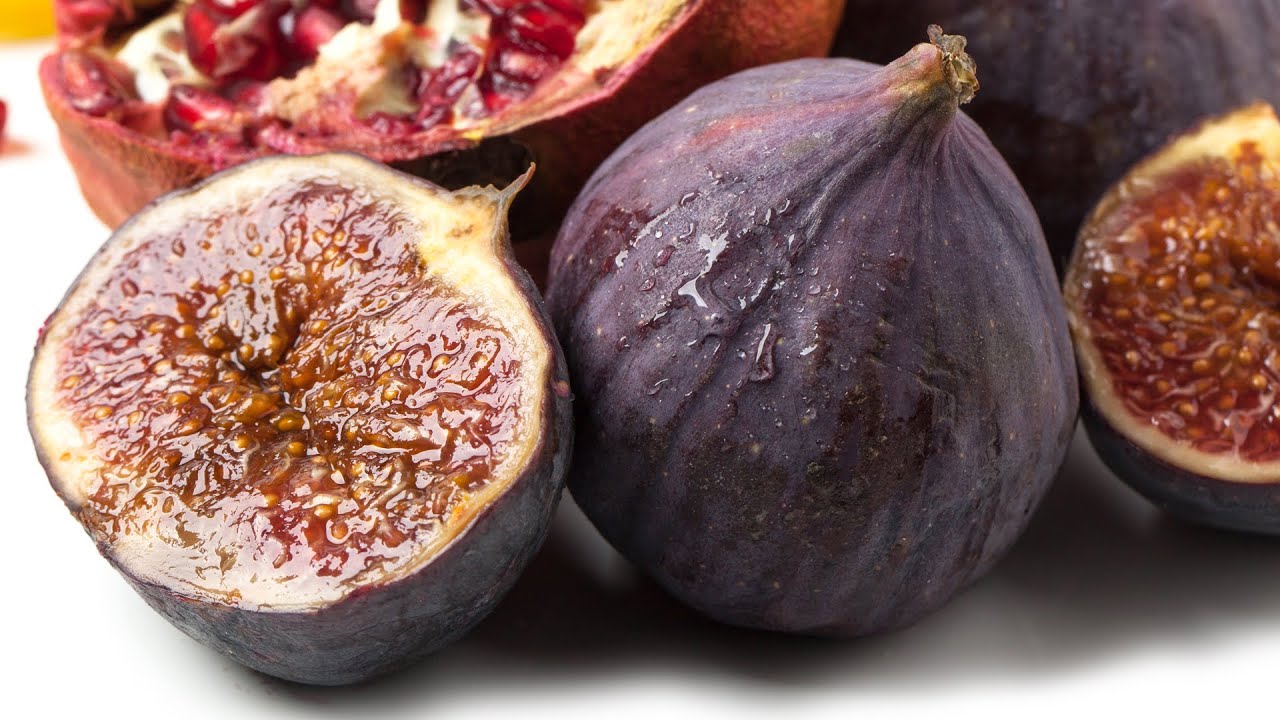
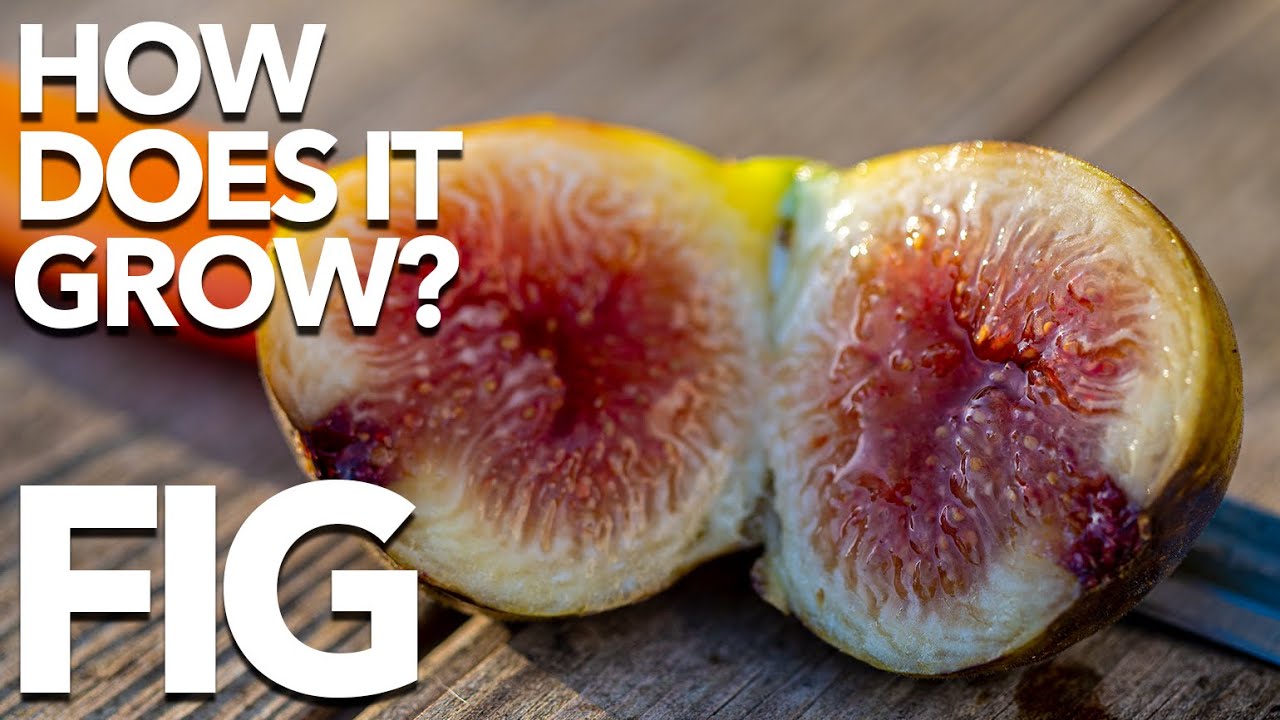
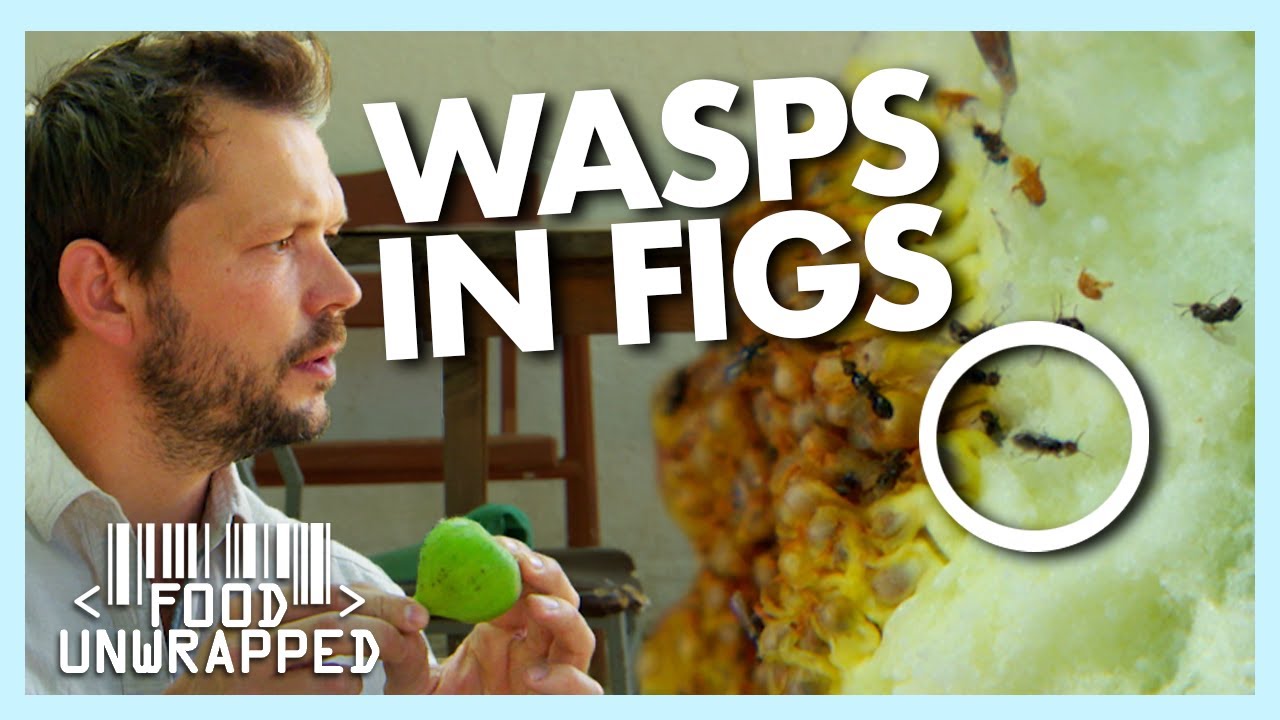
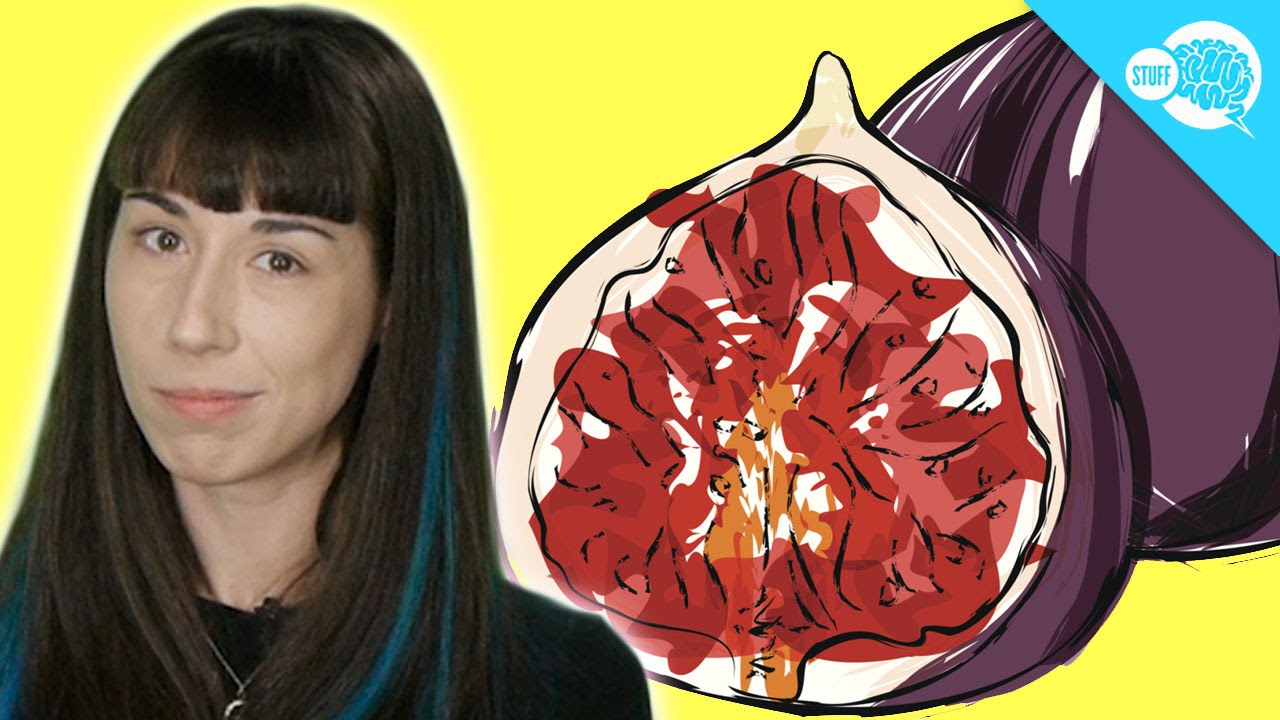
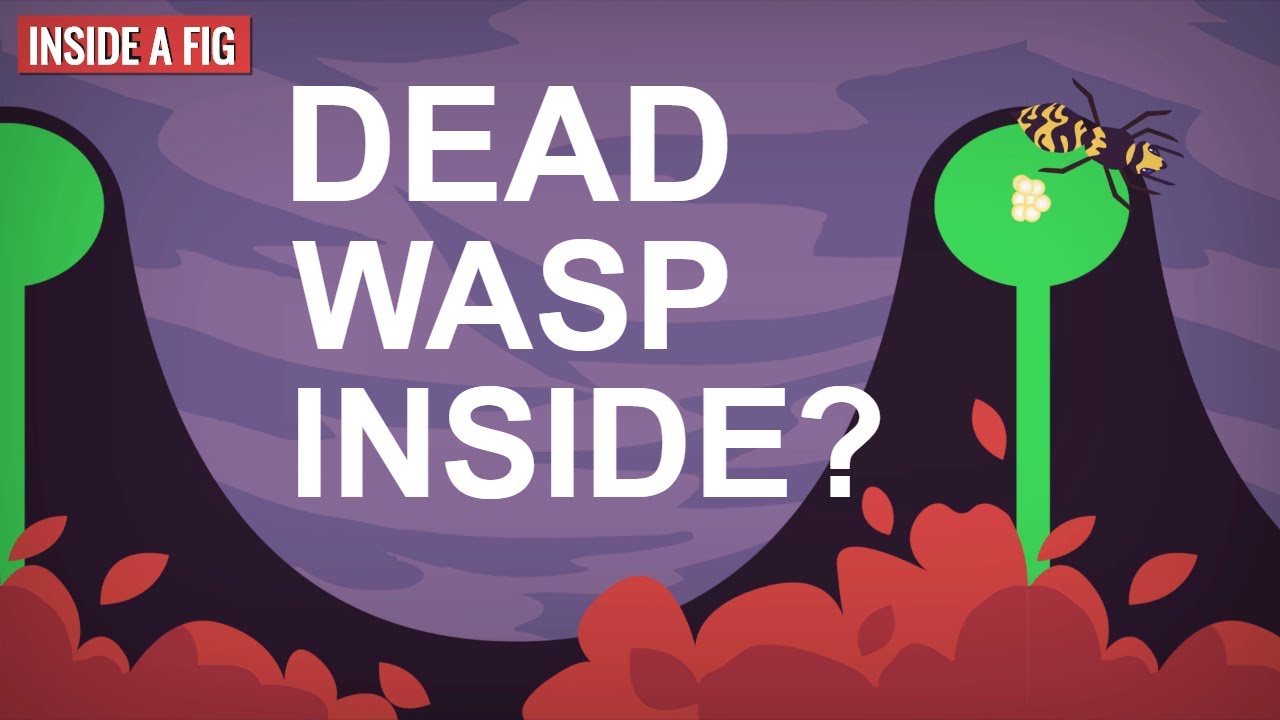
The fig is not a fruit, but a hollow garden of flowers. A female fig wasp has laid her eggs and pollinated the flowers, which have now reached maturity. The fig is a nursery, it has cared for the future wasps by protecting them within its galls.
The male wasps mature early. Wingless and almost blind, they are the first to emerge from their galls. Then their essential ritual begins, as he mates while the female is still in her gall, ensuring she has everything she needs to produce eggs when she reaches maturity.
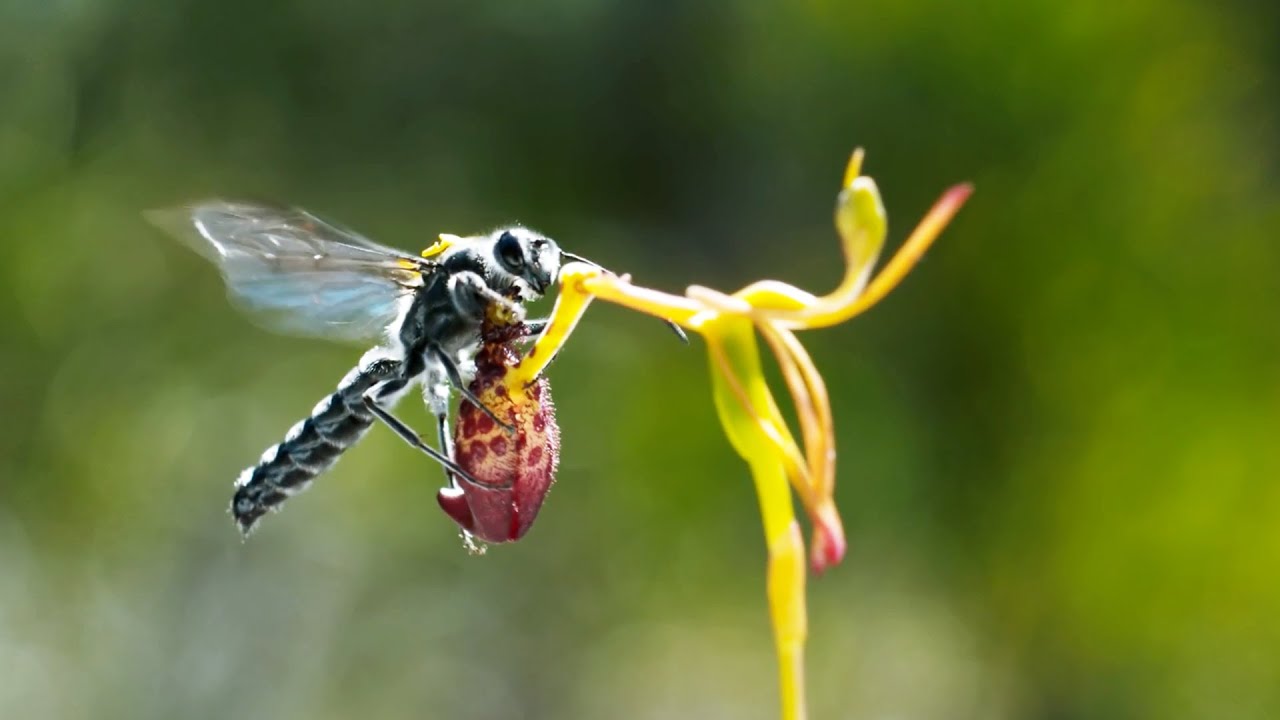
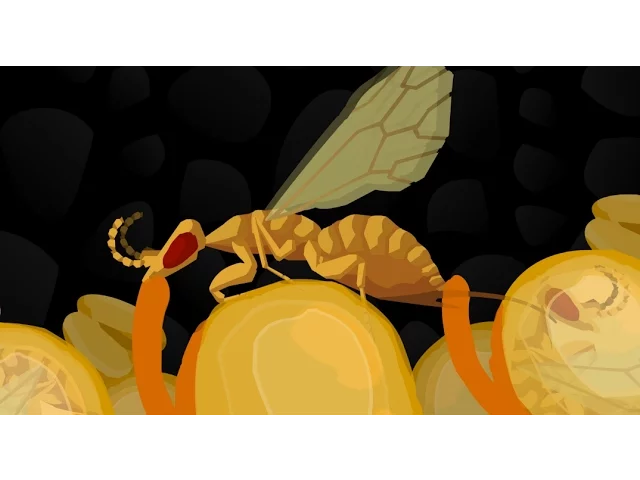
Soon thereafter the females emerge. They look very different, with antennae and large eyes, powerful wings and a long ovipositor. They are not built to be enclosed, they are meant to be free.
They don't have much time, for the fruit ripens as soon as the galls are empty. Male wasps cut stamens and offer the pollen to the females, which they take as a parting gift. Finally, the males proceed to dig a tunnel to set the females free.
They briefly witness the light of day in their dying moments, while the females fly towards their quest for another fig. The fig left behind rapidly ripens, which attracts animals that will eat them and disperse their seeds. This is the legacy of the wasp; she provides the pollination that completes the fig`s reproduction.
Female wasps have very short lives and to cope with this and the risk of missing out on pollination, fig trees randomly fruit throughout the year. And so the pollen-laden wasp reaches an immature fig. But her journey is far from over; ahead lies the greatest challenge of her brief life.
Clawing and squeezing her way through the gate her wings and antennae are ripped from her. She makes the ultimate sacrifice, as the final push to enter bursts her abdomen. In an epic struggle between sacrifice and survival, the mother wasp crawls through the narrow labyrinth towards the inner chamber.
She is wounded and weak, carrying only her eggs and the pollen gift of the former fig. If the wasp fails to pollinate the flowers, no seeds will ever develop. Fig fruits with no future are costly to the tree, so they will not receive an inflow of nutrients.
If the wasp does not pollinate, the entire fig may be aborted. However, if she devotes herself to pollination as well as laying eggs, she ensures the fig will hold the promise of seeds. The tree will pump sugars and nutrients into the fig, securing the future of seeds and larvae alike.
When they mature and leave, the fig will ripen, thus completing the cycle of mutual benefit that has existed for millions of years. After so much effort, she finally reaches the nursery to complete her mission. The pollen she carries will ensure the fig remains, and so will her developing offspring.
Struggling, she lays her eggs with her ovipositor into receptive flowers. Finally, she unpacks her gift of pollen and fertilizes the fig. After perpetuating the relationship, she lays down in her grave of flowers.
She has ensured life continues beyond her; the tree will care for her young alongside its own developing seeds. In time, some seeds will grow into centennial trees, and somewhere, out there, a mother wasp looks for a fig. And so the mutual cycle starts anew.
![Incestuous fig wasps: death in paradise [HD]](https://img.youtube.com/vi/Bg73x-iwIAY/maxresdefault.jpg)