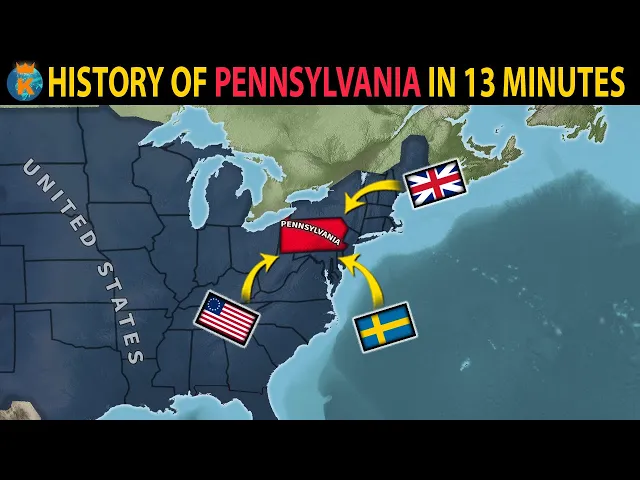
the state of Pennsylvania has a deep and fascinating history as one of the original 13 colonies it also holds an important place in the history of the United States Pennsylvania's history began long before any humans lived there what would become eastern North America was underwater during the Cambrian geologic period approximately 540 million years ago and was also much closer to the Equator the shallow sea and warm climate meant there was a great deal of marine life as these hard shelled animals died and sank to the bottom they created layers of calcium rich sedimentary rocks including
Limestone and gypsum both of which would be important for the industries of the 19th and 20th centuries about a 100 million years later another shifting of the plates brought the erosion of a nearby mountain range creating Shale within which set the oil and gas deposits that are so valuable in the modern day this was followed by a Carboniferous era socalled because of the great deal of lush vegetation that settled onto the ground over millions of years and eventually compressed to become coal yet another resource important to pennsylvanians the first human inhabitants of the eastern part
of North America were descendants of the people who crossed the burring land bridge between 2,000 and 15,000 years ago when glaciers reduced the sea level and exposed a vast and Rich grassland between Siberia and Alaska over the course of a few thousand years groups made their way from what is now Alaska all the way to the southern tip of South America some staying here or there becoming the ancestors of the modern indigenous peoples of the Americas in what would become Pennsylvania the native peoples lived a semi-sedentary life practicing agriculture but also keeping to a seasonal
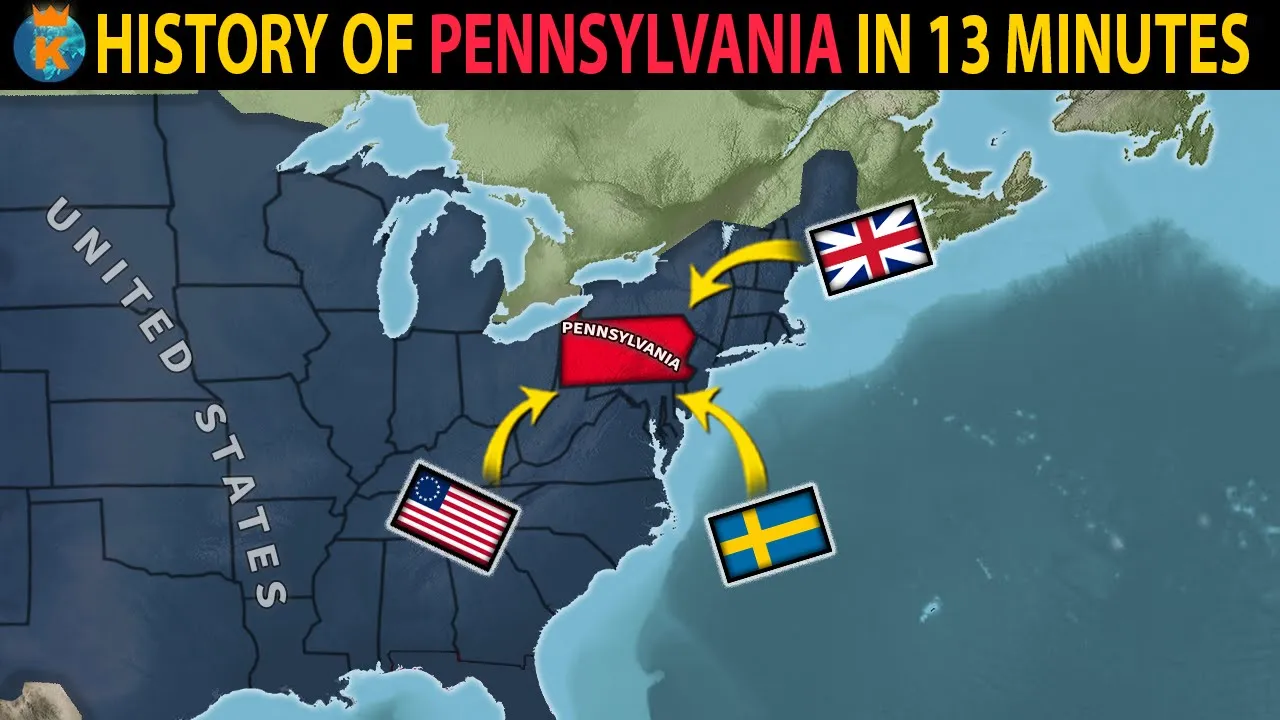
round of hunting and Gathering to supplement what they'd cultivated these people were members of the Algonquin and iroan language groups including the Delaware adigo manaila irie LPE susqu hanak Tuscarora and other tribes the first Europeans in what would become Pennsylvania were members of the short-lived New Sweden Colony established in 1643 they lived alongside the English colonies of Jamestown and Maryland and the outcomes of a few European Wars meant that the British gained control over the area in 1674 War 7 years later King Charles II of England granted a large tract of lands to William Penn
in payment of a debt the king named it Pennsylvania meaning Penn's Forest which Penn disliked because it made him look conceited as people would assume that he named it not the king Penn was a member of the Society of Friends better known as the Quakers who are an offshoot of the anglica Church Quakers believed that if God created all people equal they should be treated as such and so were strict egalitarians they refused to recognize the Privileges of aristocrats and class distinctions they were also strict pacifists these traits made them Troublesome for England where it
was feared that they would cause major disruptions to the hierarchy even so far as the authority of the king so when King Charles II had the opportunity to pay a debt while also encouraging a trying group of people to leave England he saw an opportunity Penn also saw this as a chance for himself and his co-religionists to put their ideals into practice outside of an overreaching government that did not agree with them William Penn arranged for land sales before even having seen the colony the first colonist and Penn set out in August of 1682 arriving
on the shore of North America in October he sorted out the land grants and purchases then set up the capital of Philadelphia he returns to England the next summer to respond to financial and political disputes both in his personal life and as regarded The Colony when he returns to Pennsylvania the next year he applied Quaker principles to his deal dealings with the local tribes Penn made a point of treating the natives as equals or at least as fellow humans and not simply something that stood between them and the ownership of the land because of this
policy Pennsylvania was unusual in that it required no fortification or protections against the actions of the local tribes people this policy did not however outlive William Penn over the rest of his life he spent a great deal more time in England than he did in his Colony he died in 1718 though many of Penn's governing policies fell by the wayside while he was not in Residence and after his death one that remained and was a Cornerstone of how Pennsylvania operated was religious tolerance members of every Christian sect and denomination were welcome in Pennsylvania and so
it became a Haven even for those who like Quakers were annoying to their governments hugenots Calvinists menites and even Catholics found refuge and the freedom to practice their faith in the colony the Society of Friends also encouraged members of these groups to be involved in government as this solved a bit of a problem because they did not believe in taking Oaths many of them were not comfortable acting in government roles and because they did not believe in standing in just judgement over other people they could not be judges without non- Quakers Pennsylvania would not have
functioned however the presence of those who were not members of the society required that they allow practices of which they did not approve like slavery by the mid 18th century slaveholding was as common in this Colony as the others and even some Quakers owned slaves by mid-century the English government decided to make Pennsylvania a Crown Colony like the other American colonies conflicts with local tribes over the location of borders after the 1737 walking purchase along with unresolved issues over the colony's governance were major factors the Quakers abdicated control in 1756 just as the French and
Indian war broke out and brought to a head conflict with their neighbors over their policy of strict pacifism Pennsylvania and Philadelphia particularly was instrumental to the American Revolution the two continental congresses were held in the city it served as the capital of the new United States for a short time and the city hosted the Constitutional Convention in 1784 the state was also home to the first major internal conflict for the new country the Whiskey Rebellion this took the form form of a refusal to pay taxes on distilled Spirits which the people involved justified by pointing
to the examples of the American colonists response to the tea and stamp taxes that they believed to be illegitimate it was put down in 1794 by President George Washington whose appearance at the head of an army seems to have been enough to cause a retreat and willing payment of the taxes in the the 19th century Philadelphia became a cultural center for the Young Nation with the country's first Museum Stock Exchange and College of Medicine Pennsylvania was also the first state to abolish slavery though it did so with a gradual emancipation meaning it was 1847 when
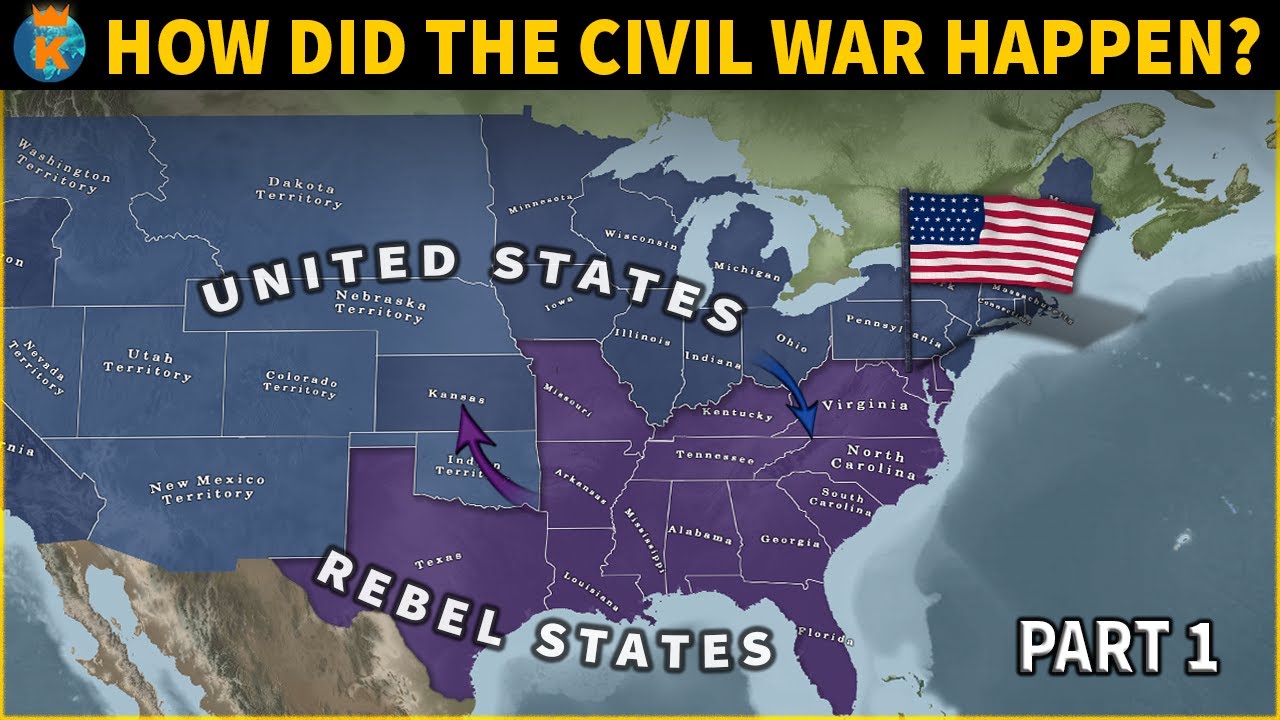
the last enslaved people in the state were made free given that it was a free state and shared a border with Virginia Pennsylvania had an incredibly important role in the American Civil War a few major battles were fought in the state of which Gettysburg is the best known the location of this battle is the furthest point North reached by the Confederate Army they did not try to push further into Union territory after that the Union victory after 3 days of intense fighting at Gettysburg was a turning point of the war after which the Confederate surrender
seemed inevitable the state was also an important element in the creation of wealth during the Gilded Age of the late 19th century the magnates of the era Jay gold John Rockefeller Andrew Carnegie and others all used the natural resources of Pennsylvania to fuel their companies the way these businesses functioned spurred workers rights and unionization efforts amongst their employees but their employers were not not shy about using any methods even violent ones for union busting Pennsylvania's industry was incredibly important to World War I as it would be for World War II at the end of the
Great War like so much of the world the state was hit with an outbreak of the 1919 influenza also known as the Spanish Flu a war bond parade in Philadelphia became an example of what not to do during a Pand pmic the crowd of 200,000 people not only collected money for the war effort but also collected germs thousands of people fell ill within a few days and a good number of them died the Great Depression beginning with the stock market crash on the 29th of October 1929 was a worldwide financial disaster and Pennsylvania was not
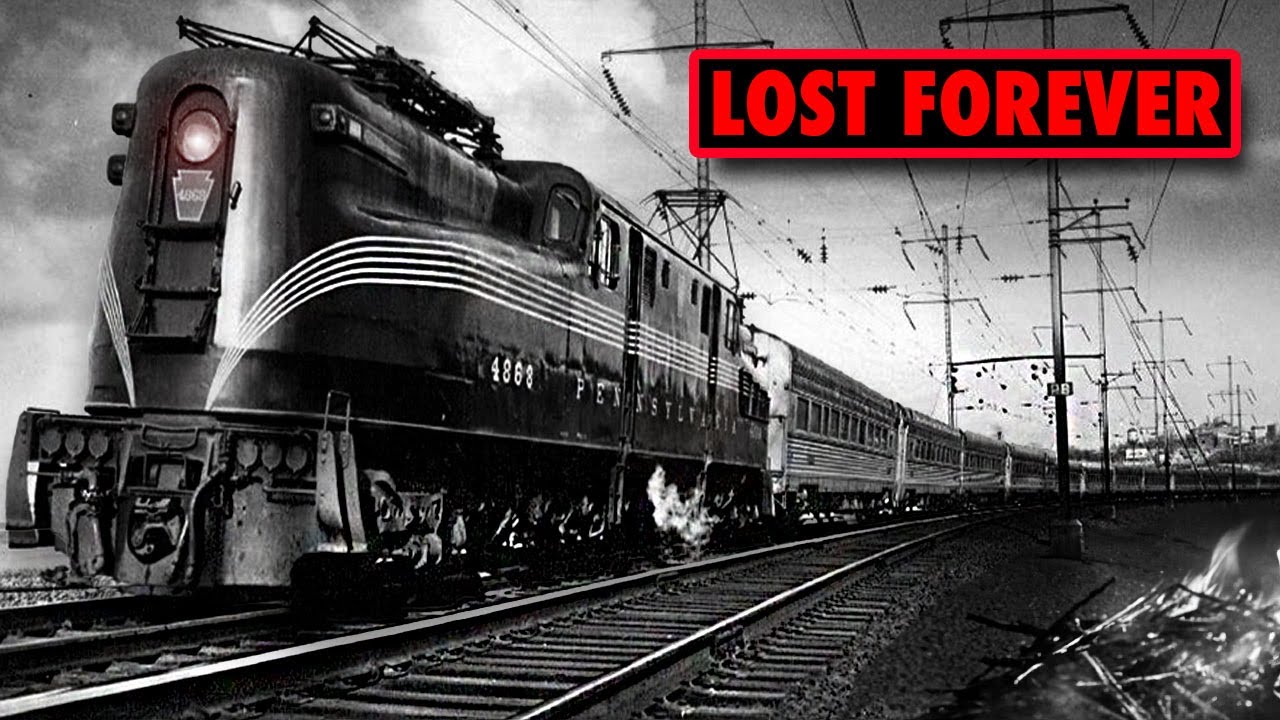
shielded from it in fact the state supreme court made the situation worse as they ruled that elements of the New Deal violated the State Constitution and so reduced the amount of Federal Aid available to the state by the New Deal programs like the rest of the country however the massive federal spending programs associated with World War II pulled the state back from the brink with its iron resources steel mills and other assets Pennsylvania produced about 6% of the armaments made for use by the United States during the war another product made in Pennsylvania was also
incredibly important to both the war effort and the post-war rebuilding work the Hershey bar the continued importance of manufacturing through the post-war era created a strong Blue Collar middle class for about a generation however by the early 1980s a massive reduction in Steel manufacturing and a slower reduction in coal mining left previously thriving communities destitute in the last Decades of the 20th century the state shifted to more service industry employment in the technology sectors it has also become an important swing state for US presidential elections from its geologic prehistory to the lives of the native
tribes to its involvement in the creation of the United States as we know it Pennsylvania has a rich and fascinating history that will undoubtedly influence it toward a bright [Music] future