[Music] So, welcome back to the options crash course strategy series! My name is Jim Schultz, and I'm still your tour guide. In this video, we are going to cover the long vertical spread.
We're going to follow the same framework that we used for the short vertical spread. We're going to talk about managing winners, managing losers, and we're also going to discuss that dance floor—all that stuff kind of in between. So, first, let's begin with how a long vertical spread sets up.
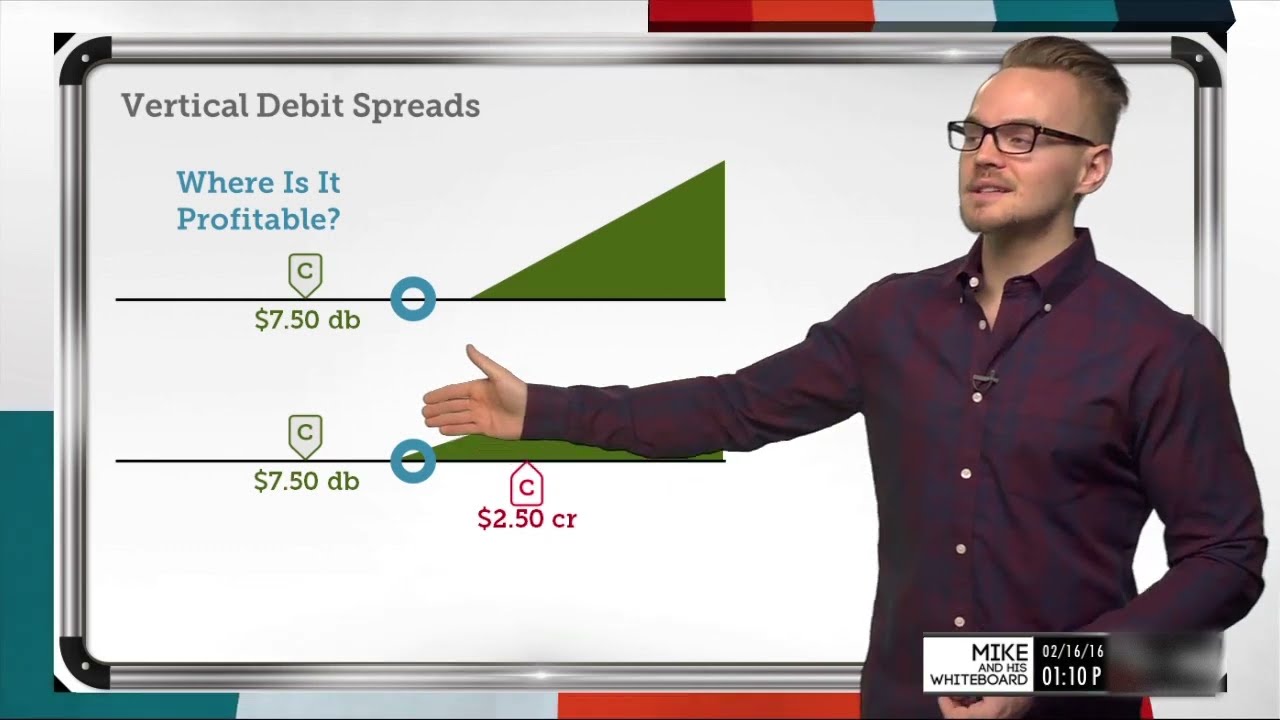
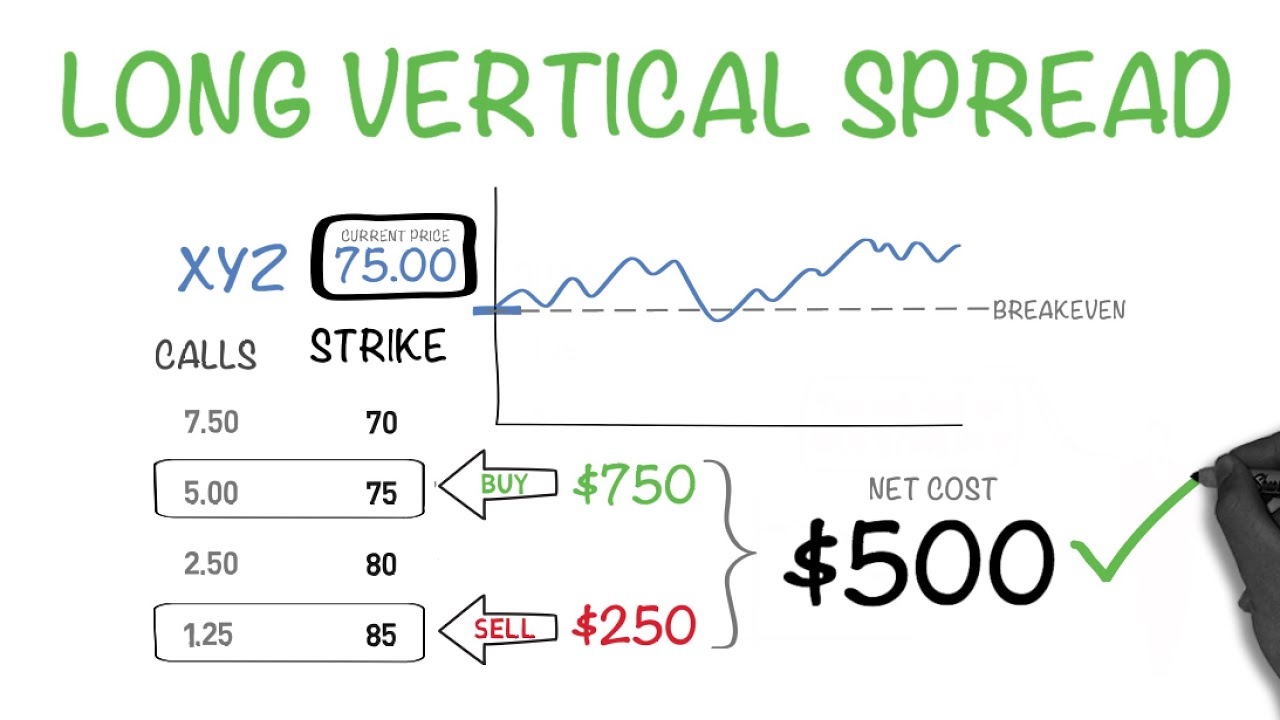
A long vertical spread is going to set up pretty similarly to a short vertical spread; you're going to have a long option and a short option, but their exact placement is going to be a little bit different. Remember, with a short vertical spread, we focus primarily on out-of-the-money options. With a long vertical spread, we're actually going to be closer to at-the-money with our strikes.
We're going to go a little bit in-the-money with our long strike and a little bit out-of-the-money with our short strike, basically straddling the current stock price. With this strategy, we like to be around the at-the-money strike for the following reasons: we don't want to move too far out-of-the-money because that's going to be a low-probability trade, and even though we're buying premium, we still want to be aware of the probability on this trade. We also don't want to move too far in-the-money because that will not be a great risk-return trade-off for this type of strategy.
Alright, so that's how a long vertical spread sets up. Now, the fun stuff! Let’s talk about managing those winners.
Right? You have a long put spread on, and the stock goes down—that's going to work out pretty well. You have a long call spread on, and the stock goes up—that's also going to work out pretty well.
You set your profit target at 50% of max profit; when it gets there, you take it off, you move on, and you find another opportunity. Alright, easy enough! Those winners are going to pretty much take care of themselves.
But what about the not-so-fun stuff: the losers? Right? What do you do when this trade moves against you?
What do you do when the stock doesn't cooperate? To put it very simply: nothing. You sit and you wait.
Sure, if you can roll out at 21 days to go and you can do so for a credit, then you should do that. But if you can't—if the strategy is too far gone and the stock has just not come back to you—you have to sit and wait. Remember, we control our position sizing on order entry, so if it takes the whole cycle for this thing to come back, then it takes the whole cycle for this thing to come back.
If it never comes back, then it never comes back. With our defined risk positions, especially something like a long vertical spread, if the stock doesn't cooperate, then you just have to do nothing. Alright, so that is it!
That is how you manage a long vertical spread. Again, be sure to save this video for future reference, and then when you are ready, I will see you in the next video, where we are going to talk about iron condors. We'll see you guys there!