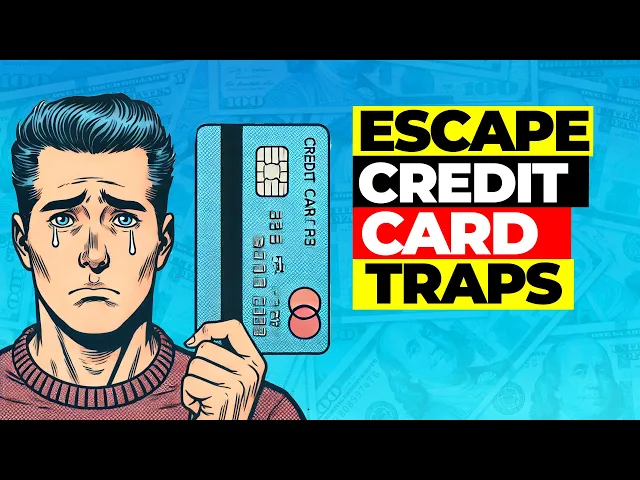
credit cards can feel like magic swipe the card get what you want and worry about paying for it later it's easy to fall into the Trap of treating credit like cash especially when the transaction is so smooth and effortless but this mindset can quickly lead to trouble when you treat credit as if it's just money sitting in your bank account it becomes all too easy to overspend and rack up debt and that's when things can get costly fast in today's video Let's explore why treating credit like cash can hurt your financial health and how you
can break free from this dangerous habit number one credit is borrowed money not cash in your pocket one of the biggest mistakes people make is forgetting that credit isn't the same as cash when you use a credit card you're borrowing money from the bank or credit card company and eventually you'll have to pay it back often with interest unlike cash which is yours to spend freely credit is a loan that comes with conditions if you don't pay the balance off in full each month you'll start accumulating interest on what you owed this is where many
people get into trouble by thinking of credit as cash it's easy to spend more than you can afford to pay back leading to debt that can snowball quickly instead it's important to remember that credit is a temporary loan not extra income or free money it's also important to recognize that when you use credit the bank or credit card issuer is profiting off of you they charge interest and fees to make money which is why treating credit like cash can lead to financial strain by thinking of credit as borrowed money that needs to be repaid quickly
you can avoid falling into a debt trap number two interest adds up quickly one of the biggest hidden dangers of treating credit like cash is the interest that accumulates if you don't pay off your balance in full let's say you buy something for $100 but you only pay $50 when the bill comes the remaining $50 will start to rack up interest and before you know it you could end up paying significantly more than the original cost of the purchase most credit cards charge High interest rates often around 15% to 25% so even a small unpaid
balance can grow quickly over time paying interest on top of what you originally spent can make your purchases much more expensive than they seemed at the time this is why it's crucial to avoid carrying a balance on your card and to pay off your debt as quickly as possible the trouble with interest is that it can feel invisible you might not notice the immediate impact but it compounds over time many people only realize how much extra they've paid when they look at their total debt after months or years in contrast when you pay with cash
there's no interest and what you see is what you spend number three credit limits can be deceiving credit card companies often give users High credit limits which can make it feel like you have access to more money than you actually do but just because you have a $5,000 or $10,000 credit limit doesn't mean you should spend that much credit limits are not an indication of how much you can afford they're just the maximum amount the credit card company is willing to lend you treating your credit limit as available cash can easily lead to overspending it's
important to use your credit responsibly and stay well below your limit ideally aim to spend no more than 30% of your credit limit to keep your credit score healthy and avoid unmanageable debt when you treat credit like cash it's easy to look at your credit limit and feel like you have extra money to spend but what many people don't realize is that maxing out your credit card can hurt your credit score and make it harder to get approved for loans or lower interest rates in the future by keeping your balance low you not only avoid
unnecessary debt but you also protect your credit Health number four minimum payments won't save you when you treat credit like cash it's easy to fall into the habit of only making the minimum payment on your credit card balance each month the minimum payment might seem like a reasonable way to manage your finances but it's a trap credit card companies design minimum payments to keep you in debt longer because only a small portion of your payment goes toward reducing the actual balance the rest covers interest buy making only the minimum payment it can take years to
pay off even a small balance in the meantime interest keeps piling up and you end up paying far more than you originally borrowed to avoid this always aim to pay more than the minimum amount ideally pay off the entire balance if you can imagine this you owe $11,000 on a credit card with a a 20% interest rate if you make the minimum payment of $25 it could take you years to pay off the debt and you'll end up paying much more than $1,000 by the time it's fully paid off minimum payments create the illusion of
financial control but in reality they can trap you in a long-term debt cycle number five it can lead to a debt spiral treating credit like cash might feel harmless at first but over time it can lead to a dangerous debt spiral as your credit card balance grows so does the interest you owe soon you're paying more an interest than on the actual items you bought if you continue to treat credit like cash you may find yourself relying on credit cards just to cover everyday expenses further deepening the cycle this debt spiral can be incredibly difficult
to escape the more debt you accumulate the harder it becomes to pay it off and the more Reliant you become on borrowing breaking the habit of treating credit as cash is essential to avoid falling into this financial trap the more you rely on credit cards to make purchases the more likely you are to increase your overall debt what starts as a convenient way to cover short-term expenses can quickly turn into a long-term burden many people find themselves using One credit card to pay off another creating a vicious cycle of debt that can take years to
break free from number six credit affects your financial future another reason treating credit like cash can cost you big is the impact it can have on your credit score and financial future when you carry a high balance on your credit card or Miss payment pents it lowers your credit score a lower credit score can make it more difficult to get approved for loans mortgages or even rent in apartment it can also lead to higher interest rates on future borrowing making it more expensive to finance large purchases like a car or home your credit score is
a reflection of how well you manage borrowed money and consistently treating credit like cash signals poor financial management to protect your financial future it's crucial to use credit responsibly and keep your debt under control do having a strong credit score isn't just important for getting loans it also affects your financial reputation landlords employers and insurance companies often check credit scores before making decisions if you treat credit like cash and accumulate a lot of debt it could impact more than just your ability to get a loan it could affect where you live or the job opportunities
available to you number seven how to break the Habit if you've been treating credit like cash don't worry it's never too late to change your habits start by paying off your credit card balance in full each month if you're already in debt focus on paying more than the minimum payment to reduce your balance faster set a budget that includes a specific amount for credit card spending and stick to it only use your credit card for Planned purchases and treat it as a tool for convenience rather than extra income another strategy is to switch to using
cash or a debit card for everyday purchases this will help you stay mindful of your spending and avoid racking up unnecessary debt to successfully break the Habit it's help helpful to set a clear plan set a goal for when you want to pay off your credit card balances and track your progress along the way you can also try using a reward system like rewarding yourself when you hit certain Milestones such as reducing your credit card debt by $500 number eight replace credit cards with better financial habits one of the most effective ways to break the
habit of treating credit like cash is to replace it with better financial habits for example instead of relying on credit cards for everyday purchases try building an emergency fund or saving for larger expenses this way when unexpected costs arise you can cover them without turning to credit. start small by setting aside a portion of each paycheck for savings over time this will reduce your Reliance on credit and help you build a more secure Financial Foundation additionally focus on creating a budget that works for your lifestyle and avoid the temptation to overspend by sticking to your
financial goals placing credit cards with better habits doesn't mean eliminating them altogether if you use credit cards responsibly such as paying off the balance every month and avoiding unnecessary purchases they can be a valuable tool for building credit and earning rewards credit cards can be a useful Financial tool when used responsibly but treating credit like cash can quickly lead to debt High interest payments and financial trouble remember credit is borrowed money that needs to be paid back not extra cash for you to spend freely by changing the way you think about credit and making smarter
Financial choices you can avoid the pitfalls of credit card debt and keep your finances healthy take control of your credit today and start building a stronger financial future