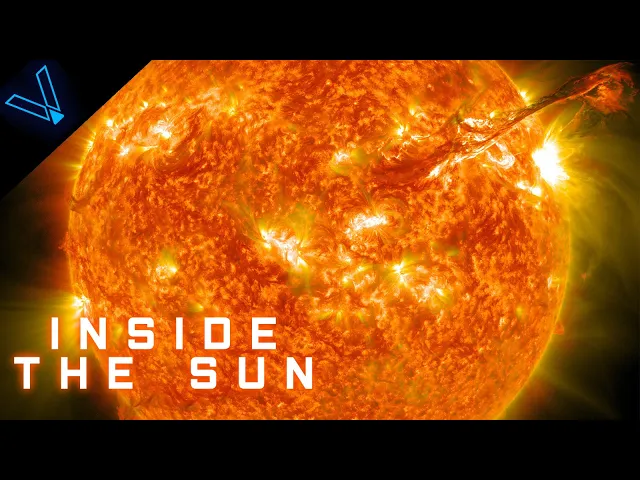
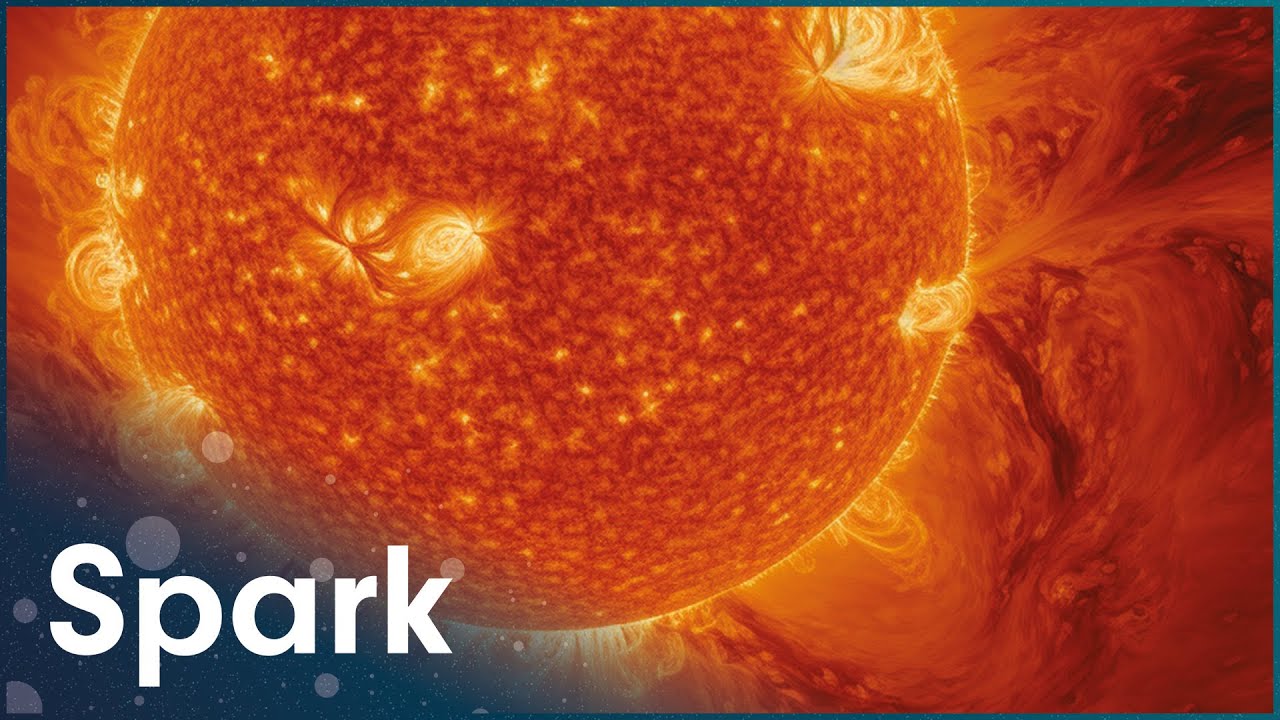
[Music] our closest star the sun is one of billions of stars that make up the milky way galaxy it lies at the heart of the solar system bathing the planets with light and heat which has allowed life to flourish in magnificent ways across the earth's entire surface its gravity holds the solar system together keeping everything from the largest planets to the smallest particles in orbit and it is so big that around 1. 3 million earths could fit inside of it just like the rest of the solar system the sun formed from a giant rotating cloud of dust and gas about 4. 5 billion years ago this ancient cloud eventually collapsed due to its overwhelming gravity pulling most of the material into the center and forming the sun which accounts for nearly 99.
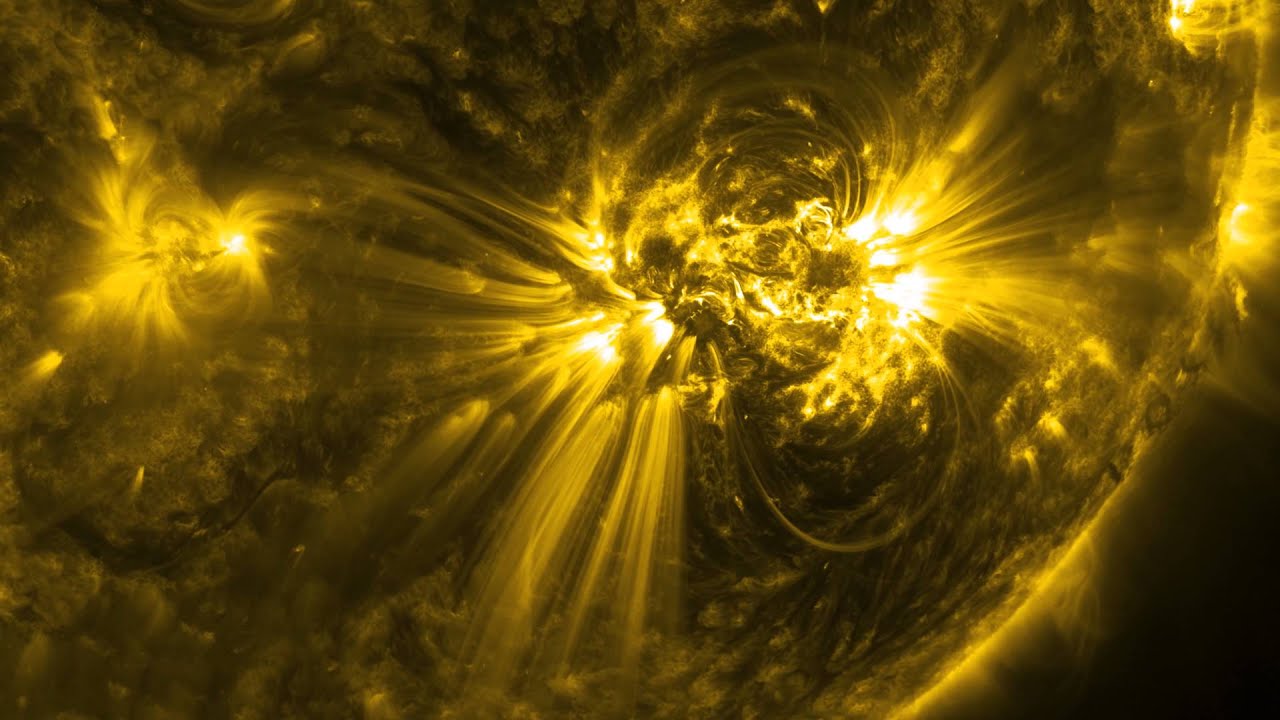
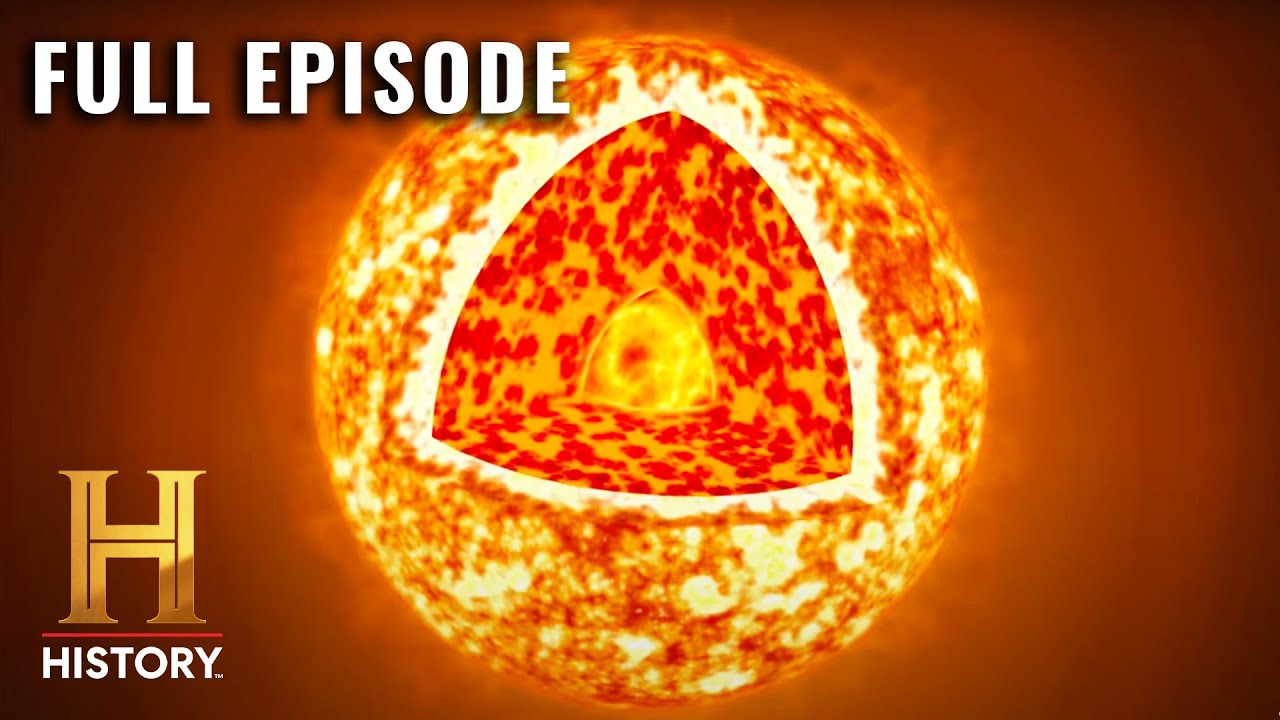
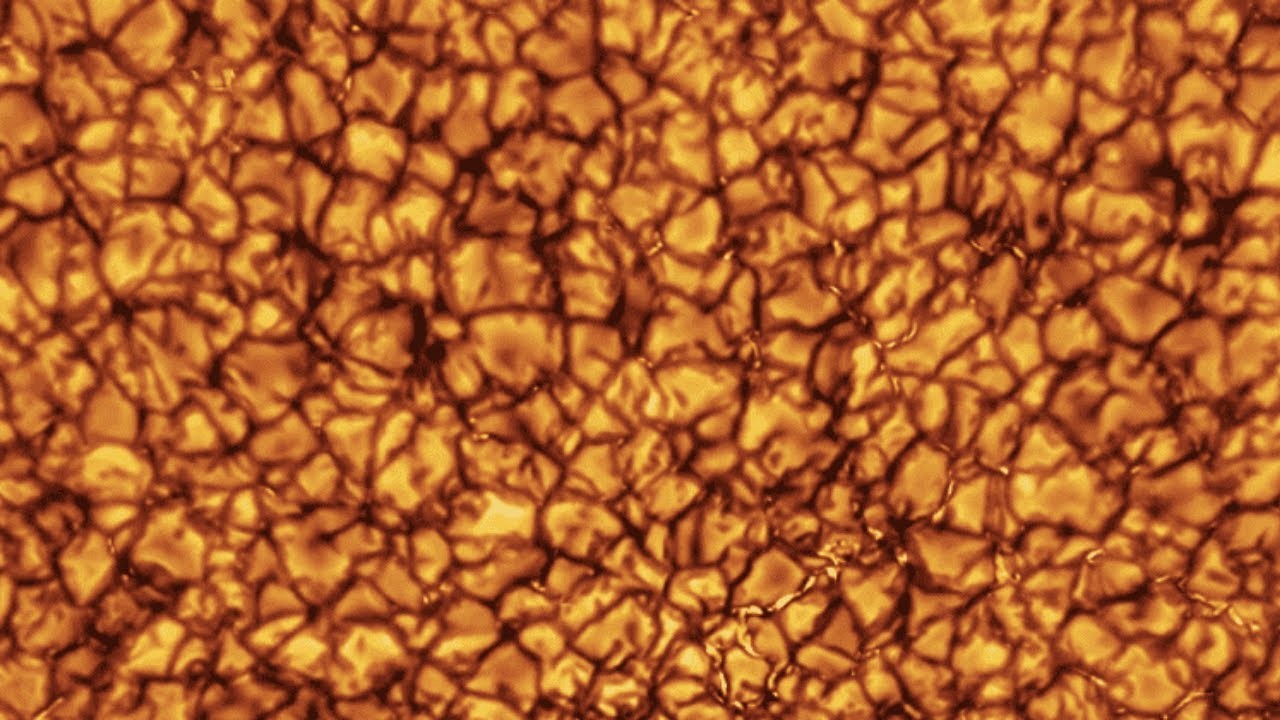
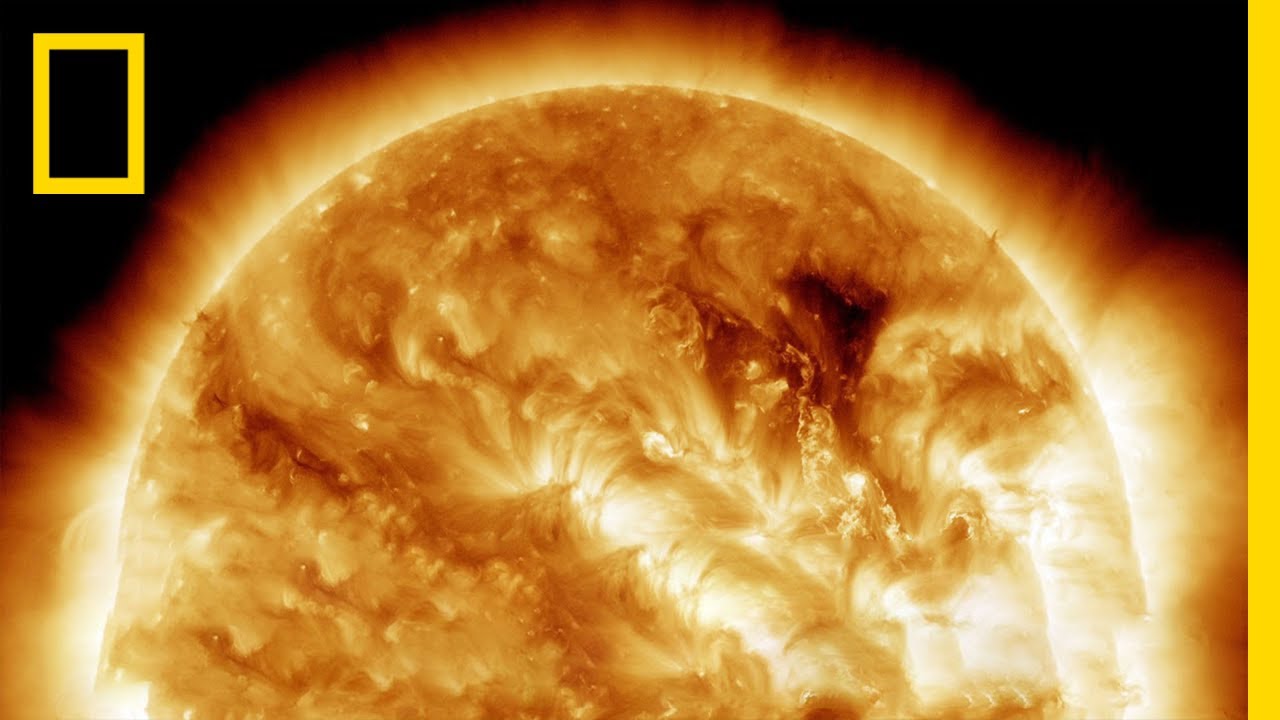
8 per percent the mass of the entire solar system this spectacular event triggered a process known as nuclear fusion which occurs when hydrogen atoms fuse together and create helium the result of this process is an incredible amount of energy in the form of light and heat which influences the environments of all the planets moons asteroids and comets that make up the solar system the sun is our closest star and so it has been under constant observation from spacecraft satellites and telescopes for decades and although it still holds many secrets scientists have been able to learn a lot about how this enormous ball of blazing gas works including what is going on deep within the sun's interior it is impossible to just look inside of the sun as there is no such technology that can see through the hot bright opaque surface but by using the application of physics and computer modelling astronomers can predict the sun's intense internal conditions to understand what is happening within the sun it helps to imagine that it is divided into six layers based on the physical characteristics of each layer so let's explore these dynamic and complex regions and find out what's contained within this gigantic celestial fireball that we see rise and set every single day [Music] at the heart of the sun is the core an enormous nuclear reactor that is possibly 1 000 times the size of earth this is where nuclear fusion takes place when hydrogen atoms violently collide and fuse to make helium under extreme pressures and temperatures the energy produced here is what powers the sun and is where all of the heat and light that we see and feel every single day is created the extreme temperature at the sun's core can exceed 15 million degrees celsius or 27 million degrees fahrenheit and the energy that is released during just one second of solar fusion is said to be far greater than 1. 8 billion nuclear bombs the next layer is the radiative zone a region where energy from the super hot core is carried outwards in the form of photons or light units this layer is not as dense as the core but is still dense enough that photons bounce around and collide with nearby gas molecules over and over again according to nasa a single photon can take more than 100 000 years to travel from the core to the outer border of this strange layer and into the next region the convective zone within the convective zone the temperature drops below 2 million degrees celsius or 3. 6 million degrees fahrenheit and the density becomes low enough that photons are converted into heat and carried outwards by convection currents these currents are rising columns of hot gas next to falling columns of cool gas which produces a rolling motion much like what can be seen in a pot of boiling water we have now made it to a layer that we can see from earth the lowest part of the sun's atmosphere a region called the photosphere the photosphere is sometimes described as the sun's surface however it is not a solid surface like on a rocky planet but instead a 300 mile or 482 kilometer thick outer layer of hot opaque plasma from this region most of the sun's energy that was created hundreds of thousands of years ago deep within its core can finally escape into space and about eight minutes later we can see part of it in the form of sunlight [Music] the photosphere is considerably cooler than the sun's interior but it is still a blazing 5500 degree celsius or 10 000 degrees fahrenheit it is within this bizarre layer that features such as sunspots and solar flares can take form although they are the results of processes and disruptions that have occurred in other regions of the sun above the photosphere is the chromosphere a 1 250 mile or 2 000 kilometer thick layer of thin solar atmosphere that is riddled with jets of hot gas resembling a flaming forest [Music] these jets are called spicules and are fiery wisps of plasma that sometimes reach out for thousands of miles before collapsing and dissolving one of the mysteries of the chromosphere is that it gets hotter the further away you go unlike the internal layers that become hotter the deeper you go the outermost layer of the sun is called the corona which is latin for crown and is a thin wispy part of the solar atmosphere it extends out for several million miles and can only be seen during a solar eclipse or with special x-ray images just like the chromosphere the temperature of the corona also increases with altitude reaching a scorching 2 million degrees celsius or 3.