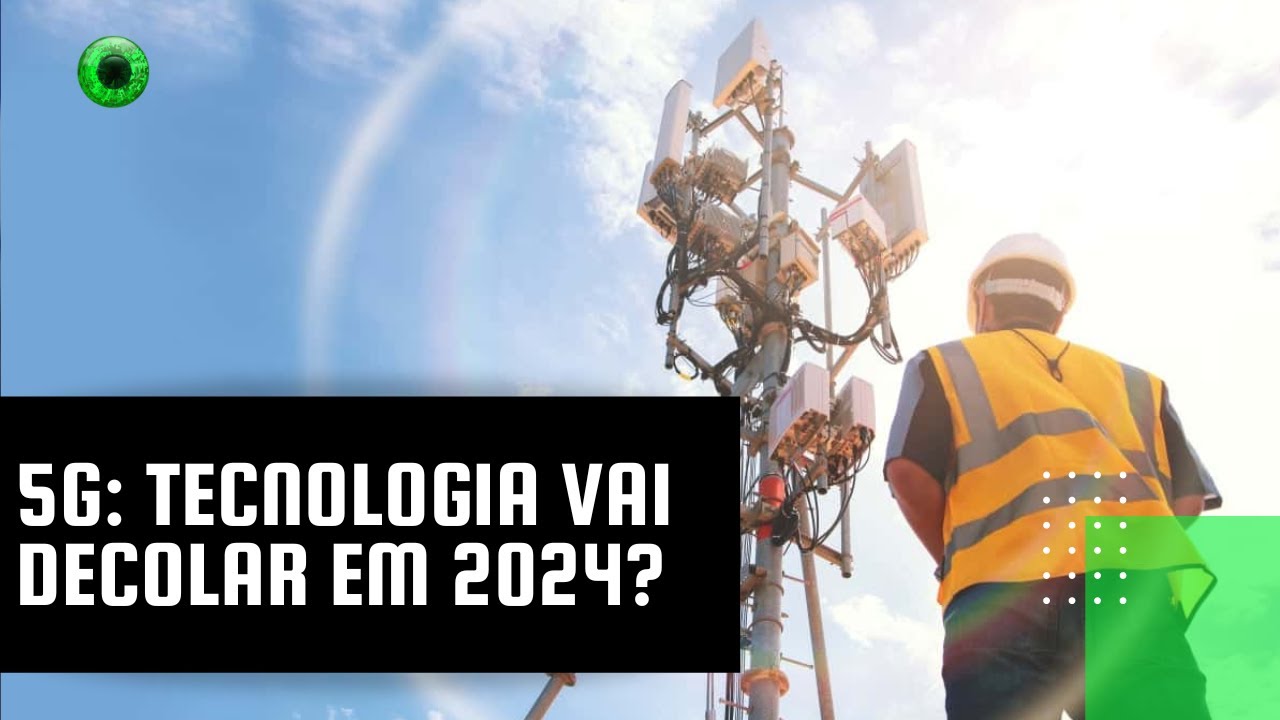
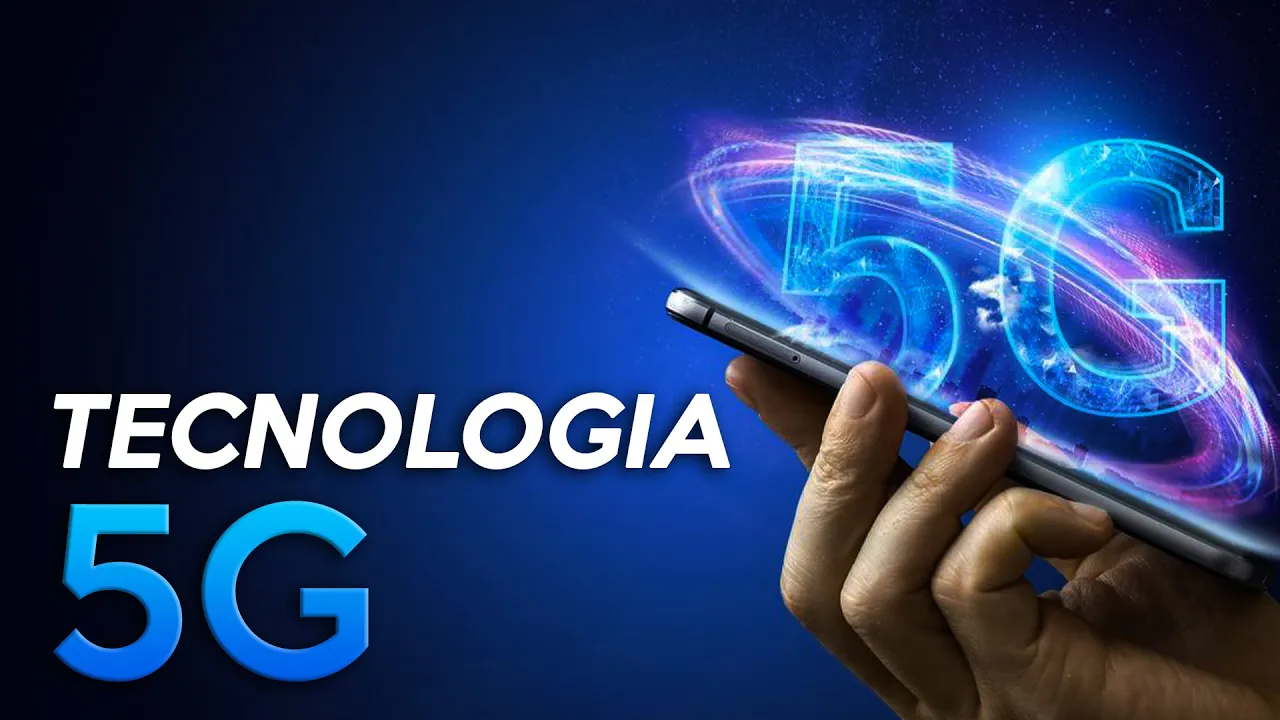
What is this 5G that is so talked about, and why will it improve mobile network communication? Whats up Engineering Lovers, my name is Igor Felipe and today I am here to talk about the new 5G technology, as it is arriving in Brazil and the promise is to improve the way we communicate and use mobile networks. But with the introduction of another term, 5G, it is natural that some doubts and confusions arise about the terminology that we read on the internet or see around.
In fact, this video was motivated by my Mom, who asked me the following question. “Son, they are saying that they are going to install 5G in Brazil, but the modem here at home already has a 5G network. Is not the same thing?
" And to answer my mom's doubts and probably other people out there, let's go to the video. But which 5G is this, will I already have 5G on my wifi network? And my router's 2G network, are we talking about an outdated technology?
You've certainly followed in the news, news about a frequency auction that will improve 5G even more. And along with this auction, you've certainly heard terms like “three and a half”, “3. 5 Giga” or “3.
5 Giga-hertz”. "The issues of coexistence of 5G with satellite dishes, we all know about the conflict that exists from the point of view of interference in the 3. 5 Ghz band.
So we have an important contribution , which was given in this process. . .
" The what would that be and what is the connection with 5G, and after all, is the conversation about 5G or 3. 5? It all sounds very confusing, doesn't it?
In fact, it is quite simple when we understand what this soup of letters, numbers and more technical terms means and mainly what we are talking about. So here we go: It is important to understand that we are talking about different things, which end up being confused due to the similarity of the terms. When we talk about mobile 5G, this technology that has just arrived in Brazil, we are talking about the fifth generation of mobile technology.
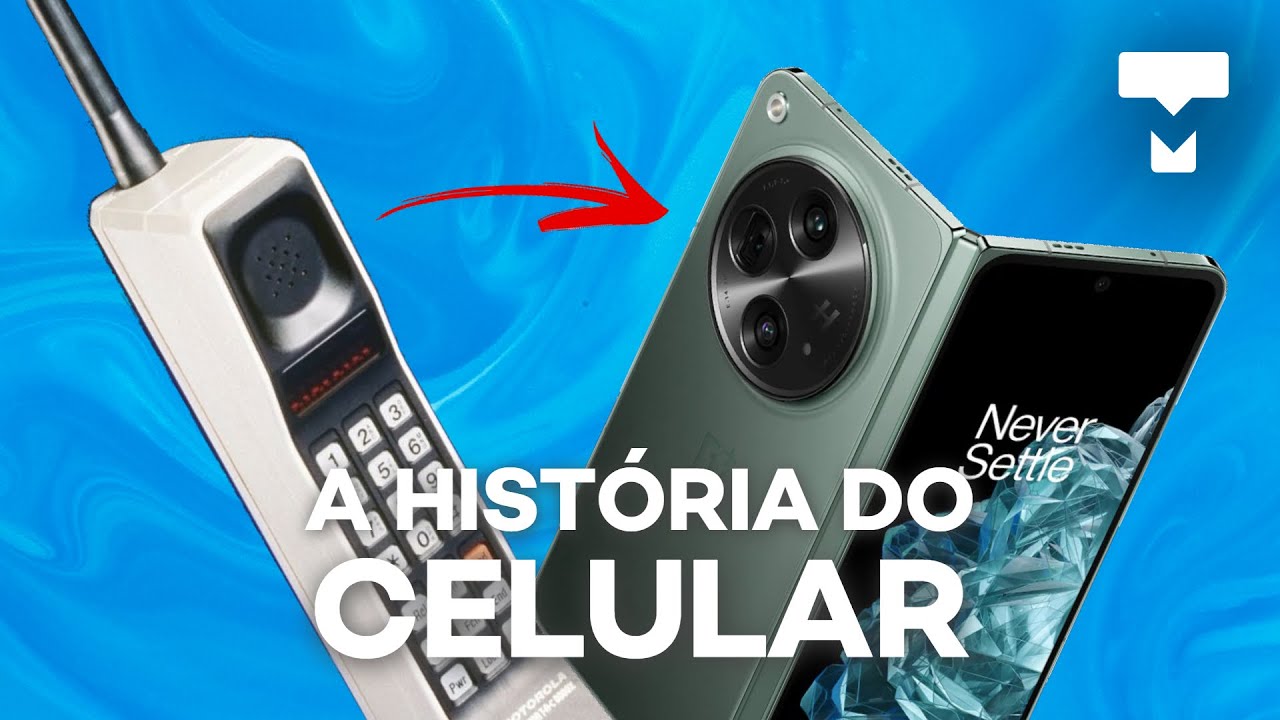
In the 1980s, we created the first generation of mobile technology, 1G technology, which gave rise to the possibility of sending analog voice via cell phones. Soon after, we had the second generation in the 90s, the 2G technology, where it was possible to send digital voice and text messages with a transmission band of up to 100 kilobaytes per second. And then in 2001 we developed 3G technology, which opened the door for portable devices like cell phones to access the internet and which had a bandwidth that could transmit up to 2 megabits per second.
In 2010 we came across 4G technology, which gave mobile devices high connection speeds with a mobile broadband of up to 25 megabits per second. And finally, in 2019, we developed the fifth generation of this technology, or as we know it, the famous 5G that we've heard so much about. It will be able to work with bandwidth that can go up to 1 gigabit per second, and will allow the IOT and machines to communicate with each other at an extremely fast speed.
This technology will make our cell phones with a faster connection, present a latency close to zero and this will revolutionize the industry and society with the speed of communication. In other words, the 5G mobile network we're hearing about means the fifth generation of the mobile network. This 5G features innovative operating features that will bring more speed, stability and flexibility to our hands, IOT devices, agribusiness, industry, smart city solutions and many other solutions.
On the other hand, when we look at the terminologies that are used in wi-fi networks, which distribute the fixed internet signal in our homes or in our businesses, we also have two terminologies that are 2G and also 5G. But these terminology used in wi-fi networks refers to the frequency at which that network operates, and has nothing to do with the 5G of the mobile network. Your home's network called “SomeThing-5G” simply indicates that the Wi-Fi band it works on operates on a frequency of 5 gigahertz.
The “SomeCoisa-2G” network, on the other hand, operates at a frequency of 2. 4 gigahertz. In other words, when we talk about 5G mobile network, we are talking about the generation of this technology, and when we talk about wifi networks, we are talking about frequency.
When we talk about frequency, it means the number of cycles per second that we are transmitting. Analyzing the graph, when we talk about cycle, this means that the wave we created leaves a point, arrives at its lowest point, then arrives at its highest point and then returns at the same exit point. The height of the lowest point and highest point in relation to the reference point is what we call the amplitude.
Let's say you complete 2 full cycles in a 1 second interval. So we say we have a frequency of 2 hertz. So when we say that your router is running on a 2G frequency, we are saying that it has a frequency of 2.
4 gigahertz. Already when we say that it is working with a 5G frequency, it is working with a frequency of 5 gigahertz Today, most home routers are able to distribute broadband internet through these two frequencies that are internationally designed and regulated by default for use on home and commercial WiFi networks. Now this whole mess of 5G mobile network and 5G wifi network came about when someone had the excellent idea of naming a 5Gigahertz WiFi network with the 5G suffix.
So, to reinforce: no, you don't have the new 5G technology in your home router. The 5G of the mobile network will be distributed in Brazil through DSS technology, which stands for Dynamic Spectrum Sharing, or Dynamic Spectrum Sharing , which was brought by Ericsson. This technology allowed operators to put the fifth generation on the air even before the auction of frequency bands carried out by the federal government.
The DSS makes the 5G can work in frequency bands already used by previous technologies, such as the 4G generation, but with a significant gain in speed and latency. But only when the new frequencies are defined, and they are made available, then the 5G will be expanded to its full capacity of use. Another confusion often arises here.
When we hear that Anatel has bid for the “3. 5 Giga” or “three and a half” range, we are also talking about frequencies, and not the generation of mobile technology. Remember when we explained about frequencies, so the 5G mobile network will work in the 3.
5 gigahertz frequency range. And this band in which the 5G will be aired in Brazil, as well as in the rest of the world, will be precisely the 3. 5 Gigahertz frequency.
So, to clarify this other point, operators will use the 3. 5 gigahertz frequency to give more capacity to 5G, and this is the main frequency that cell phones and devices will use to explore the full potential of this technology. The 5G will also work in other higher frequency bands such as 26 Gigahertz.
"These are all batches related to the 26 GHz band, they are batches of type G, H, I and J. . .
" But they will be reserved for applications with more data demand and, mainly, lower response times such as industrial automation, the famous industry 4. 0, operation of autonomous cars and even remote surgery. So, if you at some point asked yourself “Igor, my wi-fi network has the name followed by “5G”.
Do I have this 5G technology at home? No, it just means your wifi network is operating in this frequency range. And my Wi-Fi network called “2G”, is it older?
No, it means that your Wi-Fi router makes your internet available at 2. 4 Gigahertz frequency, and once again, the term has nothing to do with cellular network technology. These two frequency bands have been differentiated to open up an operating option for the user.
In places where there are many wifi networks it is common for these networks to become congested. This is due to the fact that the router has a specific working protocol, where it waits for certain bands to send information. But if you want to know more about that, we have a video here on the channel that talks about wi-fi networks, and I'll leave a card for him at the end of the video.
So when we hear about 5G that will be used on mobile networks, it means fifth generation mobile network. And basically, 5G follows a natural evolution from previous generations such as 3G and 4G, and brings as a differential not only more internet connection speed on cell phones, but other applications that could revolutionize the way society and companies communicate and interact. I'm going to leave two videos on the side and one of them is what we explained about wifi, so click on one of them to check it out.
Don't forget to like the video, subscribe to the channel and share the video on your social networks. That's it my friends, a big hug, and I'll see you in the next video.