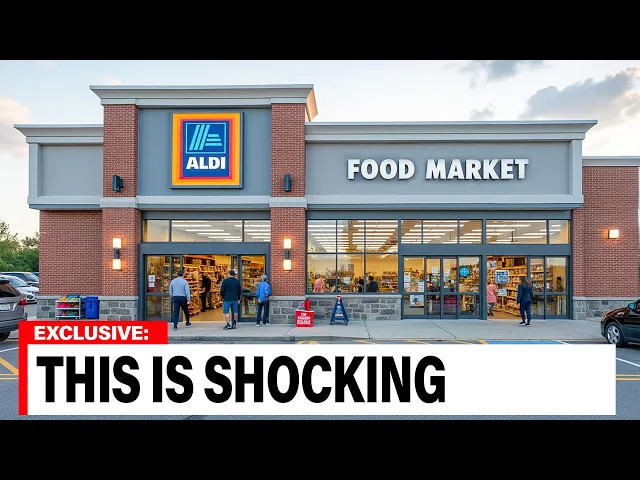
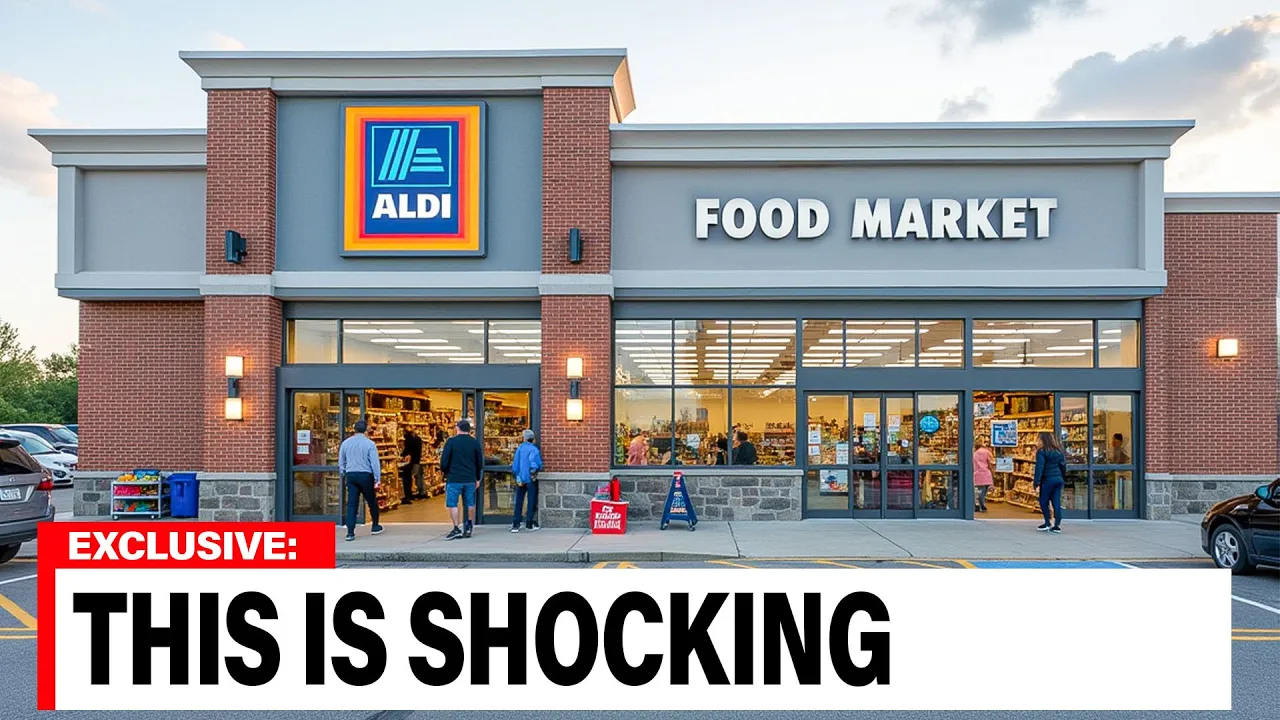
A time when a lot of businesses are shrinking, one grocery chain is actually expanding. So Aldi plans to open 800 new locations in the next 5 years. Aldi didn't grow this fast by chance.
They have a smart way of doing things. Hidden behind their low prices are tricks most shoppers don't notice. But if you know them, you can save even more and make grocery shopping a whole lot cheaper.
Ready to shop like a pro? Ever wonder why Aldi products taste so good yet cost so much less? Here's the truth.
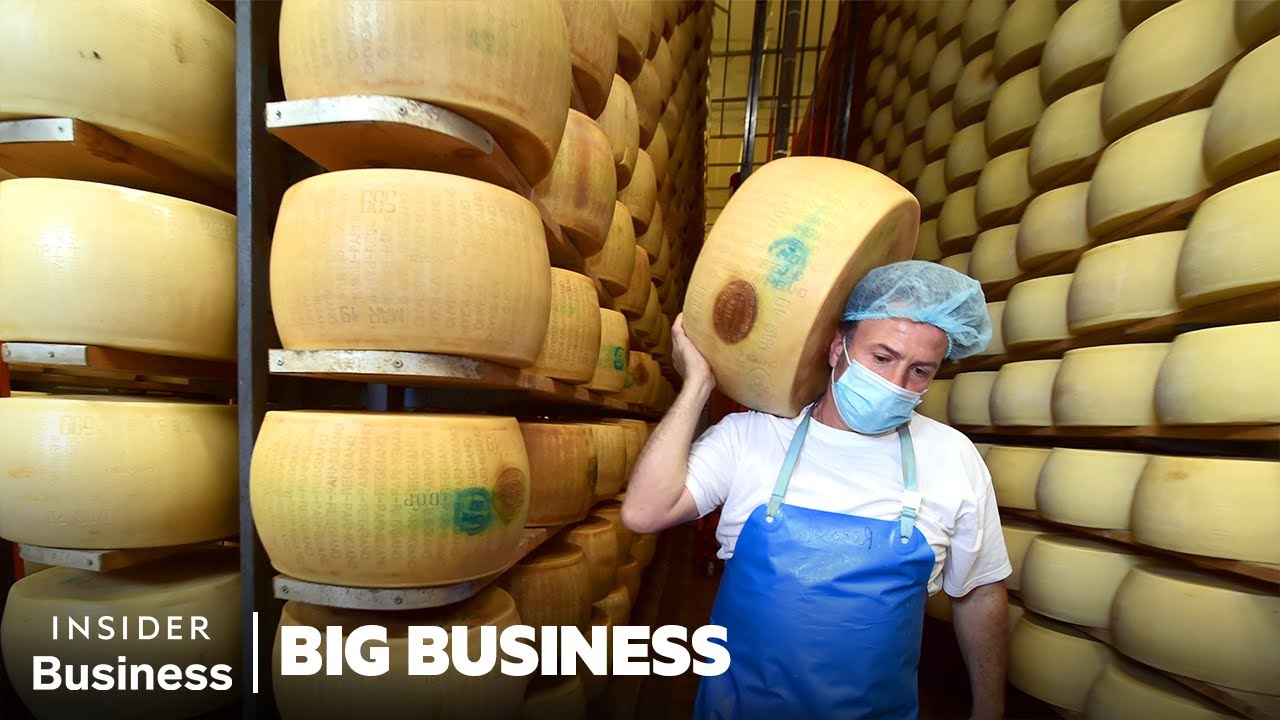
They don't advertise. Many Aldi store brand products roll off the exact same assembly lines as those fancy brands you've been paying extra for all these years. Take their potato chips for example.
Those crispy, perfectly salted snacks come from the very same facilities that produce Lays. You're basically paying five extra dollars for a shiny bag and a Super Bowl commercial when you buy the name brand. I mean, who needs celebrity endorsements when you can have the same crunch for half the price?
The secret goes way beyond chips. Aldi's dairy products often come from identical farms as premium brands. That creamy Greek yogurt, same stuff, different container.
their chocolate bars. Many are imported directly from European chocoliers in Germany and Switzerland that also make those fancy chocolate bars sold in upscale stores for three times the price. A recent consumer study found that in blind taste tests, 78% of shoppers couldn't tell the difference between Aldi's private label products and the national brands.
In fact, 23% actually preferred the Aldi version. What's happening here is simple economics. By cutting out marketing costs, fancy packaging, and middlemen, Aldi passes those savings directly to you.
They focus on what matters, the actual food, rather than paying celebrities millions to tell you what to eat. And this factory secret is just the beginning of what savvy Aldi shoppers need to know. Timing is everything when shopping at Aldi.
Plan your trips strategically and you'll score fresher food and bigger savings without even trying. For the freshest produce, head to Aldi Tuesday or Wednesday mornings. Most stores received their shipments overnight on Mondays and Tuesdays, meaning those crisp vegetables you're eyeing likely arrived less than 24 hours ago.
Store data shows 65% of locations finish restocking by 8:30 a. m. these days.
Hunting for discounts? Wednesday afternoons and Sundays are your best bet for finding those coveted red clearance stickers. Aldi needs to move products approaching their sellby dates before new weekly shipments arrive.
Shoppers who visit on Wednesdays save an average of 14% more than Friday shoppers. Avoid Saturday afternoons unless you enjoy crowds. It's like trying to navigate a concert exit where everyone has shopping carts and strong opinions about which checkout line moves fastest.
Checkout times on Saturdays average 12 minutes versus just 4 minutes on Tuesday mornings. Early weekday shopping has another advantage. Fully stocked shelves.
Nothing's been picked over and you'll zip through the checkout in minutes. Even the weather matters. Rainy days see 30% fewer shoppers, making them ideal for a peaceful Aldi run.
Grab your umbrella and enjoy shopping without playing human dodgeball in the dairy section. Now that you know when to shop, let's talk about what to fill your cart with. The only product we'll ever promote on our channel is a book by Claude Davis, a veteran prepper about 126 superfoods and preservation methods from crisis times like the Great Depression and wartime that are impossible to find elsewhere.
We decided to promote his book because we are the last generation able to share these techniques and superfoods to our children or grandchildren. It would be a shame to see this information about highly nutritious foods and preservation methods to survive crisis disappear. You can check it out in the description of this video down below.
Aldi's award-winning wines cost around $10, yet compete with bottles five times the price. What's their secret? Regular wine travels from winery to distributor to wholesaler to store with markups at each step.
Aldi buys directly from vineyards, eliminating three layers of extra costs that typically add 20 to 30% each time. The proof is in the tasting. At the International Wine Challenge, Aldi wines have defeated bottles costing five times more.
Their $10 sparkling wines have beaten $50 champagnes in blind tests. When experts don't see the labels, price suddenly means very little. Some fancy wine lovers act all snoody about cheap bottles until they taste Aldi's selection.
Then suddenly they become experts on undervalued wine regions. Many Aldi wines actually come from the same vineyards as expensive brands. Sometimes it's literally identical wine in different bottles.
Quality control is strict. A team of expert tasters samples over 1,000 wines yearly, but selects only 200 for store shelves. Aldi wines have won more than 400 awards in just 5 years.
Even their $3 options outperform $20 competitors. The best part is watching people compliment your fancy wine while your wallet knows it costs less than a movie ticket. Wine isn't the only hidden bargain at Aldi.
The red sticker system at Aldi is like a secret code that translates directly into cash saved. Most shoppers have no idea what these bright labels mean, but you're about to join the savings Illuminati. Red stickers are Aldi's markdown signal.
Products with these labels start at 30% off and can reach 70% discounts as their sellby date gets closer. It's like the food is having a going out of business sale, except nobody is wearing a ridiculous costume and spinning a sign on the street corner. Early morning is prime discount hunting time.
Bakery items and meats get their red stickers between 7 and 8 with dairy following soon after. By noon, these deals vanish faster than free food at an office party. Don't ignore slightly damaged packaging either.
70% of Aldi stores offer extra discounts of 10 to 20% for dented cans or crumpled boxes. That tiny dent in your tomato sauce can might as well be a coupon that says, "Please take 20% off because I bumped into another can during shipping. " The Markdown treasure hunt works best on Tuesdays and Wednesdays when fresh items arrive while older stock gets discounted.
During holidays, discounts appear up to 48 hours earlier than usual, creating a perfect discount storm. Master this system and save hundreds yearly. But the secret discounts are just one part of what makes shopping at Aldi different from any other grocery experience.
Aldi staff break the stereotype of the disinterested grocery store worker in ways that might surprise regular shoppers. Forgot your quarter for the cart? Just ask.
87% of Aldi shoppers report employees willingly lend quarters when asked. These employees are like quarter dispensing vending machines that also stock shelves and scan groceries. Need help finding an item?
Unlike big box stores where directions often involve vague armwaving, Aldi workers know their 15,000 square ft kingdom by heart. They can pinpoint that obscure German chocolate bar faster than you can try to pronounce it. Find something expired, employees will refund your money and replace the item for free.
They check dates on refrigerated products daily and conduct store-wide checks three times weekly. Their dedication to freshness dates is like having a friend who remembers your birthday when even your family forgets it. Speed defines the Aldi checkout experience.
Cashiers scan items 20% faster than other grocery stores, which explains why your bread sometimes lands in your cart at mock speed. Their scanning technique should qualify as an Olympic sport. The secret to their helpful attitude, Aldi pays starting wages 15% higher than industry average with health benefits for anyone working more than 20 hours weekly.
Happy employees actually want to help you find that jar of specialty pickles. This helpfulness is just one part of what makes Aldi shopping different. There's another customer-friendly policy that regular shoppers swear by.
The twice as nice guarantee at Aldi sounds like a madeup fairy tale, but it's completely real. buy something, hate it, and they'll not only refund your money, but also replace the item. Yes, you get your cash back plus a free replacement.
It's like complaining about a meal at a restaurant and the chef gives you a refund, a new dish, and doesn't lecture you about your poor taste in food. This magical policy covers almost everything with an Aldi label. A shocking 93% of shoppers have no idea how generous this deal really is.
Even more surprising, you often don't need a receipt. Since Aldi products have unique packaging, employees can easily tell it's their merchandise. Time limits exist officially, 60 days.
But many locations honor returns well beyond that window. A survey found 47% of shoppers successfully returned items after the cuto off date. Their flexibility with deadlines is better than most college professors during finals week.
How can Aldi afford such generosity? Their return rate sits at just 4% compared to the industry average of 7 to 10%. When products actually work as promised, fewer people ask for refunds.
The company isn't worried about policy abuse either. Data shows only 2% of customers ever try to game the system. With a deal this good, most people play fair while testing products under this risk-free guarantee.
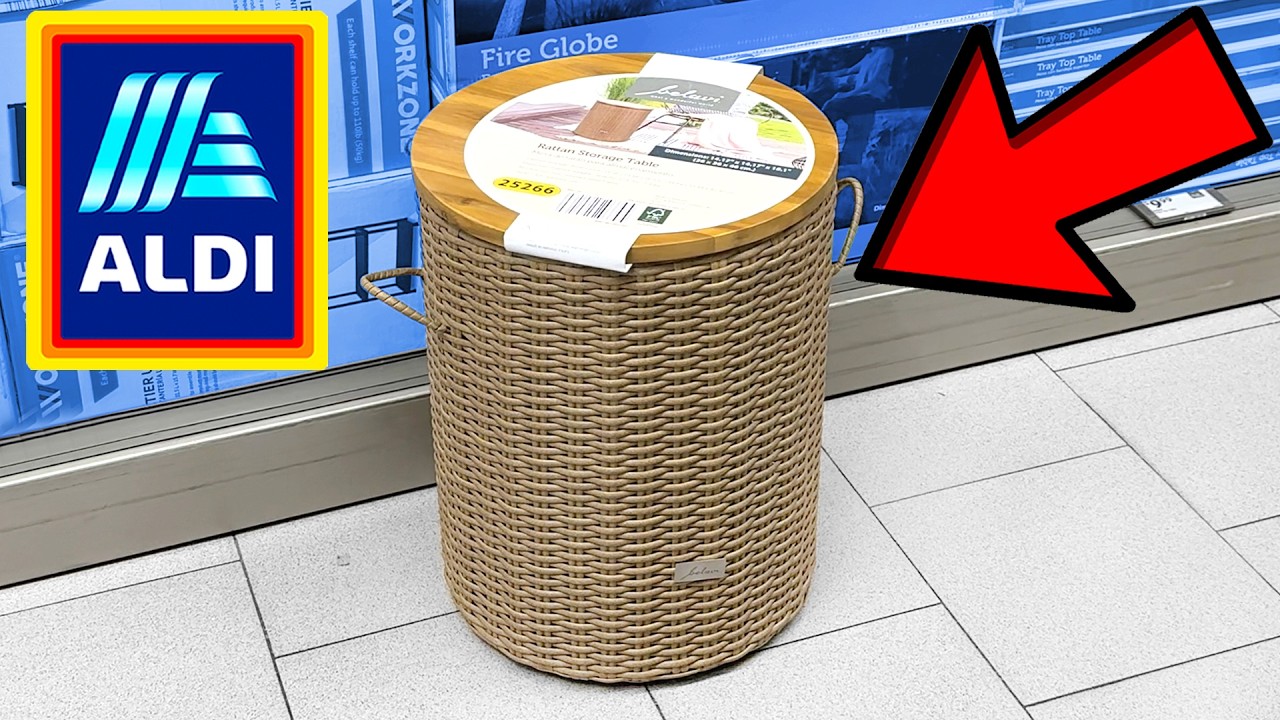
Make sure to explore the strangest and most addictive area that regular shoppers can't resist. The middle aisle at Aldi earned its dramatic nickname, the aisle of shame, because shoppers who swear they're only buying milk somehow exit with a kayak, an electric chainsaw, and matching unicorn slippers. This infamous section changes weekly, creating a rotating museum of random yet irresistible items.
65% of Aldi customers confess to buying something from this aisle on every single shopping trip. It's the retail equivalent of going to the gym for a quick workout and ending up in a 2-hour Zumba class you never plan to join. The secret that drives these impulse buys, incredible quality at jaw-dropping prices.
Many items come from the same factories that produce bigname brands. That sleek coffee maker costs 60% less than its identical twin with a fancy logo. The cast iron cookware undergoes the same quality testing as premium brands, but sells for less than half the price.
The middle aisle follows a strict seasonal rotation that dedicated shoppers track like weather forecasters. Limited quantities, often just five or six of each item, trigger a buy now or regret later response. Items sell out 23% faster at Aldi than identical products elsewhere due to this manufactured scarcity.
Walking past this aisle without buying something requires the same willpower as declining free pizza. Theoretically possible, but practically unheard of. With your cart now mysteriously full of unplanned purchases, Aldi has yet another shopping secret that regular customers use to their advantage.
Selfcheckout at Aldi exists, and it might be the store's bestkept secret. While everyone else waits in line, watching cashiers scan groceries at warp speed, you could be quietly finishing your shopping mission at your own pace. and most shoppers have no idea this option is available.
The roll out happened quietly, starting in select test markets during late 2021. Company data now shows that over 60% of stores offer these time-saving kiosks. With every new store being built with selfch checkckout as a standard feature, it's like finding a secret level in a video game that lets you bypass the final boss battle while everyone else is still button mashing in frustration.
What makes Aldi's selfch checkout different from competitors? First, the scanners are significantly more sensitive, reducing those infuriating unexpected item in bagging area messages by 50% compared to other grocery chains. Their system doesn't accuse you of shoplifting every time you breathe near the bagging area.
Unlike some stores where the machines seem programmed by suspicious mall security guards, the interface is also simpler with fewer screens to navigate and larger buttons that don't require precision tapping. Engineers spent over 18 months perfecting the system before wider rollout. The numbers don't lie.
Regular checkout takes 3 minutes and 20 seconds for 20 items, while selfch checkckout knocks it down to just 2 minutes and 5 seconds, a 37% time savings. For math lovers, that's 75 seconds you get back in your life every shopping trip. That's enough time to check social media and find out what your ex had for lunch or stare blankly at your phone pretending to do something important while waiting in your car.
Even better, many locations now allow scanning directly into your reusable bags at selfch checkckout, eliminating the postcheckout bagging panic that Aldi newcomers often dread. That awkward bagging area scramble makes people sweat more than trying to fold a fitted sheet while someone watches or explaining to your doctor why you haven't been exercising. Want to maximize your checkout zen?
Store traffic data reveals that Tuesday mornings between 9 and 11 have zero waiting time on average. Compare that to Saturday afternoons with 7 minute waits and shoppers giving each other the silent hurry up stare. Shopping on Saturday afternoon at Aldi is like trying to find a parking spot at the mall during holiday season.
Technically possible, but requires the patience of someone waiting for a sloth to finish a marathon. The technology continues to improve. Newer kiosks at select locations feature weight-free bagging areas that use cameras instead of scales to verify purchases.
This eliminates the dreaded, "Please wait for assistance messages that plague other stores systems. These messages are retail's equivalent of your computer, forcing an update right when you need to send an important email. This focus on efficiency is just one piece of Aldi's master plan that's changing grocery shopping across the country.
Aldi is multiplying across America faster than rabbits on energy drinks. Their plan to open 2500 stores by 2028 isn't just ambitious. It's changing how every grocery store in the country operates.
And your wallet is the ultimate winner. Let's talk about growth speed. Aldi has jumped from 1,800 stores in 2018 to over 2,300 today.
That's a new store approximately every 12 hours. At this rate, there will eventually be more Aldi locations than people who can properly pronounce aka bowl. This expansion rate is three times faster than the industry average and shows no signs of slowing down.
The company's success comes from a simple formula, selling products 25 to 30% cheaper than traditional supermarkets. Recent market basket comparisons found Aldi beating Walmart prices on 77% of tested items, saving shoppers an average of $22 per trip. During times of high inflation, the savings gap widens even further, reaching up to 40% on staple items like eggs, milk, and bread.
The most interesting effect, when Aldi opens in a new community, nearby grocery stores are forced to drop prices by an average of 7% within 3 months. Economists call this the Aldi effect, and you benefit from it even if you never set foot in an Aldi store. It's like having a friend who negotiates prices down for you while you sit at home watching cooking shows that make you hungry enough to eat the remote.
Major chains are scrambling to respond to this German invasion of the grocery market. Walmart has redesigned entire sections to mimic Aldi's efficient layout. Kroger launched product lines with suspiciously Aldiike packaging and pricing.
Even upscale Whole Foods now offers budget-friendly basics after Aldi entered their territories. The copycat behavior shows just how effective Aldi's model truly is. The construction blueprint for new Aldi stores reveals their efficiency focus.
The average Aldi is 16,000 square ft, roughly onethird the size of a traditional supermarket. This smaller footprint means lower operating costs, fewer staff needed, and ultimately lower prices for you. Real estate developers now actively court Aldi, offering premium locations at discounted rates because the store drives so much traffic to surrounding businesses.
All these Aldi secrets stack up to transform your shopping experience from a budget busting chore to a money-saving victory that keeps your refrigerator full and your bank account happy.