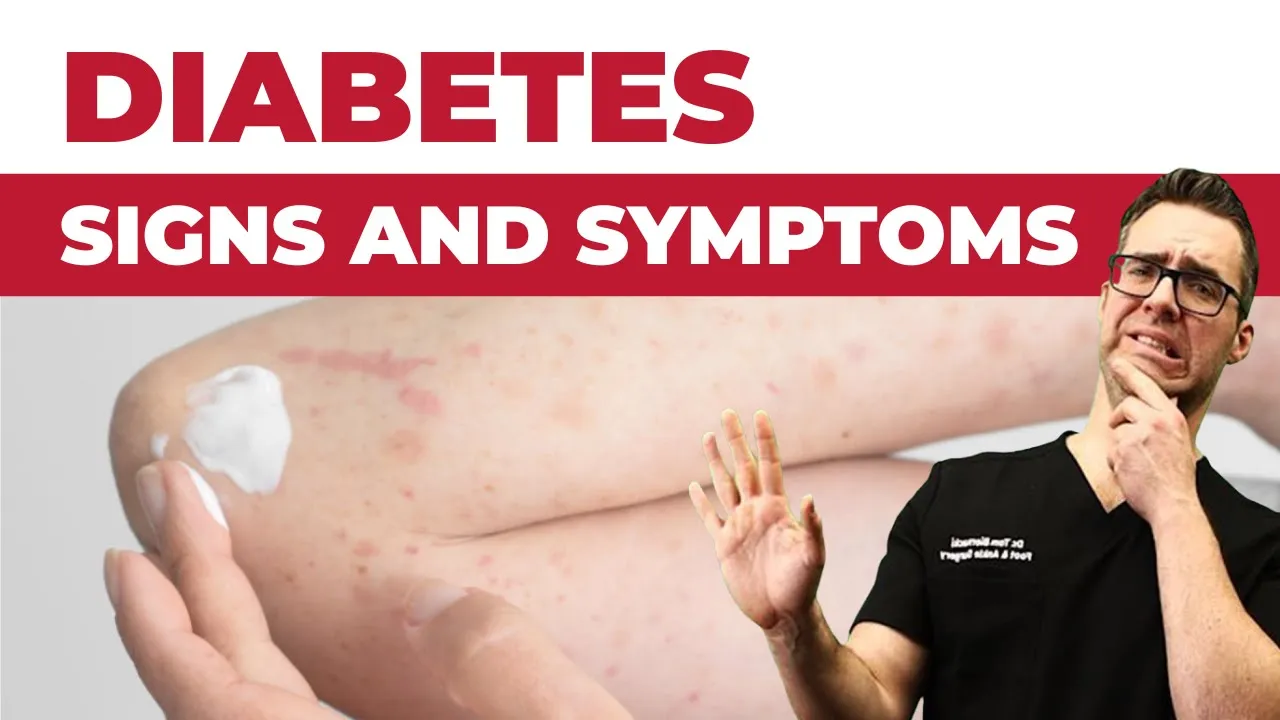
this is Tom Bernanke and today I'm going over the most important and dangerous signs of pre-diabetes diabetes and exactly what to do about it we're starting now I see diabetic patients every day I'm part of the Michigan famous grunberger Diabetes Institute very important to watch this whole video we're going over the most important complications in detail and the most common symptoms and signs starting with your skin your GI tract your brain your energy levels everything this is really important pre-diabetes and diabetes Now are present in one third of people around the Western World China is
actually number one they have a massive percentage of people with diabetes 40 percent of people in China are pre-diabetic or diabetic that means massive numbers that's not a small country India has 17 adult diabetes it's said to be 135 million people in India by 2045. those are insane numbers there's a good chance if you're an adult especially an older adult you are a pre-diabetic it complications were going over our skin problem energy tendons joints nerve damage foot damage kidney damage eye damage hearing damage Alzheimer's disease GI tract problems heart and blood vessel disease that's a
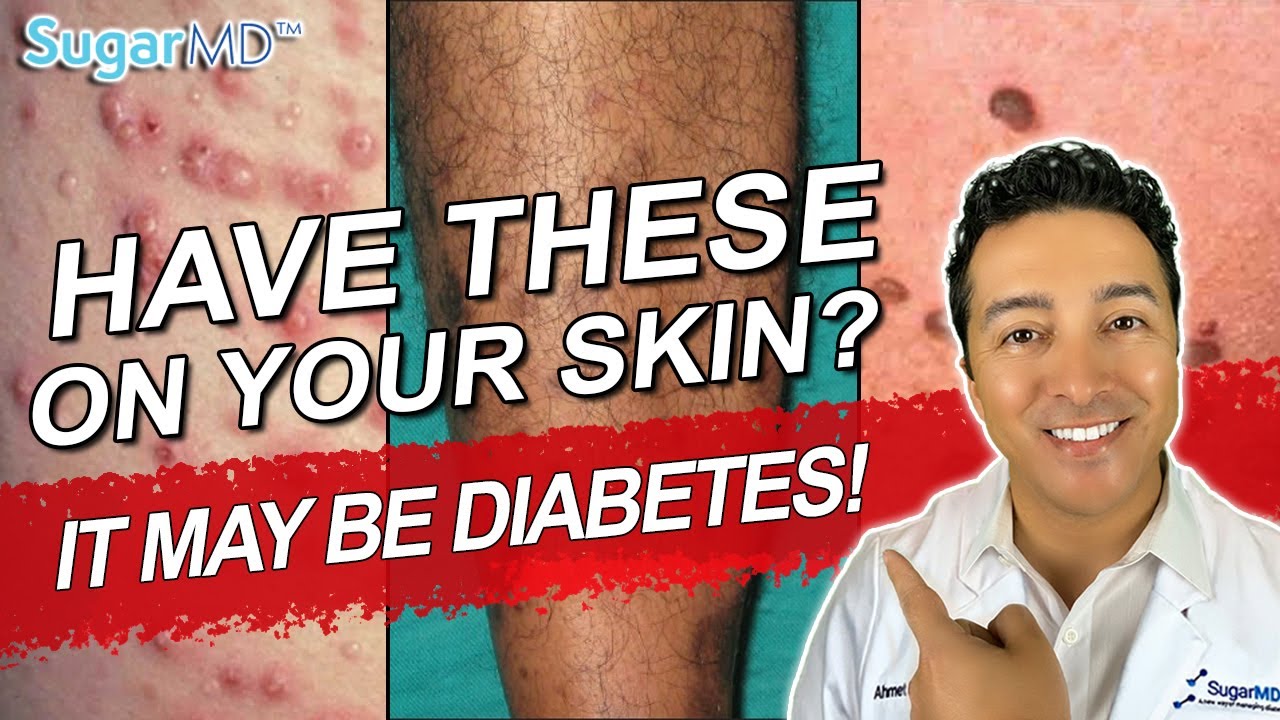
big problem because heart disease is the number one killer in the world and one of the number one causes is diabetes and then we'll go over your diet your supplements and your best treatment wrong we're going to start with number one do you have yellow reddish or brown patches on your skin specifically on your shins this is called lipotica necrobiosis these bumps the cause is unknown they have active and inactive stages and this is associated with diabetes these are Big papules plaques or nodules they don't have to hurt about 65 plus percent of the time
they're associated with diabetes or pre-diabetes you have these there's a good chance that this might be a skin sign that you have even though they don't hurt they do have a gleaming porcelain like finish so they're shinier on the edges if you have these make sure to give your internal medicine doctor your primary care doctor at calm and see if you should get evaluated for diabetes number two do you have darker areas of the skin that feel like velvet this is usually in folds and creases they appear in the armpits the groin and the back
of the neck they develop slowly if you have this it's called acanthosis nigrican these can be itchy they could have an odor they could be associated with a lot of skin tags in the area this is most likely caused by insulin resistance most people with acanthosis nigricans have become resistant to insulin this can lead to type 2 diabetes this can also be related to certain drug supplements like high-dose nice and birth control pills prednisones and corticosteroids anything that basically shoots up your sugar and creates insulin resist if you have the these thick velvety patches in
your skin creases or go see your primary care doctor because you might have diabetes there are shin spots do you have Shin spots they're brown they can be dark they look like bruises this is called diabetic dermopathy these are not aging spots they look like aging spots they can last permanently if not taken care of this is related to insulin resistance and this is something that's a sign that you want to get your legs taken care of catch it earlier rather than later diabetes can be reversed and you can prevent these more serious symptoms skin
tags a lot of skin tags generally link towards type 2 diabetes one or two skin tags not a huge deal but if you have them everywhere I have some of my patients that are uncontrolled diabetes like I mean everywhere they're like behind the net in skin folds eyelids neck armpits groin and they're embarrassed about these so they never get taken care of if you have this come get taken care of as your diabetes gets better these stop popping up as much skin tags are usually an areas that rub together such as the neck armpit and
groin here you can see an armpit and how many skin tags develop there and it's aggravated by clothes jewelry so consider that in 2012 it showed that it's not associated with HPV and as a result it's not shown to be cancerous this means it's a benign lesion so you can see the cross section here of a skin tag attached to the normal skin nothing to worry about but it is associated with high insulin levels and diabetes so go get checked out xanthelasma this is cholesterol on the eyelid this could be a sign of heart disease
atherosclerosis this means your cholesterol is too high it's also related to diabetes give your doctor a call get that taken care of improve your diet get some supplementation what about an outbreak of small reddish yellow bumps when you pop them like a little pimple if you use your thumbs and pop them a little bit of yellow fat comes out of there that's called eruptive xanthomitosis these may be skin toned pink red Brown yellow or a mixture of colors they look like pimples but when you pop them there's fat inside there so it's almost like yellow
goo they can look shiny or waxy or they might not hurt at all for a lot of diabetics they might not hurt at all these are most common around the butt so your buttocks the back of your knees your legs your feet if your diabetes is controlled these go away pretty quickly and your skin starts to get better this is the beauty of the majority of these conditions once you get the proper treatment take the proper supplements control your diet these go away pretty quickly I see patients all the time with like horrible nasty skin
conditions that they're embarrassed to show anybody but that's the problem you're waiting too long so if you have any relatives or family members make sure to check on them and send them this video or send them to a specialist so we are in a war against diabetes it is insane that this disease exists it's getting worse every year in America and we have to rise up and stop diabetes this is one of the single biggest issues besides heart disease in America right now and soon around the world do you have raised lumps that are red
on the skin so these are like quarter or large dollar sized plaques and lumps these are called granuloma annulare these are not directly linked to diabetes but they're much more common in diabetes I won't spend too much time on this because this is like one percent of diabetics a ton of people it's a little bit more rare if you have this it's more likely to be associated with diabetes this is an extremely common one though do you have dry skin scaly patches thick dry skin I see this in almost all diabetes on the bottom of
the feet heels corns calluses this is related to diabetes poor circulation you're not getting the moisture down to your feet you could develop if Scar Tissue almost like contract your toes are bent your fingers have a hard time bending it hurts to walk on these podiatrists can really help the beauty is almost every Insurance in America covers these extremely well because insurances have learned that going to see a podiatrist saves them billions of dollars billions and billions of dollars people are afraid to go to get their feet taken care of because they think it's gross
it's not gross I'm telling you we see this all the time and you could basically save your lifetime Mobility it's ridiculous how many patients come in and with a simple visit they start walking they say this is the best I felt in 20 years come see us it's covered do you have blisters they look like friction blisters they might not hurt but little bubbles huge blisters on your hands feet and leg they're usually not painful this is called bolosis diabetic Quorum or for pleural diabetic bulla if you have these it's not quite an emergency but
it could easily become an emergency these are fluid-filled blisters don't pop these that skin protects you if these pop back bacteria could get in there and cause an infection this is one of the reasons I see a lot of infections and people eventually lose their toes or feet in extreme cases so 95 percent of the time this is around the feet around ingrown toenails around the bottom of the foot from pressure if you have any of these skin problems tell your doctor and see your podiatrist if they're on your feet do you have energy and
fatigue problems obviously this is pretty common but this is a major symptom of diabetes many people with diabetes would describe themselves as feeling very tired lethargic and fatigued at all times they feel like their hard work their stress is not worked off by a decent night's sleep and this is because your blood sugar is all over the place it could be too low or too high and even though you have more sugar in the bloodstream a common misconception is that this helps your energy it doesn't your blood I like to think about it is like
molasses where it has a hard time moving through your blood vessels and never really gets anywhere what about your gastrointestinal tract gastroparesis is called diabetic gastroparesis what happens is you can get diarrhea constipation incontinence that means sometimes hard time going sometimes going too much it's related to non-alcoholic fatty liver disease this can cause bloating and it can cause something called a diabetic gut which means your gut gets bloated this means your digestive tract is always full of food you feel lazy and sluggish that goes back to your energy level what about tight tendons and Joints
well that can give you tight fingers it can also give you tight toes hammer toes bunions tight Achilles tendons knee pain if you have hard thickening skin for your fingers have a hard time bending if your arms have a hard time bending if you can't bend over and touch your toes so you can see right here I'm trying to bend over to touch my toes this could be sclerosis if this hard thickening skin happens you could have tight waxy skins it could feel like your fingertips have Pebbles there's less sensation could be in your forearms
shoulders neck this is more likely to be in diabetes the number one treatment for something like this is control your diabetes if your blood sugar and your hemoglobin A1c are high then simply getting that down does lead to Improvement exercise Physical Therapy definitely loosens up that skin over time this can be something that can be improved and reversed we also go over supplements like alpha lipoic acid B vitamins magnesium vitamin D these things can all help and we have videos on our favorite diabetic supplements below don't worry this isn't something we're trying to sell you
these are all things you can get on your own for a low low cost are your toes stiff do you have toes that are curling do you have really tight ankles really tight knees tight hips with diabetes you're much more likely to get stiff tendons stiff ligaments and muscles if you have stiffness associated with this you're going to get sore in your joints the joints will get swollen this is related to diabetes getting that blood sugar down Physical Therapy great supplements you know seeing a specialist getting your diabetes can really help what about Vision diabetic
retinopathy is very common high blood sugar can cause damage vessels in the retina this is the light sensitive layer in the cells in the back of your eye this can cause blurry vision worsening Vision but a lot of times this is permanent and it's not seen till the later stages so it's important as a diabetic to get a fully dilated eye exam and that might be the only way to know if you're getting damage to your eyes because the tough part is as we'll see diabetes causes death to those small blood vessels which do Supply
these nerves what about your ears diabetes can cause nerve damage such as small nerves in your ear this limits hearing it can feel like your ear is clogged or you might be having more likely chances of infections and the nerves just don't function section well for the same reasons we mentioned that's another reason to get checked out for diabetes what about Alzheimer's disease and memory issues if you have less nutrients get into your brain your brain's not going to develop and maintain itself as well Alzheimer's disease is actually known as type 3 diabetes what happens
is this is a result of a lot of people having type 2 diabetes it's much more common with diabetes I've seen rates as high as 93 percent chance higher of being related to diabetes for Alzheimer's disease think about your long-term Health as well because diabetes does impair the central nutrients to your brain what about your teeth so the tricky thing with teeth is as a diabetic gum disease tooth problems cavities infections all much more likely in fact we have a great video about vitamin K2 which can help with your tooth Health as well so check
that out what about nerve pain this is very common do you have burning feet numbness and pain in your toes in your hands very very common a large proportion of the population around the world suffers from this do you have poor sensation to your fingertips your toe tips numbness shiny see-through skin if you have that numbness and pain in your toes as well as those skin changes this could be per phone neuropathy now peripheral neuropathy is due to increased blood sugars for long periods of time the nerve fibers to your skin called your C fibers
and your nerves in general just don't work as blood vessels don't Supply as much oxygen and the good news is for the vast majority of my patients when the blood sugar levels and the supplements and everything start to get better people's sensation generally does return and also as a podiatrist I do a full biomechanical exam so I check your back your hips your knees your feet and check where you're tight because just like you can get carpal tunnel of your wrist you can get five major compression sites throughout your legs sciatica behind your knee on
the outside of your knee on the inside of your ankle the bottom of your foot and the ball of your foot very very common we can assess nerve function by two point discrimination to see how well you can sense and the further apart your sensation is the worse your nerves are functioning we can also check with a tuning fork to see how well you can sense and grade it accordingly we can also tell that the toes should have as good a feeling as other places same with them sem's Weinstein monofilament test and nerve biopsy can
check how dense your nerves are and there are more impressive tests we can do to check for a compression if needed what about foot problems I see this all the time and it's so common red and thin skin on your toes and skin infections on your feet open wounds sores and infections known as diabetic ulcers diabetes is associated with toenail fungus we'll show you how to fix it below same with that thick dry diabetic skin we can help with that do you have red and thin skin on your toes and feet we call this atrophic
skin with worsening diabetes your blood vessels get clamped and more narrow this is called atherosclerosis or arterial sclerosis not only is your heart not working as well but there's not as good a blood flow down to your toes your toes get shiny and red what you can do is try squeezing your toe from top to bottom if it turns white it should refill very quickly but if it takes more than two three seconds to refill this could be poor blood flow this could have a harder time healing so if you have Cuts bruises that don't
get better this is probably related to your diabetes skin infections are you prone to slow healing Cuts redness stuff that should be sore but isn't it's a red hot swollen uncomfortable itchy rash and blisters scaly skin these are most common around the toes toenails and feet when I look at the hospital list say there's 100 patients in the local hospital I'm at sometimes like 10 to 15 patients are there for foot problems with foot infections these could lead to pus coming out of there because there's poor blood flow and poor sensation these could lead to
amputations the need for antibiotics all your podiatrists immediately if you're having these problems it's so easy to catch these early it's just an office visit this stuff is always covered Foot Care is always covered this can lead to easy improvements and on that note ingrown toenails corns calluses hard thick skin this is all also related to diabetes and it's all covered if you have insurance it's always covered for you and open wounds and sores deep ulcers that's when it starts to get serious I'll give some tips at the end these can be complicated infections can
get down to the bones the tendons this is an emergency call your podiatrist immediately and get taken care of another skin sign is lack of hair growth on the feet the legs the hair for example I have hair on my feet and my toes you probably did too when you were younger but now as you get into your 50s 60s 70s or even younger with severe diabetes this poor hair growth means less blood flow and less nutrition is getting down to your feet and your legs see a podiatrist we do blood flow testing nerve testing
we make sure the nutrients are getting down we would actually check the pulses so for your posterior tibial artery your anterior tibial artery if it's a bounding pulse it's probably normal if it's hardly beating at all then it's probably some blockage and how quickly do your toes refill we can check that with a computer and monitor it and the trick with this is if you reach certain values we can run more advanced tests to try and see exactly where that blockage is and this is a test called an arterial Doppler We compare how strong your
pulses are in your feet compared to the rest of your body that might then let us take some toe pressures to see hey is there very little blood flow coming down we could take arterial dopplers to find out where those blocks blockages potentially are and see that on waveform and that could then help plan procedures such as taking a 3D angiogram essentially this is dye that's injected into your vessels and you can see where the blockages actually take place this would help both us and the vascular surgeon coordinate which arteries are blocked which ones are
narrowed and where do we need more blood flow for example this is what you could see that this particular patient can have some narrowed vessels as you come down to the feet this could cause cold toes and lead to the pain and ulcers that they are having sir every insurance covers diabetic care because it saves insurances and the Health Care system so much money and you could realistically come as frequently as you want to if you have serious problems so you can get Foot Care toenail care toenail fungus care callus care fungus is related to
diabetes as well the more fungus you have so that's a bonus number 16. the more fungus you have the more diabetes BDS you're going to likely have I have some great home remedy guides on foot fungus and toenail fungus the better I go into this in more depth all these things are covered we can trim up your nails in one appointment we can get you looking good 99 of the time we get the majority of that fungus out of there on the first appointment you don't need to take dangerous drugs we perform callous care we'll
clean up the dead dry skin we'll make sure there's no cracks we'll assess your blood flow we'll assess your nerve function for your peripheral neuropathy and I'll assess your biomechanics too your hips your lower backs your knees your calf muscles this is all related to diabetes and the more you can correct that stuff the more you're going to move the more you're exercising the more your blood circulating and the more you get rid of diabetes this will help your health overall keep on with high glucose levels tend to have dry skin this skin tends to
crack you want to avoid very hot baths and showers if your skin is dry don't soak it in hot water use lukewarm water I'm a big fan of some salt bath you can put apple cider vinegar in there you can put some Listerine in there as a home remedy and what this will do this will soften up the skin because that salt will get into the dead dry skin then you can kind of clean it off be careful with pumice stones and those Grinders so you don't cut yourself but they can generally work well applying
lotions you don't need expensive stuff there's two types there's lotion which is water-based and then there's creams creams are what you want to use for the foot in cold weather and winter there's less moisture in the air you're moving around less so you want more moisturizer on your feet if you get Cuts treat them right away so if you get those blisters or Cuts you need to buy something like Neosporin or triple antibiotic ointment put a Band-Aid on there come see a podiatrist very quickly during cold dry winter months a humidifier can help bathe less
during the winter because that cleans off the natural oil off your skin and can lead to cuts and dryness you want to apply moisturizers afterwards you want to use mild shampoos mild soaps so moisturizing soaps specifically you want to wear slippers at home I have some a lot of shoe guy down at the bottom you don't want to walk around Barefoot at the same time if you're getting any of those some of them you just have to see a diabetic Specialist or podiatrist for some you can take care of at home so the big secret
is can we reverse diabetes I'm going to tell you the answer to that now you get carbs they get turned through a digestive tract into glucose that glucose goes into your blood vessels when you have too many cells and there's too much demand your pancreas and the eyelid cells specifically there get overworked they either can't make enough insulin or your cells just stop responding some of those cells specifically endothelial cells in the body have a hard time dealing with that blood sugar it makes toxic byproducts which lead to nerve problems such as peripheral neuropathy nerve
disease so that's the chronic pain aching tendon skin issues ideas disease heart disease kidney disease all these problems related to blood flow issues we're going to help you with all those the reality is there's over 80 diabetic medications available and it's getting significantly worse in America it's not working we're losing the war and diabetes the answer is yes it is a resounding yes we can reverse diabetes and the trick is it's not type 1 diabetes but it is adult onset diabetes so if you gained it as an adult gradually which is the majority of cases
it is reversible so that answers the question but it's not easy it's a lot of hard work so medications like insulin are temporary to stabilize yourself there's 80 pills on the market and we're getting worse regarding diabetes every single day the trick to curing it is your hemoglobin A1c which is a three-month average you have to look at this three-month average and you have to get it down under 6.5 is bariatric surgery an option maybe but it's not one I usually recommend to patients there are some better things that you can do without having to
rely on surgery fasting in ketoacidosis has been around for thousands of years in almost every religion and it's safe and healthy and studies are great this is a great way to rapidly reduce your belly fat and overall weight taking the strain off this poor little pancreas it can supply your cells and your body with enough insulin if you decrease the size of your body to the way it's supposed to be your body is not supposed to be huge compared to your pancreas it's supposed to be a reasonable shaped body not only is there spiritual fasting
throughout history but this gentleman Angus Barbieri in 1965 until 1966 he did not eat for one year and 17 days he lost almost 300 pounds he was checked by doctors weekly with absolutely no health issues this disproves the fact that it's not healthy to not eat and he ended up living like 35 more years without any significant health issues and he kept the weight off fasting is generally safe but always check with the doctor because you might have a specific medical condition that might make it dangerous for you vitamins and nutrients can help I have
a lot of great resources including my top 10 vitamins minerals and nutrients for diabetes this is all low-cost stuff eating a great diet fasting keto diets these are all extremely effective studies show that these work they're safe and the beauty is you actually save money because you're eating less there's absolutely no cost to losing this weight there's no cost to getting healthy so what are you waiting for we have great videos on our top diets and foods for diabetes we also share our top supplements here these are not mine you don't have to buy it
from me I don't hold any steak in these companies home if that helped I have a video right here about our top supplements that you want to take for diabetes and we also have guides on the Top Foods you want to take for your diabetes thank you and share this if this helped and help your family members
![90% of Diabetes Would be REVERSED [If You STOP These Foods]](https://img.youtube.com/vi/qCQW9e7CrEk/maxresdefault.jpg)
![How To FIX Blood Flow & Circulation! [Heart, Arteries, Legs & Feet]](https://img.youtube.com/vi/HwcfPwxrL-A/maxresdefault.jpg)

![BEST Toenail Fungus Treatment 2024 [+4 BIG SECRETS]](https://img.youtube.com/vi/Uq30wM7YSAM/maxresdefault.jpg)
![The BIG Magnesium MISTAKE 50%+ People Are Making! [+4 BIG SECRETS]](https://img.youtube.com/vi/5DzSw8Ynhpo/maxresdefault.jpg)
![TOP 15 Diabetes Skin Signs & Symptoms [Type 2 & 1 Diabetes Mellitus]](https://img.youtube.com/vi/4MP_nMIvohc/maxresdefault.jpg)




![BEST Athlete's Foot Fungus Treatments [HOME Remedies + 3 BIG SECRETS]](https://img.youtube.com/vi/PKT_slq6M54/maxresdefault.jpg)