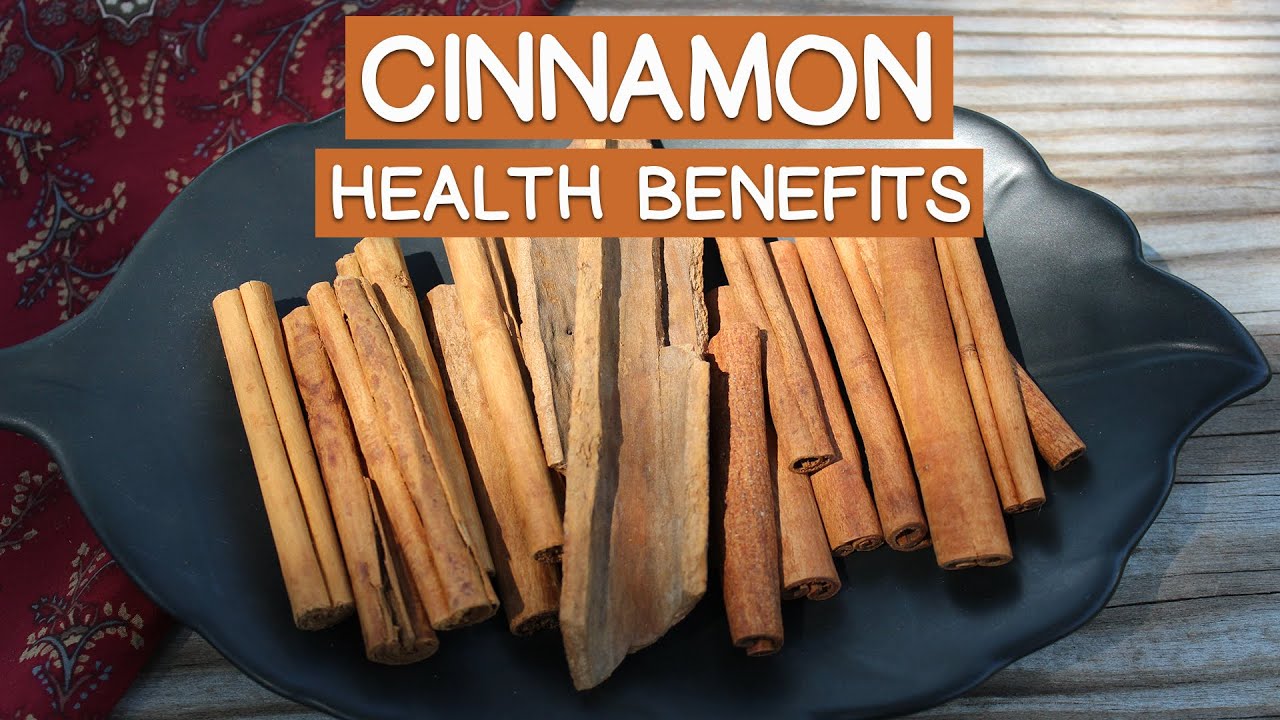
cinnamon is a popular spice derived from the inner bark of trees from the genus cinnamomum it is widely used in baking cooking and as a flavoring in beverages due to its medicinal properties cinnamon has been used as a medicinal ingredient since ancient times so in this video you are going to learn about six proven health benefits of cinnamon number one cinnamon possesses strong antioxidant properties cinnamon is known for its potent antioxidant properties which contribute to various health benefits some of them include cinam alide which is the primary active compound in cinnamon polyphenols which include katein
pranin and cortin as well as yugal which also has antimicrobial properties these antioxidants prevent oxidative stress in the cells through various mechanisms including free radical Scavenging inhibition of lipid peroxidation metal chelating activity and enhancement of endogenous antioxidant enzy signs number two cinnamon improves your heart health cinnamon has been linked to the various cardiovascular benefits through several mechanisms including anti-inflammatory effects antioxidant activity lipid profile Improvement blood pressure reduction anti-platelet activity which reduces the tendency of blood clot formation and blood sugar regulation all these effects are proven by scientific evidence for example a study published in theal
Journal Diabetes Care demonstrated that consuming cinnamon 1 to 6 G daily for 40 days reduced serum glucose triglycerides LDL cholesterol and total cholesterol in people with type 2 diabetes number three cinnamon improves blood sugar control cinnamon has been widely studied for its potential role in improving blood sugar control particularly in individuals with type 2 diabetes the bioactive compounds in cinnamon including Malahide and mhcp enhance insulin signaling Pathways to promote insulin sensitivity in addition compounds in cinnamon promote glucose update by muscle and fat cells reducing blood glucose levels moreover compounds and cinnamon inhibit digestive enzymes like
Alpha glucosidase and Alpha amas which break down carbohydrates into glucose inhibition of these enzymes reduces the digestion and absorption of glucose leading to fewer blood sugar spikes after meals cinnamon has also been shown to protect and enhance the function of pancreatic beta cells which are responsible for insulin production improved beta cell function leads to better insulin secretion and overall glucose regulation finally compounds in cinnamon reduce the formation of advanced glycation end products which are responsible for various long-term complications of diabetes number four protection against cancer as already mentioned cinnamon is rich in antioxidants which help
neutralize free radicals and reduce the risk of cancer chronic inflammation is linked to an increased risk of cancer cinnamon has been shown to have anti-inflammatory properties which may help reduce inflammation and lower cancer risk some studies suggest that cinnamon extracts or compounds found in cinnamon May inhibit the growth and spread of cancer cells for example cinal dhide has been studied for its potential to induce apoptosis or program cell death in cancer cells moreover cinnamon compounds May influence gene expression related to cancer development and progression this includes regulating genes involved in cell proliferation apoptosis and inflammation
Pathways number five protection against infection compounds in cinnamon such as cinnamal dhide eugal and cinnamic acid have been shown to possess strong antibacterial activity these compounds can inhibit the growth of various bacteria including common pathogens like escar aoli stafilic cacus orius and salmonella species cinnamon and its essential oils have demonstrated antifungal properties as well additionally some studies suggest that cinnamon extracts and essential oils may have antiviral effects these compounds can inhibit the replication of certain viruses such as influenza and herbs simplex virus thereby reducing the risk of viral infections cinnamon has also been shown to
disrupt the formation of biofilms making bacteria more susceptible to treatment and the immune system finally cinamon may help modulate the immune system enhancing the body's ability to fight off infections number six protection against neurodegenerative disorders cinnamon has been studied for its potential role in the prevention and management of neurodegenerative diseases such as Alzheimer's disease and Parkinson's disease in Alzheimer's disease the aggregation of top protein into neurofibrillary Tangles is a major pathological feature some studies suggest that cinnamon extracts can inhibit the aggregation of tow proteins thereby potentially slowing the progression of Alzheimer's disease another Hallmark of
Alzheimer's disease is the accumulation of ameloid beta plaques in the brain certain compounds in cinnamon like cinnamal dhide have been shown to inhibit the formation and promote the clearance of amalo beta Aggregates which may help in managing Alzheimer's disease in Parkinson's disease there is a loss of dopaminergic neurons in the substantia region of the Brain Research indicates that cinon and its Active Components may protect these neurons from degeneration by reducing oxidative stress and inflammation and by modulating the production of neurotrophic factors additionally animal Studies have shown that cinnamon can improve cognitive function memory and learning
these effects are thought to be due to its ability to enhance insulin signaling in the brain and its neuroprotective properties finally cinnamon may help in the regulation of neurotransmitter levels including dopamine and serotonin which are critical for mood cognition and overall brain function imbalances in these neurotransmitters are linked to various neurodegenerative and psychiatric disorders