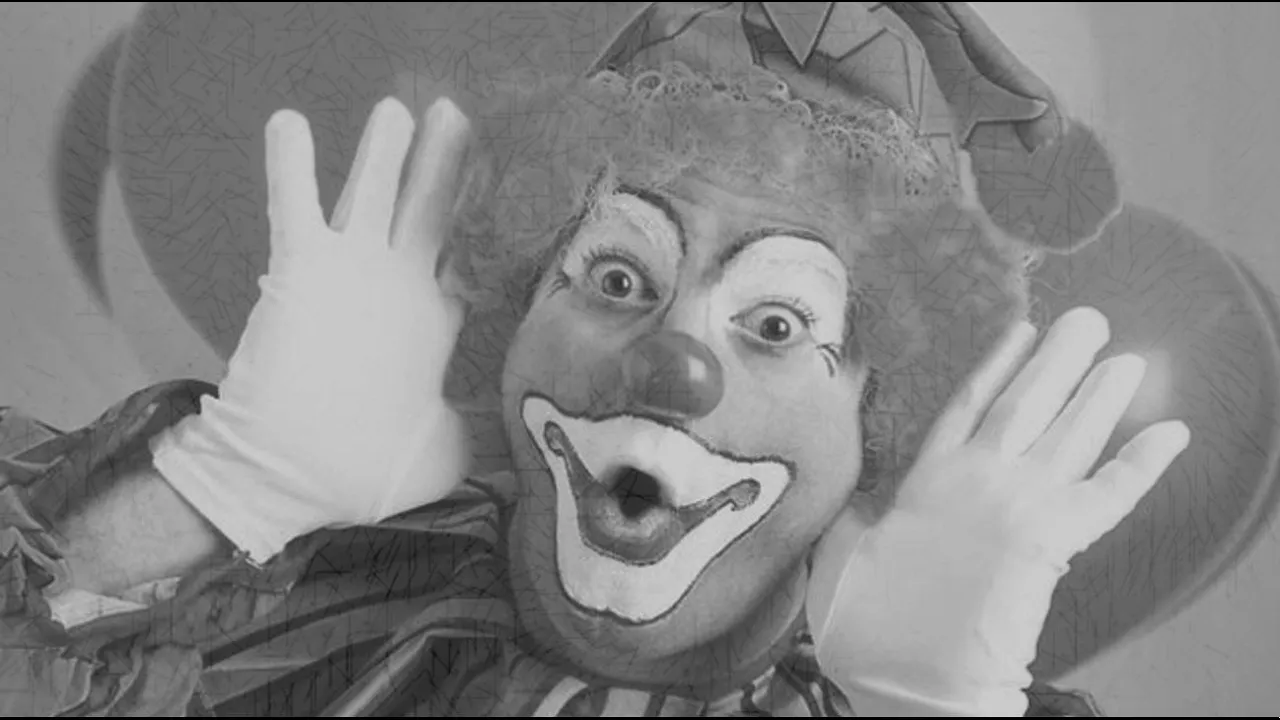
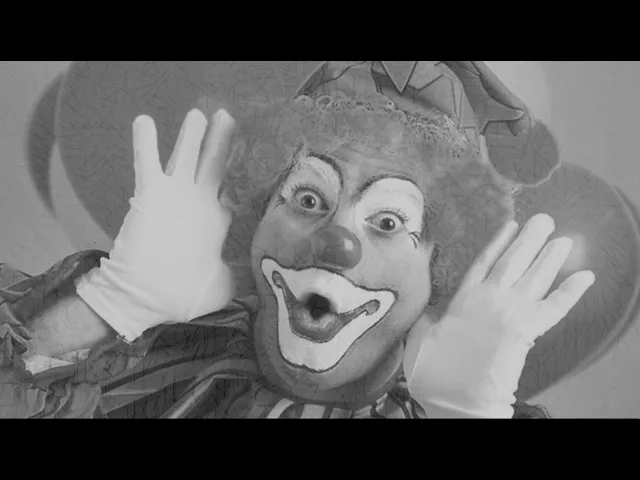
[Music] clowns there's a stuff of nightmares right everything about them is just so creepy they're supposed to provide us with entertainment and amusement and yet they generate almost universal hatred among most people but why humans are programmed to fear things which are actually dangerous so what is it about the appearance of a clown that is so creepy and unsettling to us whatever the reason it's nothing new a fear of clowns is known as coulrophobia and even if clowns don't outright scare you most people seem to be put off by them at least this has been
reflected by recent events in our society - in 2016 our fun-filled phobia was exploited by a worldwide craze with people dressing up as evil clowns with the sole intention of scaring intimidating and terrifying civilians our irrational fear of the friendly white-and-red characters makes no sense yet is such an effective means of scaring large groups of people and so today we're going to find out why that is in order to understand where society's fear of clowns came from you first have to understand what a clown is costumes and red noses are only one interpretation of an
ancient idea the word clown is essentially a ridiculous mischievous or generally just reprehensible character most societies and cultures dating back to ancient Greece have ridiculed the less fortunate in theater with the character reminiscent of a clown most genres throughout these ages have had someone play the role of a rustic fool a character you could laugh at based off of the contemporary stereotypes of the lower-class low-skilled workers peasants servants and slaves the basis of the clown originated from these portrayed stereotypes which could be mocked and taunted but the foundations for the stereotypical clown we associate with
the word today were laid centuries later in the 14th century an early form of professional theater was rising in Italy known as the commedia dell'arte the clown as we know it began its evolution after being adapted from a role in this theater genre known as as Annie a character he played the role of quote a dispossessed immigrant worker or rustic full the zani or zania in this genre is best known as a royal servant and trickster and this character became a popular performance icon fast forward a few hundred years and we start seeing the first
instances of the term clown appearing to describe this character where the word originated from is unclear although its earliest recorded use was in 1560 after this the word caught on in England during the Elizabethan era - Shakespeare's plays a fellow and a Winter's Tale used the word as a means of describing foolish characters but the word was still not synonymous with any costumed character and was simply just a title to refer to a certain type of performer however at the turn of the 17th century we start seeing the term being used to describe jester like
characters establishing the first stereotypical look for a clown the commedia dell'arte claimed popularity around europe and it soon arrived in England with its own interpretation named Harlequin aid this genre of theatre was a type of pantomime in which one character known as a Harlequin and the other known as a clown play important roles in the story it was through this genre that the word clown became more synonymous with a physical appearance a mischievous buffoon who dressed in tattered servant clothing the clown's role originally revolved around slapstick comedy exaggerated physical activities for humour which was popular
in Italy at the time and is still enjoyed around the world today and so Harlequin aids slowly established the clown as a character for another century but nothing could have boosted its popularity like in 1800 when a renowned actor of the time by the name of Joseph Grimaldi dramatically expanded the profile and popularity of the character in the pantomime Peter Wilkins or Harlequin in the flying world Grimaldi was a popular juvenile performer and over many years of extremely successful performances that the theatres of Drury Lane and sailed as Wells he established the clown as an
iconic and popular figure of the Harlequin 8 in England so contrary to popular belief clowns didn't actually start in circuses where they are so iconic today but in theatre in fact at the time of Grimaldi's popularization of the character clowns were only just beginning to be established in any type of circus the first known use of a circus clown was in the London riding school an equestrian exhibition opened by Philip Astley in 1768 Astley eventually added clowns to amuse spectators between scenes while riders and horses were changing but while the clown's didn't emerge in circuses
they evolved in them in 1870 a man by the name of Tom Bell encinia created a new type of clown for the German circus company circus Rennes known as an August or red clown this red clown was the basis for a more developed white clown a template character designed based on a generic lower-class hobo stereotype and this coined many of the clown's trademark features we know today white make up a red nose oversized shoes etc after this the clown stereotypes stop being developed by theater genres and instead by standalone actors and performers who played memorable
clown roles one such character was Nikolai polyakov's Coco the clown which was arguably the most famous stand-alone clown act of the 20th century Polyakov work turned the design of the Auguste clown which subsequently solidified the stereotypical image of a clown as the Auguste red-and-white clown types the first direct ancestors of most clowns today like most cultural icons that are popular in Western society today the Auguste clown design made its way across the pond from the UK to the United States by this time the types of folk clowns had been based upon such as peasants and
so-called village idiots had all but disappeared however the and hobo stereotypes were still the inspiration behind the now well-established clown design this inspired many new interpretations as entertainment progressed across the country such as Charlie Chaplin's silent movie character the other notable characters continued into the 1950s such as dodo the clown a quote funny man with a drinking problem played by Richard Bernard Earhart however a massive cultural shift in the popularity of clowns was on the horizon with the pilot episode of the bozo show featuring a clown play by Willard Scott which was based upon the
August character it was this performance which inspired in 1963 the most famous clown in history to represent one of the world's most iconic brands Ronald McDonald Scott was hired by the fast food chain to be their mascot in the early 60s and by the end of the decade the company had trademarked the character and the red clown soared in popularity across the country this paved the way for the birthday clown industry where independent clowns would perform at social charitable and birthday events and also the hospital clown industry where clowns would perform for Sick Children as
the iconic character moved out of theater and into industry clowns of America International was established in 1984 oh sorry that's the wrong picture three years on from this the world clown Association formed and both are bodies of professional and part-time clowns which still operate today so that's the story of the clown when you look at the early inspirations for clowns it becomes easier to see why they have negative representation the very premise of the clown was used to mock the poor the displaced and the stupid but from this somewhat malicious origin a lot of good
has emerged a westernized industry of child care and entertainment had grown from the ashes of the pantomimes rustic full they offered the popularity of the world's most iconic brand so the question is with all that good done why is it that we still find clowns so creepy well the reason might be to do with their costumes the red clown costume is one of the most decorative and least subtle in our culture and it masks a lot of the wearer's personality and appearance your brain is constantly looking for potential threats all the time especially when meeting
new people and when you meet someone new in the seven seconds it takes to form your gut instinct the most telling feature of a person is their face we use our faces to express emotion and they give us identity and individuality and so for the same reason that people find masks unsettling a clown typically has so many unnatural concealed features that not only is seeing one going to capture your attention but it then becomes difficult for your brain to understand their intentions why is that person dressed like this what do they want it becomes difficult
to gauge and within those first seven seconds you cannot build up a proper profile for the person and so the brain naturally becomes hesitant reserved and afraid not everyone is outright terrified of clowns but most find them unsettling for this very reason we cannot identify an actual threat to be scared of but we still cannot determine enough information about the person behind the costume to assure our safety much more research needs to be conducted into the feeling of creepiness but throughout history our brains intuition or gut instinct has evolved into an incredibly powerful and perceptive
tool for identifying danger and it is most effective when it assumes the worst the ironic thing about the industries of birthday clowns and Hospital clowns is that young children are particularly perceptive to this unfamiliar body type this colorful character doesn't look like mom or dad or any of the select few humans that the child knows and trusts and so their instinctive reaction is to be afraid of it the emotional response to an object that bears a degree of resemblance to a human being is known as the uncanny valley effect the hypothesized relationship between how humans
something appears to be and a human's emotional response to it clowns sits somewhere in the middle of this and as such we can understand what they are but we don't fully trust them the world is a vague and unpredictable place and our feelings of fear and anxiety are our brains trying to comprehend whether a threat exists in this unusual situation we've been presented with so even though they are only meant for entertainment the very nature of clowns breeds fear and unsettles us but then this is only half the story our fear of clowns is much
more to do with our culture than it is our cognitive abilities negative cultural depictions of clowns have contributed to their negative reputation as writers and entertainers have established the clown as a very effective fearing citing villain type the earliest depiction of an evil clown is unclear however in 1874 our work by cattle Mendes featured a killer clown as a central character it's unlikely that this was the first use but it went on to inspire a few more depictions but generally evil clowns were nowhere near as well known or coveted as entertainment clowns before the 20th
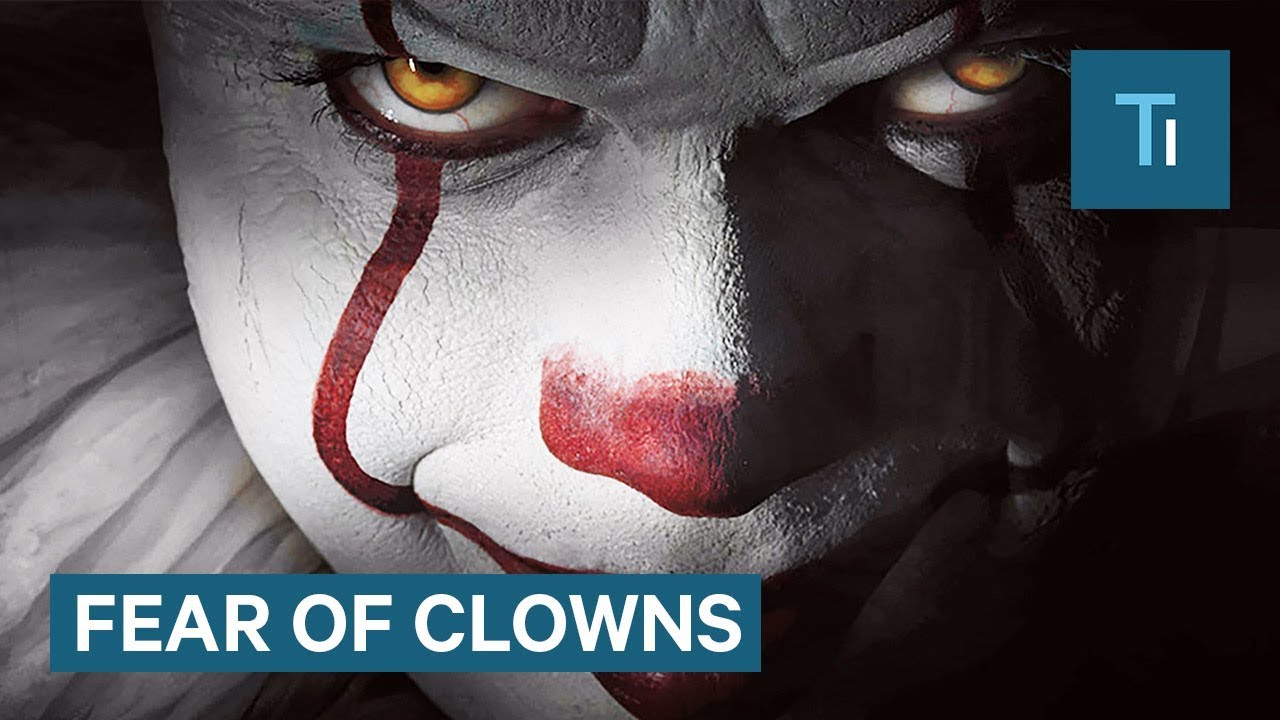
century however by the 1940s DC Comics were popularizing the theme as they introduced one of the most famous fictional villains ever the Joker a world-renowned nemesis of Batman who dressed as a clown and has since had many different legendary interpretations fast-forward 40 years and another legendary evil clown emerged in modern literature when author Stephen King released his novel it a work that featured Pennywise the clown an interdimensional cannibalistic clown which feasted primarily on children which completed the clown's transition from a figure of entertainment to a figure of horror in Western society but that wasn't all
during the 20th century evil clowns had a darker sight than just literary entertainment as between the Joker and Pennywise a real-life evil clown made his mark on the world that man was John Wayne Gacy an American serial killer who was responsible for the deaths of at least 33 teenage boys and young men jacy's upbringing was a sad one he was regularly beaten and tortured by his abusive father and was also molested by a family acquaintance after Gacy had committed his first few murders and began to find himself in and out of trouble with the authorities
he joined the Jolly Joker clown club and in 1975 he created two clown personas for himself patches and the more infamous Pogo the clown which he claimed helped him to recapture some of his lost childhood while his murder activities were independent the clown personas he was noted by other clowns to have been breaking some norms such as applying his makeup in a way that was discouraged by professional clowns so not to scare children when Gacy was finally executed after 14 years on death row his clown act was at the center of the case with angry
protesters wearing t-shirts with slogans such as no tears for the clown Gacy had immortalized the clown as a symbol of horror and disgust and rejection by society a stigma that modern professional clowns still have to deal with today so through popular culture and jacy's crimes clowns have become a symbol of horror and fear but in the decades since this public perception has been taken to the next level to terrorize local communities when in 2016 a terrifying craze swept through the United States a few isolated incidents of people dressing up as evil clowns and terrorizing people
at night had occurred in the few years prior but in 2016 this trend exploded in popularity making national headlines as social media began to develop a taste for air the craze began in Wisconsin in August when pitches emerged of a creepy clown in a parking lot in Green Bay and these images went viral it was soon revealed that this was in fact a publicity stunt by a Wisconsin filmmaker for a short film on evil clowns named gags which premiered in 2018 but the damage had been done by the end of August numerous sightings of clowns
invading property and terrorizing folk after dark were made the craze took social media by storm and gained a lot of attention and by Halloween of 2016 every US state had reported sightings and incidents of people in clown costumes causing public disturbances authorities in the US UK and Europe warned people against engaging in these activities and stores in Canada and New Zealand ban the sale of clown costumes and on the flipside violence against these clown pranksters was increasing adding to the problem of local unrest within American communities the world clown Association denounced the craze stating that
circuses and professional clowns had suffered as a direct result of the stigma and mistrust in clowns which was growing among the general public even McDonald's who had been so instrumental in turning the clown into a household character began to reduce their coverage of Ronald McDonald ultimately the craze became such a problem due to the pack instinct of humans behind it just as we are afraid when we see a concealing clown costume creepy clown costumes remove our own identities and generate unnatural ease in humans and so roaming gangs of clowns had found the perfect way to
strike terror and dread into local residents that being said there were no major clown related incidents or arrests of note across the US and the trend died soon after and was quickly forgotten about the internet moved on no matter where you stand on clowns you have to feel sorry for the people who actually tried to make a living in the honest industries of birthday clowns and charity clowns the very idea of clowns began as a means to epitomize the lower-class and downtrodden folk of society and while clowns are typically related to entertainment they began through
ridicule and disgust as the concept shifted from theatre to circuses the clown gradually became more of a figure of entertainment and as the concept reached the u.s. some good came from their introduction into Western society clowns underpinned the world's most iconic brand and good-natured entertainment industries were emerging as a result however our instinctive caution around human-like things that the brain cannot comprehend gives us the chills and entertainment them picked up on this fear to create some of the most famous pop-culture villains ever of course this is something that real-life clowns would rather avoid in 2014
clowns of America international criticized the popular horror show American horror stories depiction of twisty the clown saying that Hollywood makes money from sensationalizing the norm they can take any situation and turn it into a nightmare we do not support any medium that sensationalizes or adds to cholera phobia it is sometimes overlooked at just how popular and pivotal clowns remain in our society but Ben Radford author of the book bad clowns claim that evil clowns have the ability to change with the times all bad clowns are just tricksters and those who wish to cause trouble and
he claims that modern-day bad clowns have now evolved into internet trolls they engage with people for their own amusement in an abusive manner just like early depictions of bad clowns did so I guess the takeaway from this video is that anyone who is overly abusive and unpleasant to others online and in real life well they are the real clowns and with that thank you very much for watching and I hope you all had a very happy Halloween you















![The Space Race [4K]](https://img.youtube.com/vi/Fe6vJU0IV2E/maxresdefault.jpg)