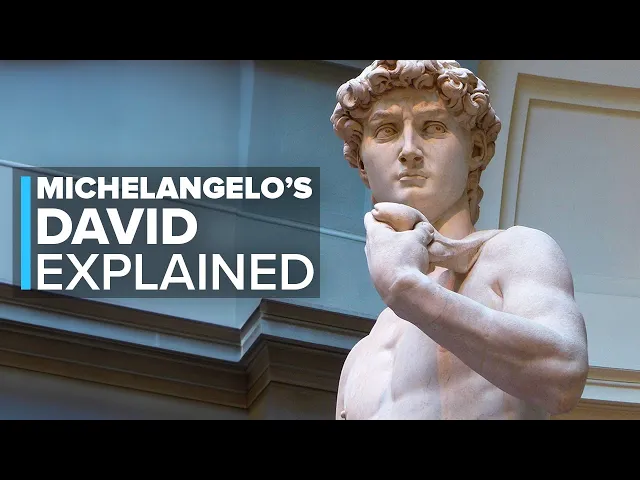
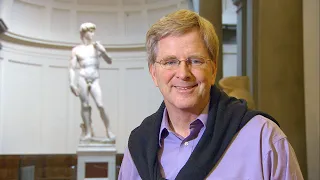
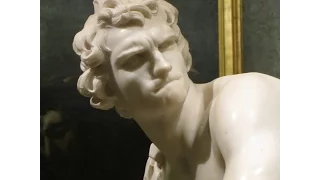
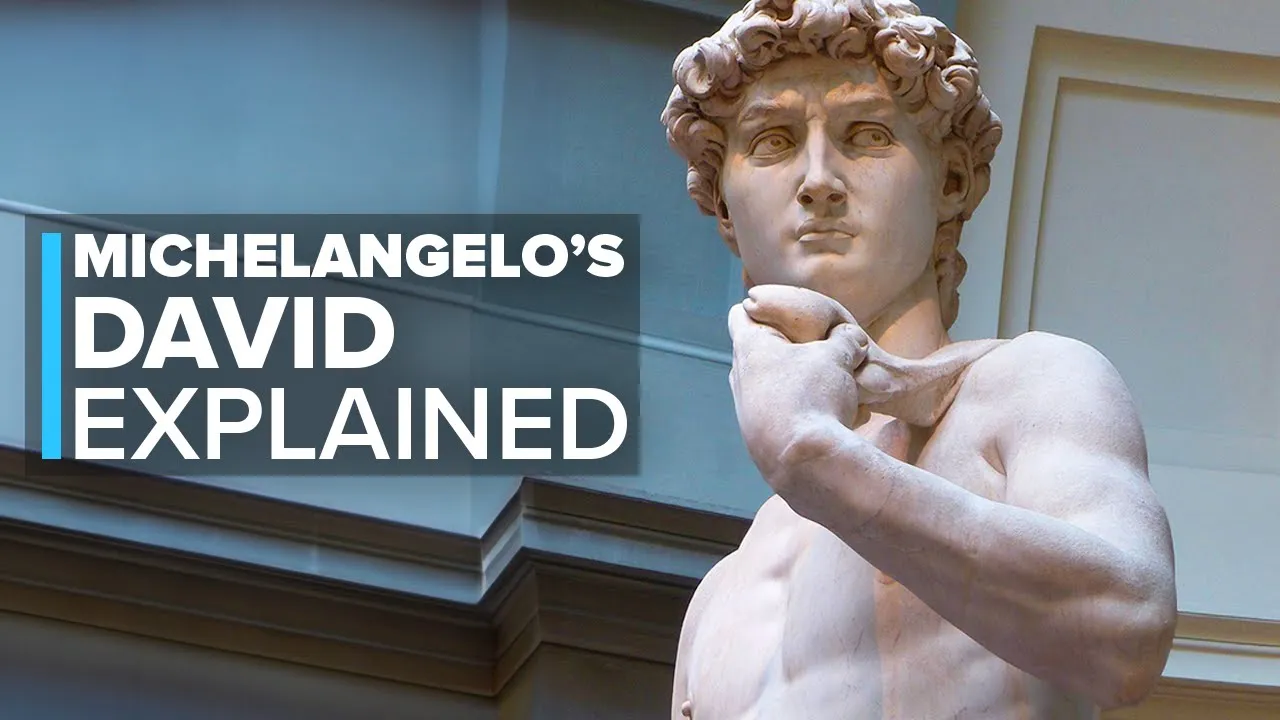
one of the most famous and iconic sculptures in the world is Michelangelo's David a masterpiece of Italian Renaissance art but do you know the story behind this stunning work of art how did Michelangelo create it from a flawed and abandoned block of marble what does it represent and why is it so important for the history and culture of Florence watch today's video to find the answer to all of these questions this masterpiece of Italian Renaissance sculpture was created from 1501 to 1504 by Michelangelo a young artist who was only 26 years old when he started
working on it the David is a colossal marble statue that stands 5.17 M or 17 ft tall and depicts the biblical hero David who defeated the Giant Goliath with a sling and a stone the statue is currently displayed at the Galleria de Academia in Florence Italy where it attracts millions of visitors every year but how did Michelangelo create this masterpiece and what does it represent let's find out it is important to note that the story of David begins before Michelangelo's involvement the statue was originally commissioned by the overseers of the office of Works a committee
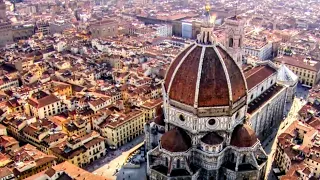
of 12 members who were in charge of the construction and maintenance of the new Cathedral of Florence which is also known as the dwo the committee had decided to commission a series of 12 large sculptures of Old Testament prophets for the roof line of the East End of the cathedral as part of a project to decorate the exterior of the building in 1410 Donatello who was another famous Florentine sculptor had made the first of the series a colossal figure of Joshua in Terra Cotta which was painted white to look like marble however the project was
soon abandoned because it had to face certain Technical and Financial adversities in 1464 another sculptor named agustino didio picked up the same project and began carving a large block of marble that had been quarried from kurara a town in Tuscany famous for its highquality marble austino had the intention of making a statue of David but he was only able to rough out the legs feet and torso before he he stopped working on it the block of marble was then left unfinished and exposed to the elements for almost 40 years until another sculptor named Antonio rosalino
tried to continue the work in 1475 however he also gave up after a few months claiming that the marble was too flawed and brittle to work with the block of marble was then nicknamed the Giant and remained neglected in the courtyard of the Opera Del Duo workshop with a history like that The Rock might as well have been considered to have a curse upon it in 1500 the Opera Duo decided to revive the project and in order to do so he invited several artists to submit proposals for completing the statue among them was a genius
none other than Leonardo da Vinci himself Leonardo had recently returned to Florence after working for the Duke of Milan when he was given the offer however he declined it saying that he had other projects to attend to it was only after this that the committee turned to Michelangelo who had already gained Fame and reputation for his sculptures of PETA and Madonna of Brugge Michelangelo accepted the challenge and signed a contract on August 16th 1501 in which he agreed to finish the statue within 2 years for a fee of 400 Floren Michaelangelo began working on the
statue in September 1501 in a makeshift Workshop near the duo he decided to use the same block of marble that had been previously carved by austino and rosalino but he changed the pose and orientation of the figure instead of depicting David as a Victorious hero after killing Goliath which was seen as the customary in previous representations Michelangelo chose to portray him as a tense and alert young man before the battle holding a sling over his left shoulder and clutching a stone in his right hand he also rotated the Torso and head of the figure to
create a more Dynamic and expressive composition this made the Statue look more humanlike and even relatable Michelangelo worked on the Statue with Incredible speed and skill using only a hammer and chisel to carve out the details from the massive block of marble he did not make any preliminary sketches or models but relied on his artistic vision and anatom iCal knowledge he worked in secret concealing his progress from prying eyes behind a wooden screen in his workshop and only shared his work with a few trusted friends and patrons including Leonardo Salo another painter who had made
a drawing of the statue earlier in 1503 after more than two years of Relentless hard work and struggle Michelangelo finally completed the carving of David in January 1504 he then polished and refin some areas of the surface leaving others rough and unfinished creating a sense of raw power and vitality he also added some unconventional details such as the tree stump behind David's right leg which served as both a functional support and a symbolic Counterpoint to the figure's heroic masculinity Michelangelo's finishing touches were masterful transforming the statue from a mere block of marble into a living
embodiment of the human Spirit the tat muscles determined expression and imposing stature of David all convey a sense of boundless strength and potential the rough heed surfaces of the statue add to its raw power suggesting that David is not yet fully formed but rather poised on the brink of greatness this helped him Elevate his work from being a mere statue to something much more lifelike the tree stump behind David's leg is like mentioned before a pretty noteworthy audition it serves both a practical and aesthetic purpose on the one hand it provides support for the statue's
weight and helps to ensure its stability on the other hand it also serves as a visual counterbalance to David's powerful physique the tree stump is gnarled and twisted suggesting a sense of age and wisdom its jux toos with David's youthful vigor creates a sense of tension and dynamism suggesting that David is still learning and growing but that he is destined for greatness the next challenge that Michelangelo had to face was moving the statue from the workshop to its intended location on the roof line of the cathedral the statue weighed more than 6 tons and was
too large and fragile to be lifted by a crane or a pulley it was no light feet after all a special Commission was formed that was to come up with the best possible way to transport the statue the delegation included some of the most prominent artists and intellectuals of Florence such as Leonardo da Vinci Filipino lipi patro Pino Lorenzo deti and Juliano Das sangalo after much debate and consultation the commission decided to move the statue along a specially designed wooden track that ran through the streets of Florence from the workshop to the cathedral the track
was covered with sand and grease in order to reduce friction and prevent damage to the statue the Statue was also wrapped in ropes and padded with mattresses to protect it from shocks and vibrations the operation took 4 days from May 14th to May 18th 1504 and more than 40 men were involved who pushed and pulled the statue with ropes and levers it was moved at night to avoid crowds and traffic and was accompanied by armed guards and a priest who blessed the statue and prayed for its safe journey and arrival however when the statue reached
the cathedral there was another problem problem to be faced the commission realized that it was impossible to Hoist the statue to the roof line without risking damage or destruction they also realized that the statue was too beautiful and impressive to be hidden on top of the cathedral where it would be barely visible from the ground so they decided to find another location for the Statue where it could be admired by the public and serve as a symbol of Florence's pride and power the commission considered several options such as placing the statue in front of the
palazoo the town hall of Florence or in front of the lja Deans a Public Square near the uiti gallery they also asked for Michel Angelo's opinion who suggested that the statue should be placed in front of the entrance of the dwo facing towards Rome however after another round of debate and consultation the commission finally agreed on placing the statue in front of The Palazo DEA senoria also known as The Palazo Veo where it would replace a bronze David by Donatello since then the statue has been widely admired ired and visited by people throughout the world
influence can be seen in countless other works of art from paintings and drawings to sculptures and architecture the statue's Timeless Beauty and Powerful symbolism have resonated with people from all walks of life for centuries and it remains a source of inspiration for artists and audiences alike click on any of the two videos on the screen right now for more content