my name is Jamaal Chandler and I am here this morning to discuss with you a new way to hedge using ratio spreads okay and look quick little background on myself I traded for a years for proprietary trading firm traded two years on my own prior to all of that I also traded stocks so I was always looking for different ways to learn now I went throughout to work for it a day trading firm but you can also I would venture to say there wasn't as much opportunities to have as much education when I first really
started to get interested in options trading so I think it's great that you guys have taken advantage of what's put in front of you our disclaimer slide here I think the there's a lot going on here but the bold is always interesting and I'm pretty sure I'd probably touched on these two but options do involve risks for those of you there's a lot of you who've seen that trade and probably at home too that seem to have traded a little bit already so you're aware of these risks I think to quote one of the great
shows that I loved growing up GI Joe knowing is half the battle maybe you watched it maybe you kids watched it maybe it annoyed you hearing that music every day but knowing is half the battle you got to know your risks for your rewards I think you're aware that everything else in life don't expect any difference with options and trading a lot of the examples that were going to go through the day they're just examples for educational purposes they do not necessarily include commissions fees those type of things you need to pay attention to as
well so just so you know the mission of the OIC is simple it's free I'm in unbiased and professional options education and you can get a lot more information via the online courses the podcasts and things of that nature on the options education dialogue website so today we're going to go through our few topics here first we're going to touch on traditional hedging and position management you got a little bit of taste of that today from Eadie then we're going to cover racial spread trading then we're going to talk a few examples here first will
be the put ratio back spread raise your hand if you understand what the back spread us raise your hand at home let me see it was good raise your hand okay when I got into business I didn't know what a back spread was I started as what you considered the upstairs trading type of people and the floor guys would love to mess with you the idea of a hub back spread in front spread back scratch back spread the idea behind that is just when you're typically long more options than your short and front spread is
when you're showing off soon you long so try not to confuse you by using the two between if you don't understand I'll try to make sure I make the distinction to help you you know make that clear then we'll talk about stock repair and finally we'll wrap up with some Q&A so traditional hedging for those of you who are unaware maybe here at home the idea is that when you have long stock you look for something to hedge that or the idea of a long put protective put so that when the stock goes down you'll
still be able to either profit a little bit or not lose as much on your long stock okay you also have the idea of a barefoot spread when you have long stock and again a lot of these ideas are from long stock because the idea is that generally we have long stock buyers in our market right so when you have long stock and you have a long put spread that's a situation that when you have a one-foot that you've bought and a further downside put that you're short so your ability to protect yourself is capped
because that short put to the downside but you still have some protection when the stock falls and then finally you also have the idea of an options collar right when your short call a long put that's the situation where you're protecting yourself from downside move but you might be also limiting some of your upside now some people are fine with that I'm having that short called limiting there you know some of their upside potential maybe they have a sizable gain on already so it just varies depends but these are all great traditional hedging methods so
today we're going to talk about what is a ratio spread well like we the best way to think about it for example we just talked about a foot spread right one two one one put you bought one put you sold that's a normal the ID normal idea of having a spread or like a put spread or say one call you bought one call you're short that's one the one ratio in this situation we're talking about for example buying two calls and selling one other okay or buying two puts and selling three others so you're doing
things on different ratios the reason being you may you know want to keep and keep a different eye on volatility or keep a different you know profile they have different trading Priya Nell profiles to those that you'll you know take advantage of so aka the front spreads or in front or ratio front or back ratio spreads those are things that we're talking about we're talking about these ratio spreads going forward so you'll see here we have one two one two three you can put on put them on in a multitude of different ways so why
would you use a long ratio well they may provide downside protection for an existing long stock position okay while also affording you the ability the ability of having unlimited upside price appreciation they can often be put on for you know a little cost or maybe even a credit right so when you're buying say a put spread you're paying for that a little more versus when you do a ratio you can probably maybe even close to collect money to put something like that on and then you can benefit from the move what's if you get more
of a sharp move say to the downside on a ratio spread you can benefit once it actually moves in the direction if you want but you're not necessarily losing money by it's just sitting there being long that put spread okay and generally they're sort of so generally you get their delta-neutral and then they'll move once the move you get the move that you want then you'll start to see it take on a different profile and you'll get say for example if you're you know have a long push ratio spend which will go into you'll start
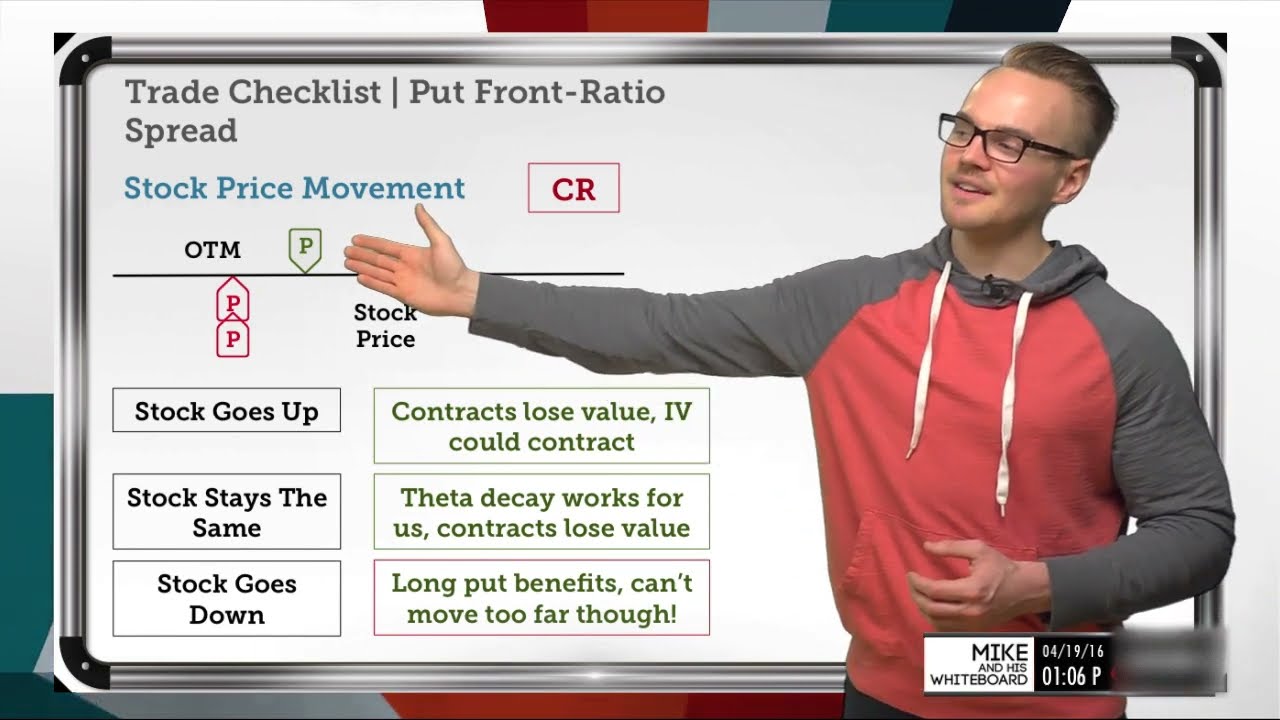
to see the deltas increase to the downside so said of me just yapping about it here how about I show you what we're talking about first example here being a put ratio back spread so long ratio put spread long being back spread generally say you sell one at the money put and then you buy to further downside puts okay so downside meaning of the money so in this case put some numbers to it well selling 160 put while buying 255 puts okay so we're long those two puts to the downside so without shares your intended
to Ben you intend to benefit from this trade with a sharp move to the downside so once it goes through your long strike okay with shares it's intended to kind of offset some of your stock losses with a large move to the downside with little to no cost because you put this on you sold one you bought two that or less I'm sorry lesson costs and you'll in this will this will benefit for you when you it'll create increase in value with a sharp stock drop or if the price increases because again you're long to
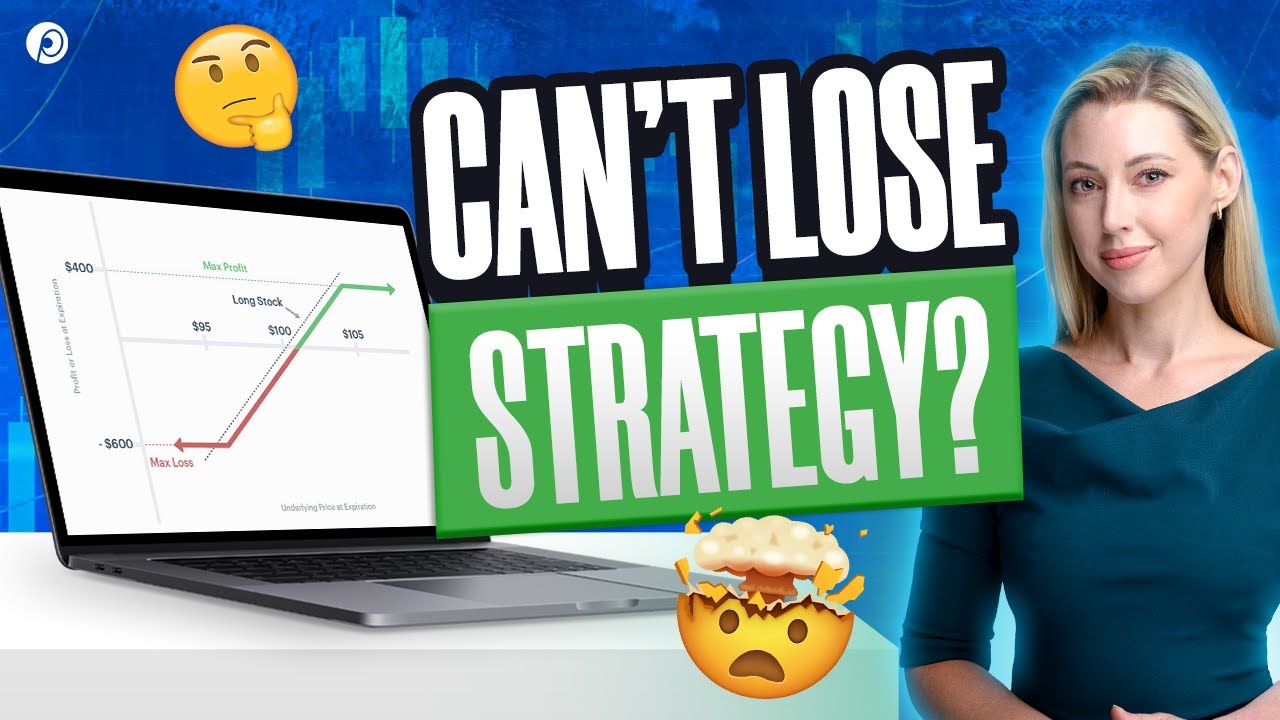
spread so it'll increase if it increases in volatility that's also good for you graphs are always good I like grass personally because if seeing is believing so let's say you're short 190 foot long 285 foots let's put some numbers to this here say you're short this 190 put $4 25 and say you're long to 285 puts for 50 cents okay so 2 times 50 cents is $1.00 so that's your dollar credit you sold that 90 foot for a dollar credit for a dollar 25 so as you see submit is that if the stock were to
take a sharp move to the downside say it goes to 0 that would be kind of a crazy move but that's it's always interesting to know where you generally make your most profit your max risk as you can see with the red dot here you do not want to end at your long strike with those who are familiar at options anytime you're long an option it ends at that strike then that strike will eventually an expiration be 0 so that's not what you want and this spread also right you don't want it to end at
your your long strike as you can see from the graph you have to break evens here one further to the downside in that case once it moves the long put strike - the difference between the two strikes - the credit and the short put - the net credit so what does all that mean well the difference we into two strikes is you took in a credit of 25 cents so that's 475 - to down the the long strike to the downside so right there that's at 80 25 okay so that's your break-even point at which
once it starts to go further belong that below that then you start to make money on this spread and then from to the upside if it moves to the upside well you took in a credit so if everything being equal all these both of these options expire worthless you took in 25 cents and you get to keep that 25 cents okay so why would you use this as we said earlier if you're expecting a sharp downside move or you know that kind of thing happens you put this trade on for a credit so you're you're
good there you're good with whatever happens however you don't want it to end up to 85 and if it moves to the downside you're gonna you know say you have stock you're gonna lose on your stock but you're also going to benefit from this downside move that it's taking so what type of situations does that happen in well if you've done some after trading already you'll know that you know type of earnings reports sometimes unexpected earnings reports can result in a sharp move to the downside or drug test trials when you know an FD when
a drug is not approved by the FDA by some biotechs that they can move sharply to the downside or a legal case well a lot of times maybe the volatility is high going into that event legal cases can swing a stock one way or the other and if you have a large downside moving that you have this type of trade on you're sort of protecting some of your gains or protecting yourself so let's go through a scenario here say an investor is long shares from $59 right and they're looking to protect their UPS their downside
was little to no cost without forgoing any upside potential so some possible strategies here you could do a protective put is so greatly laid out earlier on but that may not satisfy the requirement of the cost right you could also do a collar we talked about collars a little bit ago but that also limits your upside potential and again some people are fine with that collars are fantastic but some people don't like that idea so this put back spread well that that checks off you know both issues on the list here it's cost-effective to put
it on for a little cost maybe even you put on for a credit like we did in our example and you know you're also protecting your downside so boom check it out two boxes right there with this trade again more numbers hopefully you like numbers if you're trading options to be totally honest with you and I will say this the thing about I feel like most of the people in this room are used to it I have to always try to get my kids to understand this idea of when you pay for something understand the
kind of changes you getting back not that they pay with dollars anymore but understanding simple math is always key with options right and the more examples you can do I saw some of you working on examples here maybe working on that kind of thing at home like the more examples you can do with the simple math that's actually what helps you understand more once you understand your risks your your rewards the moves but also understanding the numbers behind it it's key so we got a few numbers here long I want to share some 59 right
you sell your one put for 66 cents by two puts for 66 cents when I get that 66 from well if you look at this offer here than 58 33 33 times 2 that's your 66 cents that's even money sold one 466 bought 266 even money right so your initial deltas is long 93 deltas where'd we get 293 deltas from well then you've roll over to your Delta we all know that long stock anytime that's a hundred Delta options you're short 7 how are you getting the short 7 well you got 28 Delta's on those
to put set your long so that's 58 deltas and then you got short 59 put that your 51 Delta's on so that's your 58 my 51 that's your 7 delts is that you're short and you're shortened because your long downside puts right simple enough put backs great example number two if you're hedging stocks so if your long 100 shares from 59 your short that 59 put your long those to 58 puts 4 even money as we discussed ok so um you know this is cool to kind of look at this here to see where you
lie this is another interesting paper example you can do with a lot of different trades to see where you lie along you know the curve here when you're looking at your your trade so let's start at 60 for your long 100 shares 59 difference between that is five dollars so you're making five dollars on your stock the value of your 59 put at 64 zero taking these expiration okay we're taking this all the way to expiration the value of your 258 puts zero so your net loss profit loss there is five dollars simple enough right
you're basically taking the options out of that situation and you put it on for even money so you didn't make or lose on your options trade and your stock is five dollars up so simple enough let's go to the extreme example 56 at fifty-six your long stock from 59 so you're down three dollars on your stock right the value of your 59 put that's three dollars in the money your short that so you're down three dollars the value of those 58 puts it's two dollars right 56 minus 58 two dollars two times two that's four
dollars so net net even add that up four and seven your short your minus three dollars you know your trade okay so just kind of anytime you had that question whether it's a puts back spread or anything just think for yourself take it to expiration what is the value of this at expiration difference between those strikes you know obviously taking call and to put in calls and puts in effect what is what is this value what is this value so that's what we're doing here simple enough 58 you're down a dollar on your stock that
59 put this dollar in the money so that's down a dollar to 58 puts those are at zero so you're down two dollars so you know all your risk and all your rewards with this scenario once again looking at another graph so if you're long 100 shares from 59 and you're short 59 put your long to of the 58 quotes for even money your maximum game is unlimited because once it goes through that 58 strike then you start to make money and another way to look at this is like if you're short that 50 and
I put in your long 150 and I put your your shorter put spread so that's one to one you have an additional 58 put right so that's where you really making your money on and so your breakeven is 50 not as we saw in the previous graph okay so now let's give the call some love we've been given to put some love let's give the cost of love let's talk about a call ratio front spread okay so a short ratio call spread or front spread generally the investor buys one at the money call and there's
selling additional or in this case we're talking about two out of the money up side calls okay outside out of the money it's generally the same thing so in this case we're gonna put some numbers to it let's say we're buying 180 call and we're selling 285 calls alright so without shares your intended to profit from this if you have a move to the upside but not a strong move that goes to your short strike okay so we're looking at the idea of shortly rate like a sort of slowly range bound stock that's generally moving
up but not moving up huge and then with shares its kind of intended to offset any losses that you may have in a stock right by lowering your breakeven okay sorry lowing your breakeven with little to no cost so you have increases in value with that with moderate share price and I like to move around I'm sorry we have increases in value with your moderate share price and increases with decreasing implied value and most times when stocks are going up especially if they're going up slowly implied volatility is decreasing and coming in so that's another
reason why this is a trade that people will look that maybe put on to have the short to website so looking at the graphs once again you have a long a tea call you have to short 85 calls and we put this trade on for credit this is awesome if people put it on for credit you might always get this but this is fantastic the great people that oh I see you're hooking it up for us so you have max profit is the difference between strikes once again plus or minus the net debit or credit
and always keep in mind when you take when you take in the credit if you able to put the straight on for credit then you can take that off of your breakeven and it kind of lowers your breakeven in this case it lowers your breakeven to the upside so instead of a situation where before we had a further down breakeven this case because we're short to upside our breakeven is going to be ninety dollars and 25 cents so that once it gets to that point that's when you'll start to lose money okay as you see
and then once it goes to the once it starts to go further up then you have your mask max risk is unlimited due to that extra short call okay so again one way to also look at this is you have a long call short call 80-85 then you have an additional short call on the upside that's why you have that unlimited risk to the upside because you're just short call basically naked to the outside your breakeven short strike plus the difference between strikes plus the credit receipt okay so typically in in this case typically as
you can see we put it on for credit so if it goes down well then you keep it you keep that credit you know that's the the 25 cents that you keep there so if it falls down you're not making losing anything on that you're keeping the money actually and typically you'll you know and you'll employ a call front spread for those who are expecting a steady uprising stock as we said and you're hoping that their volatility will come in as it's going up slowly okay so you'll get the sort of if the best kinases
best case scenario is if stock ends at 85 right right there at 85 you're not only is your 80 call worth $5 that's 84 whatever you sold at 85 calls for it goes to zero at expiration so that's your best case scenario you would love for stock to end at 85 on this front ratio cost spread so the idea of a stock repair strategy well what is that well your racial you know spread using the calls to lower the breakeven no you're you're using this ratio spread to lower your breakeven on a stock that you
may be losing already right so why would you want to do this well you're looking to forego any potential you know long-term profits and you know you're don't want to necessarily commit any more money to a losing stock right so this is kind of a lower cost effective way to sort of maybe if the stock starts to move up again you don't have to commit you know the whole amount of money for the stock was all over again right you could you know it's not working that way you could you could hold and hold how
many of us have done the hold in Hope strategy I think the stock is going to bounce back I'm just gonna sit here wait I don't want to you know get out of it I believe in it you could you know you could you start having that discussion with yourself do I want to buy more shares I want to put up more of the money well you could look to do something like this Fredo call ratio front spread right that's going to reduce your overall breakeven and it gives you the ability to kind of do
what you want to because once it starts to go back up it'll start to slowly go back up and you'll start to believe again and you didn't commit the full amount of stock you put on this collar is your front spread and you look smart doing it so let's talk about a scenario here say you're long 100 some sixty five right and due to some recent market action say those shares are trading 57 now so you're losing eight dollars on that and you're trying to recoup some of your losses yellow drink here by the way
if you're ever talking it's best to drink tea so what I've heard teas better not water water constriction throw possible remedies investor you can stay long stay the course you can do the whole Pope thing and hope that it rallies back right or you can purchase additional shares at 100 laying out fifty seven hundred dollars and you know you can do the dollar cost averaging thing so now reduce your per share to sixty one dollars for share but you have to put up that extra money right a lot more versus doing this call front spread
right your if especially if a situation where you can put it on for even or put it on for credit that's a scenario where you will be able to kind of still have the same mindset mindframe of what you want on this particular investment and trade and hopefully it starts to go back up like you affected like you already know right so going back to the numbers your long 100 shows from 65 as we said stocks trading 57 you buy the 57 calls so you're buying it at the money call for 96 cents and you're
selling to 61 calls for 48 cents so when you do that that's your 96 cents also on the twos calls you sold so in this case we just did it for the one side when you'd sell the 268 calls you see the market here is 47 to 50 so you sold a penny off the bid you sold it for 48 cents you sold two of those so that's 96 cents so in this case that's even money okay and your initial net deltas is long 99 stock is long 100 deltas looking at the deltas here you
see your long deltas 437 I'm sorry your long 53 your long your long delta is 53 for your 57 call and your short Delta for the 26 calls is 50 to 52 I mean I'm sorry 26 26 cents to 52 so your net short one Delta on that option trade so your long deltas overall is 99 okay so you haven't taken too much off the table as far as your Delta initially on the trade you guys still with me everybody good okay how about at home pajamas on nice so long honey shares from 65 long
the 57 call stock is trading 57 and you're short 261 calls for even money okay as we discussed earlier so let's look at the top the top scenario here if stock is actually I'm sorry let's go to the stock at 57 okay because that's where we're initially doing this trade a the stock is trading 57 like we said you're losing $8 on your stock value of the 57 call at expiration would be 0 that right at the money so let's just assume that that's 0 61 calls we'll finish out of the money those are 0
so your net net overall losing $8 on the train okay 55 calls say the stock goes even lower and again we put this option front spread on 4 even money so it goes even lower at that point the only thing you as your stock stock is down now you know we bought it at sixty-five stock is down now $10 so we're losing $10 per share value 57 call it's out of the money so that's zero and expiration value of your 61 calls is zero at expiration so you're just losing on stock there and you're down
$10 what about it 63 so at 63 if you're long shares from 65 difference between that is $2 so your stock P&L is down two dollars the value of your long call well now that's in the money and so your long that in the money 57 call and that's $6 in the money so you're up six dollars on that at 63 those 61 calls that you're short are two dollars in the money and the two times two is four dollars so net net overall your net out zero so the stock has rebounded you're glad about
that and you'd put this trade on for even money you're not losing there and now you just are looking at you do recoup some of the value of your of your stock so you're happy and now you just want if it continues to go up that's where you have your risk but you also are making money on your stock from there so you're sort of you're in short one additional call to the outside while you're long your hundred shares of stock now at some point that could get called away but ideally what you would love
is if it finishes at 61 and exploration which it could at some point in time you never know so as we see here this is a situation again you put this trade on not for maximum gains but you put it on so that you can dollar-cost average in a different way than just laying out another 5700 share $5,700 because your stock is down eight dollars okay so the profile onus doesn't look as fantastic as say the other ones that we looked at but in this case you were putting this on with a different mindset you're
saying I'm hoping the stock rebounds and I don't have to you know I don't have to I hope the stock rebounds I don't have to put out another 100 you know I don't have to buy more shares I'm dollar-cost averaging in a different way and now the stock is beginning to continue to rebound so you put it on for even money your maximum loss is substantial but it's the same as you know I'll be having a long stock position right that maximum loss substantial as well and your maximum gain on this this is a break-even
trade sometimes you got to break even so your breakeven is 61 in that sense that one sits at 61 at expiration and that's what you would like out of it you don't want it to go above that but still there you're down to 65 you're down from your 65 where you purchase shares so you're still down on your original long stock trade but now the stock is recouped and you're glad that it finished at 61 so some things to know the put ratio back spread so without shares your intended to profit from this trade from
a significant decline in stock so if it's bearish right this is a trade that you put on where you are you can put on for little to no costs but once the shares start to move down significantly then your hedging your stock losses from Allah so you would like a large downside move on this on that trade if you have shares you don't necessarily want a large downside move but its protection with a large downside move and you put it on too little to no cost call ratio front spread so without shares it's intended to
profit from a sort of range bound stock that's going up slowly that will finish at your short strike ok slightly bullish but not overly bullish because if it goes up too far it goes through your short strike with shares it's intended to offset your stock losses by lowering your breakeven for little to no cost there's a lot of things that you can learn here and you can go to the website and get a lot more information via podcast via you know the videos and so attending live events and that's our wrap-up so thank you for
coming today we have a lot more information at the options Education org and follow in YouTube like aw oh thank you satisfied with fathom come on thank you at home thank you for joining us I hope you still have pajamas on I know I would too thank you very much